Vermont ATV Insurance Cost
Oh, the joys of owning an ATV or UTV in Vermont! There's nothing quite like hitting those trails or cruising a designated town road with the Green Mountain State's beauty unfolding around you. But before you even think about firing up that engine, there's a vital piece of the puzzle that often causes a little head-scratching: insurance. Many riders feel overwhelmed by the costs and confused about what's actually required. This guide is here to untangle the complexities of Vermont ATV insurance costs, helping you understand what influences your premiums, what the law demands, and how you can potentially save a few bucks without sacrificing essential protection.
What Drives the Cost of Vermont ATV Insurance?
When you're looking at insuring your off-road machine in Vermont, it's not a one-size-fits-all number. Just like car insurance, a multitude of factors come into play, creating a unique premium tailored to you, your machine, and how you plan to use it. Understanding these elements can help you make sense of the quotes you receive and even find ways to manage your expenses.
Your Machine's Specs and Value
Let's be honest, not all ATVs and UTVs are created equal, and neither are their insurance premiums. The type of machine you own plays a huge role in what you'll pay. Are you rocking a classic, smaller ATV, or have you invested in a high-powered, multi-seat side-by-side that practically feels like a small car? The bigger and more expensive your machine, generally the higher the cost to insure it. Think about the potential repair costs if something goes wrong; an insurer is assessing that risk.
The year, make, and model are significant, as newer, more powerful machines often come with higher price tags and more complex, costly parts. Even if you've put a lot of work into customizing your rig with aftermarket parts from a company like SuperATV – maybe a lift kit, heavy-duty bumpers, or specialized lighting – these additions can increase the value of your machine and, consequently, the cost to insure it, especially if you opt for accessory coverage. It’s all about the financial exposure an insurance company faces if your prized possession needs a major repair or replacement.
Your Riding Habits and Location
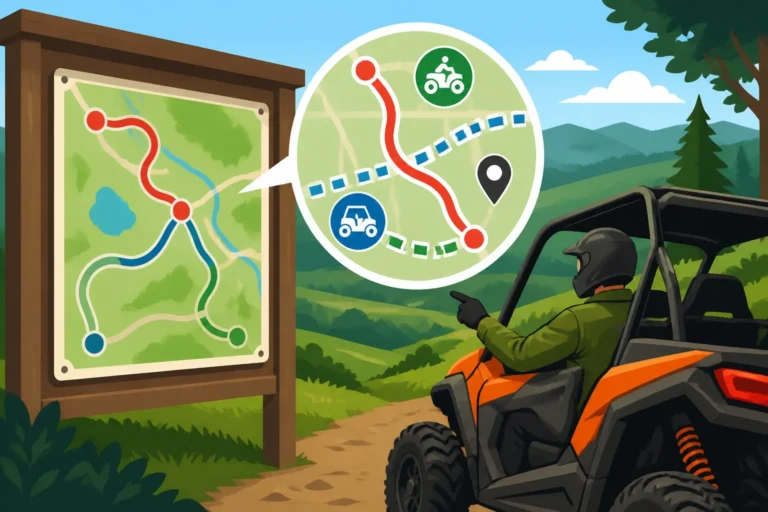
How and where you ride your ATV in Vermont also heavily influences your insurance rates. Are you a weekend warrior who only hits the trails a few times a year, or are you someone who uses their UTV for daily farm chores, plowing snow, or regularly exploring the VASA trail system? More frequent use, especially in potentially higher-risk scenarios like aggressive trail riding or using your machine on town roads, can lead to higher premiums. The longer your machine is out there, the more chances it has to be involved in an incident.
Furthermore, your geographic location within Vermont can affect rates. While Vermont is generally rural, some areas might have higher theft rates for recreational vehicles, or particular towns might have more permissive—or restrictive—rules regarding [Vermont ATV Road Rules: Towns Decide], leading to varying levels of exposure to accidents. Insurers look at statistical data for your area to assess the overall risk profile. If your area has a higher incidence of accidents or thefts, that can be reflected in your premium.
Your Riding History and Experience
Your personal riding profile is another critical piece of the puzzle. Just like with car insurance, a clean driving and claims record is your best friend when it comes to keeping costs down. If you've had previous accidents, violations, or insurance claims, insurers might view you as a higher risk, which can translate into steeper premiums. They want to see a history of safe and responsible riding.
Your age and experience level also play a part. Younger, less experienced riders, particularly those under 18 who are still learning the ropes, might face higher rates until they build up a solid record of safe riding. Conversely, seasoned riders with years of incident-free experience often benefit from lower costs. Taking an approved ATV safety course, such as those that are [Vermont ATV Safety Course Required Under 18], can not only make you a safer rider but might also qualify you for discounts, as it demonstrates a commitment to responsible operation.
Understanding Vermont's Mandatory ATV Insurance Requirements
Here in Vermont, if you plan to hit any designated public roads or VASA trails (which often incorporate public roads), having proper insurance isn't just a good idea – it's the law. Skipping out on this can lead to some hefty penalties and leave you financially exposed if an accident occurs. It's crucial to understand exactly what Vermont mandates and why certain coverages are so important.
The Bare Minimum: Liability Coverage
Vermont law requires all ATVs and UTVs operated on public roads or designated trails to carry liability insurance. This isn't about protecting your machine; it's about protecting other people and their property if you're at fault in an accident. The state sets specific minimum limits, which are designed to cover medical expenses for injuries you cause to others and repair costs for damage to their property.
Currently, Vermont mandates a minimum of [$25,000 Bodily Injury Minimum] for one person, [$50,000 Two-Person Minimum] per accident, and [$10,000 Property Damage Minimum]. While these are the legal minimums, many riders choose to carry higher limits. Imagine a scenario where you accidentally swerve and hit a parked car, causing extensive damage, or worse, injure another rider. If the costs exceed your minimum coverage, you could be personally responsible for the remaining balance. That's a financial burden no one wants to face, especially when dealing with the aftermath of an accident. It's often a smart move to talk to your agent about what level of coverage truly makes sense for your peace of mind and financial security.
Beyond the Basics: Other Important Coverage Types
While liability is the legal baseline, it's really just the starting point for comprehensive protection. Many riders find that adding other types of coverage offers much-needed peace of mind, especially given the investment we make in our machines.
- Collision Coverage: This pays for damages to your ATV or UTV if it collides with another vehicle or object, or even if you roll it on the trail. If you've spent a significant amount on your machine, especially if it's new or has valuable aftermarket additions from a brand like SuperATV, this coverage is almost non-negotiable for protecting your investment.
- Comprehensive Coverage: This steps in for damages not caused by a collision, such as theft, vandalism, fire, natural disasters (like a tree falling on your parked machine), or hitting an animal. Given the prevalence of wildlife in Vermont, hitting a deer on a trail is a real possibility, and comprehensive coverage would handle the repairs.
- Uninsured/Underinsured Motorist Coverage: This protects you if you're involved in an accident with another rider who either doesn't have insurance or whose insurance isn't enough to cover your damages. It’s an unfortunate reality that not everyone follows the rules, and this coverage can be a lifesaver.
- Accessory Coverage: If you've decked out your ATV or UTV with expensive accessories like a winch, specialized tires, a plow, or performance parts from SuperATV, standard policies might not cover their full value. Accessory coverage allows you to specifically insure these add-ons for their replacement cost.
Proof of Insurance on Vermont Roads
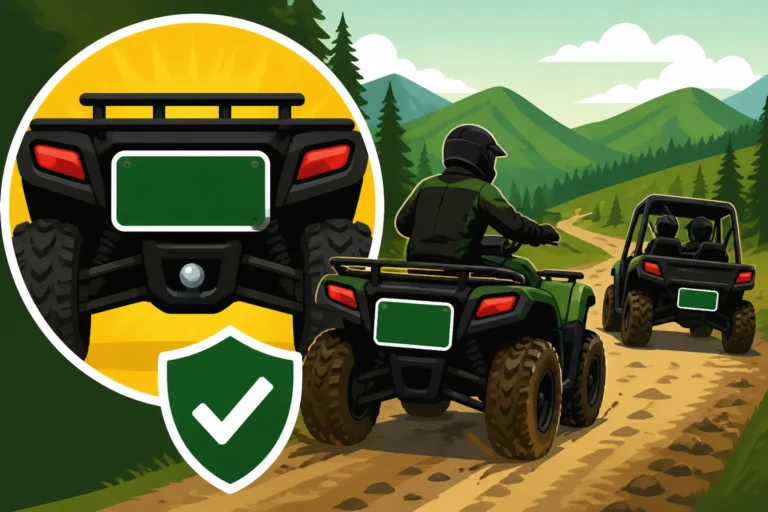
Just having the insurance isn't enough; you need to be able to prove it. When you’re riding on any public road or designated trail in Vermont, you are legally required to carry proof of insurance with you. This can be your insurance card, a copy of your policy, or even digital proof on your phone. If a law enforcement officer, such as a game warden or a town constable, pulls you over or encounters you during a routine check, they will ask for this documentation.
Failing to provide proof of valid insurance can result in fines and other penalties, similar to driving an uninsured car. It’s a bit of a hassle to [Carrying Vermont Insurance Proof on the Machine], but it's a non-negotiable part of responsible riding. Make sure your insurance information is up-to-date and easily accessible – perhaps laminated and kept in a waterproof pouch under your seat, or a quick photo on your phone. You don't want your fun day out to end with a ticket because you couldn't find your card. While not directly about insurance, a related issue is [Vermont Penalties for Riding Unregistered], so making sure both your registration and insurance are in order is crucial.
Strategies to Potentially Lower Your Vermont ATV Insurance Premiums
Nobody wants to pay more than they have to, right? The good news is that while Vermont ATV insurance is a necessity, there are smart strategies you can employ to potentially reduce your premiums without cutting corners on essential coverage. A little savvy planning can go a long way in keeping more money in your pocket for gas and trail snacks.
Bundling and Multi-Policy Discounts
One of the easiest ways to potentially save money on your ATV insurance is by bundling it with other policies you already have. Most major insurance carriers offer significant discounts if you combine your ATV coverage with your auto insurance, homeowners insurance, or even renters insurance. Think of it from their perspective: you're a loyal customer with multiple policies, which makes you a lower risk for them to lose.
So, if you currently have your car and home insured with one company, it's definitely worth checking if they also offer ATV insurance and what kind of multi-policy discount they can provide. Sometimes, the savings on the bundled policies can be substantial, making it a no-brainer to keep all your eggs in one basket, so to speak. This is often the first place an insurance agent will look to find you savings, as it’s a win-win for both you and the provider.
Safety Courses and Anti-Theft Measures
Being a responsible rider doesn't just keep you safe; it can also save you money. Many insurance companies offer discounts if you (or any other operators listed on your policy) complete an approved ATV safety course. These courses, like the ones covered under [Vermont ATV Safety Course Required Under 18], teach valuable skills and promote safe riding practices, which directly reduces the likelihood of an accident. Insurers view this as a proactive step to mitigate risk, and they often reward it with a percentage off your premium.
Beyond safety training, consider investing in anti-theft devices for your machine. GPS trackers, alarm systems, or even heavy-duty locks can deter thieves, especially if your machine has high-value aftermarket parts from SuperATV. If you can demonstrate to your insurance provider that you've taken steps to protect your ATV from theft, they might offer a discount on your comprehensive coverage. Every little bit helps, and securing your machine is a good practice regardless of the insurance benefit.
Adjusting Deductibles and Coverage Levels
This strategy involves a bit of a balancing act, but it can be effective. Your deductible is the amount of money you agree to pay out-of-pocket before your insurance coverage kicks in for a claim. Generally, if you opt for a higher deductible, your monthly or annual premium will be lower. The trade-off is that you'll have to pay more upfront if you do have an accident.
For example, if you have a $500 deductible and damage your ATV in a crash, you pay the first $500 of repairs, and your insurance covers the rest. If you choose a $1,000 deductible, your premium will be lower, but you'll pay more out of pocket if a claim arises. It's about evaluating your own financial comfort level and risk tolerance. If you have a well-maintained emergency fund, a higher deductible might be a smart way to save on premiums. Similarly, review your coverage levels periodically. Do you truly need the maximum collision coverage on an older machine with a lower market value? Re-evaluating your needs can sometimes reveal areas where you're over-insured.
Comparing Quotes from Multiple Providers
This might sound obvious, but it's perhaps the most critical step in finding the best Vermont ATV insurance cost: shop around! Don't just stick with the first quote you get, or assume your current auto insurer offers the best deal for your ATV. Different companies have different underwriting models, risk assessments, and discount programs. What one insurer considers a higher risk, another might view as standard.
Take the time to gather quotes from several different insurance providers. You might be surprised at the range of prices for essentially the same coverage. Use online comparison tools, call local agents, and don't be afraid to ask questions. Be prepared to provide accurate information about your machine, your riding habits, and your history to ensure you're getting comparable quotes. A little legwork upfront can lead to significant savings over the life of your policy.
Here's a quick look at common ATV insurance coverages and what they typically handle:
| Coverage Type | What It Covers | Why It's Important |
|---|---|---|
| Liability | Damages and injuries you cause to others or their property. | Legally required in Vermont for road/trail use. Protects your assets from claims by others. |
| Collision | Damages to your ATV/UTV if it hits another object or vehicle. | Protects your investment. Pays for repairs or replacement of your own machine. |
| Comprehensive | Damages to your ATV/UTV from non-collision incidents (theft, fire, vandalism, animal strikes, natural disasters). | Crucial for protecting against risks beyond accidents, especially for valuable machines or those with many aftermarket additions like SuperATV parts. |
| Uninsured/Underinsured Motorist | Your medical bills and property damage if hit by a rider with no insurance or insufficient coverage. | Protects you from others' lack of responsibility. |
| Accessory Coverage | Replacement or repair of aftermarket parts and accessories. | Essential if you've added valuable upgrades (e.g., winches, plows, specialty tires, lighting) to your machine. |
| Medical Payments | Medical expenses for you and your passengers, regardless of fault. | Provides quick access to funds for minor injuries, complementing health insurance. |
Disclaimer
This article is for general informational purposes only and does not constitute professional advice. Laws, prices and regulations vary by location and change over time. Consult a qualified professional for guidance on your specific situation.