Windshield and Sharp Edge Rules for an ATV
It can be incredibly frustrating to modify your ATV or UTV for comfort or performance, only to wonder if those changes make your machine illegal on Vermont's roads. Many riders grapple with the confusing intersection of off-road design and on-road safety regulations, especially when it comes to things like adding a windshield or ensuring there are no sharp edges that could cause harm. This guide is here to untangle the specifics of Vermont's rules regarding windshields and sharp edges on your all-terrain vehicle, helping you ride confidently and compliantly.
Understanding Vermont's Stance on ATV Modifications for Road Use
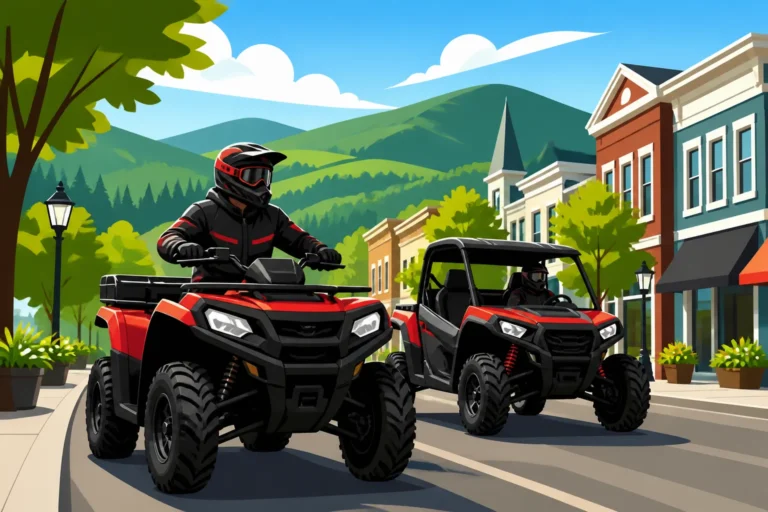
When you think about an ATV or UTV, your mind probably jumps to tearing through mud, climbing rocky trails, and navigating dense forests. These machines are engineered for the wild, built to be robust, agile, and relatively open to the elements. So, it's completely understandable that when Vermont allows these vehicles on certain town roads, riders begin to think about making them a bit more comfortable or safer for that different environment. But this transition from pure off-road to occasional on-road use introduces a whole new set of considerations, and sometimes, a lot of head-scratching.
The Core Challenge: Balancing Off-Road Design with On-Road Safety
The fundamental dilemma for ATV and UTV owners in Vermont is that their machines are designed with off-road adventures in mind, not necessarily the specific safety standards of passenger cars on paved roads. Manufacturers focus on things like suspension travel, ground clearance, and protection from trail debris, not always on features like automotive-grade windshields or fully enclosed cabins with smooth, pedestrian-safe exteriors. You might want a windshield to keep the biting Vermont wind out on a chilly fall ride, or to protect you from dust and bugs as you travel between trailheads. Or perhaps you've added some cool aftermarket accessories like brush guards or new fender flares. The challenge is ensuring these modifications, which make perfect sense for an off-road beast, don't inadvertently create a safety hazard or violate a general motor vehicle law when you're cruising down a town road. It's a common frustration to want to personalize your ride, but feel constrained by rules that seem designed for cars, not quads.
The Legal Framework: How Vermont Defines Road-Legal ATVs
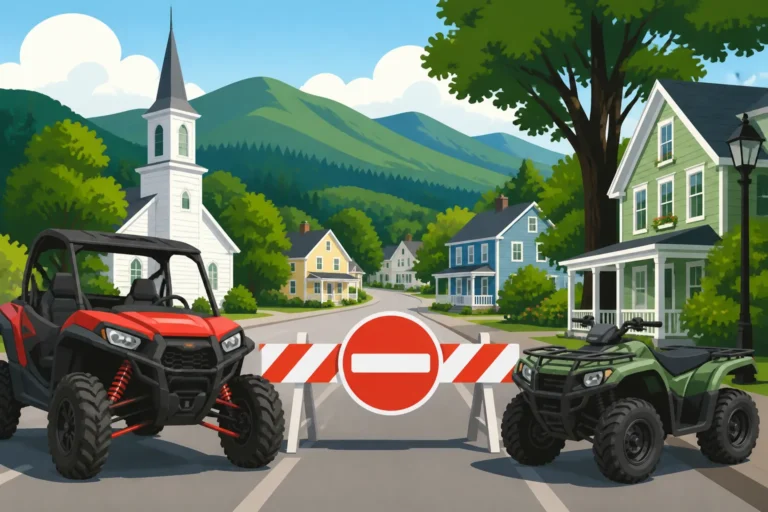
Vermont's approach to road-legal ATVs and UTVs isn't always about a prescriptive list of every single modification allowed or forbidden. Instead, it often relies on broader motor vehicle safety principles. While a specific ATV might be allowed on designated town roads — [Vermont ATV Road Rules: Towns Decide] — that permission comes with the expectation that the machine, and its operator, will adhere to basic safety standards applicable to any vehicle sharing the public way. This means ensuring your machine is safe not just for you, but for other motorists, pedestrians, and cyclists you might encounter. The laws concerning vehicle condition are generally meant to prevent undue risk. For instance, Vermont's regulations might not explicitly say, "No sharp edges on your ATV," but they would fall under a general requirement that a vehicle be in safe operating condition and not pose an obvious hazard to others. This can leave riders feeling a bit in the dark, trying to interpret general vehicle laws for a specialized machine.
Why These Rules Exist: Protecting Riders and the Public
At the heart of any vehicle regulation, whether it's for an ATV, a car, or a motorcycle, is safety. When an ATV or UTV leaves the dedicated trail and enters a public road, even a quiet dirt road, it becomes part of a mixed traffic environment. The regulations surrounding windshields and sharp edges, therefore, aren't there to just make your life harder. They are designed to minimize injury in the event of an accident, both for the rider and for anyone else involved. A shattering windshield could cause severe eye or facial injuries. A sharp, protruding edge from a custom bumper or a damaged fender could snag a pedestrian or cyclist, or cause greater damage in a low-speed collision with another vehicle. These rules are about foresight, trying to prevent foreseeable harm. It’s a way to ensure that the excitement of riding doesn't come at an unreasonable risk to you or the community around you.
The Nitty-Gritty of Vermont's Windshield Regulations for ATVs
Adding a windshield to your ATV or UTV can dramatically improve comfort, especially during Vermont's cooler seasons or when kicking up dust on a dry dirt road. The feeling of the wind whipping past you is exhilarating on the trails, but less so when you're trying to see clearly on a public highway. However, unlike cars, which have very specific and universal windshield requirements, ATVs and UTVs operate in a somewhat grayer area. The key is understanding that while a windshield might not be mandatory, if you choose to install one, it must meet certain safety and visibility criteria.
Is a Windshield Required for Road Use in Vermont?
For most ATVs operating on Vermont's designated town roads, a windshield is generally not a mandatory piece of equipment. Unlike passenger cars or trucks, which are designed to be fully enclosed and rely on a fixed windshield for structural integrity and environmental protection, many ATVs are open-air machines from the factory. You're typically expected to wear appropriate eye protection, like goggles or a helmet with a face shield, even without a windshield.
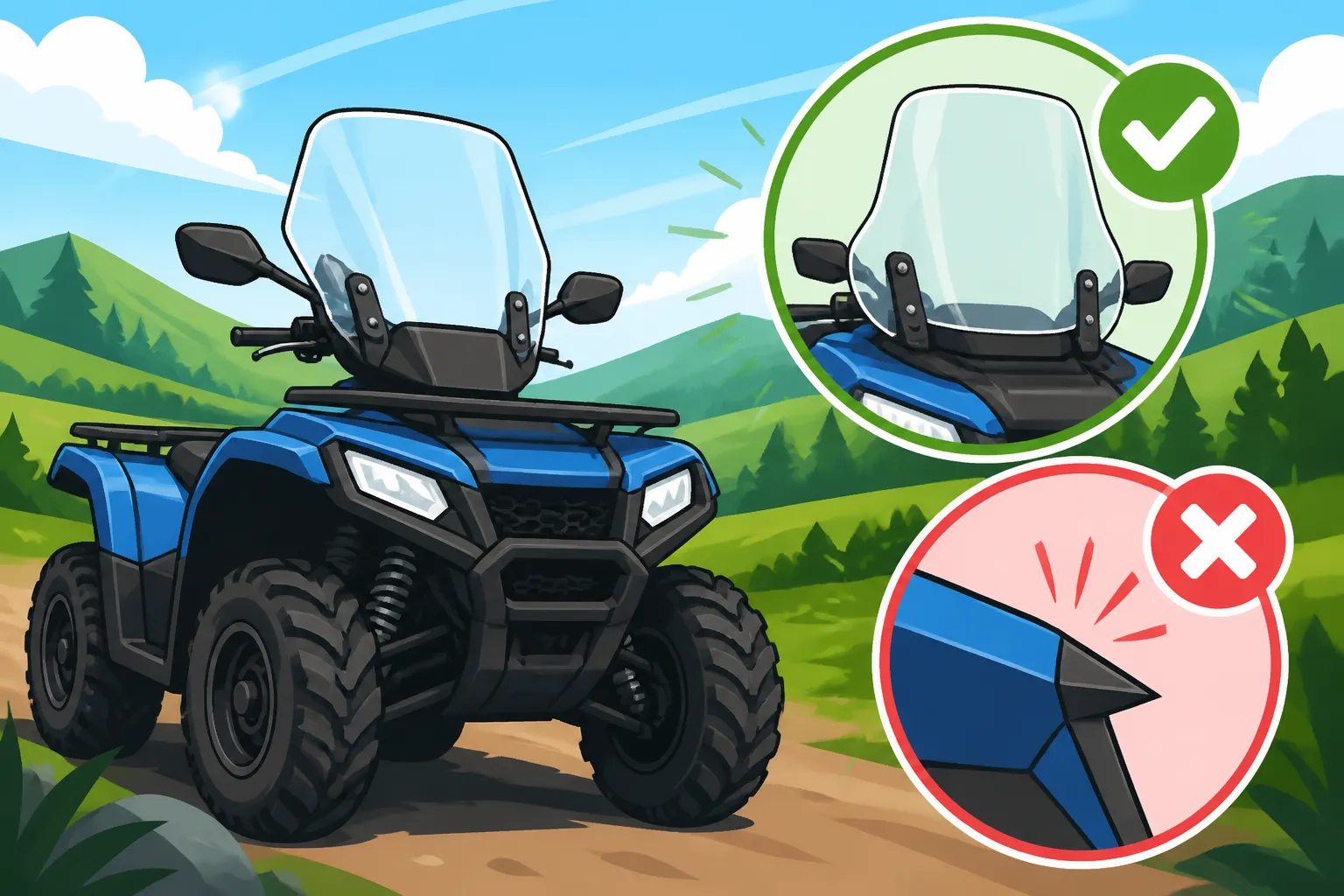
However, the moment you decide to add a windshield for comfort or protection, you also take on the responsibility of ensuring it doesn't create a new hazard. While not a requirement, a well-chosen windshield can protect you from flying debris, insects, and harsh weather conditions, which can be a real blessing on a long ride between trail segments. But if that windshield cracks easily, obstructs your view, or has sharp edges, it could lead to bigger problems than just a chilly breeze. It's a common point of confusion for riders: you want the benefit, but you need to know if you're stepping into a regulatory minefield.
Safety Standards for ATV Windshields in Vermont
Vermont law doesn't provide specific ATV-only windshield material or testing standards akin to the AS1 or AS2 ratings required for automotive glass. However, general vehicle safety provisions come into play. If you have a windshield on your ATV or UTV, it must be:
- Shatter-Resistant: While not necessarily tempered glass, it should be made of a material that, if impacted, doesn't splinter into dangerous shards. Polycarbonate (Lexan) or acrylic are common and generally accepted materials for ATV/UTV windshields because of their impact resistance. These materials are much safer than ordinary glass in a high-vibration, high-impact environment like an ATV.
- Clear and Unobstructed: Your windshield must provide a clear and undistorted view of the road ahead. Any cracks, significant scratches, or heavy tinting that impede your vision would likely be considered a violation.
- Securely Mounted: A loose or rattling windshield isn't just annoying; it's a safety hazard. It could detach while riding, striking you or another rider, or creating an obstacle on the road. Proper installation is key.
When you're looking for an aftermarket windshield, choosing a reputable manufacturer is crucial. Companies like SuperATV, for instance, specialize in UTV and ATV accessories, and their windshields are designed with both durability and clear visibility in mind, using materials that hold up to the rigors of off-road and on-road riding. They understand the need for robust mounting systems and materials that won't shatter dangerously. Always check that the product is designed for your specific machine to ensure a proper and secure fit, which goes a long way in meeting these implied safety standards.
Visibility, Obstruction, and Tinting Concerns
Beyond the material and mounting, the way your windshield affects your visibility is paramount. Vermont's general motor vehicle laws prohibit anything that "obstructs or impairs the vision of the operator." For your ATV or UTV windshield, this means:
- No Excessive Tinting: While a light tint might be acceptable for glare reduction, anything that significantly reduces visibility, especially at dusk or night, is a no-go. The darker the tint, the more likely it is to be deemed illegal, as it impairs your ability to see hazards and road signs clearly.
- Clear Line of Sight: Items mounted on the windshield (like GPS units, cameras, or excessive stickers) that block your direct line of sight are also problematic. Your field of vision should be clear and unobstructed.
- Cleanliness and Condition: A windshield caked in mud, severely scratched, or spider-webbed with cracks will not only hinder your vision but could also draw unwanted attention from law enforcement. Maintaining your windshield's clarity is part of safe operation.
It's tempting to add flair or functionality, but any additions must be placed carefully. Imagine yourself in a sudden braking situation or needing to react quickly to an unexpected obstacle. If your vision is compromised by a dirty, cracked, or excessively tinted windshield, or by something stuck to it, you're putting yourself and others at risk. A clear, well-maintained windshield is a non-negotiable for safe road travel.
Navigating Sharp Edge Rules: What Vermont Expects from Your Machine
While we often focus on things like lights, tires, and mirrors for road legality, the seemingly minor detail of sharp edges on your ATV or UTV can become a significant issue if your machine is deemed unsafe for public roads. Vermont doesn't have a dedicated "sharp edge law" specifically for ATVs, but general motor vehicle safety statutes apply, and they are broad enough to cover any feature that could pose an unreasonable risk. This is where common sense, and sometimes a little bit of preventative maintenance, comes into play.
Identifying "Sharp Edges" on an ATV
What exactly constitutes a "sharp edge" that could get you into trouble? It's often not the factory-standard design, but rather modifications or damage that create these hazards. Here are some common culprits:
- Damaged Bodywork: A fender that's been torn or cracked in an off-road mishap, leaving jagged plastic or metal exposed.
- Aftermarket Accessories: Custom bumpers, brush guards, or nerf bars that might have sharp corners, exposed bolt ends, or un-deburred edges, particularly if they're home-fabricated or poorly installed.
- Exposed Fasteners: Bolts, nuts, or clamps that protrude excessively and have sharp threads or edges.
- Worn or Damaged Parts: Any component that has rusted, bent, or broken in a way that creates a pointed or cutting hazard.
- Loose Components: Parts that are flapping or hanging precariously, creating unpredictable sharp points as the vehicle moves.
It's all about what could cause injury upon contact, whether that's to a pedestrian brushing past your parked machine, or to a cyclist or another driver in a low-speed collision. If you've ever snagged your pants on a loose bolt or scraped your hand on a jagged piece of plastic, you know exactly the kind of thing a patrol officer might look for.
Vermont's General Safety Directives for Vehicle Exteriors
Vermont's vehicle codes include general provisions requiring all vehicles to be maintained in a safe operating condition. This umbrella concept extends to the exterior of your machine. An ATV or UTV with exposed sharp edges could be cited under a general unsafe equipment statute or even a "defective equipment" citation. While a warden performing [Vermont Equipment Checks by Police] might be more focused on registration and VASA decals on the trail, a town police officer on a public road will be looking at overall vehicle safety.
Consider the intent of the law: to protect everyone who shares the road or public space. A patrol officer isn't going to pull out a measuring tape for sharpness, but they will use their discretion. If your machine presents a clear and obvious hazard due to exposed, sharp metal or plastic, you could be stopped. This isn't about perfectly smooth surfaces, but about avoiding features that are clearly capable of cutting or snagging. This might seem like a minor detail, but it speaks to the overall impression of care and roadworthiness your machine projects.
Avoiding Penalties: Inspection Points and Best Practices
To ensure your ATV or UTV is free of dangerous sharp edges and complies with Vermont's general safety expectations, a little proactive effort goes a long way. Here's a practical checklist:
- Regular Visual Inspection: Before and after every significant ride, walk around your machine. Look for bent metal, cracked plastic, or anything that looks out of place. Pay special attention to areas like fenders, bumpers, footwells, and rack ends.
- Smooth Any Rough Edges: If you've cut or modified any plastic or metal, take the time to deburr, sand, or file down any sharp points. Use rubber trim or edge molding on exposed sheet metal if possible.
- Secure All Fasteners: Ensure all bolts, nuts, and screws are tight and that no threaded ends protrude excessively. If they do, consider caps or different fasteners.
- Choose Quality Aftermarket Parts: When adding accessories, opt for reputable brands like SuperATV. Their products are generally designed with safety in mind, featuring smoothed edges and proper fitment. Cheap, generic parts might save you a few bucks, but they often lack the finish and safety considerations of quality items.
- Address Damage Promptly: If you dent a bumper or crack a fender on the trail, make it a priority to repair or replace the damaged part before taking your machine on public roads again.
By being mindful of the exterior condition of your ATV or UTV, you not only comply with the spirit of Vermont's safety laws but also contribute to a safer environment for everyone. It demonstrates that you're a responsible rider who respects the shared space of public roads.
Practical Considerations for Making Your ATV Vermont-Road-Compliant
Making your ATV or UTV compliant with Vermont's road rules goes beyond just slapping on a plate and hoping for the best. It involves a thoughtful approach to your machine's setup, especially when it comes to modifications like windshields and ensuring there are no dangerous sharp edges. This proactive mindset not only keeps you out of trouble but also enhances your safety and enjoyment of riding.
Choosing Aftermarket Parts Wisely
The aftermarket for ATV and UTV accessories is enormous, offering everything from performance upgrades to cosmetic enhancements. When it comes to making your machine suitable for Vermont's roads, your choices matter immensely. It's not just about aesthetics or function; it's about safety and legality.
- Prioritize Safety-First Design: When selecting parts like brush guards, bumpers, or even fender flares, look for designs that integrate smoothly with your vehicle's existing lines. Avoid parts with unnecessary sharp angles or protruding components that could snag or cause injury. Reputable manufacturers often design with these considerations in mind.
- Material Quality: Opt for durable, high-quality materials. For windshields, this means impact-resistant polycarbonate or high-grade acrylic, not cheap, brittle plastic. For metal components, look for corrosion resistance and strong welds.
- Reputable Brands: This is where brand recognition comes in handy. Companies like SuperATV have built their reputation on producing high-quality, well-engineered parts. Their products are typically designed for proper fitment, safety, and durability, meaning you're less likely to encounter issues with sharp edges, flimsy construction, or poor visibility from a windshield. Investing a bit more in a quality part can save you headaches and potential fines down the road.
- Read Reviews and Ask Around: Before purchasing, check online reviews and ask fellow Vermont riders in local clubs or forums about their experiences with specific brands and products. They can often provide invaluable insights into how a part performs and if it causes any compliance issues.
Remember, adding an aftermarket part is a modification, and modifications mean taking responsibility for their impact on your vehicle's safety and legality. Choose wisely, and you'll enhance your ride without compromising compliance.
Self-Inspection Checklist for Road Legality
Before you roll your ATV or UTV onto any public road in Vermont, a thorough self-inspection is your best defense against potential issues. This goes beyond the usual pre-ride check and focuses specifically on road-legal considerations, particularly for windshields and sharp edges.
| Item | Check | Compliance Point |
|---|---|---|
| Windshield Condition | – Is it free of major cracks, chips, or deep scratches? – Is it clean and clear? – Is any tinting light enough to allow clear visibility? – Are there any obstructions (e.g., excessive stickers, mounted devices) in the main viewing area? |
Vermont law requires clear, unobstructed vision. Significant damage or heavy tinting can impair visibility and be a safety hazard. Cleanliness is also crucial. |
| Windshield Mounting | – Is it securely fastened with no loose bolts or excessive vibration? – Are all mounting brackets tight and undamaged? |
A loose windshield is a hazard; it can detach or shatter unexpectedly. Ensure proper installation and tighten all fasteners. |
| Exterior Sharp Edges | – Walk around the entire machine, checking all body panels, bumpers, brush guards, and racks. – Look for bent or broken plastic/metal that creates jagged points. – Check for exposed, sharp bolt ends or unfinished edges on aftermarket accessories. |
Vermont's general safety rules prohibit features that could cause injury to occupants or others. Any sharp, protruding edges from damage or poor modification need to be addressed (sanded, filed, covered, or replaced). |
| Lights & Signals | – Headlights (high/low beam) operational? – Taillights & brake lights working? – Any turn signals (if required by local ordinance) functional? |
[Vermont Headlight and Tail Light Rules] are critical for road safety, especially at dusk or night. Working brake lights alert drivers behind you. |
| Brakes | – Are both front and rear brakes functional and effective? | [Working Brakes at Inspection] are non-negotiable for any vehicle on the road. |
| Mirrors | – Is at least one rearview mirror (preferably two side mirrors) installed and providing a clear view? | While not always explicitly stated for every ATV, a rearview mirror is a basic safety item for road travel, allowing you to see traffic behind you. |
| Muffler/Noise | – Is your exhaust system intact and not excessively loud? | [Vermont Muffler and Noise Rules] apply to ATVs on roads. Excessively loud machines can lead to complaints and tickets. |
| Registration & Plate | – Is your ATV properly registered with the Vermont DMV? – Is the registration plate securely mounted and clearly visible on the rear? |
Proper registration is fundamental. Your plate must be visible. [Vermont ATV Plates and Where They Go] provides specifics on placement. |
| Insurance | – Do you have proof of Vermont-mandated liability insurance with you? | [Vermont ATV Insurance Requirements] are strict. You must carry proof of coverage. |
| Helmet | – Do you and any passengers have DOT/Snell approved helmets? | [Vermont ATV Helmet Law for Every Rider] is universal; every rider and passenger must wear one. |
| VASA Decal (if on VASA trails) | – If transitioning between VASA trails via roads, do you have a current VASA Trail Access Decal? | While not for road legality directly, if you're using designated trails connected by roads, a [Vermont TAD: The Trail Access Decal Explained] is essential for trail access. |
This checklist might seem extensive, but it's a small investment of time to ensure compliance and, more importantly, your safety and the safety of those around you.
When in Doubt: Consulting Your Local DMV or Law Enforcement
Despite all the guides and checklists, you might still encounter a specific modification or situation where you're unsure about its legality on Vermont roads. This is perfectly normal; the laws can be complex and sometimes open to interpretation. In such cases, the best course of action is to go directly to the source.
- Vermont DMV: For questions regarding registration, titling, and general vehicle requirements, the Vermont Department of Motor Vehicles is your primary resource. While they may not have specific "ATV windshield" experts, they can provide clarity on general vehicle safety statutes that would apply. Asking about [Vermont Registration Questions Clerks Hear] might help you phrase your question effectively.
- Local Law Enforcement: If your question pertains to a specific town road ordinance or how a local officer might interpret a modification, contacting your town's police department or county sheriff's office can be helpful. They are the ones who enforce the rules on the ground and can often offer practical advice. Be polite, explain your situation clearly, and be prepared that they might not have an immediate, definitive answer for every unique modification.
- VASA (Vermont ATV Sportsman's Association): While primarily focused on trails, VASA is deeply involved in ATV advocacy and often has insight into how state and local laws impact riders. They might be able to offer guidance or point you to resources.
The key is to seek information before you potentially run afoul of the law. An honest inquiry demonstrates responsibility and a desire to comply, which can go a long way. It’s always better to be proactive than to learn about a violation through a roadside stop.
Beyond Windshields and Edges: Other Road-Legal Requirements
While windshields and sharp edges are important, they are just two pieces of the larger puzzle when it comes to making your ATV or UTV road-legal in Vermont. The state has a comprehensive set of rules designed to ensure that any vehicle operating on public roads is safe for all users. Neglecting these other requirements can lead to fines, inconvenience, and, more importantly, compromise your safety. Think of it as a complete safety package that your machine needs to wear when it leaves the trail.
Essential Lighting, Brakes, and Mirrors
Visibility and the ability to control your machine are paramount on any public road. Vermont's rules reflect this:
- Lighting: Your ATV or UTV must have functional headlights (with both high and low beam capability), taillights, and brake lights. These are crucial for being seen by other drivers, especially during low light conditions or at night. Many towns, especially those with designated ATV routes, may also require turn signals, so it’s wise to check local ordinances. Imagine trying to make a left turn on a paved road without indicating your intentions – it’s a recipe for disaster. Always refer to [Vermont Headlight and Tail Light Rules] to ensure your setup is compliant.
- Brakes: It goes without saying that effective brakes are non-negotiable. Your machine must have a braking system that is fully functional and capable of bringing the vehicle to a safe stop. This includes both front and rear brakes, generally operated independently or as a combined system. A brake system that is squealing, pulling to one side, or feels spongy needs immediate attention. An officer can and will check for [Working Brakes at Inspection].
- Mirrors: While some off-road machines don't come standard with mirrors, they are essential for road use. You need at least one rearview mirror, and ideally two side mirrors, to allow you to see traffic behind and to the sides of your machine without constantly turning your head. This significantly improves your situational awareness and safety on shared roadways.
These aren't just recommendations; they are fundamental safety features that ensure you can see and be seen, and stop safely, protecting both you and other road users.
Helmet and Insurance Mandates
These two requirements are absolute, non-negotiable cornerstones of ATV and UTV safety and legality in Vermont, whether you're on a trail or a designated town road.
- Helmets: Vermont has a universal helmet law for ATVs and UTVs. Every single rider and passenger, regardless of age, must wear a securely fastened, DOT-approved helmet. There are no exceptions for age or experience. This is for your head protection in the event of a rollover or collision, and it’s a rule that is consistently enforced. Failing to wear a helmet is not only incredibly dangerous but will result in a ticket. You can find detailed requirements in [Vermont ATV Helmet Law for Every Rider].
- Insurance: Operating an ATV or UTV on public roads in Vermont requires liability insurance. This isn't just a good idea; it's the law. The minimum coverage limits are set by the state to protect you and others in case you're involved in an accident that causes injury or property damage. You must carry proof of this insurance with you at all times when riding. Without it, you could face significant penalties. Don't take a chance; ensure you meet [Vermont ATV Insurance Requirements] before you ever leave your driveway.
These two mandates are not merely checkboxes; they are critical safeguards for life, limb, and financial well-being.
Registration, Plates, and VASA Decals
Before you even think about hitting a road or trail, your machine needs to be officially recognized and permitted to operate.
- Registration: Every ATV or UTV operated on Vermont's public ways or designated trails must be registered with the Vermont Department of Motor Vehicles. This is how the state identifies your machine and ties it to you as the owner. Registration fees help support the infrastructure you use.
- Plates: Once registered, you'll receive a license plate. This plate must be securely mounted on the rear of your machine, clearly visible, and kept free of mud or obstruction. An unreadable or missing plate is a quick way to get pulled over. Details on placement can be found in [Vermont ATV Plates and Where They Go].
- VASA Decals: If your intention is to ride on the VASA (Vermont ATV Sportsman's Association) trail system, which often utilizes town roads for connections, you will also need a VASA Trail Access Decal (TAD). This decal shows you've paid your trail user fees and supports the maintenance of the trail network. Even if you're only using town roads to get to a VASA trail, you'll need it. Understand what the [Vermont TAD: The Trail Access Decal Explained] entails before planning your route.
Proper documentation and identification are vital for legal operation. These steps ensure accountability and contribute to the overall management and safety of ATV and UTV use in Vermont.
Common Misconceptions and How to Stay Out of Trouble
Riding an ATV or UTV in Vermont offers incredible freedom and access to breathtaking scenery, but this freedom comes with responsibility. A common pitfall for riders is making assumptions about the rules, especially when transitioning from private land or dedicated trails to public roads. These misconceptions can lead to unexpected fines, legal troubles, or even accidents. Understanding and dispelling these myths is key to a smooth and enjoyable riding experience.
"It's Just a Dirt Road, So Anything Goes" – A Dangerous Myth
This is perhaps one of the most widespread and dangerous misconceptions among ATV and UTV riders. The thought process often goes: "It's not paved, it's not a highway, so the rules must be relaxed." Unfortunately, this couldn't be further from the truth in Vermont.
A dirt road, whether it's a winding country lane or a Class 4 road, is still a public way. This means it's subject to the same general motor vehicle laws as any paved road, even if specific ATV access is granted by a town selectboard. Speed limits still apply, DUI laws are still in effect, and requirements like lights, brakes, and helmet use are mandatory. Moreover, many towns have their own specific ordinances for ATVs on their dirt roads, which might include curfews, noise limits, or specific routes. Riding on [Vermont ATV Rules on a Dirt Road] means you are on a municipal roadway, which is a shared space with cars, trucks, cyclists, and pedestrians. Assuming "anything goes" is a surefire way to encounter law enforcement, potentially receive hefty fines, or worse, be involved in an accident. Always remember: public road equals public responsibility.
Assuming Manufacturer Parts Are Always Road-Legal
Another common misconception is believing that if a part came on your ATV or UTV from the factory, or if it's an OEM (Original Equipment Manufacturer) replacement part, it must automatically be road-legal in Vermont. While manufacturers design their machines to be safe for their intended off-road purpose, they don't necessarily design every component to meet specific state-level road legality requirements for all jurisdictions.
An ATV, even a brand-new one straight from the dealer, is not inherently "road-legal" in the same way a car is. It requires specific additions and compliance with state regulations (like mirrors, often turn signals, specific lighting standards, and registration) before it can legally operate on public roads. For instance, a stock ATV exhaust might be perfectly fine for the trails but could exceed noise limits on a town road. Similarly, while a factory windshield might be well-made, if it becomes cracked or excessively dirty, it ceases to be "road-legal" in terms of visibility, even if it's an original part. The responsibility for ensuring your machine meets all the road-legal requirements, whether with factory or aftermarket parts, ultimately falls on you, the rider.
The Importance of Staying Updated on Local Ordinances
Vermont's approach to ATV and UTV access on town roads is unique: it's largely managed at the local level. This means that rules and restrictions can vary significantly from one town to the next, sometimes even between neighboring communities. What's perfectly legal in Brighton might be strictly forbidden just a few miles away in Island Pond or Newport.
- Varying Access: One town might have extensive designated ATV routes, while another might have none, or only allow ATVs on certain days or hours.
- Specific Rules: Local ordinances can impose curfews, speed limits lower than the posted limit for cars, noise restrictions, or even require specific equipment beyond state minimums (like a front license plate in some areas).
- Annual Review: Town selectboards typically review and designate ATV routes annually. What was open last year might not be this year, or the routes might have changed.
Relying on what you learned last year, or what your buddy told you about a different town, is not a safe strategy. Before you plan a ride that involves town roads, always check the specific ordinances for every town you intend to traverse. Many towns post this information on their websites, or you can contact the town clerk. The VASA website is also an excellent resource, often compiling information about local access. Ignorance of a local ordinance is not a valid defense, and being stopped for violating one can quickly put a damper on your ride. Understanding [Vermont ATV Road Rules by Town] is fundamental to responsible riding in the Green Mountain State.
Disclaimer
This article is for general informational purposes only and does not constitute professional advice. Laws, prices and regulations vary by location and change over time. Consult a qualified professional for guidance on your specific situation.