Annual Designation and What Lapses
It's incredibly frustrating when you've planned an amazing ATV or UTV ride through Vermont's stunning landscapes, only to discover that a key section of road you were counting on has suddenly become off-limits. This isn't just a hypothetical scenario; it's a very real challenge riders face when a town's annual road designation for ATVs and UTVs lapses. Understanding this process, why it matters, and how to navigate it is crucial for anyone looking to enjoy Vermont's trails legally and responsibly.
The Foundation of Vermont's ATV Road Access: Annual Designation
Vermont offers a unique blend of trail riding opportunities, but accessing those trails often involves using designated town roads to connect segments, cross property, or reach trailheads. Unlike some other states where ATV road access might be more broadly defined, Vermont puts the power largely in the hands of individual towns. This means that year after year, local selectboards must actively decide which roads, if any, will be open to ATV and UTV traffic. This isn't a "set it and forget it" situation; it's an ongoing, democratic process that shapes your riding experience more than you might realize.
The idea behind this annual vote is to ensure that town residents have a regular say in how their roads are used and to address any emerging concerns about safety, noise, dust, or environmental impact. It allows communities to adapt to changing circumstances, whether that's an increase in rider traffic, new residential development along a route, or feedback from landowners. While it can sometimes feel like an extra hurdle for riders, it's designed to foster a sustainable and harmonious relationship between recreational users and local communities.
This localized control can lead to a patchwork of regulations across the state. What's perfectly legal in one town might be prohibited just across the border in the next. This highlights why it's so important for riders to not only understand the general state laws but also to delve into the specific ordinances and designations of the towns they plan to ride through. Without this understanding, you might inadvertently find yourself on a road where you shouldn't be, leading to potential fines or even the loss of access for everyone.
Why Annual Votes Are Essential
The annual designation process isn't just bureaucratic red tape; it serves several vital functions for Vermont communities. For one, it provides a structured way for towns to reassess the impact of ATV and UTV traffic on their infrastructure and residents. Are certain roads experiencing more wear and tear? Have there been an increase in [Vermont Noise Complaints About ATVs]? Are residents along a particular route voicing concerns about safety or quality of life? The annual vote offers a dedicated opportunity to bring these issues to the forefront and consider them formally.
Furthermore, these yearly decisions help towns manage potential conflicts. An ATV route might run past homes, farms, or businesses, and what works well one year might create unforeseen problems the next. The annual vote allows selectboards to modify routes, impose new restrictions (like speed limits or curfews), or even close routes entirely if the community consensus shifts. It's a testament to Vermont's strong tradition of local governance, where decisions are often made closest to the people they affect. This ensures that the balance between recreational opportunity and residential peace is continually re-evaluated.
This constant re-evaluation also offers a crucial avenue for addressing environmental concerns. Dust, erosion, and potential impacts on sensitive areas are all factors that might be discussed during public hearings. While many riders are incredibly responsible, the actions of a few can sometimes create problems that reflect poorly on the entire riding community. The annual designation process allows towns to factor in these environmental considerations, ensuring that the privilege of road access doesn't come at the expense of Vermont's natural beauty or ecological health.
Who Makes the Decision: The Selectboard's Role
At the heart of the annual designation process in every Vermont town is the Selectboard. These elected officials are responsible for the general management of their town's affairs, which includes overseeing town roads and public spaces. When it comes to opening roads for ATV and UTV use, it's the Selectboard that holds the power to make these critical decisions. They consider input from residents, law enforcement, town planners, and local ATV clubs, weighing various perspectives before casting their vote. Their decisions directly determine where you can and cannot ride on town roads.
The Selectboard's deliberations are usually a blend of practical considerations and community sentiment. They look at factors like road width, traffic volume, proximity to residential areas, and safety concerns. For example, a narrow, winding road with poor visibility might be deemed unsuitable for ATV traffic, even if it connects two popular trail segments. Conversely, a wide, less-trafficked dirt road might be an ideal candidate. The Selectboard is also keen to hear from local residents, and their feedback, positive or negative, plays a significant role in shaping the final decision. This is why active participation from both riders and non-riders is so vital.
It's important to remember that Selectboard members are often volunteers from within the community, balancing their civic duties with their personal lives. Their decisions are based on what they believe is best for their town as a whole. Sometimes this means making tough choices that might not please everyone. Understanding their role helps riders appreciate the complexities involved and highlights why a respectful, informed approach to advocating for trail access is always the most effective strategy. They are, after all, the gatekeepers to a substantial portion of Vermont's recreational riding network. You can find more details on their responsibilities in [Vermont Selectboards Open Roads Each Year].
The Public Hearing Process and Community Input
Before a Selectboard makes its final decision on annual road designations, it almost always holds a public hearing. This is a crucial step where residents, landowners, and riders have the opportunity to voice their opinions, ask questions, and present information. It's a chance for the community to engage directly with their elected officials on this specific issue. For ATV and UTV riders, this isn't just a formality; it's a prime opportunity to demonstrate responsible riding practices, highlight the economic benefits of trail tourism, and address any misconceptions.
During these hearings, you might hear a wide range of perspectives. Some residents might express concerns about increased noise, dust, or traffic, especially if routes pass close to their homes. Others, particularly those involved in local businesses, might speak about the positive impact of riders on the local economy, from gas stations and restaurants to lodging establishments. Local ATV clubs often play a vital role here, presenting well-researched proposals for routes, detailing their efforts in trail maintenance, and showcasing their commitment to responsible use. You can often learn more about these discussions in [Vermont Town Meeting Votes on ATV Roads].
For riders, attending these public hearings and speaking up (respectfully and informatively) is incredibly important. It's a chance to be part of the solution, not just a user of the system. By demonstrating that the riding community cares about the towns they pass through and is willing to work collaboratively, riders can build goodwill and strengthen the case for continued and expanded access. Ignoring these processes, or only engaging when there's a problem, can often lead to less favorable outcomes for recreational riding.
The Nitty-Gritty of the Designation Process
Once a town's Selectboard decides that it will open certain roads to ATVs and UTVs, there's a practical process that unfolds to make that access a reality. It's more than just a vote; it involves identifying the precise roads, ensuring safety, and communicating these routes clearly to both riders and the public. This "nitty-gritty" work is essential for legal, safe, and enjoyable riding. Without these detailed steps, even a positive vote from the Selectboard wouldn't translate into rideable routes on the ground.
The process often begins with local ATV clubs, in conjunction with VASA (Vermont ATV Sportsman's Association), submitting proposals for routes. These proposals aren't arbitrary; they typically leverage existing trail networks, seek to connect popular riding areas, and try to avoid overly residential or sensitive zones. The clubs do a lot of homework, often scouting routes, talking to landowners, and anticipating potential issues. Their groundwork is critical in presenting a workable plan to the Selectboard.
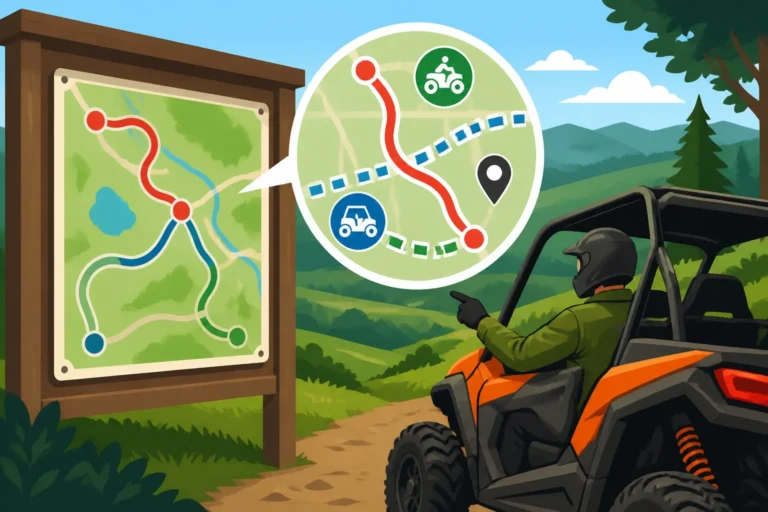
After the Selectboard approves the designation, the town is responsible for formally posting the routes. This usually involves placing specific signage that indicates the road is open to ATVs/UTVs and often includes other regulations like speed limits or curfews. This physical signage is crucial because it provides clear legal notice to both riders and law enforcement. A road isn't truly "open" until it's properly designated and signed according to state and local guidelines.
From Proposal to Posted Route: The Steps Involved
The journey from an idea to a legally rideable road segment is multifaceted. It typically starts with a proposal, often championed by a local VASA club, outlining specific town roads they wish to include in the ATV/UTV network. This proposal includes maps, justifications for why these roads are suitable, and often outlines efforts the club will make to maintain the trails and ensure responsible riding. This initial groundwork is pivotal in giving the Selectboard a clear, actionable plan to consider.
Once the Selectboard reviews the proposal, they enter a period of public discussion, often culminating in the aforementioned public hearing. Assuming the Selectboard then votes to approve the designation of specific roads, the town's clerk will formally record this decision. This official record is critical, as it provides the legal basis for the designation. After the formal designation, the physical posting of signs becomes the next vital step. These signs are not just suggestions; they are legal indicators of where recreational vehicles are permitted. [Routes Posted With Official Signs] helps riders understand what to look for.
The posting of signs must adhere to specific standards, ensuring they are visible, durable, and clearly convey the rules. This might involve signs indicating "ATV Route," "25 MPH Speed Limit," or "No Riding After Dark." These signs define the boundaries of legal riding. Without them, even a designated road isn't truly ready for ATV traffic. Riders should always be on the lookout for these official signs, as they are your primary guide on unfamiliar town roads. The careful execution of these steps transforms a local discussion into a real-world riding opportunity.
Identifying Suitable Roads and Safety Concerns
When towns consider which roads to designate, safety is always a paramount concern. Selectboards and local officials evaluate various factors to determine a road's suitability for shared use with ATVs and UTVs. This includes the road's physical characteristics, such as its width, surface type (dirt, gravel, or paved), and the presence of blind curves or steep grades. They also consider traffic volume; a busy state highway is rarely, if ever, considered, while a quiet Class 3 or 4 dirt road might be ideal. Understanding [Vermont ATV Road Rules: Towns Decide] is key for knowing these nuances.
The proximity of residential homes, schools, and businesses also plays a significant role. Roads running directly through dense residential areas might be less likely to be designated due to noise and dust concerns, especially if there are alternative routes available. Towns also think about connectivity: does designating this road create a logical link in the VASA trail system, or is it a dead end? The goal is to create a coherent network that riders can enjoy, not just isolated segments. SuperATV offers a range of accessories like enhanced mirrors and lighting kits that can improve visibility and safety on designated town roads, helping riders operate their machines more responsibly alongside other traffic.
Ultimately, the decision balances the desire to provide recreational access with the need to ensure public safety and minimize disruption to residents. This often involves trade-offs. A town might open a road but impose strict speed limits or specific hours of operation to mitigate potential issues. Riders, in turn, have a responsibility to adhere to these rules meticulously. Failing to do so not only risks fines but can also jeopardize future designations, as negative incidents quickly fuel arguments against ATV access.
The Importance of VASA and Local Clubs in Designation
Vermont's ATV and UTV trail system, including its designated road connectors, relies heavily on the Vermont ATV Sportsman's Association (VASA) and its network of local clubs. These organizations are not just groups of enthusiasts; they are the backbone of the entire system. They play a critical role in the annual designation process by acting as liaisons between riders, landowners, and town governments. Often, it's a VASA club that identifies potential road links, drafts proposals, and advocates for their designation before the Selectboard.
Local clubs often have the most intimate knowledge of the local terrain, existing private land trails, and community dynamics. They can identify the most logical and least impactful road segments to connect trails, minimizing disruption to residents while maximizing riding opportunities. Their volunteers also frequently engage in trail maintenance, signage placement, and promoting responsible riding within their communities, demonstrating a commitment that helps build trust with town officials and landowners. This proactive engagement makes them invaluable partners in securing and maintaining road access.
Without the tireless work of VASA and its clubs, the process of annual designation would be far more fragmented and difficult. They help standardize proposals, educate riders on regulations, and provide a unified voice for the riding community. Their efforts are crucial in demonstrating to towns that ATV and UTV riders are organized, responsible, and a positive force for local recreation and tourism. Joining your local VASA club is one of the most effective ways to support and influence the future of riding access in Vermont.
Understanding "Lapses": What Happens When Designation Isn't Renewed
This is where the rubber meets the road, or perhaps, where the rubber stops meeting the road. The term "lapses" in this context refers to what happens when a town's Selectboard fails to annually renew the designation of specific roads for ATV and UTV use. It's not necessarily an active decision to close a road, but rather a passive outcome of inaction. And the consequences for riders can be significant, ranging from inconvenience to legal penalties.
It’s easy to assume that once a road is open, it stays open, but that’s not how Vermont’s system works. Each year, usually in the late fall or early winter, towns must go through the process of reaffirming their ATV road designations for the upcoming riding season. If a Selectboard, for whatever reason, does not take this action, those roads revert to their default status: closed to ATVs and UTVs. This can happen due to oversight, a shift in local priorities, or even unresolved community concerns that lead the board to table the discussion indefinitely.
For riders, a lapsed designation can throw a serious wrench into ride plans. Imagine planning a multi-town loop, only to find that a critical connector road in one town is suddenly off-limits because their Selectboard didn't get around to renewing their designation. This is a common frustration, and it underscores the dynamic nature of Vermont's road access landscape. Staying informed is paramount, but it also highlights the fragility of this access if not continuously nurtured by both towns and riders.
The Automatic Closure of Roads
The most direct consequence of a lapsed designation is the automatic closure of those specific roads to ATV and UTV traffic. This isn't a punitive measure; it's simply the default state of affairs under Vermont law. Unless a town's Selectboard explicitly votes to designate a road for ATV use each year, that road is considered closed to these vehicles. This legal nuance is critical for riders to understand, as ignorance of the law is no excuse. If you ride on a road whose designation has lapsed, you are effectively trespassing.
This automatic closure can be particularly frustrating because it's often due to bureaucratic inertia rather than a specific opposition to ATV use. A Selectboard might be preoccupied with other town business, or perhaps there wasn't a strong enough push from local riders or clubs to get the item on the agenda and approved. Regardless of the reason, the outcome is the same: the road is no longer legally accessible for your machine. This makes proactive engagement and regular communication with town officials essential for local riding clubs and VASA. The details are often found in [What Happens If a Board Takes No Action].
For riders, this means constant vigilance. A road you rode last season might not be open this season. This is why checking current trail maps and town websites is so important before heading out. Don't rely solely on memory or old maps. The landscape of legal ATV road access in Vermont is fluid, and keeping up-to-date is your responsibility to ensure you're riding legally and avoiding unnecessary fines or confrontations.
Impact on Trail Connections and Riding Plans
A single lapsed road designation can have a ripple effect, severely impacting entire trail networks and disrupting meticulously planned riding excursions. Imagine a situation where a town road serves as a crucial link between two extensive VASA trail segments. If that road's designation lapses, those two segments effectively become isolated. Riders might no longer be able to complete a planned loop, forcing them to turn back, find a much longer detour, or, worse, attempt to illegally connect via non-designated routes.
This disruption isn't just an inconvenience; it can undermine the very purpose of a interconnected trail system. The beauty of Vermont's riding lies in the ability to explore diverse terrain, often linking several towns and hundreds of miles. A break in this chain due to a lapsed designation can effectively "trap" riders in a smaller area or force them to re-trailer their machines, which defeats the point of a seamless trail experience. It's a significant setback for both local riders and the tourism economy that relies on these routes.
Furthermore, these closures can sometimes catch visitors by surprise, leading to frustration and negative experiences. Someone traveling from out of state, relying on older maps or information, might arrive to find their planned route impossible. This underscores the need for real-time, accurate information from VASA and local clubs about current road statuses. Without consistent annual designations, the perceived reliability and appeal of Vermont as an ATV destination can suffer, impacting local businesses that cater to riders.
Consequences for Riders on Lapsed Routes
Riding on a town road whose ATV designation has lapsed carries real and often unpleasant consequences. First and foremost, you could be cited for illegal operation of an off-road vehicle. This isn't just a slap on the wrist; it can result in significant [Vermont ATV Fines for Road Violations]. These aren't usually small tickets; they can quickly add up, turning an enjoyable day out into an expensive mistake. Law enforcement, whether local police, sheriffs, or game wardens, have the authority to enforce these regulations, and they do.
Beyond the immediate financial penalty, riding on a lapsed route can damage the reputation of the entire ATV riding community. Each instance of illegal riding fuels negative perceptions, making it harder for local clubs and VASA to advocate for future access. When towns observe riders ignoring designated routes, it strengthens arguments against renewing or expanding access, potentially leading to even more closures down the line. It's a situation where the actions of a few can directly impact the privileges of many.
Lastly, there are insurance implications. If you're involved in an accident on a road where ATVs are not legally permitted, your insurance coverage might be jeopardized. Most policies have clauses that relate to legal operation, and riding on a closed road could be considered a violation of those terms. This could leave you personally liable for damages, injuries, or medical expenses, which could be financially devastating. Always verify the legality of your route to protect yourself and preserve riding access for others.
Beyond Annual Designation: Other Ways Access Can Lapse
While the annual Selectboard vote is the most common way road access for ATVs and UTVs can lapse, it's certainly not the only one. There are other critical factors that can lead to roads being closed or access being restricted, many of which stem directly from rider behavior or the delicate balance of private land agreements. Understanding these additional pitfalls is just as important for ensuring sustained riding opportunities in Vermont.
Think of it as a multi-layered system. First, you need the town's formal designation. But even with that, if riders disregard local ordinances, if landowners withdraw crucial permissions, or if individual behavior sours public opinion, access can still be lost. These less obvious "lapses" are often more insidious, eroding goodwill and making it increasingly difficult for advocates to maintain or expand the trail network. It's a constant reminder that the privilege of riding on Vermont's roads and trails comes with significant responsibilities.
This means that every rider, on every ride, carries the collective reputation of the ATV/UTV community. A single instance of excessive noise, littering, or disrespect can have far-reaching consequences, influencing town votes and landowner decisions for years to come. It’s a powerful incentive for every rider to operate their machine legally, ethically, and with utmost consideration for others and the environment.
Ordinance Violations and Town Revocation
Towns that do designate roads for ATV and UTV use almost always accompany that designation with a set of specific ordinances. These rules cover everything from speed limits and noise restrictions to operating hours and required equipment. Examples include [Brighton's ATV Ordinance Explained in Vermont] or [Newport City's ATV Routes in Vermont]. These aren't just suggestions; they are legally binding rules designed to integrate ATV traffic smoothly and safely into the community, mitigating concerns from residents.
If riders consistently violate these ordinances, towns have every right to reconsider their designations, and they often do. Repeated complaints about excessive noise, riding outside of designated hours, or speeding through residential areas can quickly erode the goodwill that led to the designation in the first place. When a Selectboard receives a barrage of complaints, they are more likely to let the designation lapse or even actively revoke it mid-season. This is a direct consequence of irresponsible riding behavior.
It's a clear case of "use it or lose it." Towns grant access based on the expectation that riders will be respectful and compliant. When that trust is broken, the privilege can be withdrawn. Therefore, every rider has a vested interest in adhering not just to state laws but also to the specific town ordinances that apply to the routes they are using. This collective responsibility is crucial for safeguarding current and future riding access.
Landowner Withdrawal of Permission
Even when a town road is officially designated for ATV and UTV use, much of Vermont's broader trail system relies on the generosity of private landowners. Many VASA trails traverse private property with the express permission of the landowner. These permissions are often granted on a handshake and are contingent on riders respecting the land, staying on marked trails, and causing no disturbance. This is why [Vermont Landowner Permission Rules] are so important.
If landowners experience problems—such as littering, damage to crops or fences, riding off-trail, or harassment of livestock—they can, and often will, withdraw their permission. This can lead to entire sections of trail being closed, even if the connecting town roads are still designated. A single problematic incident can cause a landowner to close off their property permanently, creating a "missing link" in the trail system that might be impossible to replace. This can be particularly frustrating when the town road designation is still active, but the connecting trails are gone.
The principle of [Why a Landowner Can Close a Trail Overnight] is a stark reminder of the fragility of trail access. These are not public lands in the same way federal or state parks might be; they are private properties shared through goodwill. Riders must always remember they are guests on these lands, and treating them with respect is paramount to maintaining the vast majority of Vermont's trail network. Losing landowner access is a lapse that can be far more difficult to rectify than a missed town vote.
Individual Rider Responsibility and Its Broader Impact
Every single time an ATV or UTV rider heads out onto a designated town road or VASA trail, their actions contribute to the overall perception of the riding community. This individual responsibility has a far broader impact than many might realize. A lapse in judgment by one rider—whether it's excessive speed, loud exhaust, or ignoring trail etiquette—can quickly erode the trust built over years by dedicated clubs and respectful riders. It's not just about getting a ticket; it's about safeguarding the future of the sport.
Consider the ongoing debate around [Vermont Muffler and Noise Rules]. While some aftermarket parts might boost performance, if they push a machine beyond legal noise limits, they become a source of contention for residents. Loud machines passing by homes repeatedly can lead to complaints, which in turn put pressure on Selectboards to reconsider ATV access. Similarly, leaving trash on a trail, rutting up wet sections, or riding through someone's lawn because it looks like a shortcut are all examples of individual failures that can lead to collective losses.
Ultimately, the long-term viability of ATV and UTV access in Vermont hinges on the collective responsible behavior of its riders. When individual riders consistently demonstrate respect for the land, laws, and local communities, it reinforces the positive image of the sport and strengthens the case for continued access. Conversely, a pervasive disregard for these responsibilities will inevitably lead to more stringent regulations, more lapsed designations, and a shrinking network of rideable trails and roads.
Navigating Vermont's Dynamic Road Access Landscape
Riding an ATV or UTV in Vermont offers an incredible sense of freedom and adventure, but it's a privilege that requires active engagement and awareness from every rider. The dynamic nature of town road designations, coupled with the reliance on private land permissions, means that the legal places to ride can shift from season to season, or even within a season. Navigating this ever-changing landscape effectively is key to a rewarding and legal riding experience.
It’s not enough to simply register your machine and buy a [Vermont TAD: The Trail Access Decal Explained]. You also need to know where you can legally use it. This involves proactive steps to stay informed, participate in local processes, and generally contribute positively to the riding community. Think of it as being a good steward of the trails and roads, rather than just a consumer of them. This mindset helps ensure that the fun you have today is available for future generations of riders tomorrow.
This constant need for vigilance and engagement might seem like a burden, but it's also an opportunity. By staying informed and involved, riders can directly influence decisions that affect their passion. It empowers you to be part of the solution, helping to preserve and potentially expand the routes you love to explore. And remember, accessories from companies like SuperATV, while not solving legal access issues, can certainly help ensure your machine is well-equipped for safe and compliant riding on designated roads and trails.
Staying Informed: How Riders Can Track Road Status
Given the annual nature of town road designations, staying informed about current road statuses is arguably the single most important action a rider can take. Relying on outdated maps or word-of-mouth is a recipe for frustration, fines, or both. Fortunately, there are several reliable sources for up-to-date information. The first stop should always be the VASA website, which often provides overall trail maps and links to individual club maps, which should reflect current road designations.
Beyond VASA, local club websites and social media pages are invaluable. These clubs are on the ground, often working directly with town officials, and are usually the first to know about changes to road access. Many clubs also maintain their own detailed maps, sometimes with real-time updates on closures or detours. Furthermore, checking individual town websites for Selectboard meeting minutes or posted ordinances can provide official confirmation of designated routes. Looking at [Reading Your Town's Posted Route Map] can also be a good way to double-check your routes.
Before any significant ride, especially one that spans multiple towns or involves unfamiliar routes, take the time to cross-reference your planned itinerary with the most current information available. Don't be afraid to contact a local VASA club directly if you have questions about a specific road or trail segment. A few minutes of research before you leave can save you hours of frustration and potential legal trouble on the trail.
Advocacy and Participation in the Local Process
While checking maps and websites is crucial, active participation in the local process is how riders truly secure and expand access. Attending those public hearings and Selectboard meetings isn't just for town residents; it's for anyone who cares about ATV and UTV access. By showing up, respectfully sharing your perspective, and demonstrating your commitment to responsible riding, you can significantly influence local decisions. Your voice, combined with others, carries weight with elected officials.
Joining a local VASA club is perhaps the most effective way to engage in advocacy. These clubs are the organized voice of the riding community, working directly with towns and landowners. As a member, you contribute to their efforts in maintaining trails, promoting safety, and advocating for continued access. Club meetings are often where critical decisions about proposed routes and outreach efforts are discussed, giving you a direct channel to shape the future of riding.
Beyond formal meetings, simply being a good neighbor and responsible rider can be a powerful form of advocacy. Pick up any litter you see, adhere to speed limits, keep noise down, and always respect private property. These actions build positive relationships within the community and demonstrate that riders are responsible and considerate. This goodwill is an invaluable asset when towns are deciding on their annual designations.
The Future of ATV Road Access in Vermont
The future of ATV and UTV road access in Vermont is a topic of ongoing discussion and evolution. As more people discover the joys of off-road riding, the pressure on existing trails and connecting roads will continue to grow. This means that the delicate balance between recreational opportunity, environmental preservation, and community peace will constantly need to be re-evaluated. The annual designation process will remain a critical tool in managing this balance, ensuring towns retain local control over their unique environments.
Technology will also play a role. Advances in GPS mapping, app-based trail information, and communication tools can help riders stay better informed and enhance safety. Companies like SuperATV continue to develop accessories that improve machine performance, safety, and compliance, such as durable lighting systems for improved visibility on roads or sturdy brush guards for trail protection, which supports responsible riding across diverse terrains. These innovations, combined with responsible riding practices, will be crucial in demonstrating the positive aspects of the sport.
Ultimately, the future largely rests on the collective actions of riders. By embracing responsible riding, actively participating in local advocacy efforts, and respecting the nuanced system of town designations and landowner permissions, the ATV and UTV community can ensure that Vermont remains a premier destination for off-road adventure. Ignoring these responsibilities, however, could lead to a future where more and more roads lapse, and riding opportunities become increasingly scarce.
Disclaimer
This article is for general informational purposes only and does not constitute professional advice. Laws, prices and regulations vary by location and change over time. Consult a qualified professional for guidance on your specific situation.