Vermont Headlight and Tail Light Rules
It's incredibly frustrating when you're trying to do the right thing and stay legal on Vermont's roads and trails, but the rules around something as seemingly simple as headlights and tail lights can feel like a tangled mess. You just want to know what's required so you can ride safely and avoid a ticket, right? This guide is here to untangle all that confusion, breaking down Vermont's specific requirements for your ATV or UTV's lighting, so you can ride with confidence, day or night.
Why Proper Lighting Isn't Just a Suggestion – It's Essential
Before we dive into the nitty-gritty of lumens and lenses, let's talk about why lights aren't just an accessory; they're absolutely fundamental to safe and legal riding, especially when your machine leaves the private trails and touches down on public roads. Ignoring lighting regulations isn't just about risking a fine; it's about putting yourself and others in genuine danger.
The Critical Role of Visibility for Riders
Picture this: you're cruising along a dirt road in the fading light of a Vermont autumn evening. The leaves are beautiful, but the shadows are long, and a deer could dart out at any moment. Your headlights aren't just for you to see the path ahead; they're also for that oncoming car or the farmer pulling out of their driveway to see you. ATVs and UTVs, by their nature, are smaller and often less conspicuous than traditional vehicles. This makes effective lighting paramount. Without proper illumination, you blend into the background, becoming a potential hazard. It's a real concern, and something every rider, new or experienced, needs to take seriously. The state's requirements are designed with this fundamental safety principle in mind.
Navigating Vermont's Legal Landscape After Dark
Now, beyond the safety aspect, there's the cold hard truth of the law. Vermont has specific statutes that govern what kind of lights your ATV or UTV must have, and when they need to be operational. This isn't just for riding at night; sometimes, even during the day, visibility can be low enough (think heavy fog or a sudden downpour) that lights become legally required. Get caught without the right lights, or with lights that aren't working, and you're not just looking at a stern talking-to; you could be facing a ticket. And nobody wants their scenic ride through the [Northeast Kingdom ATV Riding in Vermont] interrupted by a conversation with a warden about a burnt-out bulb. Staying informed about [Vermont ATV Road Rules: Towns Decide] is your first line of defense against these kinds of hassles.
Decoding Vermont's Headlight Requirements
When it comes to headlights, Vermont isn't trying to make things overly complicated, but there are definite standards you need to meet. It's not just about having a light; it's about having the right kind of light in the right place at the right time.
The "White Light to the Front" Standard
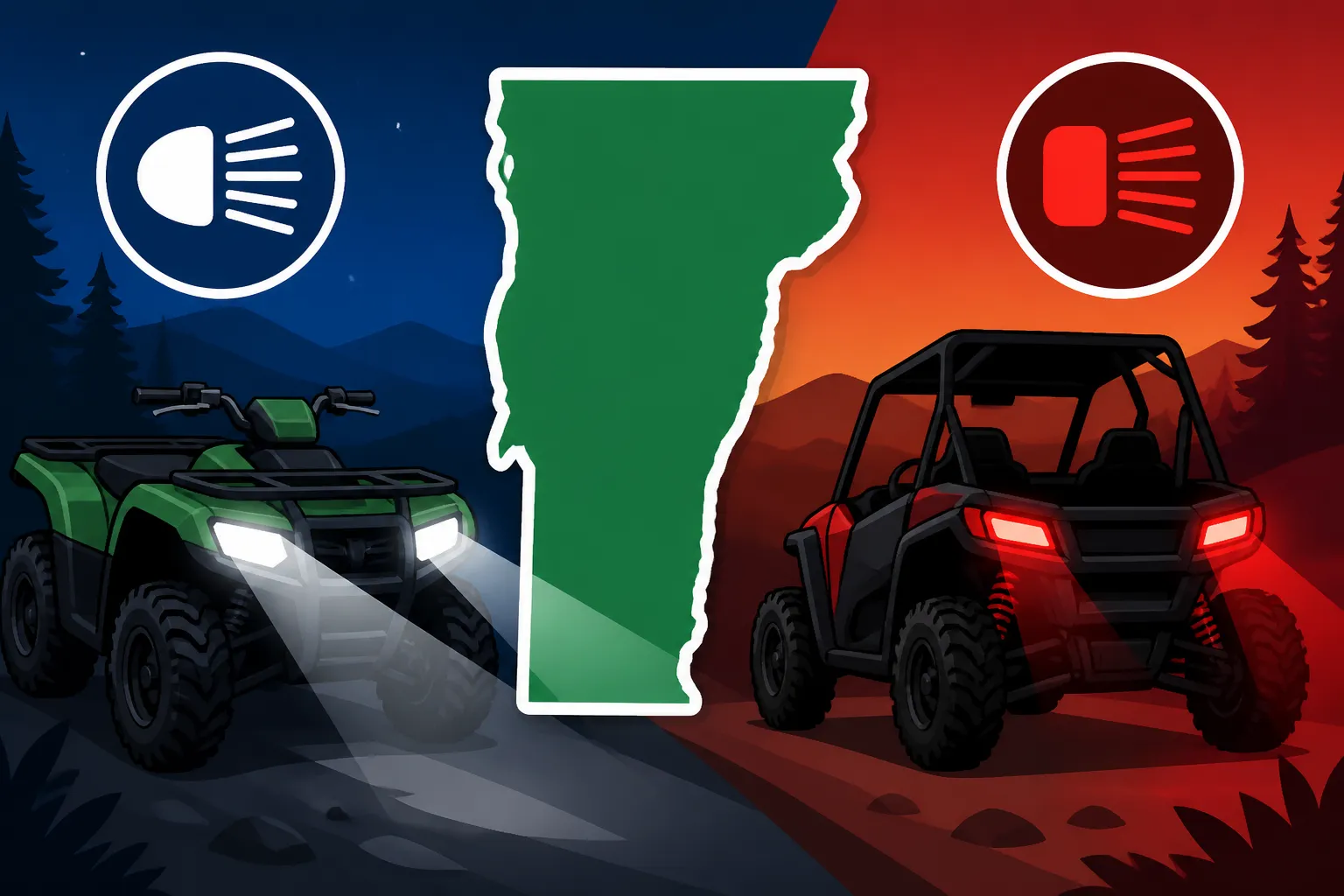
Vermont law is pretty clear on the color and direction of your forward-facing illumination: you must display at least one white headlight to the front. "White" is the key here; you can't have blue, green, or red lights facing forward. The purpose is unambiguous: to clearly identify your machine as an oncoming vehicle to others and to illuminate the path for you. This headlight needs to be visible for a certain distance, typically at least 200 feet, which gives others ample warning of your approach and provides you with enough reaction time for obstacles. Many newer machines come equipped with very bright LED headlights, which is a huge plus for visibility and safety. However, if you're rocking an older quad, or if your stock lights just aren't cutting it, you might want to consider an upgrade. Companies like SuperATV offer a range of auxiliary LED light bars and pods that can dramatically improve your forward visibility, far exceeding the minimum legal requirements and making those twilight rides much safer.
When Headlights Must Be Operational
This is where many riders get tripped up. It's not just "after dark." In Vermont, your headlights are required any time from 30 minutes after sunset to 30 minutes before sunrise. But here's the catch: they're also required any time visibility is less than 500 feet. Think about those classic Vermont conditions – dense fog rolling in off the mountains, a heavy rainstorm that turns the brightest day into a gloomy dusk, or even just the low light levels of a heavily wooded section of trail or road. If you can't see 500 feet clearly, your headlights need to be on. It's a proactive safety measure designed to ensure you're always seen, even when Mother Nature is doing her best to hide you. This also ties into [Vermont Lights Required After Dark], ensuring a consistent standard across the state. Always err on the side of caution; if in doubt, turn 'em on!
Understanding Vermont's Tail Light Mandates
Just as important as seeing where you're going is being seen from where you've been. Tail lights are your primary way of communicating your presence and position to riders and drivers behind you.
Red to the Rear: The Universal Rule
Similar to headlights, Vermont law specifies the color and direction for your rear illumination. You must display at least one red tail light to the rear. Again, "red" is non-negotiable for tail lights. This red light must be visible from a distance of at least 200 feet. This isn't just about being noticed; it’s about providing clear identification that you are an ATV or UTV moving forward, allowing following vehicles to judge their distance and approach safely. Many modern machines come with integrated LED tail lights that are incredibly bright and durable. If you're custom-building or upgrading, ensure any aftermarket tail light array adheres to this red-to-the-rear rule and is robust enough to handle the mud, dust, and vibrations of Vermont riding.
Brake Lights and Reflectors: Added Layers of Safety
While the primary tail light signals your presence, brake lights add a crucial layer of communication: you're slowing down or stopping. Vermont law typically requires that a brake light, displaying a brighter red light, illuminate when the brakes are applied. This is often integrated into your main tail light assembly. Think about a sudden stop on a dusty Class 4 road; that bright brake light gives the rider behind you precious seconds to react.
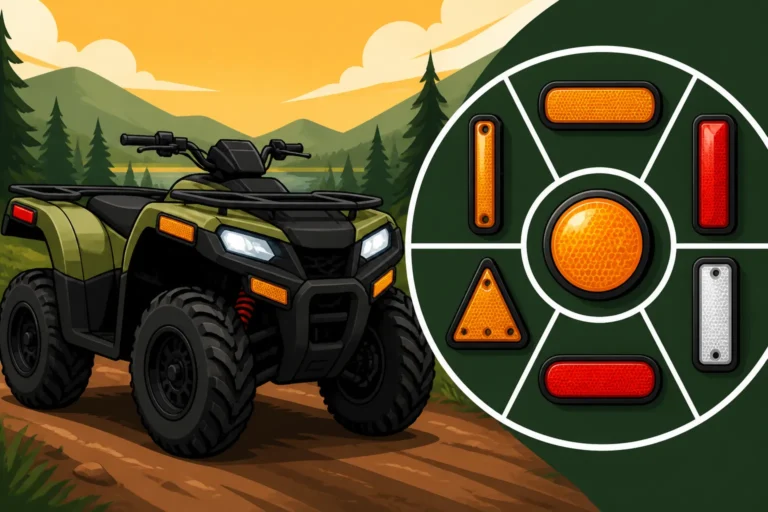
Beyond active lights, reflectors also play a passive, yet vital, role. Your ATV or UTV should be equipped with red reflectors to the rear, which catch light from other vehicles even if your electrical system fails. Some machines also have amber reflectors on the sides, which help define the vehicle's width. These seemingly small details contribute significantly to your overall visibility, especially in low-light conditions or if your primary lights are obscured by mud, which let's be honest, happens pretty often around here! Ensuring your machine has all the [Vermont ATV Equipment Requirements] helps you stay compliant and safe.
Here's a quick comparison of essential lighting components:
| Lighting Type | Color | Direction | Minimum Requirement (Vermont) | Best Practice / Upgrade Considerations |
|---|---|---|---|---|
| Headlights | White | Front | 1, visible 200 ft | Dual LED headlights, wider beam pattern, auxiliary LED light bar (e.g., from SuperATV for extreme visibility) |
| Tail Lights | Red | Rear | 1, visible 200 ft | Dual LED tail lights, brighter output, integrated brake lights, sequential turn signals (if permitted) |
| Brake Lights | Brighter Red | Rear | Activates on braking | Clear, instant activation; highly visible, even in bright sunlight |
| Reflectors | Red | Rear | At least 1 rear | Multiple rear reflectors, side-mounted amber reflectors, reflective tape on machine for added passive visibility |
| Turn Signals | Amber | Front/Rear | Required for road use where permitted | LED turn signals, robust housing, audible clickers |
Practical Considerations for Keeping Your Lights Legal and Effective
It's one thing to know the rules, and another to live by them on a regular basis. Vermont's terrain and weather can be tough on equipment, and your lighting system is no exception. A little proactive maintenance and smart planning can save you a lot of grief.
Maintaining Your Lighting System
Mud, water, vibrations – these are the enemies of electrical systems and light housings. After a particularly muddy ride through the [Vermont Trails in Essex County], you might find your lights caked over, drastically reducing their effectiveness. Regularly cleaning your lenses is a must. Check bulbs periodically, even if they seem fine; a flickering light is a sign of trouble. Inspect wiring for frays or loose connections, especially after a rough ride that might have jostled things around. It's a good habit to do a quick walk-around before every ride, just like you would with your truck, to ensure all your lights are functional. A blown fuse or a corroded connection can suddenly put you out of compliance and in a potentially dangerous situation. Companies like SuperATV also offer wiring harnesses and sealed connections for their lighting products, which are designed to withstand the harsh conditions riders often face.
Aftermarket Lights and Legal Limits
So, you've decided to upgrade beyond the stock setup. Awesome! Brighter lights generally mean better safety. However, there are a few things to keep in mind. While you might want to light up the whole forest, extremely powerful off-road light bars are often too bright for public roads and need to be covered or switched off when encountering other traffic. Blinding an oncoming driver is just as dangerous, if not more so, than not being seen at all. Vermont law, like many states, aims for a balance. Ensure your primary headlights meet the legal requirements for height and aim, and if you have auxiliary lights, understand when they can and cannot be used. Always confirm what [Vermont Plate Visibility on the Road] implies for your machine's overall presentation, including its lights.
Many riders opt for LED light bars for their fantastic output and low power draw. These are great for trail riding, especially at night. Just be sure you have a separate switch for them and know when to turn them off on shared routes. Some riders even go a step further, installing [Reflectors Worth Adding to a Vermont ATV] to maximize their passive visibility from all angles.
Ensuring Compliance and Avoiding Hassles
Nobody wants to deal with a roadside stop, especially when you're out enjoying the beautiful Vermont scenery. Knowing your stuff and making sure your machine is always compliant means more time riding and less time explaining.
Performing a Pre-Ride Inspection Checklist
Before you head out, especially if you plan on riding on designated town roads or anywhere near dusk, sunrise, or low visibility, run through a quick lighting checklist. It only takes a minute and can save you a lot of trouble.
- Headlights: Are they clean? Are both (if you have two) working? Are they aimed reasonably well?
- Tail Lights: Is the red light glowing brightly?
- Brake Lights: Do they illuminate when you squeeze the lever or press the pedal?
- Reflectors: Are they clean and intact?
- Turn Signals (if installed/required): Do they flash correctly, front and rear?
This simple routine can prevent a "whoops, I didn't realize that was out" moment. It's just smart riding. You'll find similar common sense advice in topics like [What a Warden Can Ask to See] if you ever encounter law enforcement on the trails or roads.
Understanding Penalties for Non-Compliance
Let's be blunt: riding around with non-functional or non-compliant lights isn't just a minor oversight in Vermont. It can lead to penalties. The exact fine can vary depending on the specific violation and whether it's a first offense, but generally, it's not going to be a fun expense. More importantly, if you're involved in an incident or accident, and your lighting was found to be non-compliant, it could complicate things significantly with insurance or liability claims. This is why paying attention to details like [Vermont Headlight and Tail Light Rules] is so important. It's not just about avoiding a ticket; it's about responsible riding and protecting yourself legally and financially. Don't forget that [Vermont ATV Insurance Requirements] also play a big role in your overall protection while riding.
In conclusion, the rules around headlights and tail lights for ATVs and UTVs in Vermont are designed with your safety and the safety of others in mind. By understanding the "white to the front, red to the rear" principle, knowing when your lights must be on, and performing regular maintenance, you can ensure your machine is always trail and road-ready. Safe riding out there!
Disclaimer
This article is for general informational purposes only and does not constitute professional advice. Laws, prices and regulations vary by location and change over time. Consult a qualified professional for guidance on your specific situation.