Vermont’s $25,000 Bodily Injury Minimum
Navigating the maze of ATV regulations in Vermont can feel like trying to find your way through a dense forest without a map, especially when it comes to insurance. Many riders worry about whether their coverage is truly enough if an accident happens on a town road or a designated trail. It's a valid concern, as the financial aftermath of an incident can be devastating. This guide will shine a light on Vermont's mandatory minimum for bodily injury liability for ATVs, breaking down what that $25,000 figure truly means for you and your riding adventures, and why simply meeting the minimum might not be enough to protect your financial future.
Understanding Vermont's ATV Insurance Mandate
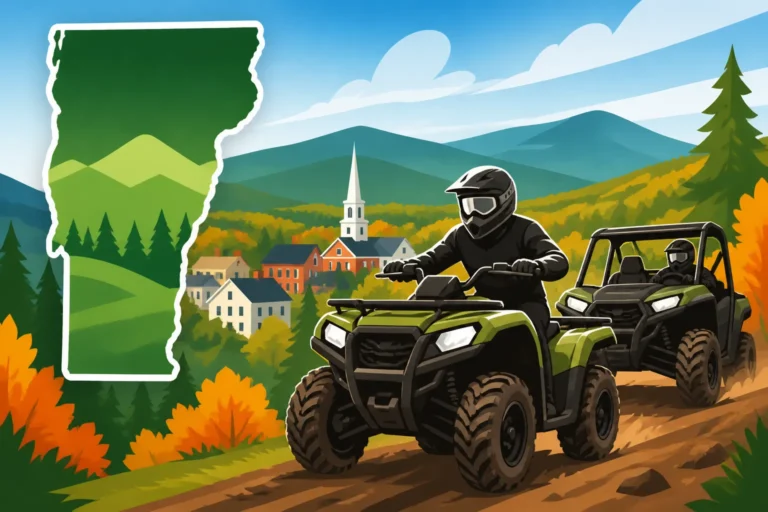
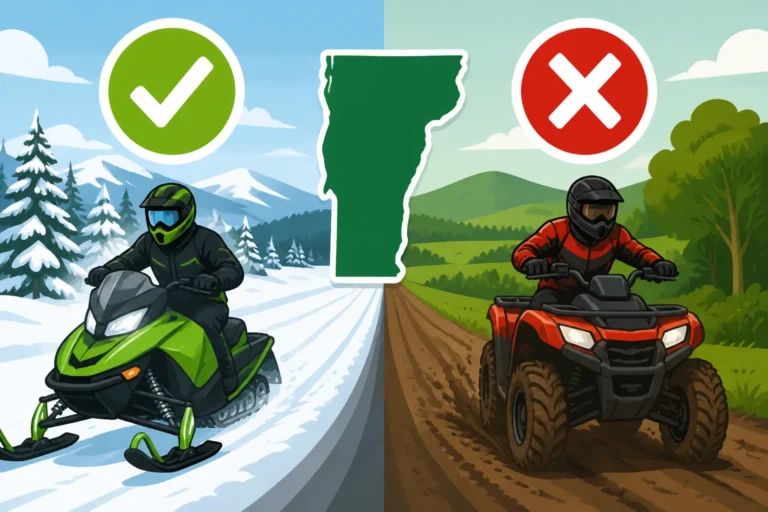
In the Green Mountain State, the freedom of ATV riding comes with a responsibility to ensure safety and financial accountability. It's not just about hitting the trails; it's about being prepared for the unexpected, especially when your machine ventures onto public roads or designated town routes. Vermont's regulations are clear that if you're operating an ATV on any public highway, a designated public trail that crosses a public highway, or any road open to public travel, you need to be insured. This isn't a suggestion; it's a critical legal requirement designed to protect everyone.
Why Insurance is Required for Road Use
Think about it: when you drive your car on the road, you absolutely need insurance. The same principle applies to ATVs in Vermont when they share those same public spaces, even if it's just for a short stretch between trails. Town roads, even quiet dirt ones, are public highways under the law, and that means certain rules kick in. Vermont aims to minimize the financial burden on individuals and the state in the event of an accident. If an ATV rider causes an accident that injures someone or damages property, there needs to be a mechanism in place to cover those costs. Without insurance, those expenses could fall directly on the rider, leading to significant financial hardship for everyone involved. This is precisely why regulations like [Vermont ATV Road Rules: Towns Decide] are in place, dictating where and how ATVs can operate on public ways.
What the Law Actually Says
The letter of the law explicitly states that any person operating an all-terrain vehicle on a public highway or a designated trail where it crosses a public highway must have liability insurance. This isn't some obscure clause; it's fundamental to responsible riding in Vermont. The minimum coverage stipulated includes both bodily injury and property damage. Specifically, you need at least $25,000 for bodily injury to one person, $50,000 for bodily injury for two or more persons in a single accident, and $10,000 for property damage. These numbers are the absolute floor, the bare minimum that allows you to legally operate your ATV on these regulated paths. It’s important to carry proof of this insurance with you whenever you ride, as law enforcement, including game wardens, can ask to see it. [Vermont ATV Insurance Requirements] delve deeper into these crucial mandates.
Breaking Down the $25,000 Bodily Injury Minimum
That $25,000 figure often sounds substantial on its own, but in the context of modern medical costs and potential legal fees, it can vanish surprisingly quickly. Understanding what this minimum actually covers – and what it doesn't – is crucial for any rider hitting the Vermont trails and roads. It's not a lump sum for any injury; it's specifically allocated, and the limitations can be a real wake-up call.
Per Person, Per Accident
When the law states $25,000 for bodily injury to one person, it means exactly that. If you are involved in an accident and another person is injured, your insurance policy will pay up to $25,000 towards their medical bills, lost wages, and pain and suffering. If two people are injured in the same incident, the total amount your policy will pay for their combined bodily injuries is capped at $50,000, with no more than $25,000 going to any single individual. This is what's known as a "split limit" policy, often seen as 25/50/10 (bodily injury per person / bodily injury per accident / property damage). This distinction is vital because if a single person's injuries exceed $25,000, or if multiple people's combined injuries exceed $50,000, you are personally on the hook for the difference. For more on multiple injury scenarios, check out [Vermont's $50,000 Two-Person Minimum].
What "Bodily Injury" Covers
The "bodily injury" component of your liability insurance is designed to cover the costs associated with physical harm to another person due to an accident where you are at fault. This can include a wide range of expenses:
- Medical Expenses: Everything from emergency room visits, ambulance rides, hospital stays, surgeries, prescription medications, and follow-up doctor appointments.
- Rehabilitation Costs: Physical therapy, occupational therapy, and other recovery services to help the injured party regain function.
- Lost Wages: If the injured person cannot work due to their injuries, this coverage can compensate them for the income they miss.
- Pain and Suffering: This is a non-economic damage that compensates the injured party for the physical pain and emotional distress they endure.
- Legal Fees: If the injured party decides to sue you, this coverage can help with your legal defense costs, up to your policy limits.
It’s important to remember that this coverage is for the other party's injuries. It does not cover your own medical bills if you are injured in the accident, nor does it cover damage to your ATV.
The "Single Limit" vs. "Split Limit" Conundrum
While Vermont's minimums are typically expressed in split limits ($25,000 per person / $50,000 per accident for bodily injury, plus $10,000 for property damage), some insurance policies might offer a "single limit" option. A single limit policy provides one overall maximum amount for all bodily injuries and property damage resulting from one accident, regardless of how many people are hurt or how much property is damaged. For example, a $100,000 single limit policy would pay up to $100,000 total for all combined damages. While this can offer more flexibility in how the funds are allocated, it's generally a higher coverage amount than the minimum. Most basic policies, especially those just meeting the state requirement, will operate on the split-limit structure. It’s crucial to understand which type of policy you have and how it will respond in a real-world scenario.
Why Minimum Coverage Might Not Be Enough
The cold, hard truth is that Vermont's minimum liability coverage, while legally compliant, often falls woefully short of real-world costs. In an era where medical expenses can skyrocket and legal battles can drag on, banking on just the minimum can be a perilous gamble with your financial future. Many experienced riders in Vermont will tell you that the minimum is simply not enough to truly protect you.
The Shocking Cost of Medical Care
Imagine this scenario: you're riding on a designated town road in Brighton, enjoying the autumn foliage, and an unexpected turn leads to a minor collision with another machine, or perhaps you lose control and strike a pedestrian. The other rider or pedestrian suffers a broken leg, requiring an ambulance ride, emergency surgery, a hospital stay of a few days, and weeks of physical therapy. It sounds like a common injury, right? But the costs can be staggering. An ambulance ride can easily run into the thousands. A complex fracture surgery might be tens of thousands. Add in hospital fees, medication, follow-up appointments, and rehabilitation, and that $25,000 per person limit could be exhausted before the injured party even leaves the hospital. A more severe injury, like a head trauma or spinal injury, could lead to bills in the hundreds of thousands, quickly making your $25,000 coverage feel like a drop in the bucket.
Long-Term Consequences and Lost Income
Beyond immediate medical bills, an accident can have devastating long-term consequences. What if the injured party is a self-employed carpenter, and their injury prevents them from working for six months? Or a school teacher who needs specialized care for a year? The loss of income alone can easily exceed your policy's limits. Furthermore, severe injuries might lead to permanent disability, requiring ongoing medical care, home modifications, or vocational retraining. These lifelong costs can amount to millions of dollars. Your liability insurance is meant to cover these future expenses as well. When your $25,000 or $50,000 limits are hit, your personal assets become fair game for the remainder of these potentially astronomical costs. It's a stark reminder that an ATV accident isn't just a bump in the road; it can be a life-altering event for all involved. [Vermont ATV Accident Reporting] highlights the process when such incidents occur.
Your Personal Assets at Risk
This is where the rubber meets the road, quite literally. If the damages resulting from an accident exceed your insurance policy's limits, the injured party or their insurance company can come after your personal assets to recover the difference. This means your savings account, your home equity, your future wages, and other valuable possessions could be at risk. A lawsuit could put a lien on your property or garnish your wages for years. For many riders, their ATV is a source of enjoyment, but the thought of losing their home or financial stability over an accident can be terrifying. It emphasizes why adequate insurance isn't just a legal checkbox but a crucial shield for your financial well-being. Thinking about the potential risks might even make you consider robust protection for your machine itself; parts from SuperATV, like heavy-duty bumpers or rock sliders, can offer an additional layer of physical defense, helping to mitigate some impact forces in a minor incident.
The Real-World Impact of an ATV Accident
An ATV accident, particularly one involving other people or significant property damage, creates a ripple effect far beyond the immediate moment of impact. It's not just about the bent metal or the broken bones; it's about the emotional toll, the legal quagmire, and the lasting changes to everyone's lives. Having adequate insurance can't erase these difficulties, but it can certainly alleviate the crushing financial pressure that often accompanies them.
Navigating the Aftermath
Picture this: you've been involved in an accident near Newport, emergency services have responded, and now the initial chaos subsides. What follows is a deluge of paperwork, phone calls, and official procedures. You'll be dealing with police reports, insurance adjusters, potential legal representatives, and medical professionals. There are statements to give, forms to fill out, and timelines to adhere to. This administrative burden alone can be overwhelming, taking up countless hours of your time and causing immense stress. If your insurance coverage is minimal, the additional worry about covering costs out-of-pocket only amplifies this anxiety. Having a robust policy means your insurer's legal team and adjusters can handle much of this, guiding you through the labyrinthine process and protecting your interests.
The Emotional Toll on Everyone Involved
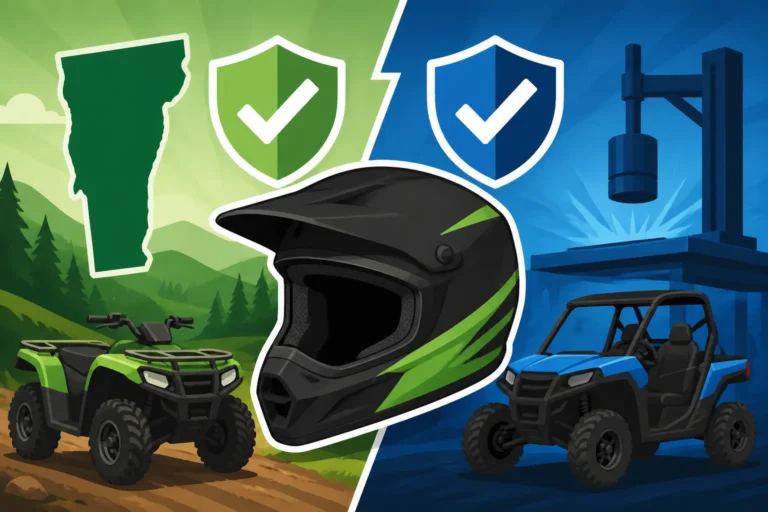
Beyond the financial and logistical headaches, an ATV accident carries a heavy emotional weight. The injured party may experience physical pain, trauma, and a long road to recovery, impacting their quality of life, their family, and their ability to participate in daily activities. For you, the rider, even if the accident was unintentional, the guilt, stress, and fear of consequences can be profound. It can lead to anxiety, difficulty sleeping, and a reluctance to ride again. The emotional toll extends to your family, who might worry about your financial exposure and well-being. Adequate insurance, while not a cure for emotional distress, can remove a significant portion of the financial stress, allowing everyone to focus on healing and moving forward without the added burden of bankruptcy looming. [Vermont ATV Helmet Law for Every Rider] is a key part of protecting yourself from serious injury, but financial protection is equally important.
Legal Ramifications Beyond Financials
If an accident results in serious injury or death, the legal ramifications can extend far beyond simply paying for damages. You could face a personal injury lawsuit, which can be a lengthy, public, and emotionally draining process. While your insurance company would typically provide a legal defense up to your policy limits, if those limits are insufficient, you could find yourself needing to hire your own legal counsel or facing a judgment against you that you're personally responsible for. There could even be criminal charges if negligence or reckless operation is found to be a factor, though this is less common for simple accidents. The peace of mind that comes from knowing you have sufficient coverage to handle potential legal battles, without putting your entire life savings on the line, is truly invaluable.
Boosting Your Protection Beyond the Minimum
If the thought of an accident costing you more than your minimum coverage leaves you with a knot in your stomach, you're not alone. Many responsible ATV riders in Vermont choose to carry more than the bare minimum. It's a smart decision, akin to wearing protective gear like a helmet and sturdy boots – it's an investment in your safety and financial security.
Increasing Liability Limits
The most straightforward way to boost your protection is to simply increase your liability limits. Instead of 25/50/10, you might opt for 50/100/25, 100/300/50, or even higher, depending on what your insurer offers and what you feel comfortable with. The cost difference between minimum coverage and significantly higher limits is often surprisingly small, especially when you consider the immense peace of mind it provides. For a relatively minor increase in your annual premium, you can drastically reduce your personal financial exposure in the event of a serious accident. Talk to your insurance agent about the various options available and what they recommend based on your assets and riding habits.
Adding Medical Payments Coverage
Remember how the bodily injury liability only covers the other party's injuries? Medical payments (MedPay) coverage is designed to help cover your own medical expenses if you're injured in an ATV accident, regardless of who was at fault. This can be incredibly valuable, as personal health insurance might not always cover injuries sustained on an ATV, or you might have high deductibles or co-pays. MedPay typically has lower limits than full health insurance, perhaps $5,000 or $10,000, but it can provide crucial immediate funds for ambulance rides, emergency room visits, and initial medical care, acting as an excellent supplement to your primary health insurance.
Exploring Uninsured/Underinsured Motorist Coverage
This type of coverage protects you if you're involved in an accident with another rider who either has no insurance (uninsured) or not enough insurance to cover your damages (underinsured). While it's illegal to ride on public roads without insurance in Vermont, it unfortunately still happens. If an uninsured rider hits you and you're injured, your uninsured motorist bodily injury coverage would step in to cover your medical bills and other damages up to your policy limits. It’s a vital safety net for situations where the other party fails to meet their financial responsibilities.
Property Damage Liability
While the focus here is on bodily injury, it's worth reiterating the property damage component. Vermont requires a minimum of $10,000 for property damage liability. This covers damage you cause to another person's property, such as their vehicle, fence, or even another ATV. Just like bodily injury, $10,000 can be quickly exceeded if you damage an expensive vehicle or structure. It's wise to consider increasing this limit alongside your bodily injury limits for comprehensive protection. More details on this can be found in [Vermont's $10,000 Property Damage Minimum].
Consider a Canopy or Roll Cage for Added Safety
While insurance primarily addresses financial risks, physical protection is equally critical. Investing in high-quality accessories that enhance the safety and structural integrity of your ATV or UTV can play a significant role in reducing injury severity in an unfortunate event. Products from SuperATV, for instance, offer robust roll cages, sturdy roofs, and full windshields designed to provide additional protection for occupants. These additions can literally be life-savers, helping to prevent catastrophic injuries during a rollover or collision. A safer machine, equipped with strong protective components, not only provides peace of mind but can also potentially reduce the extent of injuries and, consequently, the claim amounts in an accident scenario.
Choosing the Right ATV Insurance Provider
Finding the right ATV insurance isn't just about picking the cheapest option; it's about finding a policy that provides genuine protection, a reputable provider who will be there when you need them most, and a policy that truly fits your riding style and needs in Vermont. Don't let the paperwork intimidate you; taking the time to understand your options is an investment in your future.
Comparing Quotes and Policy Details
This is perhaps the most crucial step. Don't settle for the first quote you receive. Reach out to multiple insurance providers – both large national companies and smaller, regional ones that specialize in off-road vehicles. Get detailed quotes that clearly outline the bodily injury, property damage, medical payments, and uninsured motorist coverages. Compare not just the prices, but also the policy terms, deductibles, and any exclusions. Some policies might exclude certain types of riding, like racing, or limit coverage on specific trails. Ask questions and make sure you understand every aspect of what you're buying. [Vermont ATV Insurance Cost] can vary widely, making comparison shopping essential.
Understanding Deductibles and Exclusions
A deductible is the amount you have to pay out of pocket before your insurance coverage kicks in for certain types of claims (like comprehensive or collision, if you choose to add them to your policy). A higher deductible usually means a lower premium, but it also means a higher immediate cost to you after an incident. Exclusions are conditions or situations that your policy will not cover. For example, some policies might exclude damage from modifications you've made to your ATV, or may not cover theft if certain security measures weren't in place. Always read the fine print and clarify any ambiguities with your agent.
The Importance of a Reputable Insurer
When an accident happens, you want an insurance company that is responsive, fair, and efficient in handling claims. Research reviews, ask for recommendations from other ATV riders, and check the financial ratings of potential insurers. A company with a strong track record of good customer service and timely claim processing can make a huge difference during a stressful time. Some insurers specifically cater to outdoor enthusiasts and understand the unique risks and needs of ATV riders better than general auto insurers.
Using Quality Parts and Accessories
Believe it or not, the quality of your machine's components can sometimes play a subtle role in your insurance profile. While not a direct factor in your premium, investing in high-quality, durable components, whether for routine maintenance or performance upgrades, can reflect a commitment to safety and longevity. For instance, opting for robust suspension components or protective skid plates from a brand like SuperATV indicates that you're proactively maintaining and fortifying your machine. A well-maintained ATV with reliable parts might be viewed more favorably by some insurers or could lead to fewer mechanical failures that might otherwise contribute to an accident. It's about demonstrating responsible ownership, which can benefit you in the long run.
Reviewing Your Policy Annually
Your riding habits, financial situation, and even the value of your ATV can change over time. What was adequate coverage a few years ago might not be sufficient today. Make it a habit to review your ATV insurance policy annually with your agent. Discuss any new modifications you've made, changes in your riding frequency or locations, and any shifts in your personal assets. This ensures your coverage remains current and provides the protection you truly need as your life and riding adventures evolve.
| Coverage Type | Vermont Minimum | Common Recommended | What it Covers |
|---|---|---|---|
| Bodily Injury (per person) | $25,000 | $50,000 – $100,000 | Medical, lost wages, pain/suffering for one injured party |
| Bodily Injury (per accident) | $50,000 | $100,000 – $300,000 | Total medical, lost wages, pain/suffering for all injured parties in one accident |
| Property Damage | $10,000 | $25,000 – $50,000 | Damage to another person's property |
| Medical Payments | Not Required | $5,000 – $10,000 | Your own medical expenses, regardless of fault |
| Uninsured/Underinsured Motorist | Not Required | $25,000 – $50,000 (BI) | Your expenses if the at-fault party lacks sufficient insurance |
Disclaimer
This article is for general informational purposes only and does not constitute professional advice. Laws, prices and regulations vary by location and change over time. Consult a qualified professional for guidance on your specific situation.