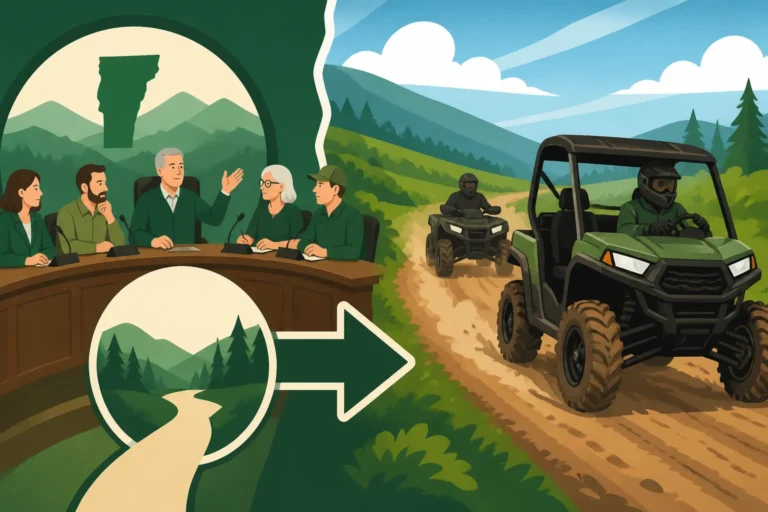
Newport City’s ATV Routes in Vermont
One of the biggest head-scratchers for ATV and UTV enthusiasts in Vermont is figuring out exactly where you can legally ride, especially when it comes to towns. It's frustrating to know there are miles of incredible trails, but getting to them often involves navigating public roads, which have their own labyrinth of rules. Newport City, nestled beautifully in the Northeast Kingdom, is a shining example of a community that has embraced ATV tourism, offering designated routes that not only get you around town but also connect you directly to the vast VASA trail network. This guide will meticulously break down everything you need to know to confidently and responsibly explore Newport City's ATV routes, ensuring you make the most of your adventure.
Understanding Newport City's Approach to ATV Access
Riding an ATV or UTV through a vibrant Vermont town isn't always straightforward. Most towns approach ATV access with a mix of enthusiasm for tourism and a necessary caution for public safety and resident quality of life. Newport City stands out as a proactive community, having developed specific ordinances to welcome riders and integrate ATV traffic into its local infrastructure. This isn't just a haphazard decision; it's a carefully considered strategy to boost local businesses and provide access to the incredible riding opportunities that surround the city.
The Local Ordinance and Its Purpose
Every town in Vermont has the authority to regulate ATV and UTV use on its municipal roads, and Newport City has exercised this right by establishing a clear local ordinance. The "why" behind such an ordinance is multifaceted. On one hand, it's about recognizing the growing popularity of ATV riding and the economic benefits that come from attracting riders who need fuel, food, lodging, and perhaps even minor repairs. On the other hand, it’s about managing the impact of these vehicles on the community. Think about noise levels, dust on gravel roads, and the safety of pedestrians and other motorists. The ordinance aims to strike a balance, allowing for enjoyable and accessible riding while minimizing potential disruptions to residents.
Without a local ordinance, riding an ATV or UTV on a town road is generally prohibited, even if your machine is registered with the state. This means that merely having your [Vermont ATV Registration Cost] sorted isn't enough; you need to be aware of the specific town-by-town rules. Newport City’s ordinance provides that essential legal framework, clearly delineating which roads are open, under what conditions, and during what times. It transforms a potentially confusing legal gray area into a well-defined pathway for riders, ensuring everyone understands the expectations and limitations. This proactive approach helps riders plan their trips more effectively and reduces the chances of accidental violations, which can really put a damper on a scenic ride through the Kingdom.
Key Streets and Designated Routes
So, where exactly can you ride your ATV or UTV in Newport City? The local ordinance specifies particular streets and corridors that are open for ATV traffic. These aren't just random stretches of pavement; they're strategically chosen to facilitate access to key services and, crucially, to connect with the broader VASA (Vermont ATV Sportsman's Association) trail network that sprawls across the Northeast Kingdom. Imagine rolling off a challenging trail and directly into town to grab a bite to eat or fill up your tank – that’s the kind of convenience these designated routes offer. You're not left searching for a place to park your trailer; you can ride right in.
While I can't list every single street name as they can change with updates to the ordinance, it's safe to say that these routes typically include main thoroughfares that lead into the city center, as well as specific roads that provide direct links to trailheads on the outskirts. The goal is to create a seamless experience for riders, making Newport City a true hub for ATV tourism in the region. Always remember that not all city streets are open to ATVs and UTVs. It’s absolutely critical to consult the most current official map or the text of the city's ordinance, usually available on the Newport City website or at the city clerk's office. Following these designated paths ensures you stay legal and contribute to the positive relationship between riders and the community.
Navigating Newport City's ATV Rules and Regulations
Riding in a town like Newport City isn't quite the same as tearing it up on a remote trail. When you're sharing roads with cars, pedestrians, and cyclists, a different set of rules and a heightened sense of responsibility come into play. Newport City, like many towns that embrace ATV tourism, has put specific guidelines in place to ensure everyone's safety and to maintain the quality of life for its residents. Ignoring these local rules won't just spoil your day; it could lead to fines and jeopardize the continued access that riders currently enjoy.
Specific Operating Hours and Curfews
One of the most common regulations you'll encounter when riding in a town is a curfew. Newport City is no exception, and they have established [Newport City's Curfew Hours in Vermont] to manage noise and ensure residential peace, particularly during evening and early morning hours. Typically, these curfews mean that ATV and UTV operation on city streets is restricted during specific times, often from late evening until early morning. This isn't meant to stop your fun, but rather to minimize disruption for those who live along the designated routes.
Imagine trying to get some sleep with the sounds of engines rumbling outside your window at all hours. That's precisely what these curfews are designed to prevent. It’s a common-sense approach to allow for recreational riding during the day while ensuring quiet at night. Before you plan your ride, especially if you anticipate being in town during the evening, make sure you've checked the current ordinance for the precise curfew times. Adhering to these hours is a simple way to show respect for the local community and helps keep these valuable routes open for everyone.
Speed Limits and Safe Riding Practices
When you're on a VASA trail, you might have some flexibility with your speed, but once you hit Newport City's designated routes, you're sharing the road. This means adhering strictly to posted [Vermont ATV Speed Limits on Town Roads], which are often much lower than typical highway speeds. These limits are there for everyone's safety – yours, other drivers, pedestrians, and children. Town roads can have unexpected turns, parked cars, driveways, and crosswalks, so vigilance is key. It's a different environment than a winding forest trail.
Beyond speed limits, safe riding practices are paramount. This means riding single file, especially on narrower roads, and always being prepared to yield to other vehicles, pedestrians, and cyclists. Using hand signals for turns and stops, maintaining a safe following distance, and generally being predictable in your movements contribute greatly to road safety. Think of yourself as an ambassador for the entire ATV community. When riders demonstrate respect for traffic laws and local residents, it fosters a positive image and helps ensure continued access to these crucial town routes. Companies like SuperATV offer a range of accessories, such as mirrors and turn signal kits, that can greatly enhance your ability to ride safely and communicate your intentions clearly on shared public roads, making you a more visible and predictable presence.
Connecting to the Wider VASA Trail Network
One of the biggest draws of Newport City for ATV and UTV riders isn't just the ability to cruise through town; it's the fact that these city routes serve as critical arteries, connecting riders directly to the expansive VASA (Vermont ATV Sportsman's Association) trail network. This means you can often ride straight from your lodging, grab supplies, and head right onto the trails without the hassle of trailering your machine to a remote trailhead. It’s a game-changer for many riders seeking convenience and adventure.
How Newport City Routes Link to Trails
Newport City's designated ATV routes aren't isolated paths; they are purposefully designed to be integral components of the larger VASA trail system. They act as essential conduits, allowing riders to transition seamlessly from a designated trail into the urban environment and back out again. This connectivity is what truly makes Newport City a prime destination. Instead of needing a truck and trailer to move your machine between a trail and a gas station, you can often ride your ATV or UTV directly to amenities like fuel, restaurants, and local shops. This not only enhances the rider's experience by providing convenience but also encourages riders to spend money locally, directly benefiting the city's economy.
The careful planning behind these routes ensures that riders can access the vast network of trails without having to navigate unmarked or illegal paths. These linkages are typically well-signed, guiding riders from the trails onto the appropriate city streets and then back to other trail segments. For those looking to explore the incredible [Northeast Kingdom ATV Riding in Vermont], Newport City serves as a fantastic basecamp. From here, you can launch into day-long excursions, knowing that a hot meal and a comfortable bed are easily accessible at the end of your ride. Just remember that while you're enjoying these connections, a valid [Vermont TAD: The Trail Access Decal Explained] is essential for legal access to the VASA trails themselves.
Planning Your Ride Beyond City Limits
While Newport City's routes offer great convenience, the true adventure often lies just beyond its borders, where the VASA trails wind through the scenic landscape of the Northeast Kingdom. Planning your ride effectively ensures a smooth and enjoyable experience. This means more than just having a full tank of gas; it involves knowing your route, understanding trail conditions, and being prepared for varying terrain and potential services. VASA offers detailed maps, often available through their website or local clubs, which are indispensable tools for planning your journey.
Local ATV clubs play a vital role in maintaining these trails and often have the most up-to-date information on conditions, closures, or special events. For riders using Newport City as their hub, connecting with groups like the [Border Line Ridge Riders Near Newport] can be incredibly beneficial. These clubs are the backbone of the trail system, volunteering countless hours to clear paths, maintain bridges, and ensure the trails are safe and enjoyable. They often host group rides or can offer local insights that you won't find on a general map. Always check the weather, pack appropriate gear, and inform someone of your planned route, especially if you're venturing into more remote areas, as cell service can be spotty in parts of the Kingdom.
Essential Gear and Machine Requirements for City Riding
When you're riding your ATV or UTV, especially on public roads within a town like Newport City, it's not just about having a registered machine. You need to ensure your vehicle is equipped to meet Vermont's safety standards and that you, as the operator, are properly geared up. These requirements are in place to protect everyone sharing the road and the trails, and they become even more crucial when operating in a mixed-traffic environment.
Vermont's General Equipment Requirements
Vermont has specific rules regarding the equipment your ATV or UTV must have to be legal on designated roads and trails. These aren't suggestions; they're legal requirements. Your machine must have functioning headlights and tail lights, which are especially important for visibility, particularly during dawn, dusk, or in inclement weather. A working muffler is also non-negotiable; excessive noise can quickly lead to complaints and jeopardize future access for all riders. Nobody wants their ride cut short by a sound violation, and respecting noise limits is a key part of being a good neighbor.
Beyond lights and mufflers, working brakes are obviously essential for safety. When navigating urban environments like Newport City, where you might encounter unexpected stops, traffic, or pedestrians, reliable braking is paramount. You'll also need a visible and properly mounted [Vermont Plate Mounted on the Rear]. This plate, issued upon registration, identifies your machine and confirms its legal status. While a state-mandated inspection for ATVs isn't generally required in Vermont, you're expected to ensure all your equipment is in good working order before you hit the road. Staying compliant with these [Vermont ATV Equipment Requirements] isn't just about avoiding a ticket; it's about ensuring your safety and the safety of those around you.
Specific Considerations for Urban Routes
Riding in Newport City means operating your machine in a more populated and structured environment than you might be used to on secluded trails. This calls for some extra attention to specific gear and machine features. First and foremost, let's talk helmets: Vermont law dictates that every single person riding an ATV or UTV, regardless of age, must wear a helmet that meets either FMVSS or ASTM standards. This is not optional; it's a critical safety measure, and it's strictly enforced. [Vermont ATV Helmet Law for Every Rider] is clear on this, and wardens and local police will be checking.
Tires are another specific consideration. Vermont law requires ATVs to be equipped with at least two low-pressure tires. While most modern ATVs and UTVs come standard with these, it's worth double-checking, especially if you've modified your machine. Furthermore, visibility is key on city streets. While not always strictly mandated, features like additional reflectors, bright flags, or even turn signals and mirrors can significantly increase your safety profile. Companies like SuperATV offer a variety of street-legal accessory kits, including rearview mirrors, turn signal kits, and horn kits, which can be invaluable for operating your UTV or ATV safely and compliantly on designated town roads in Newport City. These additions not only make you more visible to other traffic but also allow you to communicate your intentions more effectively, enhancing the overall safety and enjoyment of your ride.
The Importance of Registration, Insurance, and Safety Education
Embarking on an ATV or UTV adventure in Vermont, especially on designated town routes like those in Newport City, requires more than just a capable machine and a sense of adventure. It demands adherence to a framework of legal requirements designed for safety and responsible recreation. Understanding and fulfilling these obligations – registration, insurance, and safety education – is fundamental to enjoying Vermont's diverse riding opportunities without encountering unwelcome legal issues.
Registration and TAD Compliance
Before your wheels even touch a designated road or trail in Vermont, your ATV or UTV absolutely must be registered with the Vermont Department of Motor Vehicles (DMV). Many riders often ask, [Do You Need to Register an ATV in Vermont]? The answer is a resounding yes, if you plan to ride on public lands, designated trails, or town roads. This registration not only makes your machine legal but also contributes to the maintenance and oversight of the state's recreational vehicle infrastructure. The registration process itself involves presenting proof of ownership, filling out the necessary forms, and paying the applicable fees, which can vary based on whether your machine is classified as an ATV or an ASV (All-Terrain Vehicle or All-Terrain Side-by-Side). Understanding [How the ATV and ASV Classes Change Your Fee] is important, as ASVs (often larger UTVs) typically incur higher registration costs.
Beyond state registration, if you intend to ride on the VASA trail system—which is the main reason many riders come to the Newport City area—you'll also need a Vermont Trail Access Decal (TAD). This decal is mandatory for all machines using VASA trails and serves as your membership to the club network that maintains these trails. The [Vermont TAD: The Trail Access Decal Explained] details that this decal ensures you're contributing to the significant volunteer efforts and financial resources required to keep thousands of miles of trails open and safe. It’s a small investment that yields huge dividends in terms of access and trail quality, directly supporting the community that makes your riding possible.
Vermont ATV Insurance Requirements
Just like with road-going vehicles, liability insurance is a non-negotiable requirement for ATVs and UTVs operating in Vermont, whether on designated trails or town roads. This isn't just a suggestion; it's Vermont law. The state mandates specific minimum coverage levels to ensure that if you're involved in an accident, there's financial protection for any bodily injury or property damage you might cause to others. The [Vermont ATV Insurance Requirements] are clear on this, specifying amounts such as [Vermont's $25,000 Bodily Injury Minimum] for one person, $50,000 for two or more, and $10,000 for property damage. These limits are in place to safeguard all parties involved in an incident.
Carrying proof of your liability insurance is equally important. Whether it's a physical card or digital proof on your phone, you should always have it with you when you ride. Enforcement officers, including state wardens and local police, can and will ask for it during routine checks or in the event of an incident. Being uninsured can lead to significant fines and penalties, not to mention the potential financial ruin if you're deemed at fault in an accident without coverage. Before you head out, make sure your policy is active, covers the specific machine you're riding, and meets Vermont's minimum requirements. It’s a crucial layer of protection for yourself and others.
Safety Education for Younger Riders
Vermont places a strong emphasis on safety, especially when it comes to younger riders. For anyone under the age of 18, completing an approved ATV safety course is not just recommended; it's a legal mandate if they plan to operate an ATV or UTV on public lands, trails, or designated town roads. The [Vermont ATV Safety Course Required Under 18] ensures that young operators receive proper training on safe riding techniques, ATV laws, and environmental responsibility before they hit the trails. This foundational education is critical for developing safe habits that can last a lifetime.
Additionally, specific rules govern the [Vermont Supervision Rules Under 16] for ATV operation. Young riders typically need to be directly supervised by an adult who meets certain criteria, often being at least 18 years old and having a valid driver's license. These rules are designed to gradually introduce younger riders to the sport in a controlled and supervised manner, minimizing risks. The safety course covers important topics such as proper protective gear, understanding terrain, emergency procedures, and respecting private property and wildlife. It’s an investment in safety that pays dividends in preventing accidents and fostering a responsible riding community for the long term.
Local Etiquette and Being a Responsible Rider in Newport
Riding an ATV or UTV through a community like Newport City is a privilege that comes with a significant responsibility. The continued success of designated routes depends heavily on how riders conduct themselves. Being a responsible and respectful member of the riding community isn't just about following the law; it's about being a good neighbor, minimizing your impact, and showing appreciation for the access provided. Every interaction, every sound, and every action contributes to the public perception of ATV enthusiasts.
Minimizing Noise and Dust
One of the most common complaints directed at ATV and UTV riders, especially when operating near residential areas, is noise. While the roar of an engine might be thrilling on a secluded trail, it can be a significant disturbance to residents going about their daily lives. When you're on Newport City's designated routes, it's paramount to be mindful of your sound levels. This means avoiding unnecessary revving of your engine, accelerating smoothly, and ensuring your muffler is in proper working order and meets Vermont's noise regulations. Riding during [Newport City's Curfew Hours in Vermont] only compounds this issue, so always respect those times.
Dust is another often-overlooked environmental concern, particularly on gravel or dirt roads that are common in and around Vermont towns. Excessive speed on these surfaces can kick up clouds of dust that settle on homes, vehicles, and gardens, creating a nuisance for residents. By reducing your speed on unpaved roads and being conscious of your surroundings, you can significantly minimize dust creation. Remember, these roads are shared spaces, and residents rely on them for daily life. Your efforts to mitigate noise and dust are a direct reflection on the entire riding community and can influence public opinion, which is critical for maintaining access to these valuable routes.
Respecting Property and Community
The designated routes in Newport City and the wider VASA trail network exist largely due to the generosity of private landowners and the decisions of local town selectboards. This access is a privilege, not a right, and maintaining it requires profound respect for private property and the community at large. Straying from marked trails or designated routes, even for a moment, can constitute trespassing and quickly erode the trust built with landowners. The [Vermont Trespass Law for Riders] is clear, and ignorance is no excuse. Always stay on the established path and avoid cutting corners or exploring areas not explicitly open for ATV use.
Beyond property lines, respecting the community extends to how you interact with local businesses and residents. Support the local economy by patronizing Newport City's restaurants, gas stations, and shops. Be courteous to pedestrians and other drivers. Leave no trace behind – pack out everything you pack in, and perhaps even pick up any litter you see. A friendly wave, a polite interaction, and a demonstrated commitment to responsible riding go a long way in fostering a positive relationship between riders and the community. By being thoughtful and respectful, you help ensure that Newport City remains a welcoming hub for ATV and UTV enthusiasts for years to come.
Newport City's Economic Impact and Future of ATV Riding
Newport City's decision to open designated routes for ATVs and UTVs wasn't made in a vacuum; it was a strategic move with clear economic intentions. The city understands the significant financial boost that recreational tourism can bring, and ATV riders represent a growing segment of that market. Looking forward, the continued success of this initiative hinges on both the economic benefits it delivers and the ongoing dialogue between riders, residents, and local government.
Boosting Local Businesses
The presence of accessible ATV routes directly translates into increased patronage for Newport City's local businesses. When riders can easily navigate into town from the trails, they're much more likely to stop for gas, grab a meal at a local diner, pick up snacks and drinks at a convenience store, or even stay overnight at a hotel or motel. This influx of visitors means more revenue for businesses, which in turn supports local jobs and the overall economic vitality of the city. Think about the ripple effect: a rider who buys a burger also likely needs fuel, maybe a part from a local auto shop, or even just a souvenir.
Newport City effectively positions itself as a gateway to the Northeast Kingdom's extensive trail system, making it an attractive base for multi-day riding trips. This economic impact goes beyond just immediate purchases. Increased tax revenue from sales and lodging helps fund local services and infrastructure, benefiting all residents. For businesses, embracing ATV tourism can be a significant differentiator, drawing customers who might otherwise bypass the town. The commitment to creating and maintaining these routes is a tangible investment in the city's economic future, recognizing that a thriving recreational scene can underpin a prosperous community.
Ongoing Management and Community Dialogue
The designation of ATV routes in Newport City is not a set-it-and-forget-it decision. Like many town ordinances related to recreational access, these designations are often subject to annual review and potential adjustments by the local selectboard. This means that [Annual Designation and What Lapses] is a real consideration; what's open one year might not be the next, or conditions could change. This ongoing management process is crucial for ensuring the routes continue to serve their intended purpose effectively while addressing any emerging concerns from residents or changes in trail conditions.
Community dialogue plays a pivotal role in this process. Local selectboard meetings are often the forum where residents can voice concerns about noise, dust, safety, or any other issues related to ATV traffic. It's equally important for riders and ATV clubs to participate in these discussions, providing positive feedback, offering solutions to potential problems, and demonstrating their commitment to responsible riding. Advocating for continued access, sharing the economic benefits observed, and volunteering for trail maintenance are all ways riders can contribute to a positive relationship with the city. By staying informed, engaging respectfully, and consistently demonstrating responsible behavior, the ATV community can help ensure that Newport City's routes remain open and welcoming for generations of riders to come.
Newport City ATV Route Regulations at a Glance
Navigating local regulations can sometimes feel like a maze, but knowing the key rules for riding your ATV or UTV in Newport City can make your trip much smoother. This table summarizes some of the most important regulations you'll encounter on designated city routes and connecting trails. Always remember that local ordinances can be updated, so it's best to check the official Newport City website for the most current information before your ride.
| Regulation Category | Newport City Specifics (as applicable) | General Vermont State Rule | Why It Matters for City Riding |
|---|---|---|---|
| Operating Hours | Curfews typically apply (e.g., 10 PM – 7 AM). | Generally no state-level curfew for trails, but towns vary. | Reduces noise impact on residents, preserves peace. |
| Speed Limits | Strictly follow posted city limits; often lower than rural roads. | Adhere to posted limits, generally 25 mph on town roads, lower in villages. | Ensures safety for all road users (pedestrians, cars), reduces dust. |
| Registration | Required for all ATVs/UTVs. | Required for all ATVs/UTVs on public land/trails. | Legal identification, contributes to state recreational funds. |
| Trail Access Decal (TAD) | Required for VASA trails connected via city routes. | Mandatory for VASA trail system access. | Funds trail maintenance and club operations; often checked by wardens. |
| Insurance | Mandatory liability coverage. | Mandatory liability coverage (min. $25k/$50k/$10k). | Protects all parties in case of an accident. |
| Helmets | Mandatory for ALL riders, all ages. | Mandatory for ALL riders, all ages (FMVSS/ASTM certified). | Critical safety measure, strictly enforced. |
| Muffler | Must be in proper working order; noise limits enforced. | Required, excessive noise prohibited. | Reduces noise pollution, shows respect for residents. |
| Lights | Headlights and tail lights required. | Headlights, tail lights required. | Essential for visibility, especially at dawn/dusk/night. |
| Plate Placement | Required, must be visible. | Mounted on rear, clearly visible. | Ensures machine identification by law enforcement. |
| Safety Course | Under 18 requires state-approved course. | Under 18 requires state-approved course. | Educates young riders on safe and responsible operation. |
| Route Adherence | Stay strictly on designated routes; no off-roading in city. | Stay on marked trails/designated roads. | Prevents trespassing, maintains trust with landowners and city. |
Disclaimer
This article is for general informational purposes only and does not constitute professional advice. Laws, prices and regulations vary by location and change over time. Consult a qualified professional for guidance on your specific situation.