Vermont ATV Plate Bracket Requirement
There’s nothing quite like the feeling of hitting a Vermont trail on your ATV or side-by-side, but that feeling can quickly turn to dread if you're worried about an unexpected stop from a game warden or local law enforcement. One often-overlooked detail that can get you into hot water is how your registration plate is mounted. This guide is here to walk you through everything you need to know about Vermont’s ATV plate bracket requirements, ensuring your machine is fully compliant and you can ride with peace of mind.
Why Your ATV Needs a Proper Plate Bracket in Vermont
It might seem like a small thing, just a piece of plastic or metal holding your plate, but in Vermont, how your ATV registration plate is displayed is far from trivial. It’s about more than just aesthetics; it's a critical component of legal compliance, rider safety, and maintaining the privilege of using our beautiful state's trails and designated town roads. Trust me, the last thing you want is a fine or a conversation with an officer when you're just trying to enjoy a ride.
Legal Compliance and Avoiding Fines
Vermont law is pretty clear on the need for ATVs and ASVs (all-terrain vehicles and all-terrain sport vehicles, which include many side-by-sides) to be registered and to display a plate. Think of it like your car: without a visible, properly mounted plate, you're not fully street legal, even if you have all your paperwork tucked away. The plate serves as an immediate visual identifier for law enforcement and trail wardens, confirming that your machine is registered and therefore, by extension, that you've likely met other requirements like insurance. If your plate isn't mounted correctly—say, it's flapping in the wind, obscured by mud, or simply placed where it can't be easily seen—you could be found in violation. This isn't just a hypothetical scenario; wardens are out there, and they do check these details. A common frustration for riders is getting pulled over for something that feels minor, but these minor details are part of keeping everyone safe and accountable on the trails.
The penalties for riding an unregistered machine or one with an improperly displayed plate can range from a warning to a fine, and nobody wants that. It can put a real damper on your day and your riding budget. Ensuring your plate is mounted securely and visibly is an easy way to avoid these headaches. It's an investment of a little time and thought upfront that saves you potential hassle later. This also goes hand-in-hand with ensuring you have all your other [Vermont Registration Paperwork Checklist] items in order before you even head out.
Ensuring Plate Visibility for Safety and Accountability
Beyond legalities, plate visibility plays a role in safety and accountability. Imagine a scenario where there's an incident on the trail – perhaps a rider needs assistance, or there's a minor collision. A clearly visible plate allows witnesses or first responders to quickly identify the machine and, by extension, the registered owner. This aids in everything from emergency response to simply identifying a machine that might have lost a part or is being operated unsafely.
Furthermore, a well-mounted plate helps maintain the integrity of our trail system. The [Vermont ATV Trails: The VASA System] relies heavily on landowner goodwill and responsible riding. When machines are easily identifiable, it fosters a greater sense of accountability among riders. It helps ensure that everyone is playing by the rules, respecting private property, and contributing to the system through registration and trail access decals. Obscured plates, whether intentionally or unintentionally, can make it harder to enforce these rules, potentially undermining the trust that keeps our trails open. This is especially important for the [Vermont Trails Run on Private Land], where landowners are extending a privilege, not a right.
Deciphering Vermont's ATV Plate Mounting Regulations
Vermont has specific rules about how your ATV registration plate must be displayed. These aren't just suggestions; they're legal requirements designed to ensure uniformity and visibility. Understanding these regulations is key to choosing and installing the right bracket, and frankly, avoiding a citation from a diligent officer.
Location, Height, and Readability Requirements
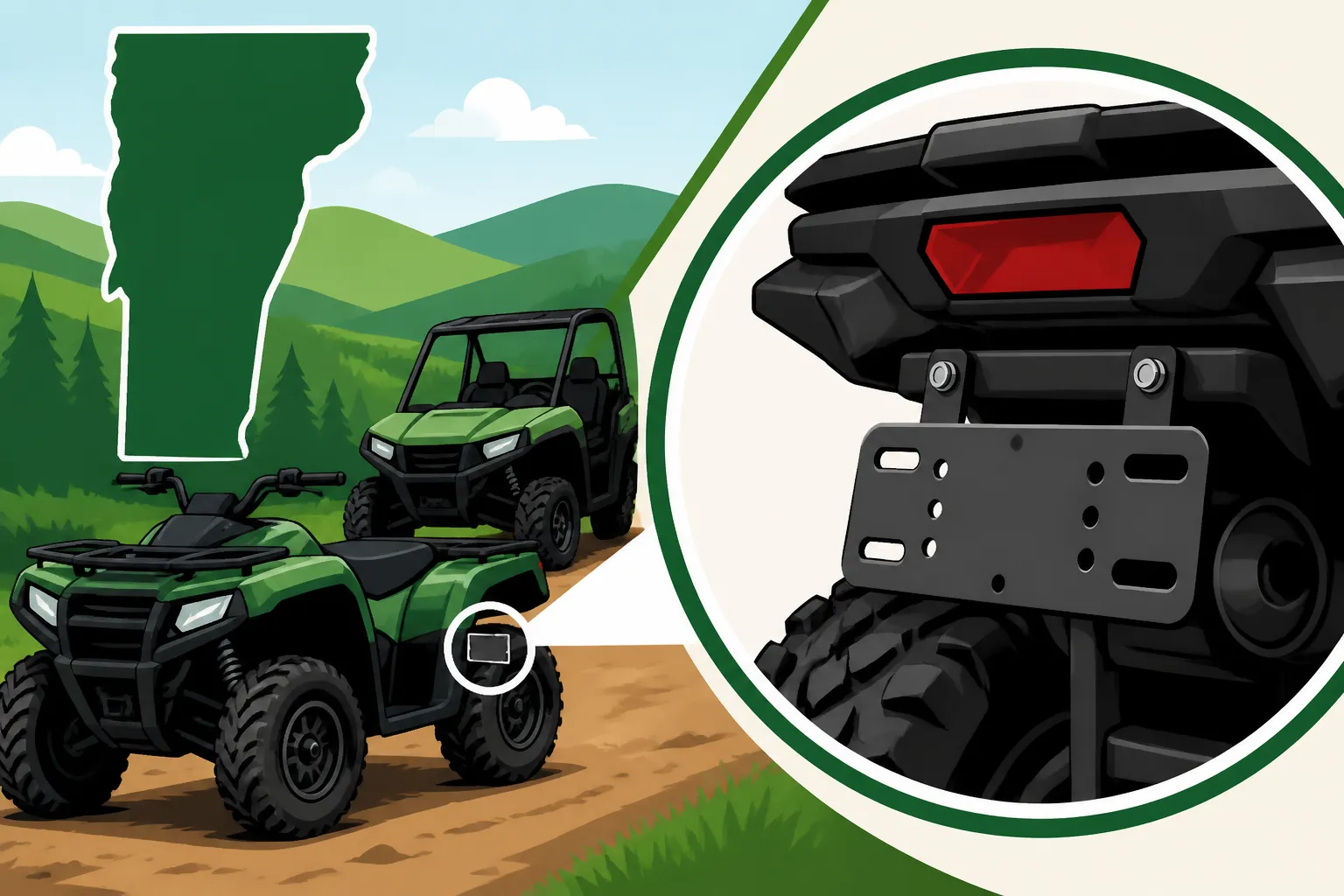
The primary rule in Vermont is that your ATV plate must be mounted on the rear of the machine. This isn't unique to ATVs; it's consistent with how vehicles are typically plated. While some towns, like Brighton, might have specific ordinances asking for a [Why Brighton Asks for a Front Plate Too], the state-level requirement for the official registration plate is strictly at the back.
Here’s a breakdown of what that generally entails:
- Rear Mounting: The plate must be affixed to the rear of the ATV or ASV. It shouldn't be on the side, on the front rack (unless it's an additional plate for local ordinance, not the primary), or anywhere that isn't clearly and immediately visible from behind the machine.
- Horizontal Position: The plate needs to be mounted horizontally, meaning the numbers and letters should read straight across, not vertically or at an angle. This ensures easy readability.
- Clear Visibility: This is perhaps the most crucial aspect. The plate must be clearly visible and legible at all times. This means:
- Unobstructed: Nothing should block the view of the plate. No mud flaps, tow hitches, gear bags, or even excessive mud and dirt should obscure any part of the plate, especially the registration numbers and expiration stickers. This is why [Keeping a Plate Readable in Mud] is so important.
- Adequate Lighting: If you plan on riding after dark, the plate must be illuminated by a white light, making it legible from a distance of 50 feet. Most ATVs come with a tail light assembly that includes a clear section or a separate light to illuminate the plate, but if you're installing an aftermarket bracket, ensure it includes or accommodates proper lighting.
- Securely Mounted: The plate should be rigid and not swing freely. A flimsy mount that allows the plate to flop around makes it difficult to read and increases the chances of it being damaged or lost.
These requirements aim for consistency. A warden or officer approaching from behind needs to be able to instantly read your registration without having to guess or get off their vehicle. If your plate is bent, dirty, or hidden, it raises questions and can lead to an inconvenient stop.
Material and Durability Considerations
While Vermont law doesn't specify the exact material your plate bracket must be made from, practical considerations and the spirit of the law point toward durable choices. Your ATV is going to encounter bumps, vibrations, mud, water, and maybe even some minor impacts. A cheap, flimsy plastic bracket might not last one season.
Good options for material include:
- Metal (Steel or Aluminum): These are generally the most durable and offer excellent protection for your plate. Steel can be heavier and might rust if not properly coated, while aluminum is lighter and corrosion-resistant. Many aftermarket brackets are made from these materials.
- Heavy-Duty Plastic/Polymer: Some high-grade plastics can be very robust and offer a lighter-weight option than metal. Look for materials designed for outdoor, impact-resistant use. Avoid brittle plastics that could snap easily.
The bracket needs to withstand the rigors of off-road riding. It needs to hold the plate flat and firmly in place, resisting bending, cracking, or breaking. Remember, the goal is for your plate to be present and readable throughout your entire ride, not just when you pull out of your driveway. A bracket designed for a street motorcycle might not cut it for the demands of a Vermont trail, so always consider the application.
Choosing and Installing the Right Plate Bracket for Your Vermont ATV
Now that we understand the "why" and "what" of Vermont's plate requirements, let's talk about the "how." Choosing and installing the right bracket doesn't have to be complicated, but a little foresight can save you a lot of trouble down the line.
Aftermarket vs. DIY Solutions
When it comes to getting a plate bracket, you essentially have two paths: buying an aftermarket solution or crafting your own. Both have their pros and cons.
-
Aftermarket Brackets: These are readily available from ATV accessory shops, online retailers, and sometimes even directly from your machine's manufacturer. They come in a wide range of styles, materials, and price points.
- Pros: Designed for purpose, often include mounting hardware, sometimes integrate plate lighting, and can be relatively quick to install. Many are built to be robust and withstand off-road abuse. Some are designed to fit specific ATV models, making installation even easier.
- Cons: Can be more expensive than a DIY solution, and you might not find one that perfectly matches your aesthetic or unique mounting spot if your machine has custom modifications.
- Tip: When looking for aftermarket options, search for "ATV license plate mount," "UTV license plate bracket," or "off-road tag holder" to find suitable products. Look for reviews that mention durability and ease of installation on similar machines.
-
DIY Brackets: For those who are handy and have access to basic tools and materials, a homemade bracket can be a cost-effective and customizable solution.
- Pros: Can be built to exact specifications for your machine, often cheaper, and allows for creative problem-solving if you have a unique setup.
- Cons: Requires more time and skill, potentially less durable if not constructed properly, and you're responsible for ensuring it meets all legal requirements, especially regarding rigidity and lighting. You also need to ensure the materials you use (e.g., sheet metal, sturdy plastic) are appropriate for the environment.
- Tip: If you go the DIY route, ensure your materials are corrosion-resistant and strong enough to prevent the plate from bending or falling off. Consider reinforcing mounting points and using appropriate fasteners that won't vibrate loose. You might even use a template from an existing bracket as a starting point.
Regardless of whether you buy or build, the goal is the same: a secure, visible, and compliant mount for your [Vermont ATV Plates and Where They Go]. Don't forget that if you're registering a machine that's new to you, platforms like LawDepot can be incredibly helpful for creating a solid bill of sale or other ownership documents that are often required by the DMV before you even get your plate. Having clear documentation from the start, whether for a private sale or other transfer, makes the whole registration process smoother.
Installation Best Practices
Once you have your bracket, proper installation is paramount. A great bracket won't do you any good if it's poorly attached.
- Choose the Right Location: Remember, it needs to be on the rear and clearly visible. On many ATVs, there's a designated flat area or a pre-drilled section near the taillight assembly, often below the rear rack. For side-by-sides, the rear bumper or roll cage can offer excellent mounting points. Ensure it doesn't interfere with the operation of any tailgate, cargo bed, or other moving parts.
- Ensure Flat Mounting Surface: The plate needs to sit flat against the bracket, and the bracket needs to sit flat against the machine. Avoid mounting it on a curved surface that could bend the plate or cause stress on the bracket.
- Use Robust Hardware: Don't skimp on nuts, bolts, and washers. Stainless steel hardware is a good choice for rust resistance. Use lock washers or thread-locking compound (like Loctite) to prevent bolts from vibrating loose during rides. This is critical for preventing your plate from becoming a lost trailside artifact.
- Check for Lighting: If your bracket doesn't have integrated lighting, ensure your machine's existing taillight illuminates the plate. If not, you may need to add a small LED license plate light, wired into your taillight circuit. Test it at night to confirm visibility from 50 feet away.
- Consider Off-Road Conditions: Think about where you ride. If you frequently encounter deep mud, consider mounting the plate slightly higher to prevent it from getting completely caked, or choose a bracket that angles it slightly for better clearance. If you ride through brush, ensure the plate isn't so exposed that branches can rip it off.
- Regular Checks: Even after proper installation, make it a habit to check your plate and bracket regularly. Before each ride, give it a quick once-over to ensure everything is still tight, the plate is clean, and there's no damage. The vibrations and impacts of off-road riding can loosen even the most secure mounts over time.
Navigating Common Pitfalls and Ensuring Long-Term Compliance
Even with the best intentions, it's easy to make mistakes or overlook details when it comes to ATV plate brackets. Knowing what to watch out for can save you a lot of grief. Let's make sure your machine stays compliant throughout the season.
Common Mistakes Riders Make
- Obscured Plates: This is probably the most frequent issue. Riders accidentally or carelessly allow gear bags, recovery ropes, spare tires, or even heavy mud to cover their plate. While you might not intend for it to be obscured, an officer won't know that. Always double-check that your plate is fully visible before heading out. This is why it's crucial for [Vermont Plate Visibility on the Road].
- Flimsy or Damaged Brackets: Using a bracket that's too weak for off-road use, or one that has become bent or cracked, is an accident waiting to happen. A plate that's flopping around or half-missing is as problematic as no plate at all.
- Incorrect Location: Mounting the plate on the front rack, the side, or underneath the machine (where it's only visible from directly below) is a non-starter. Vermont law specifies the rear.
- Lack of Illumination: For night riding, a non-illuminated plate is a definite violation. If you've installed an aftermarket bracket, ensure it includes or accommodates a functional plate light.
- Using Improper Fasteners: Self-tapping screws into plastic without proper backing, or bolts without lock washers, are prone to loosening and failure. Invest in good quality, appropriate fasteners.
- Failure to Clean: A plate caked in Vermont mud might as well be invisible. [Keeping a Plate Readable in Mud] is part of your responsibility as a rider. Carry a small brush or rag if you know you'll be hitting some particularly messy trails.
What to Expect During a Stop
If a game warden or police officer stops you, they'll likely conduct an [Vermont Equipment Checks by Police]. This includes checking your registration plate. They'll be looking for:
- Presence: Is there a plate at all?
- Location: Is it mounted on the rear?
- Visibility: Is it clean, unobstructed, and readable?
- Integrity: Is the plate itself in good condition, and is the bracket securely holding it?
- Illumination: If it's dark, does the plate light work?
They might also ask to see your registration card and proof of insurance. Having all your documents handy, perhaps in a waterproof pouch on your machine, makes the process much smoother. Remember, politeness goes a long way. If your plate isn't up to snuff, you might get a warning for a first offense, but repeated issues could lead to fines. Being prepared and compliant means you have nothing to worry about.
Maintaining Your Bracket and Plate for Long-Term Use
Just like any other part of your ATV, your plate bracket and the plate itself need a little attention to last.
- Routine Inspection: Before and after every significant ride, take a moment to visually inspect your plate and bracket. Check for loose bolts, cracks in the material, or excessive dirt buildup.
- Cleaning: After a muddy ride, don't just wash the visible parts of your ATV. Pay attention to the plate. A quick scrub with a brush and water can remove dried mud and ensure the numbers remain legible.
- Tighten Fasteners: Periodically check all mounting hardware and tighten anything that feels loose. You might even consider replacing standard nuts with Nyloc nuts, which have a nylon insert to resist loosening from vibration.
- Protect Your Plate: While the bracket protects the plate, avoid situations that could bend or damage the plate itself. Don't use it as a handle to pull your ATV, for example. If you’re hauling your machine on a trailer, ensure nothing is pressing against the plate that could bend it during transport.
By taking these proactive steps, you can ensure your Vermont ATV plate bracket remains compliant and functional for many seasons of enjoyable riding. Whether you're riding through Island Pond or along the trails around Newport, knowing your machine is legal is key to truly relaxing and savoring the adventure.
Disclaimer
This article is for general informational purposes only and does not constitute professional advice. Laws, prices and regulations vary by location and change over time. Consult a qualified professional for guidance on your specific situation.