Vermont ATV Plate Replacement
Losing or damaging your Vermont ATV plate can put a real wrench in your riding plans. It’s a frustrating experience, whether it vanished somewhere on a muddy trail, got bent beyond recognition backing into a tree, or, worst case, was stolen right off your machine. Not only is it an inconvenience, but riding without a valid, visible plate can lead to fines and legal headaches. This guide will walk you through exactly what you need to do to replace your Vermont ATV plate, helping you get back on the trails legally and safely without too much hassle.
Why Your Vermont ATV Plate Might Need Replacing And Why It Matters
Your ATV plate is more than just a piece of metal or plastic; it's your machine's unique identifier and a critical component for legal operation in Vermont. There are several common reasons why riders find themselves needing a replacement, and understanding these can help you prevent future issues.
Common Scenarios for a Missing or Damaged Plate
Life on the trails is tough, and your ATV plate often bears the brunt of it. It's not uncommon for a plate to go missing or get damaged in the rough and tumble world of off-road riding.
- Lost on the Trail: This is probably the most frequent culprit. Picture this: you're tearing through a particularly gnarly section of trail, perhaps splashing through a deep water crossing or bouncing over a rocky uphill climb. The vibrations, the mud, a hidden branch catching it just right – next thing you know, your plate has detached and become one with the Vermont wilderness. It happens to the best of us, often without even realizing it until you're back at the truck. That sudden jolt from hitting a stump or the constant spray of mud and water can really test the attachment points.
- Stolen: While less common than losing it, ATV plate theft is an unfortunate reality. If you store your ATV in an unsecured location, whether at a remote cabin or even in a driveway accessible to the street, it can become a target. Discovering your plate is gone because someone intentionally removed it is incredibly frustrating and feels like a violation. If you suspect theft, reporting it quickly is key.
- Damaged Beyond Recognition: Sometimes the plate isn't lost, but it's simply unreadable. Maybe you had a minor fender bender with a tree while trying to maneuver in a tight spot, bending the plate into an unrecognizable shape. Or perhaps years of exposure to sun, rain, snow, and trail grime have faded the numbers and letters to the point where they are illegible. An unreadable plate, even if still attached, is essentially the same as having no plate at all in the eyes of the law. Think about the wear and tear from constant mud baths and pressure washing – it can degrade the material over time.
- Weather-Related Fading or Degradation: Vermont weather is notoriously varied. Intense summer sun can fade colors, while winter's ice and snow, combined with de-icing chemicals if your ATV travels on roads, can corrode or damage the reflective surface. A plate that was perfectly clear last season might be a blurry mess this year, making the identification numbers impossible to read.
The Importance of a Visible, Valid Plate
No matter the reason, having a legitimate, clearly visible Vermont ATV plate is non-negotiable for legal riding. Ignoring this requirement can lead to consequences that will definitely cut into your trail time and budget.
- Legal Requirement and Enforcement: Vermont state law, as well as local ordinances in towns that permit ATV travel, explicitly requires your ATV to display a current and legible registration plate. This isn't just a suggestion; it's the law. State game wardens, local police, and even VASA trail monitors are all empowered to check for proper registration. If you're caught riding without a valid plate, you could face [Penalties for an Expired Plate], which might include fines or even having your ride impounded depending on the circumstances.
- Identification for Law Enforcement: Your plate serves as the primary identifier for your machine. In the event of an accident, a violation, or even just a routine stop, law enforcement relies on that plate to quickly identify the owner and vehicle. Without it, verifying your machine's legality and your ownership becomes a much more complicated and time-consuming process for everyone involved.
- Trail System Access: The vast majority of Vermont's organized ATV trail systems, including those managed by VASA and its member clubs, require a visible, valid registration plate in addition to a Trail Access Decal (TAD). These trails often cross private land, and landowners grant access with the understanding that riders are operating legally. No plate means no access to these maintained and permitted trails. You might even be turned around by a club volunteer or warden.
- Safety and Accountability: Beyond legalities, a visible plate helps ensure accountability. In an emergency or if you witness an incident on the trail, being able to provide a plate number can be crucial for reporting and response. It's a simple part of being a responsible rider and contributing to the safety and order of the riding community. [Vermont ATV Plates and Where They Go] explains more about where your plate should be mounted and why it matters.
Step-by-Step Guide to Replacing Your Vermont ATV Plate
Okay, so your plate is gone or unreadable. Don't panic! The process for getting a replacement from the Vermont Department of Motor Vehicles (DMV) is fairly straightforward, though it does require a few steps.
Initial Steps: What to Do First
Before you even think about forms or fees, take a moment to confirm the situation and gather your thoughts.
- Confirm It's Truly Lost or Damaged Beyond Repair: Double-check your ATV. Look under the seat, around the tires, inside any storage compartments. Sometimes a plate can detach and get wedged in an odd spot. For damaged plates, assess if it's genuinely unreadable or if a quick cleaning might suffice. If numbers are bent, faded, or scratched off, then a replacement is definitely needed.
- Gather Your Information: You'll need key details to submit your replacement request. Have your existing ATV registration paperwork handy, as it contains your VIN (Vehicle Identification Number), plate number (if you remember it), and other crucial details. You'll also need your personal identification, such as your driver's license. Having everything organized will make the process much smoother.
- Reporting a Stolen Plate: If you strongly suspect your plate was stolen, filing a police report is crucial. While the DMV may not require a police report for a lost plate, it's a wise move for theft. This creates an official record, which can be important for your own protection if the plate is used for illicit activities. Furthermore, having a police report can sometimes help expedite matters or at least provide official documentation of the incident. While LawDepot focuses on legal documents like bills of sale or affidavits of ownership, having clear documentation of all related incidents is good practice, and you can leverage such tools to document ownership for your own records, complementing any police report you file.
The Vermont DMV Process for a Replacement Plate
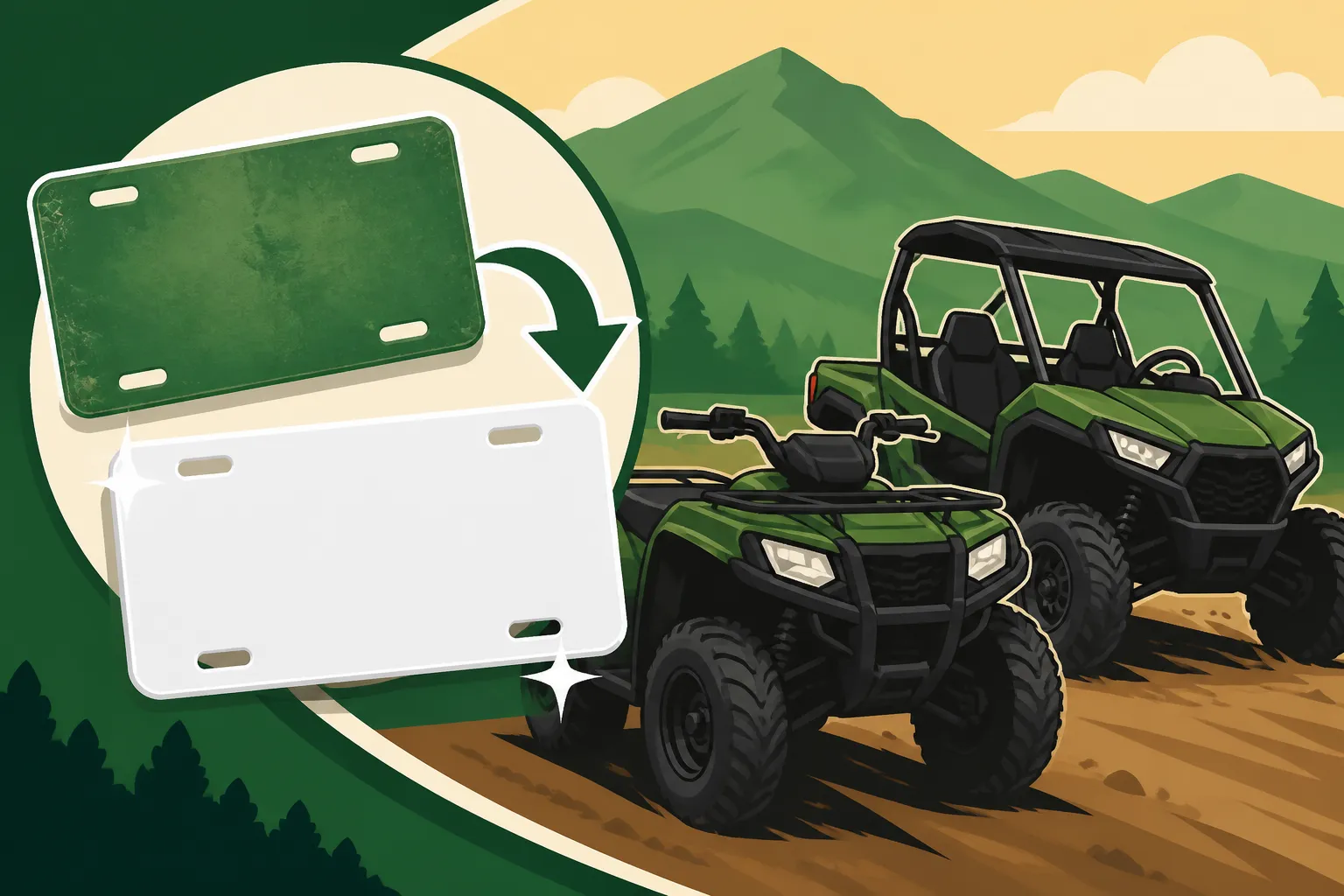
The Vermont DMV handles replacement plates by issuing a duplicate registration. When you request a duplicate registration, they will typically issue a new plate along with it.
- Forms Needed: The primary form you'll likely need to interact with is the Vermont DMV's registration application form, often VD-119. On this form, there's usually a section to indicate you are applying for a "Duplicate" registration. Make sure to clearly mark this option. Always check the official Vermont DMV website for the most current version of the form and any specific instructions for requesting a duplicate plate or registration. [Vermont Registration Paperwork Checklist] might provide some context on general registration needs.
- Where to Apply: You have a couple of options for submitting your request:
- In Person: Visiting a Vermont DMV office is often the fastest way to get your replacement plate. You can submit your form, pay the fee, and often walk out with a temporary registration document, though the physical plate will usually be mailed to you. Make sure to bring all your necessary identification and documentation.
- By Mail: If you're not in a rush or prefer not to visit an office, you can mail your completed form and payment to the Vermont DMV. Be sure to use certified mail for important documents to ensure they arrive safely. This method will, naturally, take longer due to mailing times both ways.
- Fees Involved: There is a fee associated with obtaining a duplicate registration and replacement plate. While specific costs can change, expect a modest administrative fee. The Vermont DMV website will have the most up-to-date fee schedule. Be prepared to pay this fee, usually by check, money order, or credit/debit card if applying in person. Remember, this fee is separate from your annual registration renewal cost. [Vermont Registration Transfer for $10] gives you an idea of common minor fees at the DMV, though this specific fee will differ.
- Required Documentation: When applying, you'll generally need:
- A completed duplicate registration form (e.g., VD-119 with the duplicate box checked).
- Proof of identity (e.g., valid driver's license or state ID).
- Your current registration certificate (if you still have it, even if the plate is gone).
- Your ATV's VIN.
- Payment for the duplicate registration fee.
- If you filed a police report for a stolen plate, bring a copy of that report with you.
What to Expect After Application
Once you've submitted your application and paid the fee, it's a waiting game – but usually not a very long one.
- Processing Time: The Vermont DMV is generally efficient. If you apply in person, they might provide a temporary document immediately. However, the actual plate typically arrives by mail. [Vermont ATV Registration Processing Time] for initial registrations can give you a general idea, but duplicates are often processed a bit faster. Still, allow a week or two for mailing and processing time.
- Receiving Your New Plate: Your replacement plate will be mailed to the address on file with the DMV for your ATV registration. [Where Vermont Mails Your New ATV Plate] is usually your home address unless you've specifically provided a different mailing address. Once it arrives, secure it immediately to your ATV using proper mounting techniques.
- What to Do If You Find the Old One: It occasionally happens – you apply for a new plate, and then the old one miraculously turns up. If this occurs, you should not use the old plate. The DMV has issued you a new plate number with your duplicate registration, rendering the old one invalid. It's best to destroy the old plate or return it to the DMV to avoid any confusion or potential misuse.
Practical Tips and Considerations for Vermont ATV Plate Management
A lost or damaged plate is a hassle you don't want to repeat. A little foresight and proactive management can save you from future headaches.
Securing Your Plate to Prevent Future Loss
Prevention is always better than replacement. Taking a few extra steps when mounting your plate can significantly reduce the risk of it going missing again.
- Proper Mounting Bracket and Hardware: Ensure your plate is attached using a robust mounting bracket that can withstand the rigors of off-road riding. Don't rely on flimsy plastic clips or just two screws. Use at least four bolts, preferably with locking nuts or lock washers, to secure the plate firmly. The [Vermont ATV Plate Bracket Requirement] specifies that the plate must be mounted on the rear of the machine, securely and in a manner that ensures visibility. Many aftermarket brackets offer better durability than what might come stock.
- Reinforcement and Secondary Security: For extra peace of mind, consider adding reinforcement. A thin metal backing plate behind the license plate can prevent it from bending or tearing around the bolt holes. Some riders also use heavy-duty zip ties as a secondary safety measure, threaded through the plate and around a sturdy part of the ATV's frame or fender, just in case the bolts loosen.
- Regular Checks: Make it a habit to check your plate's security before and after every ride, especially after tackling particularly rough or muddy terrain. A quick wiggle to ensure it's tight can prevent it from detaching unexpectedly. Mud and grime can also obscure the plate, so a quick wipe-down is a good idea to maintain legibility.
- Considering Plate Protectors: While not universally used on ATVs, clear plastic plate protectors can shield the plate from some physical damage and weather exposure. However, ensure any protector doesn't obscure the plate's numbers or reflective qualities, as this could still lead to issues with law enforcement. Always prioritize visibility.
What to Do While Waiting for Your New Plate
The time between applying for a new plate and receiving it can feel agonizing, especially when you're itching to ride. It's important to understand your options and limitations during this period.
- Legality of Riding: Generally, riding your ATV on public trails or designated routes without a valid, physically attached license plate is illegal in Vermont, even if you've applied for a replacement. The law requires the plate to be displayed. While you might have documentation showing you've applied for a duplicate, this doesn't automatically grant you permission to ride. The risk of receiving a citation is high.
- Alternatives and Documentation: If you absolutely must transport your ATV (e.g., to a repair shop), carry all documentation: your old registration certificate (if you have it), proof of application for the replacement plate, and any police report if the plate was stolen. While this might show good faith to a law enforcement officer, it's not a guarantee against a ticket. It's more about being prepared for a conversation rather than having a free pass to ride.
- Planning Rides: The safest bet while awaiting your new plate is to limit your riding to private land where you have explicit permission and where public registration requirements don't apply. Otherwise, it's best to put your riding plans on hold until your new plate arrives and is properly affixed. This can be frustrating, but it's far better than facing fines or other legal repercussions.
Other Related Document Needs
Your ATV plate is just one piece of the ownership puzzle. Understanding how it fits with other important documents is crucial for overall responsible ownership.
- Lost Registration Card vs. Lost Plate: Sometimes it's not the plate itself that's missing, but the paper registration card that you're supposed to carry with you. The process for replacing a lost registration card without a lost plate is similar: you'd still apply for a duplicate registration. Always carry proof of current registration on your person or in a waterproof pouch on your ATV when riding.
- Understanding Titles and Replacements: Beyond registration and plates, there's the ATV's title. The title is proof of ownership, whereas registration allows you to legally operate the machine. If you ever lose your ATV's title, the process to get a replacement is separate from replacing a plate. [Vermont ATV Titles and What They Cost] and [Vermont Duplicate Title Cost] are crucial topics if you find yourself in that predicament. The DMV has a specific process for requesting a duplicate title, which often involves an application form and a fee. LawDepot can be a valuable resource for preparing affidavits of ownership or other foundational legal documents, which, while not directly replacing a DMV form, can help solidify your ownership records, especially if you ever need to document your chain of custody or respond to specific requests for proof of ownership.
| Issue | Immediate Action | DMV Process | Key Documents |
|---|---|---|---|
| Plate Lost on Trail | Double-check entire ATV, retrace steps if possible. | Apply for Duplicate Registration (includes new plate). | Current registration info, ID, payment. |
| Plate Stolen | File a police report immediately. | Apply for Duplicate Registration (includes new plate). | Police report, current registration info, ID, payment. |
| Plate Damaged/Unreadable | Assess damage; if illegible, replacement is needed. | Apply for Duplicate Registration (includes new plate). | Current registration info, ID, payment. |
| Registration Card Lost (Plate OK) | Confirm card is truly lost. | Apply for Duplicate Registration (new card only, typically). | Current registration info, ID, payment. |
| Title Lost | Confirm title is lost. | Apply for Duplicate Title (separate process from registration/plate). | Proof of ownership (bill of sale), ID, payment. |
Remember, staying proactive with your ATV's documentation and plate security will ensure you spend more time enjoying Vermont's beautiful trails and less time dealing with paperwork.
Disclaimer
This article is for general informational purposes only and does not constitute professional advice. Laws, prices and regulations vary by location and change over time. Consult a qualified professional for guidance on your specific situation.