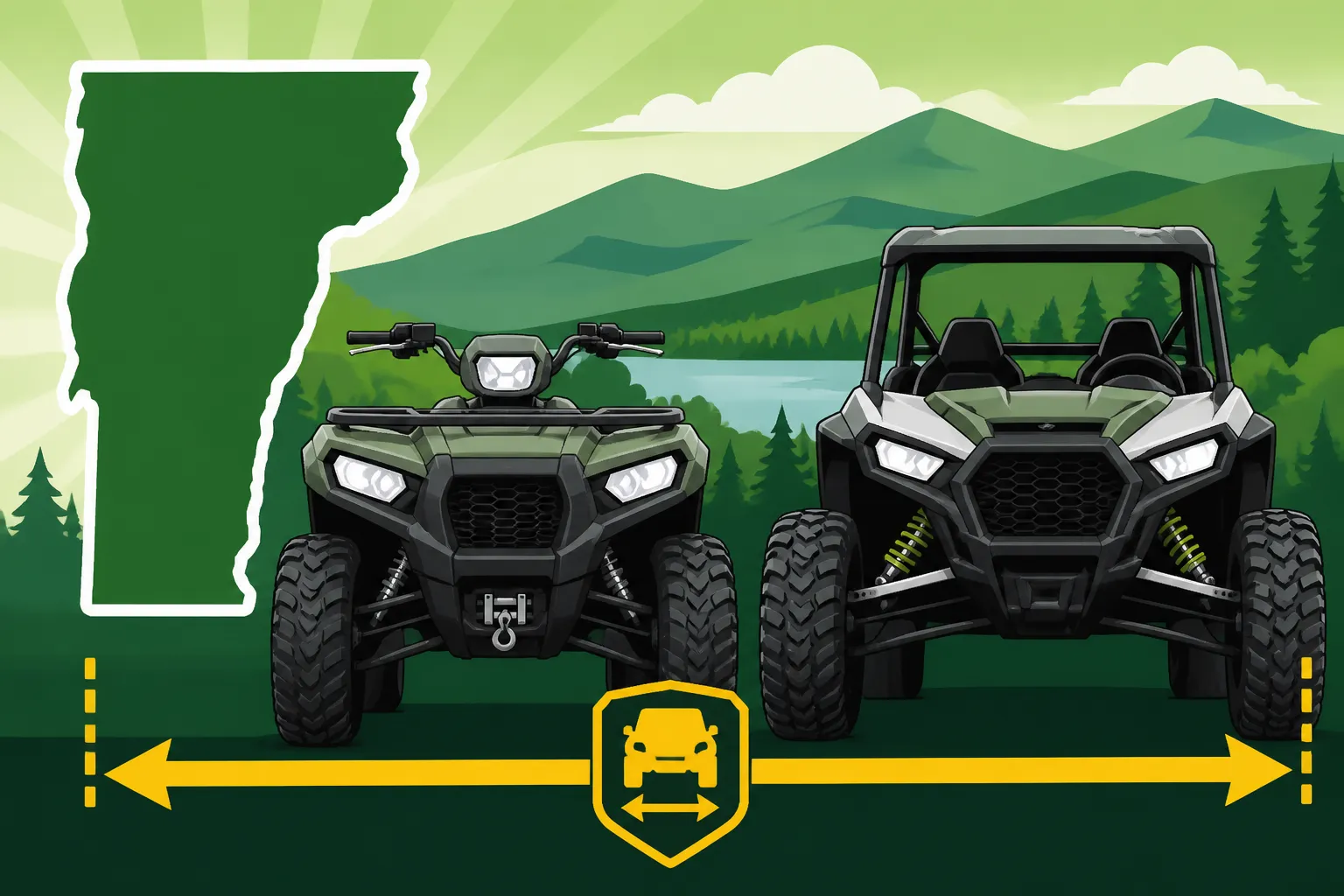
Vermont Machines Wider Than 72 Inches
It's incredibly frustrating when you've invested in a powerful, wider off-road machine, only to discover that its dimensions might put you outside the standard definitions for registration and trail access in Vermont. Many riders don't realize that a few extra inches can completely change how their vehicle is classified, leading to confusion and unexpected hurdles. This comprehensive guide will walk you through Vermont's specific regulations concerning machines wider than 72 inches, explaining the implications for registration, trail access, and what you need to know to enjoy your ride legally.
Vermont's ATV Definition: Where 72 Inches Matters
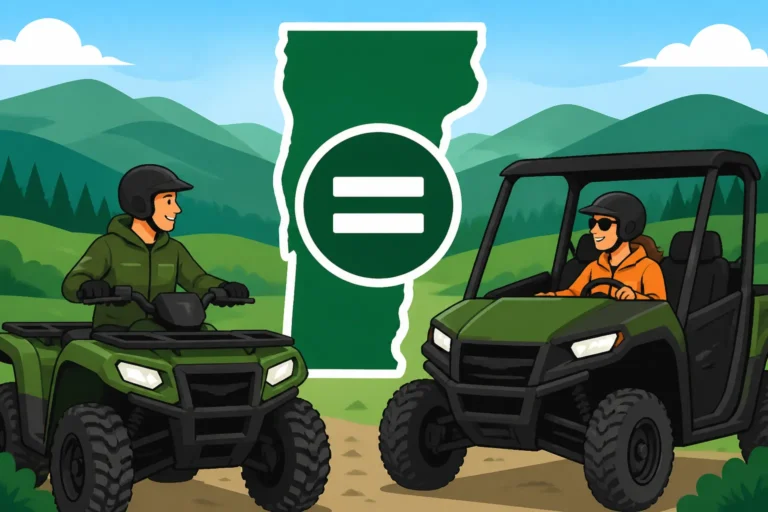
Vermont has very specific definitions for what constitutes an All-Terrain Vehicle (ATV) and an All-Terrain Vehicle, Class A (ASV, or what many might call a UTV or side-by-side). These definitions are not just bureaucratic jargon; they directly impact how you register your machine, how much you pay, and where you can legally ride. The 72-inch width threshold is one of the most significant distinctions, catching many riders off guard.
Understanding the Standard ATV Parameters
For your machine to be considered a standard ATV in Vermont, it generally needs to meet a few key criteria. Historically, and still largely, this involves being a motorized vehicle designed for off-highway use, having three or more low-pressure tires, a seat designed to be straddled by the operator, and handlebars for steering. Crucially, it must also meet certain size and weight restrictions. The state wants to ensure that these vehicles are nimble enough for traditional ATV trails and don't pose undue wear or safety risks on specific corridors. If your machine is designed to be ridden sitting in seats rather than straddling one, or if it has a steering wheel instead of handlebars, you’re already looking at a different classification.
The primary width constraint for a traditional ATV often hovers around 50 inches, which is a common benchmark for many single-track style trails across the country. However, Vermont specifically introduced a significant change with [Vermont's 72-Inch, 2,500-Pound ATV Definition], setting the stage for wider machines to be considered differently. It's not just about the seat or handlebars; the actual footprint of your machine is a huge factor in its classification. This distinction is vital because it determines if you'll be registering it as a regular ATV or the wider ASV.
The Rise of Wider Machines and the ASV Class
Over the past decade or so, the popularity of side-by-sides (SxS) and utility task vehicles (UTVs) has exploded. These machines offer incredible versatility, often featuring multiple seats, cargo beds, and a wider, more stable stance. They're fantastic for everything from utility work on a farm to family trail adventures, offering comfort and capability that traditional ATVs sometimes lack. However, many of these modern machines inherently exceed the traditional ATV width limits, often pushing past the 60-inch, or even the 64-inch mark, and increasingly, the 72-inch threshold.
Recognizing this growing trend and the practical realities of how these vehicles are used, Vermont created the All-Terrain Vehicle, Class A (ASV) category. This class specifically accommodates those wider, heavier machines that don't fit the traditional ATV mold. If your side-by-side is wider than 72 inches, or exceeds 2,500 pounds dry weight, it's highly likely to fall into the ASV category. This distinction isn't just a label; it carries real-world implications for your registration fees, the type of plate you get, and most significantly, where you'll actually be allowed to ride within the state's extensive trail network. Understanding this early can save you a lot of headaches later on.
The Impact of Machine Width on Registration
When your machine tips the scales past the 72-inch width mark (or the 2,500-pound dry weight), it triggers a different registration process and fee structure in Vermont. This can be a source of confusion for many new owners, especially if they are accustomed to the registration rules for narrower ATVs. It’s not just a matter of checking a different box on a form; it signifies a distinct class of vehicle with its own set of rules.
Different Classes, Different Fees
The most immediate and noticeable difference when registering a wider ASV is the cost. Vermont distinguishes between ATVs and ASVs in its fee schedule. For a standard, narrower ATV, you might be looking at [Vermont ATV Registration Cost] that's one rate, usually a bit lower. However, if your machine is classified as an ASV, you'll find yourself paying a higher annual fee. For instance, [Vermont ASV Registration at $108 a Year] is a common figure for a one-year registration, while a two-year option like [Vermont ASV Two-Year Registration at $211] is also available.
This difference in fees isn't arbitrary; it reflects the state's recognition of a different type of vehicle, potentially with different impacts on infrastructure and administration. It's a key point that owners of larger side-by-sides need to be aware of when budgeting for their recreational or utility vehicle. It's a moment of truth for many, realizing that their powerful new machine comes with a slightly steeper entry cost for legal operation on Vermont's trails and designated roads. Always check the official Vermont DMV website or contact them directly for the most current fee schedules, as these figures can be subject to change over time.
Paperwork and Proof of Ownership for Wider Machines
Regardless of your machine's width, the general process for registration in Vermont remains largely the same. You'll need to provide proof of ownership, which could be an original Manufacturer's Certificate of Origin (MCO) for a new machine, or a bill of sale and possibly a previous title for a used one. If you're buying privately, especially a used machine, it's paramount to ensure you have a solid [Proof of Ownership Vermont's DMV Will Accept]. A good bill of sale, often available as a template from resources like LawDepot, can make this process much smoother. Ensure all details are accurate, including the make, model, year, and VIN of the machine.
Sometimes, especially with older or privately imported machines, documentation can be a bit tricky. If you're missing a title or have an unusual situation, you might need to prepare an ownership affidavit. While the DMV provides forms, having a clear, legally sound document is essential, and platforms like LawDepot can offer templates to help structure such paperwork if you're navigating a less straightforward ownership transfer. Be prepared for clerks to scrutinize the VIN (Vehicle Identification Number) to ensure it matches your documentation. This is especially true for larger, more expensive ASVs, where the investment is significant, and the state wants to ensure legitimate ownership before issuing registration.
The Registration Process: In Person or By Mail
Once you have all your paperwork in order, including proof of ownership, your application for registration, and the correct fee, you can submit it to the Vermont Department of Motor Vehicles. Many riders opt to register in person at a DMV office, especially if they have questions or a complex situation, such as [Vermont Registration for a Machine Bought Out of State]. This allows them to get immediate clarification and ensure everything is correct before leaving. However, you can also often register by mail, which is convenient for renewals or if your documentation is very straightforward.
Remember, when your machine is identified as an ASV due to its width, the DMV clerk will process it under that specific category, which is where the higher fees come into play. It's not a negotiation; it's based on the physical characteristics and definition of your machine. Once processed, you'll receive your registration certificate and, importantly, the specific plate designed for an ASV. This plate typically indicates the ASV classification, making it clear to wardens and other riders what type of machine you are operating. For more details on the general steps, you might find [How to Register an ATV in Vermont] helpful, as the core process is similar even for an ASV.
Navigating Trail Access with a Wider Machine
Registering your wider ASV is only half the battle. The other crucial aspect for many riders is understanding where they can actually take their machine once it’s street-legal (for designated roads) and trail-ready. Unfortunately, for those with machines wider than 72 inches, trail access in Vermont can be more restrictive than for traditional, narrower ATVs. This is a common point of frustration, as riders may have purchased a powerful machine for trail riding, only to find their options limited.
VASA Trails and Width Restrictions
Vermont's vast and beautiful ATV trail system is primarily maintained and managed by the Vermont ATV Sportsman's Association (VASA) and its member clubs. This network relies heavily on the goodwill of private landowners and the hard work of volunteers. When these clubs establish or maintain trails, they often do so with specific machine dimensions in mind, influenced by factors like gate widths, bridge capacities, narrow sections through wooded areas, and even the type of equipment used for trail grooming.
Because of these practical limitations, many VASA trails have width restrictions. While some corridors, particularly those that follow old rail beds or wider logging roads, might accommodate machines up to 72 inches, many others will not. Some trails might have a 60-inch or 64-inch limit, strictly prohibiting wider ASVs from entry. It's imperative that you consult specific VASA trail maps and club guidelines before heading out. Don't assume that just because you have a valid [Vermont ASV Class A Registration Explained] and a TAD (Trail Access Decal), every trail is open to you. Ignoring these restrictions can lead to fines, trail damage, and, most importantly, jeopardizing the precious landowner permission that keeps the entire trail system alive. Always respect posted signs and club rules.
Designated Roads and Town Ordinances
While dedicated trails might be a challenge, many towns in Vermont have opened certain public roads, particularly gravel or Class 4 roads, to ATV and ASV use. This can offer an alternative for riders with wider machines. However, these road designations are determined by local selectboards and often come with their own specific rules and restrictions. For example, some towns might allow ASVs on designated roads but enforce speed limits, curfews, or even specific routes. [Vermont ATV Road Rules: Towns Decide] is a crucial aspect to understand.
It's common for towns to specify the types of machines allowed. While a town might open a road to "all-terrain vehicles," it's critical to verify if their definition includes your wider ASV. Some ordinances might specifically exclude machines over a certain width, even if they're registered as an ASV with the state. This is where local research becomes vital. Check the specific ordinances for towns like Brighton or Newport, which are known riding areas, to see their specific rules on machine width and classification. It's a patchwork system, so never assume; always verify before you venture out.
Finding ASV-Friendly Riding Areas
Given the limitations on many VASA trails, owners of wider ASVs often need to be more strategic about where they plan to ride. One option is to look for designated "Class A" routes or specific areas known to accommodate wider machines. These are often old logging roads, utility corridors, or broader sections of the VASA system that have been specifically engineered or designated for larger vehicles. Some clubs might even have dedicated ASV-friendly loops.
Another approach is to focus on private land riding, with explicit landowner permission, of course. If you own a large piece of property or have friends or family who do, you can ride your wider ASV there without worrying about state or club width restrictions. Just be sure to respect all property lines and local noise ordinances. For those seeking organized trail experiences, it might also be worth looking into commercial riding parks or specific guided tours, though these are scarce in Vermont. Some riders with wider machines choose to travel to neighboring states like New Hampshire, where some trail systems are more lenient with UTV width restrictions, but even then, always check those states' specific regulations and permit requirements before you go.
Potential Solutions and Considerations for Owners
Owning an ATV or UTV that's wider than 72 inches in Vermont can certainly present some unique challenges, but it doesn't mean you're out of luck. There are various considerations and solutions that can help you make the most of your machine, ensuring you're riding legally and responsibly within the state.
Verifying Machine Specifications
Before you even register or plan your first ride, it's absolutely critical to know the exact specifications of your machine. Don't just eyeball it or rely on manufacturer marketing that might round down. Get out a tape measure and physically confirm the width. Check your owner's manual for the official dry weight and width specifications. This precise information is what the DMV and trail systems will rely on. Many modern side-by-sides are indeed Vermont Machines Wider Than 72 Inches or [Vermont Machines Over 2,500 Pounds], pushing them into the ASV category. Knowing this upfront will prevent surprises during registration and save you potential frustration on the trails.
If you're in the market for a new machine and trail access is a high priority, carefully consider the width. Some manufacturers offer models specifically designed to be "trail-friendly" or "50-inch compliant," but many popular sport UTVs prioritize suspension travel and stability, which naturally increases width. Be honest with yourself about where you plan to ride most often. If Vermont's narrower VASA trails are your primary goal, a wider machine might lead to disappointment.
Exploring Reciprocity and Out-of-State Options
For Vermont residents with wider ASVs who find local trail options too restrictive, or for visitors bringing their wide machines into the state, understanding reciprocity rules is important, though often limited. Vermont does have some reciprocity agreements for registration with neighboring states and provinces, such as [Vermont Recognizes Quebec Registrations] or [Vermont Recognizes New Hampshire Registrations]. However, this typically only covers the registration aspect, not necessarily the trail access rules. You will still need a [Vermont TAD for a Visitor's Machine] to ride on VASA trails, and the width restrictions of those trails still apply.
Many owners of wider side-by-sides in Vermont choose to trailer their machines to trail systems in other states where width restrictions are less stringent, or where there are more designated routes for larger UTVs. New Hampshire's Jericho Mountain State Park, for instance, is a popular destination that often accommodates a wider range of vehicles. While this requires more logistical planning, it can open up a world of riding opportunities that might not be available within Vermont's tighter width limits. Just be sure to research the registration, permit, and equipment requirements of any out-of-state trail system before you go.
Legal Documentation and Compliance
Regardless of your machine's width, having impeccable legal documentation is always in your best interest. This includes your registration certificate, proof of insurance (which is mandatory in Vermont, with specific [Vermont ATV Insurance Requirements]), and proof of ownership. Keep these documents, or clear copies, on your person or securely stored on your machine whenever you ride. In a situation where you might be questioned about your machine's classification, having all your paperwork in order can make a big difference.
For any private sales or unique ownership situations, using reputable legal document templates can be invaluable. For example, if you're gifting a machine or need a robust bill of sale, services like LawDepot can provide customizable templates that meet common legal standards, giving both buyer and seller peace of mind. This attention to detail ensures that your ownership is clear and provides a paper trail if any questions arise about your machine's history or specifications. Being a responsible rider means being prepared for any scenario, and that starts with thorough documentation.
Table: Vermont ATV vs. ASV Classification Summary
Here's a quick comparison to help clarify the key differences between standard ATVs and the wider ASVs in Vermont, particularly focusing on how width plays a role:
| Feature | Standard ATV | ASV (All-Terrain Vehicle, Class A) |
|---|---|---|
| Primary Definition | Designed to be straddled, handlebars. | Often side-by-side, bucket seats, steering wheel. |
| Maximum Width | Generally 50-64 inches (many trails) | Over 72 inches (or over 2,500 lbs dry weight) |
| Dry Weight | Typically under 1,500 lbs | Over 2,500 lbs (or over 72 inches wide) |
| Seating | Operator straddles, one or two passengers in tandem | Multi-seat configurations (two, four, six passengers) |
| Steering | Handlebars | Steering wheel |
| Registration Cost | Lower annual fee | Higher annual fee (e.g., [Vermont ASV Registration at $108 a Year]) |
| Trail Access | Generally wider access on VASA trails | Often restricted on narrower VASA trails; check specific maps |
| Plate Type | Standard ATV plate | ASV-specific plate (Class A designation) |
This table highlights why those extra inches are so important in Vermont. It’s not just a minor detail; it’s a classification that changes your entire interaction with the state's off-road regulations.
Conclusion
Navigating the world of ATV and UTV ownership in Vermont, especially with machines that push the limits of traditional definitions, requires a bit of homework and a willingness to adapt. If your machine is wider than 72 inches, or falls into the ASV category due to its weight, you're looking at a different set of rules for registration and, significantly, for where you can legally and safely ride on the state's trail network.
By understanding the distinctions between ATVs and ASVs, familiarizing yourself with the specific registration costs, and diligently checking local town ordinances and VASA trail maps, you can avoid common pitfalls. While access might be more limited for wider machines on certain trails, a wealth of riding opportunities still exists on designated roads and in ASV-friendly zones. Always prioritize safety, respect landowner permissions, and keep your documentation in order—perhaps even utilizing resources like LawDepot for any specific legal forms you might need. Happy and legal riding out there in beautiful Vermont!
Disclaimer
This article is for general informational purposes only and does not constitute professional advice. Laws, prices and regulations vary by location and change over time. Consult a qualified professional for guidance on your specific situation.