Vermont Course Exception on Family Land
Vermont’s family-land ATV course exception is narrow: it may waive training only on qualifying family property, not on roads or trails.

Vermont’s family-land ATV course exception is narrow: it may waive training only on qualifying family property, not on roads or trails.

Vermont Safety Course for an Adult explains when training is optional, how to choose a recognized course, and what adults still need to ride legally.

Vermont requires a 17-year-old to complete the applicable ATV safety course before riding; the certificate does not replace registration or trail access.
Vermont ATV safety certificate lookup starts with the course provider. Find a lost record, confirm accepted proof, and keep it ready for a ride.
Vermont’s ATV safety course starts at age 12; riders under 18 need certification, with separate supervision rules for those under 16.

Vermont ATV safety course length depends on your pace and provider; plan for study and testing, then confirm timing and certificate rules before riding.
Vermont ATV safety course costs depend on format and provider; confirm the current fee, who needs certification, and how to keep proof before riding.

A Vermont TAD is generally needed on each machine used on VASA trails; rental operators should confirm it is valid and attached before pickup.

Vermont kids generally do not need personal TADs; each ATV needs its own required decal, while youth training and supervision rules apply to riders.
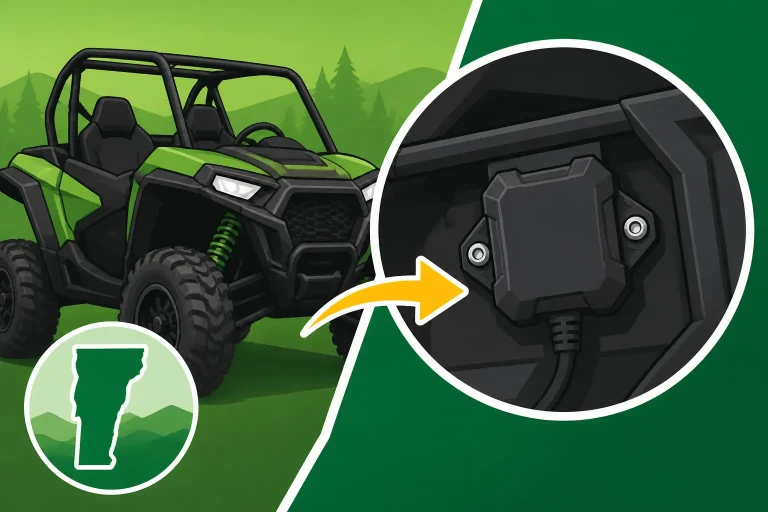
Vermont TAD placement on the machine matters: mount the current decal visibly on the left side, keep it readable, and separate it from registration.