Club Members Who Report Non-Members
Vermont ATV trail reports should focus on observable conduct: check for a valid TAD, document facts, and contact the appropriate club or authority safely.
Your sticker stops at the state line.
Non-resident permits, what they cost and how long they last, and which states honor each other’s — or, increasingly, none at all.

Vermont ATV trail reports should focus on observable conduct: check for a valid TAD, document facts, and contact the appropriate club or authority safely.
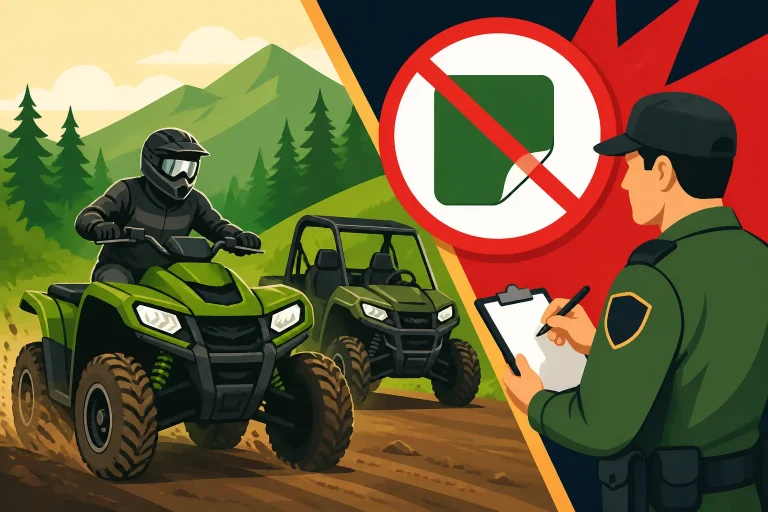
Vermont ATV riders can face citations for entering trails without a valid TAD; check registration, reciprocity, decal placement, and route access before riding.
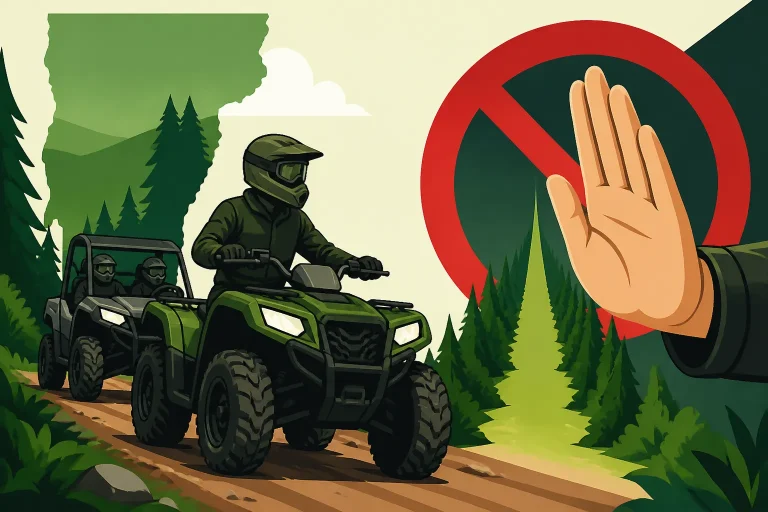
Vermont ATV riders generally do not need a separate decal for each VASA corridor, but valid TADs, marked routes, and local closures matter.

Being turned around at a Vermont ATV gate may mean a closure, access limit, or missing decal; verify the route before choosing another way.

Vermont ATV and UTV riders need a valid registration plate and a separate Trail Access Decal for VASA trails; neither replaces the other.
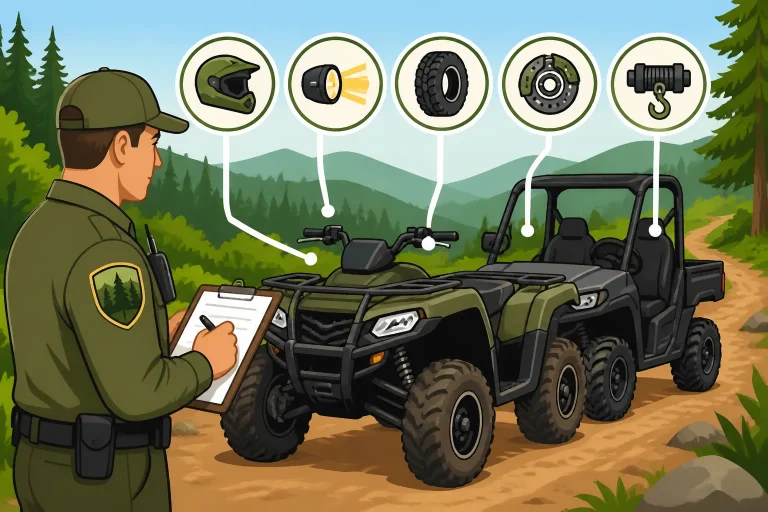
What a Vermont ATV trail warden may check: registration, trail decal, insurance, training, machine setup and whether you stay on marked routes.

A Quebec-registered ATV may ride in Vermont under reciprocity, but valid registration does not grant trail access or landowner permission.

Registering your ATV at home before visiting Vermont can simplify reciprocity, but a valid plate does not replace the trail access decal or local rules.
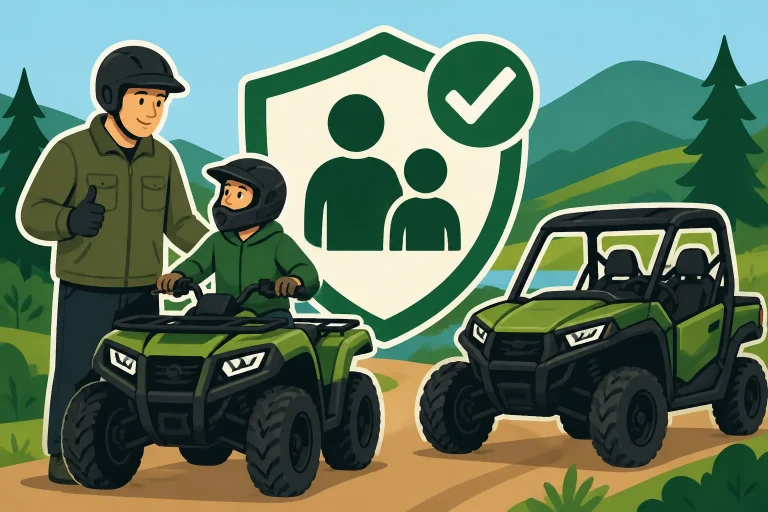
Vermont ATV supervision for riders under 16 centers on highway crossings: an adult 18 or older must supervise; supervision does not grant road access.

Vermont ATV direct supervision means an eligible adult stays close and attentive; age, training, trail access, and land rules still matter.