Cell Dead Zones in the Kingdom
Cell service in Vermont’s Northeast Kingdom, and how to navigate, keep groups together, and handle emergencies safely.
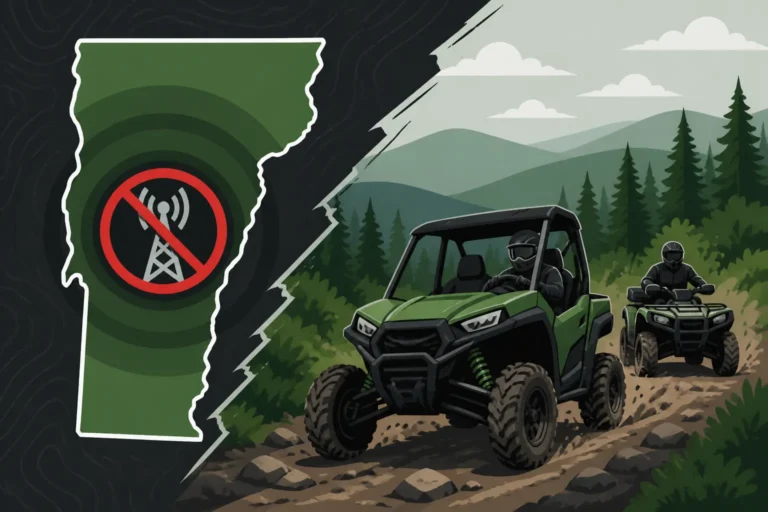
Cell service in Vermont’s Northeast Kingdom, and how to navigate, keep groups together, and handle emergencies safely.
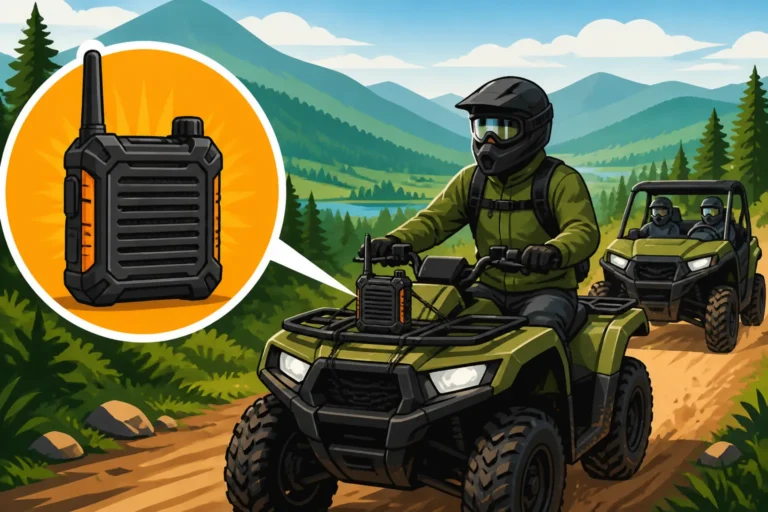
Two-way radios help Vermont ATV groups stay connected despite poor cell service, demanding terrain, and spread-out riders.
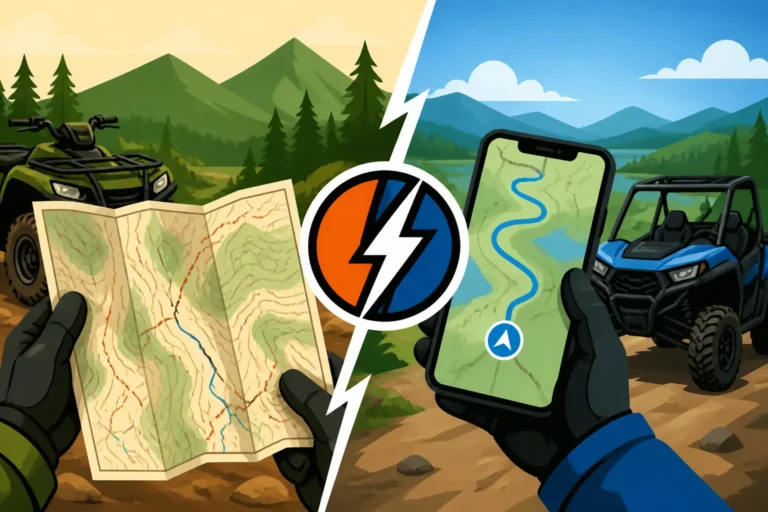
Paper maps and phone apps for Vermont trails offer different navigation benefits, technical limits and preparation rules.
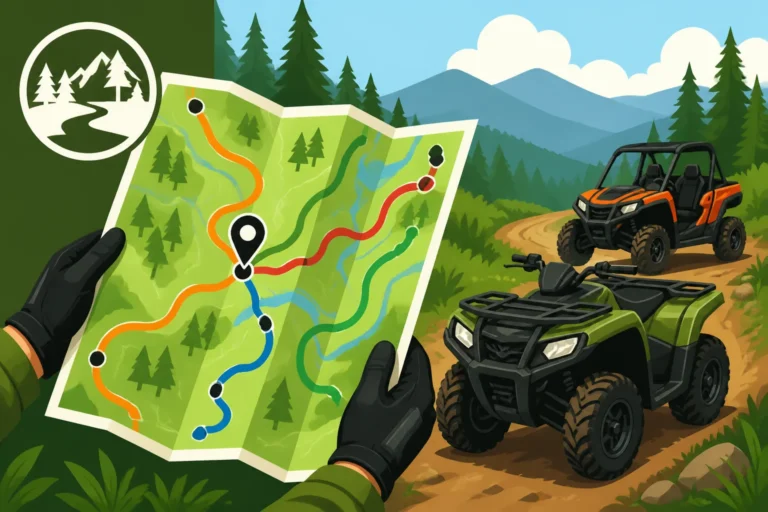
Reading a VASA club trail map helps riders understand corridor markings, road connections, closures, and trail legends.
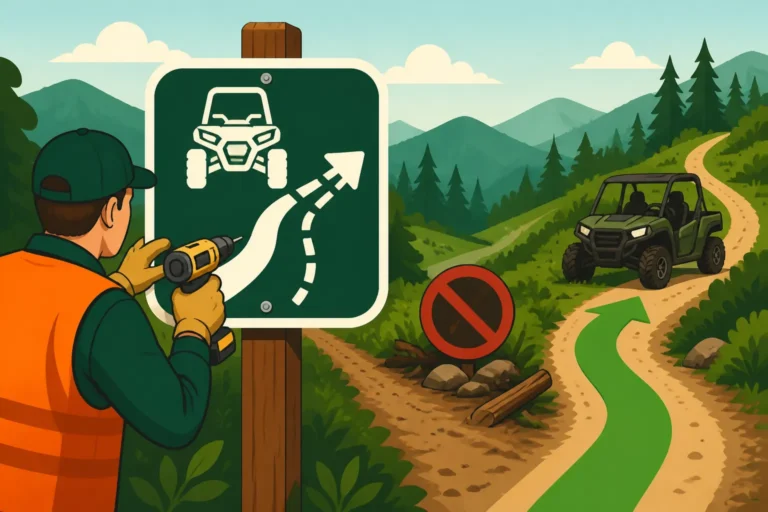
VASA trail reroutes explain why paths change and how riders must follow posted signs to protect landowner access.
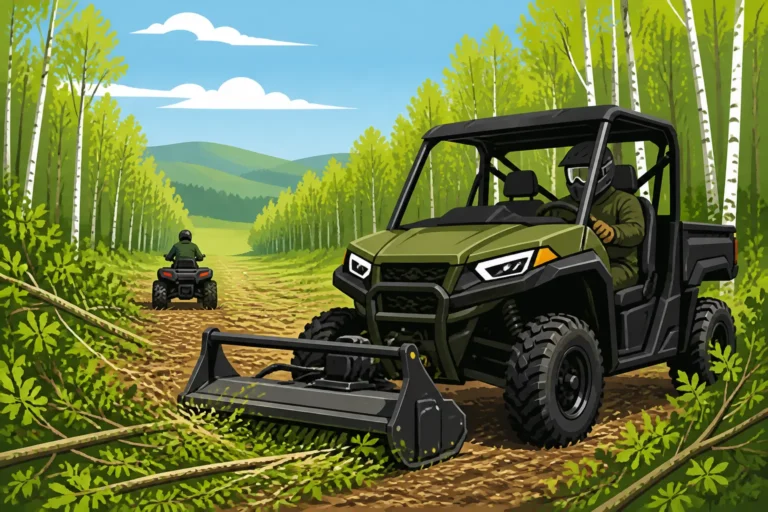
Vermont ATV corridor brushing instructions explain how volunteers coordinate with clubs, respect private land, and select practical tools.
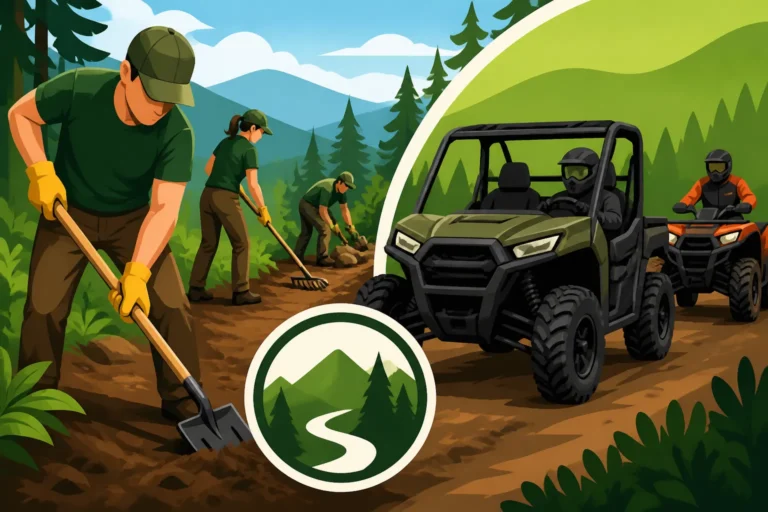
Vermont trail work weekends involve clearing brush, repairing drainage, and preparing local ATV corridors for riders.
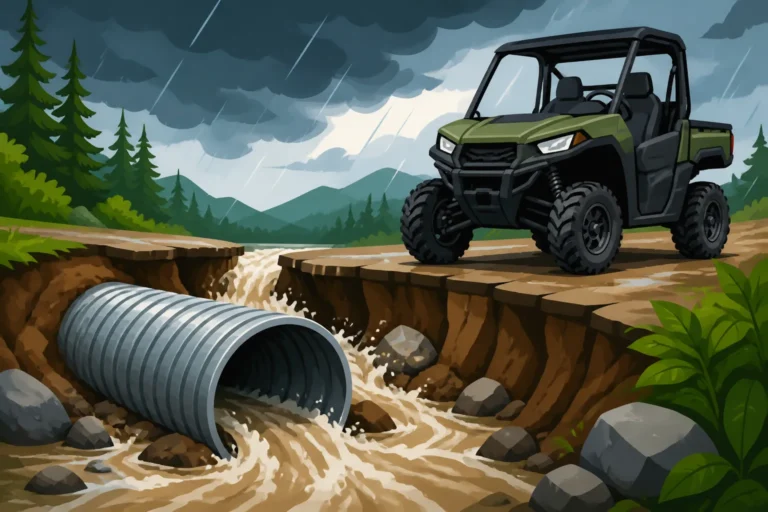
Vermont trail storm damage and washed-out culverts require specific responses to check conditions and avoid making damage worse.
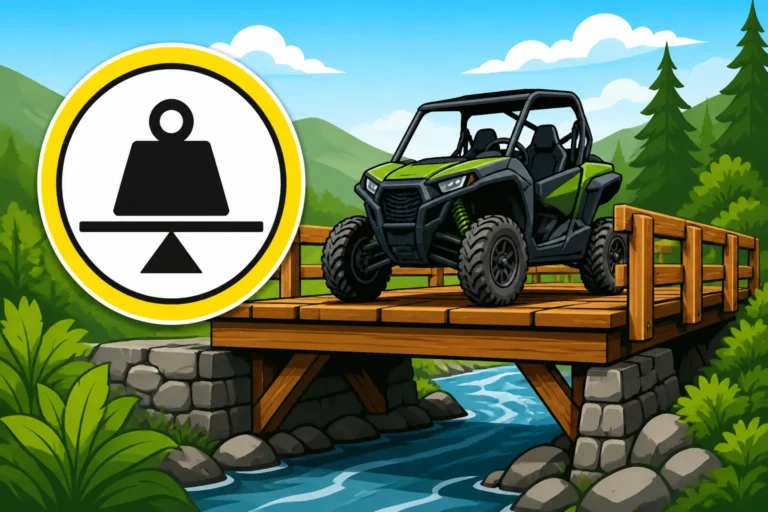
Bridge weight limits on Vermont ATV trails protect structures. This explanation helps riders assess posted restrictions and avoid risks.
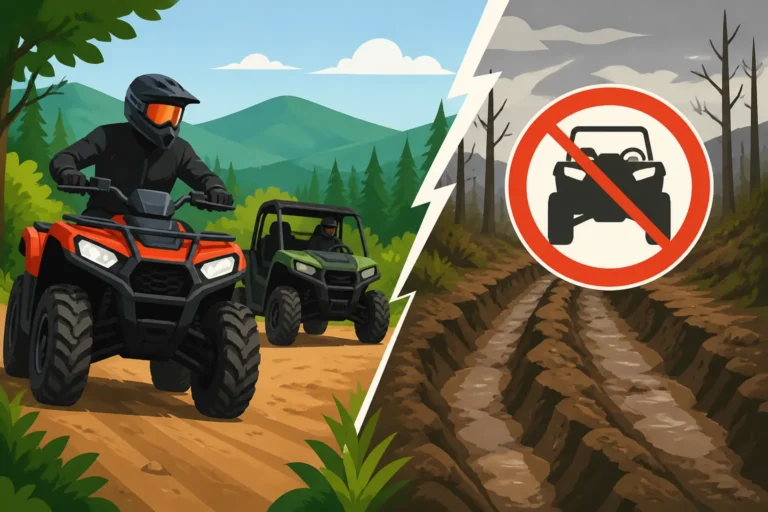
ATV tire traffic causes Vermont trail rutting by digging deep grooves in wet soil, prompting clubs to close corridors so damaged ground can dry.