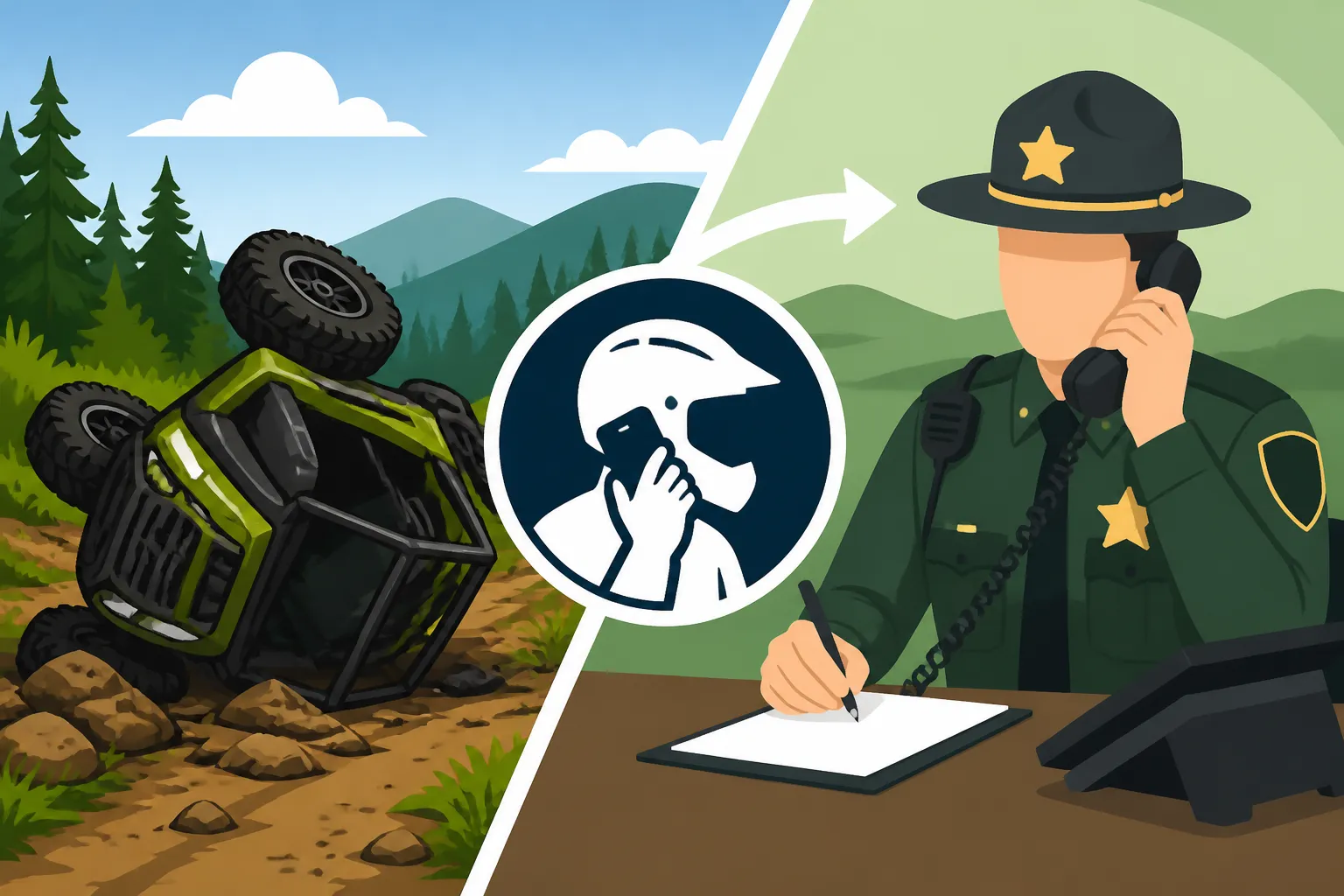
Reporting a Crash to a Town Constable
It's an unfortunate truth that even the most careful ATV and UTV riders can find themselves in an accident. When a crash happens on Vermont's trails or designated town roads, the immediate aftermath can be chaotic and confusing, leaving you wondering who to call and what steps to take next. This guide is here to cut through that confusion, focusing specifically on how and why you might need to report an ATV or UTV crash to a local town constable, ensuring you handle the situation correctly and responsibly.
Understanding Your Obligation After an ATV/UTV Crash in Vermont
Experiencing an ATV or UTV crash is startling, to say the least. Your mind races – is everyone okay? Is the machine ruined? And then, a new question often bubbles up: do I even need to report this? In Vermont, the answer is often a resounding "yes," especially when certain criteria are met. It’s not just about adhering to the law; it’s about protecting yourself, others, and the integrity of the trail system we all share.
When a Report is Required and Why
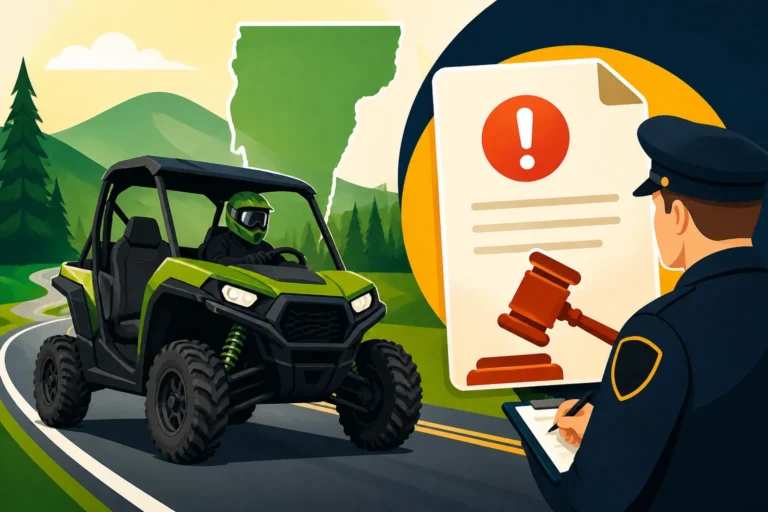
Vermont law, like most states, has clear guidelines for when an incident involving an off-road vehicle must be reported. Generally, if an ATV or UTV crash results in personal injury, death, or significant property damage – typically exceeding a certain dollar amount – you are legally obligated to report it. This isn't some arbitrary bureaucratic hurdle; it serves several critical purposes. For starters, it creates an official record, which is absolutely vital for any subsequent insurance claims. Imagine trying to get your machine repaired or cover medical bills without documented proof of the incident. An official report also provides crucial data for safety agencies, helping them identify dangerous areas, improve trail design, or adjust regulations to prevent similar accidents in the future. Ignoring these requirements can lead to serious legal consequences, including fines, penalties, and even charges if someone was injured or property was significantly damaged. Always err on the side of caution and report.
The Specific Role of a Town Constable
In Vermont, law enforcement isn't just about State Police troopers or county sheriffs. Many towns have a local town constable, who plays a vital role in maintaining peace and enforcing local ordinances. A town constable is a municipal law enforcement officer, often working part-time, whose authority is typically confined to the specific town they serve. This makes them a key contact point for incidents occurring within those town limits, particularly on roads or trails designated for ATV use by the local selectboard. For example, if you have a mishap on a town-designated trail in, say, Brighton or Newport, your local constable might be the most direct and appropriate authority to contact. They are intimately familiar with local terrain, ordinances, and community resources. While State Police would handle serious incidents anywhere, a constable might be your first line of contact for less severe, but still reportable, incidents within their jurisdiction. Understanding [Who Enforces ATV Rules: Warden or Town Officer?] can help clarify which authority to approach.
Initial Steps at the Scene
The moments immediately following an ATV or UTV crash are crucial, both for safety and for gathering the information you'll need for a report. Your first priority, always, is safety. Check yourself and any passengers or others involved for injuries. If anyone is hurt, especially seriously, your immediate action should be to call 911 for emergency medical services. Even if you think it's minor, adrenaline can mask pain, and a quick check by professionals is always wise.
Once immediate safety and medical needs are addressed, secure the scene as best you can to prevent further incidents. If possible and safe, move your machine to the side of the trail or road. Then, start documenting everything. Use your phone to take photographs from various angles – show the position of the machines, any damage, the surrounding environment, and any relevant trail conditions. Get contact information from any witnesses. Exchange information with other involved parties, including names, contact numbers, and insurance details. It’s tempting, especially in a minor fender-bender, to simply shake hands and ride off, but this can lead to massive headaches later. You might discover an injury or damage that wasn't immediately apparent, and without a record or contact information, you could be left footing the bill. Having a good understanding of what your machine is equipped with, whether it's stock or has robust aftermarket parts from a company like SuperATV, will help you accurately describe any damage.
The Process of Reporting to a Town Constable
Once the immediate aftermath is handled, the next step is to formally report the incident. While the State Police often handle major accidents, town constables are perfectly capable and often the preferred contact for incidents within their municipal boundaries. Knowing how to reach them and what information they'll need can make the process much smoother during a stressful time.
How to Contact Your Town Constable
Finding your town constable isn't always as straightforward as dialing 911, especially if the situation isn't a life-threatening emergency. For non-emergencies, avoid using 911, as that line needs to be kept open for true emergencies. Instead, you'll typically want to call your town's non-emergency police or sheriff's department number, or even the town clerk's office, which can usually direct you to the constable or their contact information. Many smaller Vermont towns have limited law enforcement presence, and the constable might be a volunteer or part-timer. This means you might need to leave a message and wait for a callback. In some very rural areas, a town might not have an active constable, or they may have an agreement to defer all law enforcement duties to the county sheriff or Vermont State Police. If you can't reach a constable directly, or if the situation seems to warrant broader jurisdiction, contacting the nearest Vermont State Police barracks is always a reliable option. It's helpful to know these details before an incident occurs, perhaps by checking your town's website or making an inquiry at the town office.
What Information You'll Need to Provide
When you do get in touch with the constable, having all your ducks in a row will greatly assist them in taking your report. They'll need specific details to accurately document the incident. Be prepared to provide:
- Your Personal Information: Full name, address, phone number, and driver's license number.
- Machine Information: Your ATV or UTV registration number (knowing [Vermont ATV Registration Costs and Terms] is important), make, model, year, and Vehicle Identification Number (VIN). Even if your machine is heavily modified with SuperATV components, having the original vehicle data readily available is crucial.
- Insurance Details: Your insurance company name and policy number. Remember, [Vermont Requires ATV Liability Insurance].
- Incident Details: The exact date and time of the crash. Be as precise as possible.
- Location: This is critical. Don't just say "on the VASA trail." Provide cross streets, trail markers, nearby landmarks, or GPS coordinates if you have them. "Near the old red barn on the Tri-County ATV Club trail, about half a mile from the Route 105 crossing" is much more helpful.
- Description of the Incident: A clear, concise, and factual account of what happened, in chronological order. Stick to the facts; avoid speculation or assigning blame.
- Damage Description: Detail the damage to your machine, other machines, or property.
- Injuries: Document any injuries to yourself or others, even if they seem minor.
- Witness Information: Names and contact details for any witnesses.
- Photos/Videos: Offer any visual evidence you collected at the scene.
A thorough and accurate report is essential for both your insurance company and for any potential legal proceedings.
What to Expect During the Report
Once the constable arrives or you meet them to file the report, expect a structured process. They will likely ask you to recount the incident in detail, often multiple times, to ensure consistency and clarity. They will take notes, and possibly photographs of the scene if they respond directly, or of your damaged vehicle. They might measure skid marks, note road conditions, or examine trail signage.
Their role is to gather facts, not to determine fault on the spot. Be honest and cooperative. Attempting to hide details or mislead an officer can backfire severely. The constable may also speak with other involved parties or witnesses. If there's evidence that traffic laws or ATV ordinances were violated – such as excessive speed on a town road ([Vermont ATV Speed Limits on Town Roads]) or riding where ATVs aren't permitted – you might receive a citation. This is separate from the accident report itself but often stems from the same incident. Understand that receiving a citation doesn't necessarily mean you're at fault for the crash, but it indicates a separate infraction. The constable will typically provide you with a case number or a copy of the incident report, which you'll need for your insurance company.
After the Report: What Happens Next?
Filing the report is a huge step, but it's rarely the final one. There are still crucial actions to take to ensure your rights are protected, your machine gets fixed, and you learn from the experience.
Following Up with the Constable and Other Authorities
Once the constable has completed their initial report, it’s wise to follow up. Obtain a copy of the official report as soon as it’s available. This document is the cornerstone of your insurance claim and any potential legal actions. It will contain essential details, including the constable’s findings, witness statements, and possibly a diagram of the accident scene. Keep this report in a safe place.
Depending on the severity of the crash, other authorities might need to be notified. If the accident occurred on a VASA (Vermont ATV Sportsman's Association) trail, you might need to inform the local VASA club, as they often rely on accident data to improve trail safety and maintenance. In cases of serious injury or fatality, the Vermont Department of Motor Vehicles (DMV) may also become involved, regardless of who initially took the report. Always consult your insurance provider; they can guide you on any specific forms or notifications required by the state or their policy. Understanding the full scope of [Vermont ATV Accident Reporting] requirements can save you a lot of hassle.
Insurance Claims and Legal Implications
With the official report in hand, your next critical step is to contact your ATV or UTV insurance provider. Provide them with all the details, including the constable's report number. Your insurance company will use this information to process your claim for damages to your machine, medical expenses, or liability if you caused damage to another's property or vehicle. Remember, having adequate [Vermont ATV Insurance Requirements] is not just a legal obligation but your financial safeguard.
Beyond insurance, there could be legal implications. If injuries were severe or property damage substantial, you might face civil lawsuits for damages. Conversely, if another party was at fault, you might pursue legal action to recover your losses. This is where the accuracy and detail of the constable's report become paramount. It provides an objective account that can support or refute claims. Also, be aware of damage to public property; if you damage trail infrastructure, a guardrail, or a sign, there could be separate restitution requirements. For repairs, whether you're looking for OEM parts or upgrading with robust components from SuperATV, documenting costs is important for your claim.
Learning from the Incident
No one wants to be in an accident, but every incident, no matter how minor, offers an opportunity to learn and improve. After everything is settled, take some time to reflect on what happened.
- Review the circumstances: Could anything have been done differently to prevent the crash? Was it a mechanical failure, operator error, environmental conditions, or a combination?
- Machine Maintenance: Was your ATV or UTV in top condition? Regular checks of brakes, tires, steering, and lights are not just good practice; they're essential for safety. A pre-ride inspection can prevent many common mechanical failures.
- Riding Skills: Are there areas where your riding skills could be improved? Consider taking an ATV safety course, especially if you're new to the sport or if you have younger riders in your family. While [Vermont ATV Safety Course Required Under 18] is mandatory for youth, even experienced adult riders can benefit from refresher training.
- Gear and Equipment: Was your safety gear adequate? This includes not just your helmet, which is legally required by [Vermont ATV Helmet Law for Every Rider], but also proper eye protection, gloves, long pants, and sturdy boots. Aftermarket accessories from companies like SuperATV can also enhance protection, like skid plates or heavy-duty bumpers, which might have mitigated damage in your incident.
- Awareness: Were you fully aware of your surroundings, trail conditions, and local ordinances, such as [Vermont ATV Speed Limits on Town Roads]? Complacency can be a rider's worst enemy.
By thoroughly reviewing the incident, you not only ensure you've met your legal and financial obligations but also become a safer, more responsible rider, contributing to a better experience for everyone on Vermont's trails and roads.
Here's a quick guide to help you decide who to contact in different crash scenarios:
| Incident Type | Best Initial Contact | When to Use | Additional Considerations |
|---|---|---|---|
| Serious Injury or Death | 911 (Emergency Services) | Always, regardless of location. | Vermont State Police will likely take over the investigation. Ensure scene is safe. |
| Significant Property Damage (>$500-$1000) | Local Town Constable or VT State Police (Non-Emergency) | If on town roads or local trails. If unavailable, State Police. | Required for insurance claims. Document everything with photos. Know who enforces rules in your specific area; sometimes it's a warden. |
| Minor Property Damage (No Injuries) | Local Town Constable or VT State Police (Non-Emergency) | If on town roads or local trails. If unavailable, State Police. | Even minor damage should be reported for documentation, especially if it involves another party or public property. |
| Accident on VASA Trail (No Emergency) | Local Town Constable / VT State Police (Non-Emergency) AND Local VASA Club | After contacting law enforcement for official report. | VASA clubs often need to know about incidents for trail maintenance, safety improvements, and landowner relations. |
| Single Machine Accident, No Injuries, Minor Damage on Private Land | Yourself / Private Landowner | If only your machine is involved and no one else's property damaged. | While not legally required to report to authorities, still inform the landowner if you're on their property. Take photos for your own records and insurance claim, if applicable. |
Disclaimer
This article is for general informational purposes only and does not constitute professional advice. Laws, prices and regulations vary by location and change over time. Consult a qualified professional for guidance on your specific situation.