Frost Heaves and Spring Road Damage
Ah, spring in Vermont! There’s nothing quite like the anticipation of shedding those winter layers and hitting the trails or cruising the back roads on your ATV or UTV. But let's be real, that early spring sunshine can be a cruel trickster, revealing a landscape of truly challenging road conditions. If you've ever felt like your spine was being compressed or your machine was about to shake itself apart on what should be a pleasant ride, you're not alone. This guide is all about understanding those infamous frost heaves and other springtime road damage in Vermont, and how to navigate them safely and smartly with your off-road vehicle.
Understanding Frost Heaves: Vermont's Unique Challenge for Riders
When the snow finally melts and the days grow longer, many Vermonters eagerly pull their ATVs and UTVs out of storage, dreaming of open roads and winding trails. But before you get too far, you’re almost guaranteed to encounter that quintessential spring phenomenon: the frost heave. These aren't just minor bumps; they can be spine-jarring obstacles that make riding a true test of patience and machine durability. Understanding what they are and why they form is the first step to conquering them.
The Science Behind the Bumps: Why They Happen
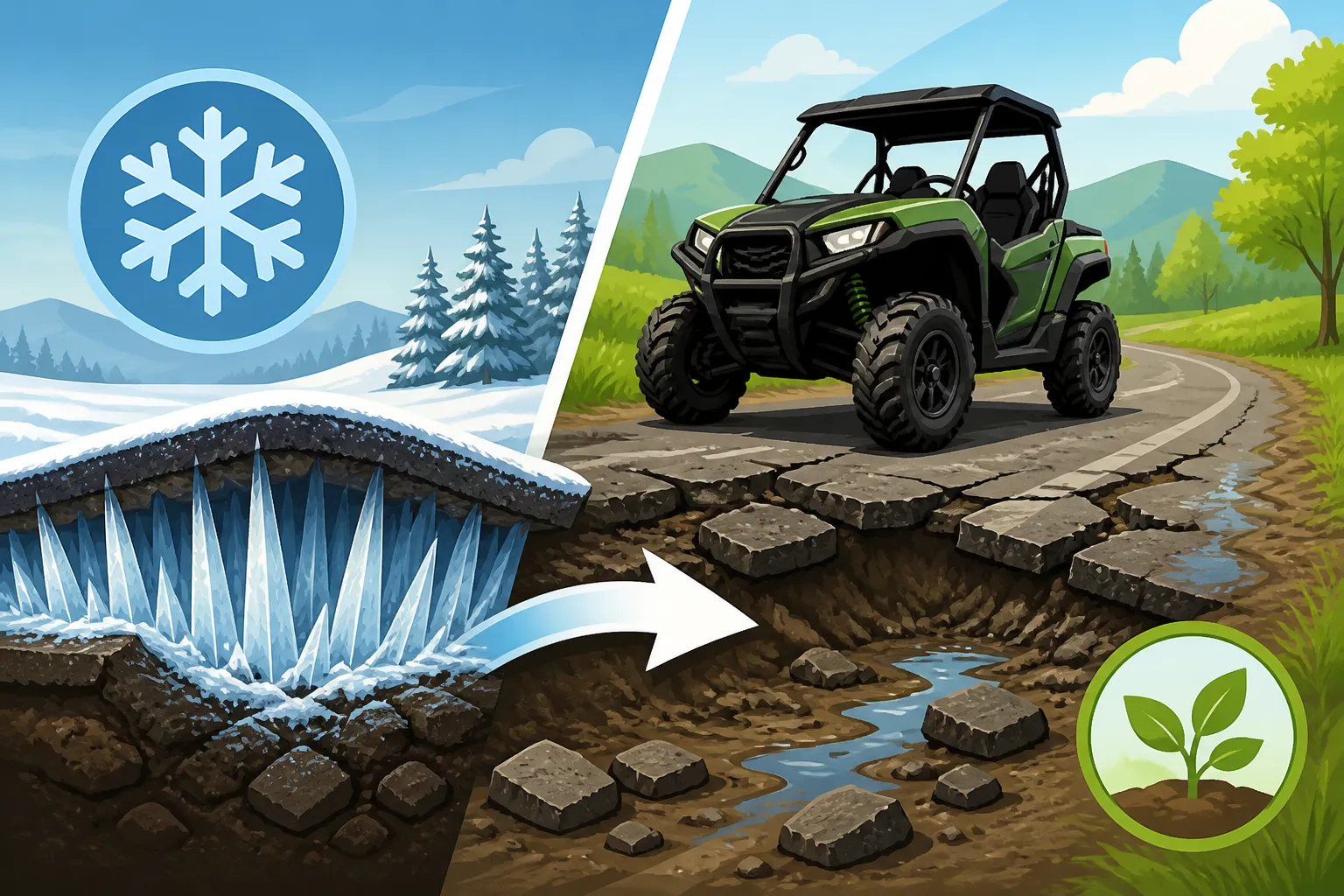
Frost heaves are essentially underground ice formations that push up and distort the ground above them, creating those dramatic, uneven sections of road we all dread. This process starts with water. Vermont's winters mean plenty of moisture in the soil, whether from rain, melting snow, or groundwater. When temperatures fluctuate around freezing, this water in the soil freezes and expands, forming ice lenses. Think of it like a giant underground ice cube pushing against everything above it. As more water is drawn to these growing ice lenses, they expand further, lifting the soil and pavement.
The critical factor is the freeze-thaw cycle, which is incredibly common in Vermont during late winter and early spring. A cold night freezes the ground, and a warmer day thaws the surface. This constant expansion and contraction gradually breaks up the road material, weakening its structure. When this happens repeatedly, the ground becomes unstable, and these ice lenses can create significant, often abrupt, bumps and depressions that are notoriously hard on any vehicle, let alone an ATV or UTV designed for off-road but still sensitive to sudden impacts.
Identifying Frost Heaves: What to Look For on Vermont Roads
Spotting a frost heave isn't always as obvious as seeing a giant pothole. They often manifest as long, undulating waves across the road surface, making it look like the pavement itself is breathing. On paved roads, you might see irregular cracks forming in geometric patterns, often accompanied by a noticeable rise or dip in the road. Sometimes, the entire road surface appears to have buckled or wrinkled. You might also notice sections of pavement that are significantly higher or lower than the surrounding area, creating sudden, jarring transitions.
On unpaved dirt or gravel roads, frost heaves can be even more insidious. They can present as pronounced washboard effects, deep ruts that suddenly appear, or areas where the gravel seems to have migrated, leaving behind softer, muddy patches. The key is their unpredictability – they can appear without warning and vary greatly in severity within a short stretch of road. Unlike a consistently bumpy trail, a frost heave on a road often presents a sharp, uneven impact that can throw your machine off balance.
The Impact on Your ATV or UTV: More Than Just a Bumpy Ride
Riding over frost heaves isn't just uncomfortable; it can be genuinely damaging to your machine and potentially dangerous for you. The constant, abrupt impacts can put immense stress on your ATV or UTV's suspension system. Shocks can be blown, A-arms bent, and bushings worn out far faster than usual. Your tires also take a beating, with the risk of sidewall damage or even losing a bead if you hit a sharp edge at speed. We’ve all been there, feeling that jarring impact that travels straight up your spine – it’s not just unpleasant, it’s a sign of significant force on your machine.
Beyond the suspension, steering components can suffer, leading to looseness or misalignment. Repeated shocks can also stress the frame, potentially causing cracks over time. But it's not just about machine wear and tear. Your control over the ATV or UTV can be severely compromised. Hitting an unexpected heave can cause you to lose traction, swerve, or even launch your machine unexpectedly, leading to a loss of control. This is especially true if you’re carrying a passenger or have a loaded bed. Safety is paramount, and understanding these risks helps you make smarter choices about where and how you ride in early spring. [Vermont ATV Equipment Requirements] are in place for a reason, and a well-maintained machine is safer all around.
Spring Road Damage: Beyond Just Frost Heaves
While frost heaves are a major player in Vermont's spring road drama, they're far from the only challenge. The transition from winter to spring unleashes a torrent of other issues that can turn a seemingly innocent road into an obstacle course for ATV and UTV riders. It’s important to recognize that a town's decision to open a road for ATV use comes with the expectation that riders will respect the conditions and help preserve the infrastructure, not worsen it.
Mud Season Mayhem: Soft Shoulders and Erosion
Ah, mud season. It’s as legendary in Vermont as maple syrup. As millions of gallons of snowmelt combine with spring rains, the ground becomes saturated, turning firm earth into treacherous muck. Road shoulders, in particular, become incredibly soft and unstable. What might look like a harmless puddle or a slightly damp edge of the road can quickly swallow a tire, pulling your ATV or UTV into a ditch or causing you to lose control. Erosion is another major concern, especially on dirt and gravel roads. Water runoff carves gullies and channels, often undermining the road surface and creating dangerous drop-offs.
These conditions aren't just a nuisance; they're a significant safety hazard. Trying to navigate around a muddy patch by venturing onto a soft shoulder can easily lead to getting stuck or even rolling your machine. Many towns specifically restrict or close roads to ATVs and UTVs during mud season, not out of spite, but to prevent further damage to already vulnerable roadbeds and to keep riders safe. It’s crucial to respect these seasonal closures, as tearing up a soft road leaves lasting damage that impacts everyone. [Vermont Mud Season Closures] are a real thing, and they're put in place for good reasons.
Potholes and Washouts: The Visible Scars of Winter
Potholes are the universal symbol of winter's end, and Vermont has no shortage of them. They form when water seeps into cracks in the pavement, freezes and expands, then thaws, leaving a void. The weight of traffic then collapses the weakened pavement, creating a hole. These can range from minor annoyances to tire-eating craters capable of instantly flatting a tire or bending a rim on an ATV or UTV. On dirt roads, potholes are often larger and filled with mud, making their true depth impossible to gauge until you're already in it.
Washouts, on the other hand, are typically more dramatic. They occur when heavy water flow, often from clogged culverts or severe runoff, completely erodes sections of a dirt or gravel road. This can leave gaping holes, collapsed sections of road, or even expose underlying pipes and utilities. Encountering a washout at speed can be catastrophic. These aren't minor bumps; they are road features that demand extreme caution, as they can cause severe damage to your machine and pose a serious risk of injury. It's a stark reminder that what looks like a simple dirt path can be hiding some truly nasty surprises.
Town Road Closures and Restrictions: What Riders Need to Know
Vermont’s towns have a unique relationship with ATVs and UTVs on their roads. While some [Vermont Selectboards Open Roads Each Year] to these machines, these designations often come with specific stipulations, especially concerning conditions like frost heaves and mud. It's common for towns to implement temporary closures or weight restrictions during spring to protect their infrastructure. These are not arbitrary rules; they are put in place to prevent severe damage to roads that are already weakened by winter and spring weather. Driving an ATV or UTV over a severely damaged road can exacerbate the problem, leading to deeper ruts, wider potholes, and accelerated erosion.
Always, and I mean always, check local town ordinances and look for posted signs before heading out. A road that was open last fall might be closed in the spring due to conditions. Ignoring these signs not only risks hefty fines but also damages the relationship between riders and local communities, potentially leading to permanent closures. The best approach is to plan your route carefully, stay informed, and respect the local rules. [Vermont ATV Road Rules by Town] can vary widely, so a quick check online or with the local town clerk can save you a lot of trouble and protect your riding privileges.
Navigating Damaged Roads Safely: Tips for Vermont ATV/UTV Riders
Riding in Vermont during spring means accepting that you'll likely encounter some challenging road conditions. But with the right preparation and riding techniques, you can still enjoy the beauty of the season without turning your machine into a wreck or yourself into a casualty. It's all about being proactive and adjusting your approach to the conditions under your tires.
Pre-Ride Checks and Machine Preparation
Before you even think about hitting those spring roads, give your ATV or UTV a thorough once-over. This isn't just about routine maintenance; it's about preparing for impact. Start with your tires: check the pressure carefully. While some riders might slightly lower tire pressure for more cushioning on extremely rough terrain, make sure it’s within a safe range. Too low, and you risk a flat; too high, and every bump feels like a hammer blow. It’s a fine balance.
Next, inspect your suspension. Are your shocks leaking? Are all the bushings intact? Even minor wear can be exacerbated by frost heaves. If you have adjustable suspension, consider softening it slightly for added comfort and better absorption of impacts. Don’t forget your steering components – tie rods, ball joints, and steering arms should all be free of excessive play. And of course, ensure your brakes are in top working order; you might need them suddenly. Carrying essential tools, a tire repair kit, and even a small air compressor can be a lifesaver if you encounter trouble far from home. For truly rugged conditions, products from SuperATV can offer upgraded components like heavy-duty A-arms or stronger tie rods, which can provide an extra layer of confidence and durability when tackling Vermont's toughest roads.
Riding Techniques for Rough Terrain
When you're out there facing those bumpy roads, your riding technique makes a huge difference. First and foremost, slow down. Speed is your enemy on rough, uneven surfaces. It amplifies every impact and drastically reduces your reaction time. Maintain a speed that allows you to see and react to hazards well in advance. As an experienced rider, you know that looking further down the trail, not just at your front tire, is critical.
When you see a series of frost heaves or rough patches, stand up on your footrests. This allows your legs to act as natural shock absorbers, protecting your spine and giving you better control over the machine. Keep your knees bent and let the ATV or UTV move beneath you. Choose your lines carefully; sometimes, the very edge of the road, or even the center crown (if safe and not obstructing traffic), might offer a smoother path than the main tire tracks. Avoid aggressive steering or braking over rough sections, as this can upset the machine's balance. Always maintain a safe following distance if riding in a group; dust and sudden obstacles can quickly obscure the rider in front of you. And remember, sometimes the best technique is simply to turn around if the road conditions are truly beyond what your skill level or machine can handle.
What to Do If You Encounter Significant Damage
So, you're out there, cruising along, and suddenly you hit a section of road that's just… broken. What do you do? First, if it's safe to do so, mark the hazard. If you're riding with others, alert them immediately. Your first priority is safety. If the damage is severe – a large washout, a collapsed culvert, or a series of dangerous heaves – do not attempt to cross it if there's any doubt about safety. It's far better to turn around and find an alternate route than to risk your machine or yourself.
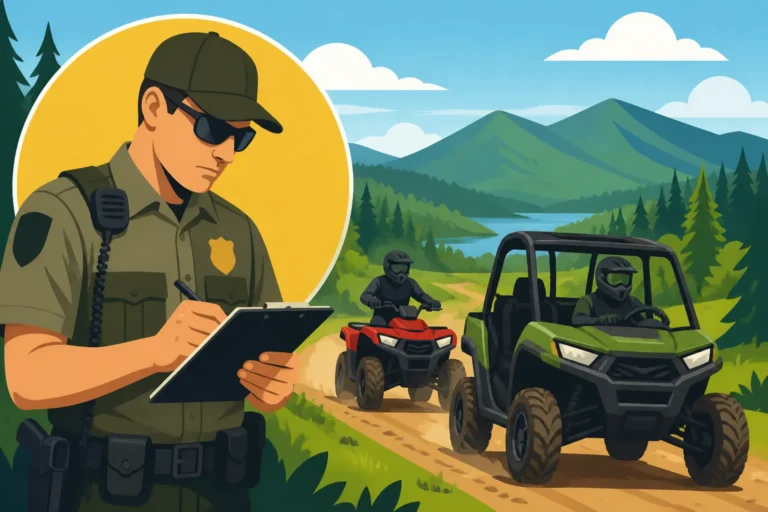
Report any significant road hazards to the local town authorities or highway department. Many towns appreciate citizens reporting dangerous conditions, especially on less-traveled roads. Make a note of the specific location and what you observed. If your machine does sustain damage, assess it carefully. Can you safely make a temporary repair to get back to civilization? Do you need to call for help? Having a reliable cell phone and letting someone know your route before you leave are always good practices, especially when venturing onto potentially unpredictable spring roads. Remember, a warden might ask about your preparedness if you run into trouble. [What a Warden Can Ask to See] includes proof of registration and insurance, but also your ability to safely operate your machine.
| Hazard Type | Characteristics | Impact on ATV/UTV | Safe Riding Strategy |
|---|---|---|---|
| Frost Heave | Undulating bumps, cracks, buckled pavement | Jars suspension, wears components, loss of control | Slow down, stand up, pick smooth lines, soften suspension |
| Pothole | Round/irregular holes, varying depth, often water-filled | Tire damage, bent rims, suspension impact | Avoid entirely, slow roll through if unavoidable |
| Soft Shoulder | Muddy, yielding edges of road | Getting stuck, potential rollover risk | Stay on hardened road surface, avoid edges |
| Washout | Deep ruts, eroded sections, exposed pipes | Catastrophic damage, loss of control | Do not attempt to cross, turn back or detour |
| Washboarding | Repetitive small ridges, usually on dirt roads | High vibration, reduced traction, rider fatigue | Maintain consistent, moderate speed; stand up |
Protecting Your Machine: Upgrades and Maintenance for Rough Vermont Roads
Riding Vermont's spring roads is going to be tough on your machine, there's no way around it. But you can mitigate a lot of the wear and tear, and significantly improve your comfort and safety, by investing in some smart upgrades and committing to diligent maintenance. Think of it as armor for your ATV or UTV.
Suspension Upgrades and Protection
Your suspension is the first line of defense against frost heaves and potholes. Stock suspension is often designed for general recreational use, but Vermont's conditions can quickly overwhelm it. Investing in heavy-duty shocks or a full suspension kit designed for more aggressive riding can make a world of difference. These upgrades typically offer more travel, better damping, and greater adjustability, allowing you to fine-tune your ride for the challenging terrain. Stronger A-arms, often made from chromoly steel, are also a fantastic upgrade. These can withstand impacts that would bend or break weaker stock components, keeping your wheels aligned and your steering precise.
Proper ground clearance is another critical factor. A lift kit not only allows for larger tires (which can offer better cushioning) but also keeps your undercarriage further from unexpected rocks or the sharp edges of a severe frost heave. Companies like SuperATV offer a range of suspension components, from lift kits to heavy-duty control arms, specifically designed to enhance durability and performance. While you’re upgrading, remember that regular maintenance, like lubricating bushings and checking for wear, is just as important as the initial investment.
Skid Plates and Underbody Armor
Below your ATV or UTV lies a host of vulnerable components: engine cases, differentials, control arms, and brake lines. These are all prime targets for impacts from hidden rocks, tree stumps, or the unexpected sharp edge of a road heave. Skid plates and underbody armor are essential protection, especially when navigating unpredictable spring roads. Aluminum skid plates offer a great balance of strength and weight, providing robust protection against most impacts. For even greater durability and a slicker surface that slides over obstacles rather than catching, UHMW (Ultra-High Molecular Weight) plastic skid plates are an excellent choice.
Full skid plate kits typically cover the entire undercarriage, from front to back, including crucial areas like the A-arms and CV boots. This comprehensive coverage means that if you misjudge a water bar or a rocky section, your machine's vital organs are shielded from damage. Without this protection, a single unfortunate impact could leave you stranded with a cracked engine case or a punctured differential. Many reputable brands, including SuperATV, offer complete skid plate systems designed for a wide array of ATV and UTV models, ensuring a perfect fit and maximum protection.
Tire Choices for Varied Vermont Conditions
Your tires are the only thing connecting your machine to the ground, and their performance is critical on Vermont's varied spring roads. While pure mud tires might be great for the deepest muck, they can be squirrely and wear quickly on hard-packed gravel or paved sections. Conversely, aggressive all-terrain tires might struggle in the slick mud. The ideal choice for spring riding often lies in a good all-terrain tire with an open, self-cleaning tread pattern. These tires provide decent grip in mud and loose gravel, while still offering a relatively smooth ride and good durability on harder surfaces.
Look for tires with reinforced sidewalls, as these are more resistant to punctures and cuts from sharp rocks or the edges of potholes and frost heaves. Pay attention to the ply rating – a higher ply rating generally means a stronger, more puncture-resistant tire. While no tire is indestructible, a well-chosen set can significantly reduce your chances of a flat or other tire-related issues. Remember to balance the needs for traction, durability, and ride comfort. You’re often traversing a mix of terrain, so versatility is key.
Disclaimer
This article is for general informational purposes only and does not constitute professional advice. Laws, prices and regulations vary by location and change over time. Consult a qualified professional for guidance on your specific situation.