Vermont Rules for a Visiting New York Rider
Heading out for some epic ATV or UTV riding in Vermont from New York can feel like navigating a whole new world of regulations. You're probably wondering if your New York registration is enough, what permits you need for trails, and if Vermont's road rules are similar to back home. This guide is designed to cut through that confusion, helping you understand exactly what a visiting New York rider needs to know to hit Vermont's trails and roads legally and safely.
Understanding Vermont's Core Requirements for Visiting Riders
When you're planning a trip to Vermont with your ATV or UTV, it’s easy to assume that if it's legal in New York, it's legal everywhere. Unfortunately, that's not always the case, and Vermont has some specific requirements that can trip up even experienced riders from out of state. The Green Mountain State is keen on keeping its trails and roads safe and managed, and that means a few extra steps for visitors.
The Vermont Trail Access Decal Is Non-Negotiable
This is perhaps the most significant difference for out-of-state riders. Vermont operates a unique trail system primarily on private land, managed by dedicated clubs under the umbrella of the Vermont ATV Sportsman's Association (VASA). To access these trails, every machine needs a Vermont Trail Access Decal, or TAD, regardless of where it's registered. Think of it like a pass for the trail system. Your New York registration is fantastic for showing ownership and compliance in your home state, but it doesn't grant you access to Vermont's VASA trails. This decal helps fund trail maintenance, landowner relations, and insurance for the system. It's a critical component of enjoying the vast network of trails here. [Vermont TAD for a Visitor's Machine]
When you purchase a TAD, you're not just getting a sticker; you're contributing directly to the upkeep of the very trails you'll be riding. It covers your VASA membership and a portion goes to the individual clubs that maintain the specific sections you'll be on. Without it, you're essentially trespassing on private property or riding on trails not authorized for public use, which can lead to hefty fines and even confiscation of your machine. It's truly a cornerstone of responsible ATV and UTV riding in Vermont.
How Vermont Reciprocity Works for Registration
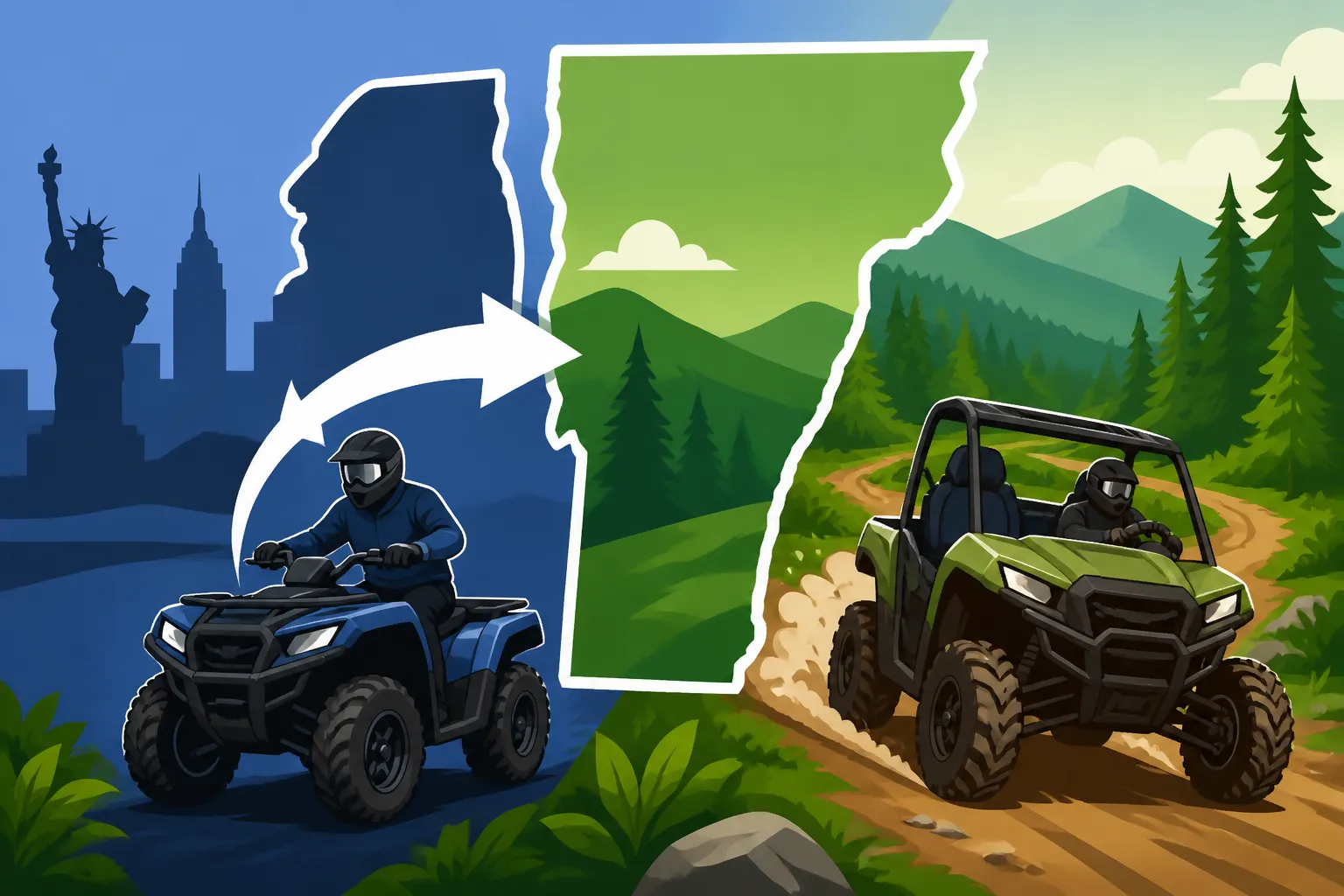
Good news! Vermont generally recognizes valid ATV and UTV registrations from other states, including New York. This means you typically do not need to register your machine with the Vermont DMV if it's already properly registered and plated in New York. This is a common point of anxiety for many visitors, but Vermont understands the burden of dual registration. The key is that your New York registration must be current and valid, and you must carry proof of it with you while riding. [Vermont Reciprocity With New York]
However, while your New York registration is recognized, it doesn't exempt you from other Vermont-specific rules. It simply means you don't need a separate Vermont registration sticker for the DMV. You still need that all-important Trail Access Decal for VASA trails, and you'll need to adhere to all of Vermont's equipment, safety, and operational laws, regardless of what your New York laws might permit. It's a friendly handshake on registration, but a firm set of rules on everything else.
The Role of Vermont ATV Liability Insurance
Just like your car on the road, your ATV or UTV needs liability insurance in Vermont, even if you're just visiting. This isn't just a suggestion; it's a legal requirement. Vermont has specific minimum coverage amounts for bodily injury and property damage, and you must carry proof of this insurance with you whenever you're riding. If you're pulled over or involved in an incident, law enforcement will ask to see it, alongside your New York registration and Vermont TAD.
It's crucial to check with your insurance provider before your trip to ensure your existing policy covers out-of-state riding and meets Vermont's minimums. Some policies might exclude off-road riding, or might only cover you in your home state. Don't assume; verify. Having the right insurance protects not only you but also landowners and other riders, which is a big reason why Vermont takes this seriously. [Vermont ATV Insurance Requirements]
Navigating Vermont's Safety and Road Rules as a Visitor
Beyond the permits and paperwork, understanding Vermont's specific safety mandates and how town roads are regulated for ATVs and UTVs is paramount. These rules can differ significantly from what you're used to in New York, and ignorance of the law is never an excuse.
Helmet Laws Apply to Everyone, Everywhere
Vermont has a strict helmet law for all ATV and UTV riders, regardless of age or experience. This isn't just for kids; every single rider, including adults, must wear a helmet that meets either FMVSS or ASTM standards. This is a crucial safety measure that Vermont enforces consistently. You might be used to different rules in New York, where helmet laws can vary by age or type of machine, but here in Vermont, it's universal.
Make sure your helmet is properly fastened and in good condition. A quality helmet is your best protection on the trails, and while many riders customize their machines with aftermarket parts like those from SuperATV, safety gear should always be at the top of your list. Wardens and local law enforcement officers will be checking for this, especially on designated ATV routes and trails. [Vermont ATV Helmet Law for Every Rider]
Age Restrictions and Supervision for Young Riders
Vermont has specific rules regarding the age at which riders can operate an ATV or UTV and when supervision is required. If you're traveling with younger riders, you absolutely need to be aware of these. Generally, riders under the age of 16 must be directly supervised by an adult who is at least 18 years old and holds a valid driver's license. There are also specific requirements for a [Vermont ATV Safety Course Required Under 18], which might be necessary depending on the rider's age and where they'll be riding.
Even if a young rider has taken a safety course in New York, Vermont might have different requirements for what constitutes a recognized course or how it applies to their age groups. Always check the current regulations for the specific age of your rider. The goal is safety, particularly when riding on varied terrain and shared trails where unpredictable situations can arise.
Understanding Vermont's Road Designations for ATVs
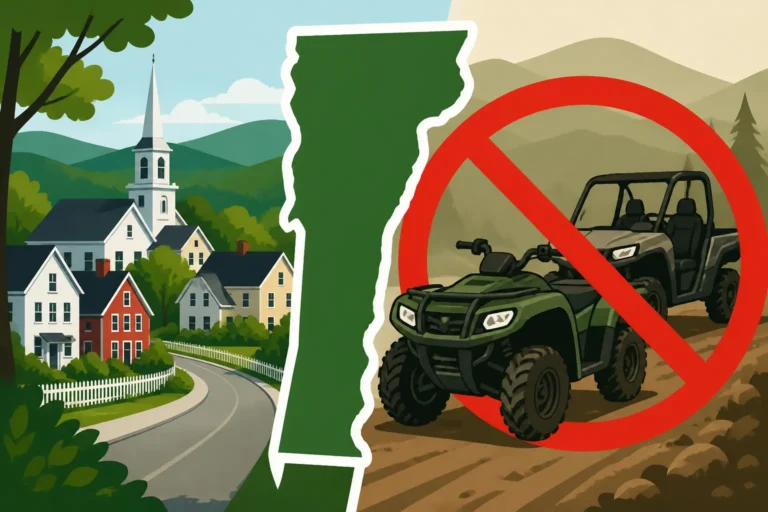
This is where things can get really tricky for visitors. Unlike some states where ATVs might have broader road access, Vermont has a very localized approach. Town selectboards have the authority to open specific town roads (often dirt or gravel roads) to ATV and UTV traffic. This means that a road open in one town might be closed just across the town line, and paved state highways are generally off-limits. You cannot assume a road is open just because it looks like a good connector.
You must consult local town ordinances and posted route maps before riding on any road. Many towns that do allow ATVs on roads will have specific rules regarding speed limits, curfews, and sometimes even a front plate requirement in addition to the rear one, such as in Brighton. Look for official signs designating the route as open to ATVs. Relying on GPS apps that don't differentiate between ATV-legal roads and others can lead to fines and an unwelcome interaction with local law enforcement. [Vermont ATV Road Rules: Towns Decide]
Here’s a simplified look at what a New York rider needs for Vermont:
| Requirement | New York Rider in Vermont | Vermont Resident |
|---|---|---|
| ATV Registration | Current, valid New York registration recognized (no VT DMV registration needed) | Vermont DMV registered and plated |
| Trail Access Decal | Required for VASA trail access (Visitor TAD) | Required for VASA trail access (Resident TAD) |
| Liability Insurance | Required (must meet VT minimums), proof carried | Required (must meet VT minimums), proof carried |
| Helmet | Required for all riders (meets FMVSS/ASTM) | Required for all riders (meets FMVSS/ASTM) |
| Safety Course | Required for riders under 18 (check VT equivalency rules) | Required for riders under 18 |
| Road Use | Only on town-designated roads, obey local ordinances | Only on town-designated roads, obey local ordinances |
| Plate Placement | Rear plate required, some towns may ask for front | Rear plate required, some towns may ask for front |
Preparing Your Machine and Yourself for Vermont Riding
Beyond the legalities, a little preparation can make your Vermont riding experience much more enjoyable and safe. The terrain, weather, and trail conditions can present unique challenges, and being ready for them is part of the adventure.
Essential Gear and Machine Prep
Vermont's trails can be rugged and challenging, with everything from rocky climbs to muddy sections. Before you head out, inspect your machine thoroughly. Check tire pressure, brakes, fluid levels, and ensure all lights are working. Consider adding aftermarket protection like skid plates or A-arm guards, which can be found from reputable brands like SuperATV, to protect your machine from unforeseen impacts. A winch, though not always necessary, can be a lifesaver if you find yourself stuck in a tricky spot, especially if you're exploring some of the more remote areas.
Don't forget personal gear either. Layers are often a good idea, as Vermont weather can change quickly, even in summer. Rain gear is always a wise addition to your pack. Carry a basic toolkit, first-aid kit, water, and snacks. Cell service can be spotty in the more rural areas, so don't rely solely on your phone for navigation or emergencies. [Packing for a Full Day Out]
Understanding Trail Conditions and Etiquette
Before you even load up your machine, check the VASA website or local club websites for current trail conditions. Trails can close due to mud, landowner requests, logging operations, or inclement weather. Arriving to a closed trail after a long drive from New York is a frustrating experience you can easily avoid with a quick check.
Once on the trails, practice good etiquette. Stay on marked trails, respect private property, and leave gates as you found them. Be courteous to other riders, hikers, and anyone else you might encounter. Ride responsibly, keep your speed appropriate for conditions, and pack out everything you pack in. These simple practices help maintain the positive relationships with landowners that are so vital to Vermont's trail system. [Vermont Trail Etiquette on Private Land]
Where to Find More Information and Local Support
The best resource for a visiting New York rider is often the Vermont ATV Sportsman's Association (VASA) itself. Their website is a treasure trove of information regarding TAD purchases, trail maps, club contacts, and safety course details. You can usually purchase your TAD online directly through them.
Additionally, don't hesitate to reach out to the individual VASA clubs in the region you plan to visit. They are the boots on the ground, maintaining the trails and deeply familiar with local nuances and conditions. A quick call or email can provide invaluable insight into specific trail access, local ordinances, and recommended routes. Being proactive about gathering information will ensure your Vermont ATV adventure is memorable for all the right reasons.
Disclaimer
This article is for general informational purposes only and does not constitute professional advice. Laws, prices and regulations vary by location and change over time. Consult a qualified professional for guidance on your specific situation.