Vermont DUI Law and ATVs
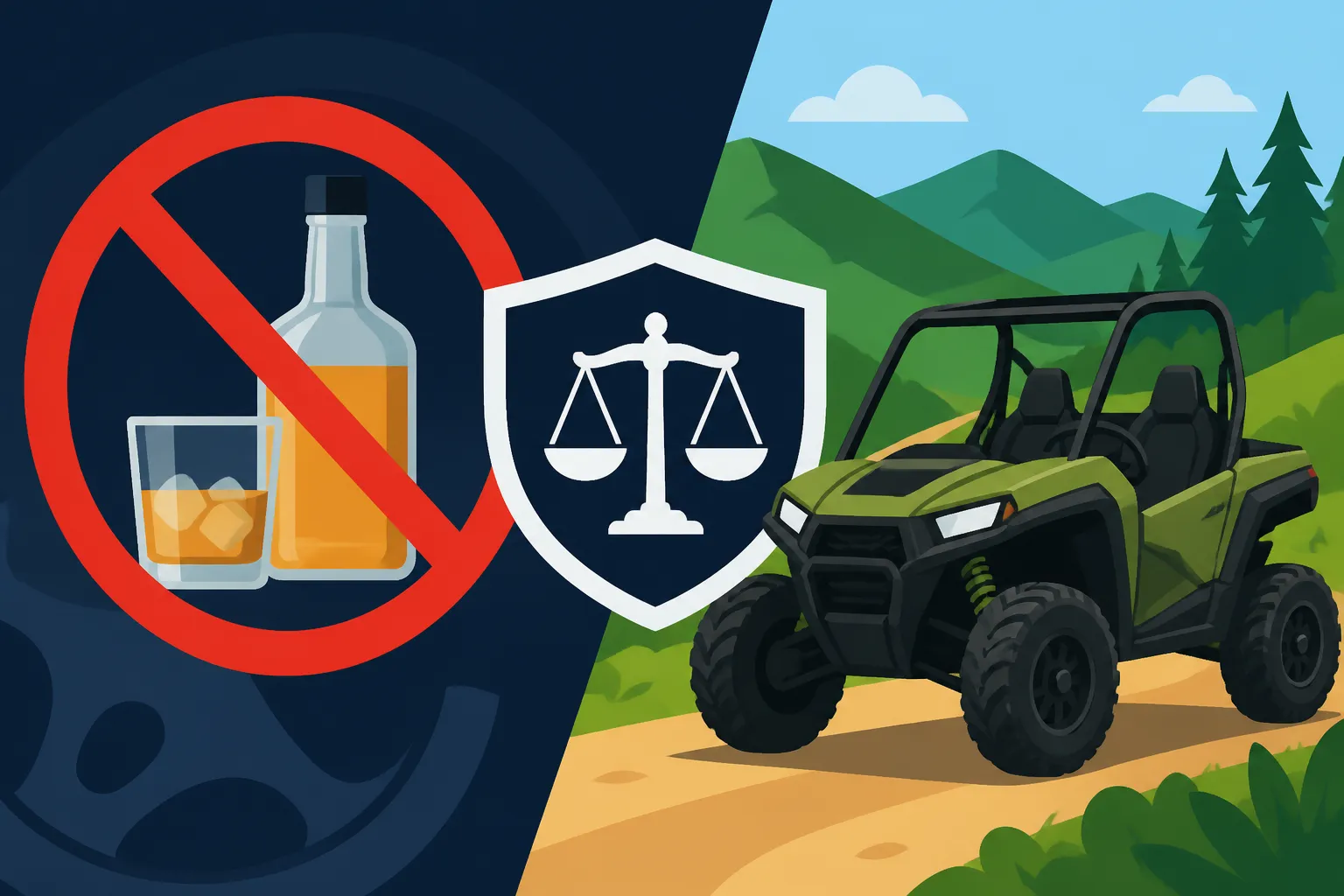
Riding ATVs and UTVs through Vermont's stunning landscapes is one of life's true joys, but that joy can turn into a nightmare if you're caught operating your machine under the influence. It's a common misconception that DUI laws only apply to cars on paved roads, but in reality, Vermont's strict regulations extend to off-road vehicles like ATVs, and the consequences for impaired riding can be just as severe, if not more so, than a car DUI. This guide will walk you through exactly how Vermont's DUI laws apply to your ATV, what the penalties look like, and how you can ensure your rides are always safe and responsible for everyone involved.
Understanding Vermont's DUI Laws and How They Apply to ATVs
When you hit the trails or designated town roads in Vermont, it's crucial to remember that you're not just "playing around" in the woods; you're operating a motorized vehicle, and that comes with serious legal responsibilities. Vermont's laws around operating under the influence (OUI) — often referred to as DUI (driving under the influence) — are comprehensive and extend far beyond your typical car or truck on I-89.
The Broad Reach of Vermont's DUI Statute
Vermont's DUI statute, specifically Title 23, Chapter 13, Section 1201, isn't just about cars. It broadly covers "operating" a "vehicle" on a "public highway or right-of-way." Now, here's where it gets interesting for ATV riders: many of Vermont's ATV trails actually utilize designated town roads, old logging roads that might still be considered rights-of-way, or even specific state land crossings. Even if you're on a VASA trail system that runs predominantly over private land, if that trail crosses or momentarily uses a public way, you're subject to these laws. It's not just about paved roads; it's about any place where the public has a right of access, which frequently includes the very paths we love to ride.
Think about riding home after a fun day out. You might be on a quiet dirt road that's part of the designated ATV network. You might even just be crossing a small town road to get from one section of trail to another. In any of these scenarios, if you're operating an ATV while impaired, you could face the full force of Vermont's DUI laws. It’s not an "off-road privilege"; it's a legal responsibility that follows you. It's vital to know that if you’re riding on land your parents own or other private property without public access, the DUI law technically might not apply in the same way, but common sense and safety certainly do. However, the moment you touch a public right-of-way, even for a second, you're fully exposed to the law. This is why understanding [Vermont ATV Road Rules: Towns Decide] is so important.
What Constitutes Impairment on an ATV in Vermont
Vermont law defines impairment in a few key ways. The most commonly known is operating with a blood alcohol content (BAC) of 0.08% or higher. For commercial operators, it's even lower, but for most recreational ATV riders, that 0.08% is the critical threshold. However, you don't actually have to be at 0.08% or higher to be charged with DUI. The law also states that it's illegal to operate a vehicle "under the influence of intoxicating liquor or any other drug to a degree which renders the person incapable of driving safely." This means if a law enforcement officer observes you riding erratically, struggling with your balance, or showing other signs of impairment, they can still charge you even if your BAC is below 0.08%.
This "incapable of driving safely" clause is particularly relevant for ATVs, which often require more active balance and quick reflexes than a car. Even a small amount of alcohol or certain medications could significantly impair your ability to navigate uneven terrain, respond to unexpected obstacles, or safely handle steep inclines or declines. Imagine trying to maneuver a tricky section of trail, perhaps one that requires precise throttle control and body English, after a couple of beers. Your judgment and coordination might be compromised, making you a danger to yourself and others. This is precisely what the law aims to prevent. It's not just about alcohol either; prescription medications, over-the-counter drugs that cause drowsiness, or illicit substances all fall under the umbrella of "any other drug." When a warden or police officer performs a roadside stop, they are looking for specific indicators, and understanding [What Police Check at a Roadside Stop] can help you recognize the gravity of the situation.
The Serious Consequences of an ATV DUI in Vermont
Getting a DUI on your ATV in Vermont is not a minor infraction. It carries severe penalties that can impact your finances, your freedom, and your ability to drive—not just your ATV, but your car as well. Many riders mistakenly believe that because it's an ATV, the penalties will be less severe, but that's rarely the case.
Immediate Penalties and License Implications
Upon conviction for a first-offense ATV DUI in Vermont, you're looking at a mandatory suspension of your civil driver's license (yes, your regular car license) for 90 days. That's a minimum, and it can be longer depending on the circumstances. Beyond that, there will be fines, surcharges, and potentially even jail time, though jail is often suspended for a first offense if there's no accident or injury. You'll also be required to complete an alcohol and drug assessment and follow through with any recommended treatment or education programs. This isn't just a slap on the wrist; it's a significant disruption to your daily life.
Consider the ripple effects: a suspended driver's license means no driving to work, no picking up groceries, no driving the kids to school. For many, this alone is a catastrophic blow. Furthermore, your ATV privileges will also be impacted, potentially leading to further fines or restrictions. The costs associated with a DUI conviction quickly add up, including legal fees, court costs, assessment fees, and increased insurance premiums for years to come. This is why practicing proper [Vermont ATV Trail Etiquette on Private Land] and being mindful of your actions, even off public roads, is a step towards responsible riding that extends to avoiding impaired operation everywhere.
| Consequence Type | First Offense (Typical) | Second Offense (Within 10 Years) | Third Offense (Within 10 Years) |
|---|---|---|---|
| Driver's License Suspension | 90 days (minimum) | 18 months (minimum) | Up to 3 years |
| Fines (Approx.) | Several hundred to over $1,000 | Over $1,000 to $2,500 | Several thousand |
| Jail Time (Max.) | Up to 2 years | Up to 2 years | Up to 5 years |
| ATV Registration/Privileges | Potential suspension/fines | Significant suspension/fines | Extended suspension/fines |
| Assessment/Treatment | Mandatory | Mandatory, more intensive | Mandatory, intensive |
| Ignition Interlock Device | Possible, depends on circumstances | Mandatory | Mandatory |
| Insurance Premiums | Significantly increase for years | Drastically increase | Drastically increase, harder to obtain |
Note: These are general figures and can vary based on specific circumstances, court discretion, and changes in law. Always consult with a legal professional for exact details.
Long-Term Impacts and Legal Hurdles
The immediate consequences are just the beginning. A DUI conviction stays on your record and can haunt you for years. It can affect your employment opportunities, particularly if your job requires driving or a clean background check. Travel to certain countries, like Canada, might become difficult or even impossible. Your insurance rates, as mentioned, will skyrocket, not just for your car but potentially for your ATV too. Getting [Vermont ATV Insurance Requirements] met will become a much more expensive endeavor.
If you are underage, the penalties can be even more stringent, reflecting Vermont's zero-tolerance policy for minors operating under the influence. For young riders, a DUI can derail educational opportunities and future career paths before they even begin. This underscores the importance of the [Vermont ATV Safety Course Required Under 18] which emphasizes responsible operation, including staying sober. It's not just about paying a fine; it's about rebuilding trust and overcoming a significant legal and personal hurdle. The cost of legal defense alone can run into thousands of dollars, making a moment of impaired judgment a truly expensive mistake.
Preventative Measures and Responsible Riding in Vermont
Avoiding an ATV DUI is entirely within your control, and it comes down to making smart choices before you even think about putting your helmet on. Responsible riding isn't just about safety gear; it's about making sure your mind is as sharp as your machine.
Planning Ahead: Avoiding Impaired Operation
The simplest and most effective way to avoid an ATV DUI is to simply not drink or use impairing substances if you plan to ride. This isn't groundbreaking advice, but it's often overlooked when people are out having fun. Designate a sober driver if you're riding with a group and plan to enjoy adult beverages later. If you're going out alone, commit to zero alcohol or drugs before and during your ride. Period. No exceptions. It sounds obvious, but many riders get into trouble by thinking "just one beer" won't hurt, especially if they're "just riding back to camp." Even "riding home from the trailhead" can become a legal risk.
It's also important to be mindful of prescription and over-the-counter medications. Read warning labels carefully. If a medication advises against operating heavy machinery or driving, that absolutely includes your ATV. Don't take chances. If you have any doubts, ask your doctor or pharmacist. Planning your outing responsibly might mean packing a cooler full of non-alcoholic beverages for the day, enjoying a cookout at the trailhead after your ride is complete, or making sure you have a safe way to transport your ATV and yourself if you do decide to consume alcohol later. Remember, [Vermont Warden Checks on the Trail] are a reality, and they are looking for signs of impairment.
Equipment and Preparedness for Safe Riding
While not directly related to DUI prevention, having your ATV in top condition and utilizing appropriate safety gear enhances your overall safety and shows you're a responsible rider, which can sometimes play a small role in how an officer perceives your overall conduct. Ensure your machine is well-maintained, with working brakes, proper tire pressure (especially if using low-pressure tires which are often required for ATVs), and functional lights, especially if there's any chance you'll be out near dusk or after dark.
Think about visibility, too. Bright riding gear, especially if you're on roads that are shared with other vehicles (even dirt roads), can make a significant difference. Products like those from SuperATV, which offer robust aftermarket parts, lighting kits, and protective gear, can significantly improve the safety and reliability of your machine. While SuperATV doesn't specifically prevent DUIs, ensuring your machine has superior protection and visibility can make your rides safer, reducing accident risks, and demonstrating a commitment to responsible operation. Also, don't forget your helmet. Vermont has a strict [Vermont ATV Helmet Law for Every Rider], and it’s a non-negotiable part of safe riding. Being prepared, sober, and well-equipped are the cornerstones of enjoying Vermont's ATV trails without incident.
Disclaimer
This article is for general informational purposes only and does not constitute professional advice. Laws, prices and regulations vary by location and change over time. Consult a qualified professional for guidance on your specific situation.