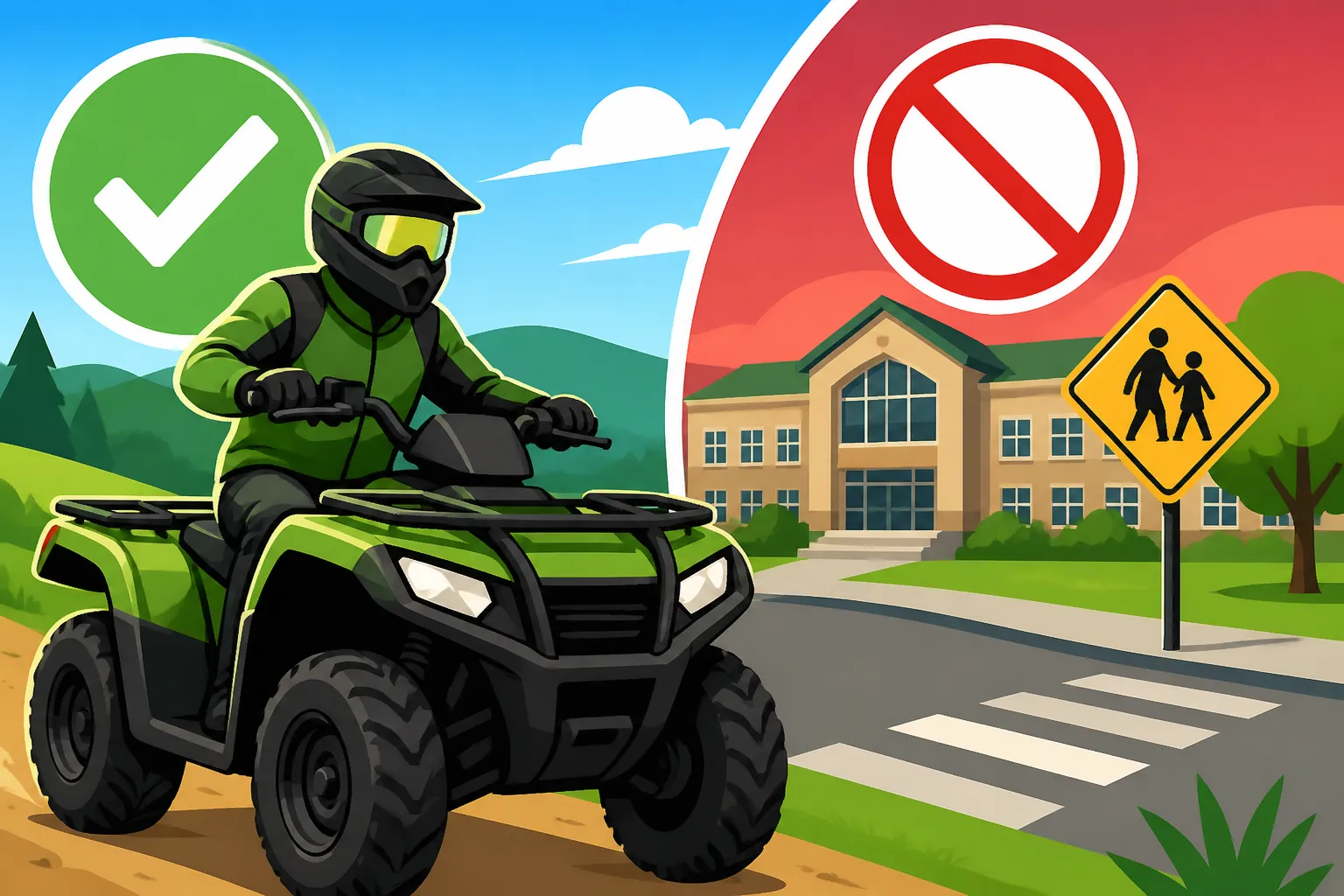
Vermont ATV Rules Near a School
Navigating the ins and outs of ATV and UTV rules in Vermont can feel like trying to untangle a fishing line after a long day on the lake – especially when you're talking about riding near places like schools. It's a common point of confusion and a genuine concern for many riders who just want to enjoy their machines responsibly without accidentally breaking a law or, worse, putting anyone at risk. This guide is here to shed some much-needed light on Vermont's specific regulations and considerations for ATV and UTV use around school properties, helping you stay informed, safe, and on the right side of community expectations.
Understanding Vermont's General ATV Road Rules
Before we dive into the specifics of school zones, it's really important to get a handle on how Vermont generally approaches ATV and UTV use on its roads. Unlike some states with broad "street legal" designations, Vermont's system is far more localized and can be a real head-scratcher if you don't know the ropes. This isn't a free-for-all; it's a careful balance that puts a lot of power in the hands of local communities.
The Role of Town Ordinances and Selectboards
In Vermont, the ability to ride your ATV or UTV on town roads isn't a given; it's a privilege granted by individual town selectboards. These elected officials hold the key to opening and closing specific stretches of road to ATV traffic. They do this through official town ordinances, and it's something that often gets reviewed, discussed, and voted on annually. This means what was open last year might not be open this year, or vice versa, making it crucial to stay updated on your local town's rules.
Think about it: you might assume that because a road is unpaved, or a Class 4 dirt road, it's automatically fair game for your quad. But that's a common misconception that can lead to a ticket. If the local selectboard hasn't specifically designated that road for ATV use, it remains off-limits, regardless of its surface or how remote it feels. This unique approach is why you really need to check with each town's specific rules. You can learn more about how this process works in [Vermont Selectboards Open Roads Each Year].
Designated Routes and Posted Signs
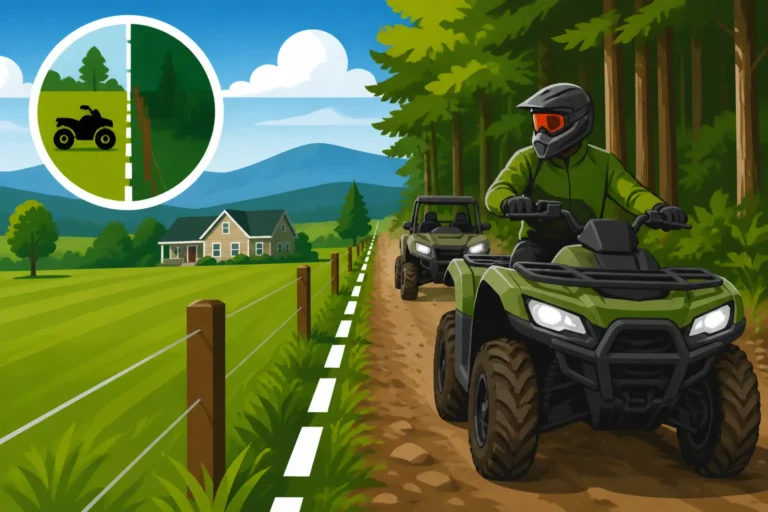
When a town does open certain roads to ATVs, they don't just put out a general announcement and expect everyone to know. These routes must be clearly designated and, crucially, marked with official signs. You'll typically see specific signage indicating that the road is open for ATV use, sometimes with additional information about hours or speed limits. If you don't see a sign, assume the road is closed to ATV traffic.
It’s easy to get complacent, especially if you see other tire tracks or think you know the local network. But relying on unofficial cues is a surefire way to run into trouble. Imagine you’re out for a ride and come across a beautiful, winding dirt road that looks perfect. If it's not explicitly signed as an open ATV route, riding down it could be considered trespassing or an illegal operation of an off-road vehicle on a public way. Always look for the signs, and know that these designated routes will also have their own set of rules, including general [Vermont ATV Speed Limits on Town Roads].
Specific Restrictions for ATVs Near Schools
Now, let's get right to the heart of the matter: what happens when your ATV route, or your intended destination, brings you close to a school? This is where an already complex set of rules becomes even more nuanced, and for very good reason. Schools are considered highly sensitive areas, and the presence of children means heightened caution and stricter regulations.
Designated Safety Zones and School Property
Even in towns that enthusiastically embrace ATV use and have miles of open routes, there are almost always explicit carve-outs or heightened restrictions specifically for areas around schools. These are designated safety zones, and they are treated with the utmost seriousness. The general rule of thumb is that school property itself – including parking lots, playgrounds, sports fields, and access roads leading directly to school entrances – is almost universally off-limits to recreational ATV and UTV use.
Picture this: you're thinking of picking up your child from school on your side-by-side, maybe it's a nice day, and you just came off a trail. While your intention might be innocent, pulling onto school property or even stopping at the curb directly in front of the school during pick-up or drop-off times is usually prohibited. The sheer volume of pedestrian traffic, combined with the often unpredictable movements of children, makes ATVs a poor fit for these high-traffic, sensitive areas. Your safest bet is to assume zero access on school property and be extremely cautious on any public roads directly adjacent to schools.
Curfews, Speed Limits, and Noise Ordinances in School Zones
Beyond outright prohibitions on school property, you'll often find that town ordinances impose much stricter rules for ATVs on any designated routes that happen to pass near a school. This can include significantly reduced speed limits. For instance, while a general town road might have a 25 mph limit, a section passing by a school could drop to 15 mph or even lower, especially during school hours. Towns like Brighton, for example, have specific caps that are good examples of this thinking, as explored in [Brighton's 25 mph Cap in Vermont].
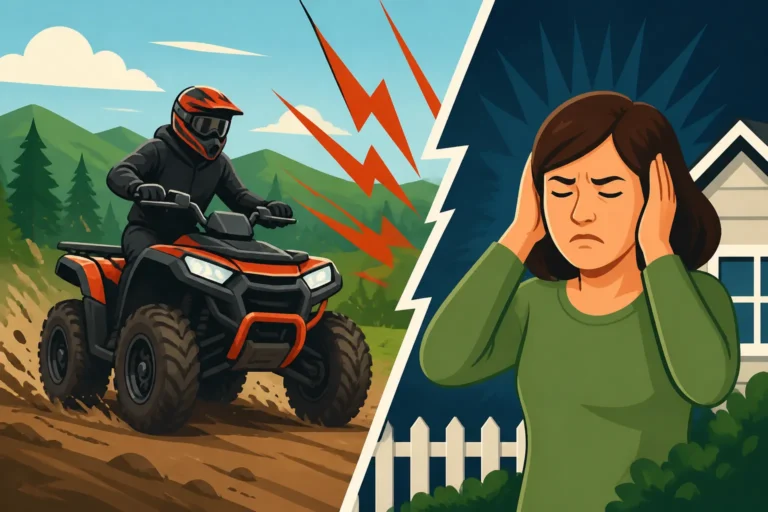
Noise is another major factor. ATVs, especially those with aftermarket exhausts, can be quite loud. While aftermarket parts from companies like SuperATV can enhance your machine's performance or utility, if they increase noise significantly, they can quickly become a nuisance, particularly around a school. Many towns have specific noise ordinances, and these are enforced with extra vigilance near educational facilities. Imagine trying to learn in a classroom with the constant drone of engines outside – it’s disruptive and impacts the learning environment. Furthermore, some towns might implement specific curfews for ATV use around schools, restricting riding entirely during certain hours of the day when children are present. You'll find more information on these types of rules under [Vermont Town Ordinances That Set Curfews].
Why Schools Have Special ATV Rules
It’s easy for riders to feel targeted or frustrated by these restrictions, but understanding the "why" behind them can foster a greater sense of responsibility and cooperation. These rules aren't arbitrary; they stem from fundamental concerns for safety, well-being, and the educational environment. When you grasp the reasons, it makes complying with them a lot easier and helps preserve the overall positive perception of ATV riding in Vermont.
Child Safety and Pedestrian Traffic
The primary, overriding reason for strict ATV rules near schools is the safety of children. Schools are magnets for kids, and during arrival, dismissal, and various events, there's an incredibly high volume of pedestrian traffic, much of it young and unpredictable. Children, especially younger ones, might dart out unexpectedly from between parked cars, walk into the street without looking, or simply not grasp the speed and potential danger of a moving vehicle, particularly an ATV.
ATVs and UTVs, while incredibly fun and useful, are designed primarily for off-road environments and don't offer the same level of visibility or maneuverability as a passenger car in a crowded urban or suburban setting. Even the most cautious rider might struggle to react quickly enough to a child's sudden movement. This isn't about blaming riders; it's about acknowledging the inherent risks when mixing powerful recreational vehicles with vulnerable pedestrians in a confined, busy area. This focus on safety extends to other aspects of riding, like [Vermont ATV Helmet Law for Every Rider], which applies to everyone regardless of location.
Maintaining a Conducive Learning Environment
Beyond immediate physical safety, the atmosphere around a school is also crucial. Schools are places of learning, focus, and quiet concentration. The presence of ATVs, even on an adjacent, legally designated route, can be highly disruptive if not managed carefully. The noise from engines, especially from modified machines, can easily carry into classrooms, interrupting lessons and distracting students. This isn't just a minor annoyance; sustained noise pollution can genuinely impact a child's ability to learn and teachers' ability to instruct.
Furthermore, there are concerns about air quality, particularly with older machines. While fleeting, emissions in close proximity to a building full of children are a consideration. The general hustle and bustle, and the very visual presence of recreational vehicles, can also create a perception of disorder or distraction that communities prefer to avoid around their schools. These rules aim to create a safe, calm, and conducive environment where children can learn and thrive without unnecessary external disruptions.
Enforcement, Penalties, and Community Considerations
Ignoring rules around schools isn't just a minor infraction; it carries significant consequences and can have a ripple effect on the broader ATV community. Understanding the enforcement mechanisms and potential penalties is crucial, as is recognizing the importance of being a responsible and considerate member of the community. What one rider does can impact access for all.
Penalties for Violating School Zone ATV Rules
If you're caught violating ATV rules, particularly those concerning school zones or school property, the penalties can be substantial. Fines are common, and these are often more severe than for general riding infractions due to the sensitive nature of the location. Depending on the severity and frequency of the violation, you could face impoundment of your machine, and in some cases, your ATV registration could be revoked. [Vermont ATV Fines for Road Violations] can give you an idea of the costs involved.
Enforcement of these rules is typically handled by local authorities, including town police departments, town constables, and even Vermont game wardens. They have the authority to pull you over, issue tickets, and take further action. What may seem like a quick, harmless shortcut to you could be seen as a serious endangerment of children by law enforcement and the community. If you ever have a question about who enforces what, [Who Enforces ATV Rules: Warden or Town Officer?] provides helpful clarification.
Community Relations and Responsible Riding
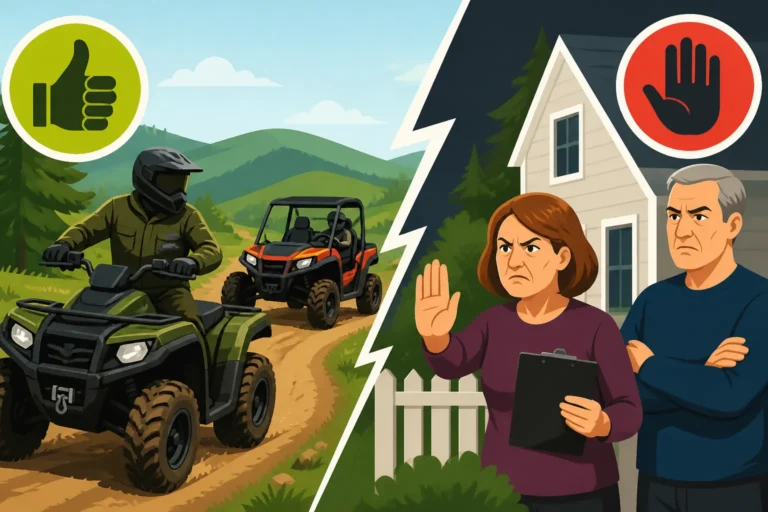
Every time an ATV rider behaves irresponsibly near a school, it risks undermining the hard work done by local clubs and organizations like VASA (Vermont ATV Sportsman's Association) to secure and maintain riding access across the state. Noise complaints from residents and parents, or any perceived safety risks, can quickly lead to public outcry and petitions to close down existing ATV routes, even those that have been open for years. [Vermont Noise Complaints About ATVs] are a real and impactful concern.
Being a good neighbor means respecting these rules, even if they sometimes feel inconvenient. It means slowing down, keeping noise levels to a minimum, and absolutely staying off school property. Organizations like VASA actively promote responsible riding, and many local clubs have strict codes of conduct that prohibit riding near schools during operational hours. Ultimately, the future of ATV and UTV access in Vermont depends on all riders demonstrating respect for community standards and showing that they can share the landscape safely and considerately. This includes always having proper [Vermont ATV Insurance Requirements] in place, not just for legal compliance, but as a commitment to responsibility.
Summary of Vermont ATV Rules Near Schools
To help you keep track of the key considerations when riding your ATV or UTV near a school in Vermont, here's a quick overview:
| Rule Category | General Designated Town Road (Example) | Near a School (Designated Route Only) |
|---|---|---|
| Speed Limit | Varies, often 25 mph or posted | Often lower, 15-20 mph, or strict no-passing |
| Operating Hours | Daylight to specific curfew (e.g., 9 PM) | Often restricted to non-school hours, or strictly prohibited during school functions |
| Noise | Muffler required, reasonable volume | Strict noise limits, high sensitivity during school hours, especially during school hours |
| Access | Only on designated, signed routes, not just any dirt road | Often prohibited entirely on school property (parking lots, fields); highly restricted even on adjacent designated roads during school hours |
| Safety | Helmets, insurance, registration, safe operation | All general safety rules, plus heightened awareness for children, bus traffic, and unpredictable pedestrian movements |
| Property | Public land or designated routes only | School property is generally off-limits for recreational use. |
Remember that these are general guidelines, and each town's specific ordinances are the final word. Always consult local regulations or town clerks for the most accurate and up-to-date information on [Vermont ATV Road Rules by Town].
Disclaimer
This article is for general informational purposes only and does not constitute professional advice. Laws, prices and regulations vary by location and change over time. Consult a qualified professional for guidance on your specific situation.