Vermont ATV Crossing a State Highway
Navigating Vermont's beautiful backcountry on your ATV or UTV is an incredible experience, but it often brings you to a tricky junction: crossing a state highway. That moment of approaching a paved, often busier road can fill any rider with a mix of excitement for the next section of trail and a very real sense of anxiety about doing things correctly and safely. This comprehensive guide is here to untangle the confusion, outline the specific rules, and help you understand exactly what you need to do to make those state highway crossings legally and confidently, ensuring you stay safe and avoid any unwanted run-ins with the law.
Understanding Vermont's Road Network and ATV Access
Before we dive into the specifics of crossing a state highway, it's really important to grasp the different types of roads we have here in Vermont and how ATVs and UTVs fit into that puzzle. It's not a one-size-fits-all situation, and misunderstanding this can lead to big headaches.
Distinguishing State Highways from Town Roads
In Vermont, not all roads are created equal when it comes to ATV access. You'll primarily encounter three types: state highways (also called state routes), town roads (which can be paved or gravel), and Class 4 roads (often unmaintained, sometimes little more than trails).
State highways are the numbered routes, like Route 100, Route 7, or Route 2, that crisscross our beautiful state. These are generally maintained by the Vermont Agency of Transportation (VTrans), are typically paved, and carry higher traffic volumes. Think of them as the main arteries connecting our towns and cities. As a general rule, you cannot simply ride your ATV on a state highway for any distance, even if it feels like a convenient shortcut. The law is quite clear that these are not designated ATV routes.
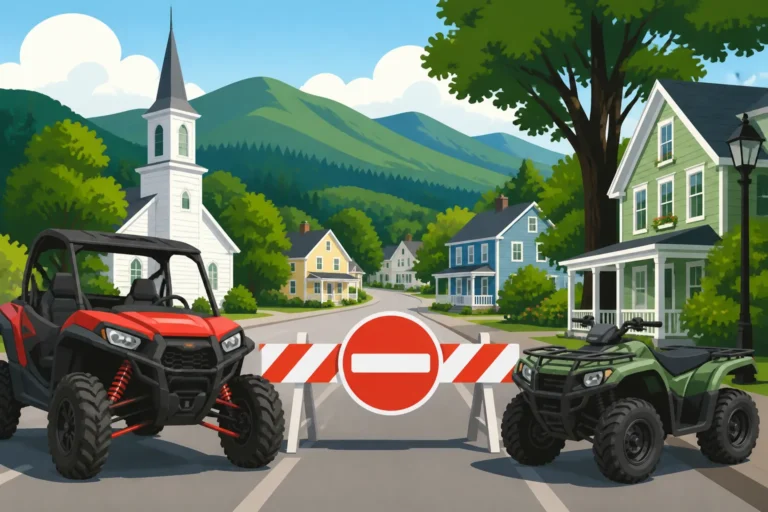
Town roads, on the other hand, are under the jurisdiction of individual towns. These can range from busy paved village streets to quiet, winding gravel roads, and even some dirt paths. It's on these town roads that you'll find the most variability in ATV access, because it's up to each town's selectboard to decide which, if any, of their roads will be open to ATV traffic. This is why understanding [Vermont ATV Road Rules: Towns Decide] is so vital for riders. Some towns have embraced ATV tourism, opening up extensive networks, while others keep their roads completely closed.
Finally, Class 4 roads are a whole different beast. These are often old town roads that have been officially discontinued or are simply unmaintained. They can be rough, rocky, muddy, and sometimes disappear into the woods altogether. While some Class 4 roads might be part of an organized ATV trail system, they are not automatically open just because they're unmaintained. Always check local ordinances and VASA trail maps.
Why State Highways Are Different for ATV Access
The fundamental reason state highways are treated differently boils down to safety and traffic flow. These roads are designed for higher speeds, heavier vehicles, and continuous travel. Introducing ATVs, which are slower, have different handling characteristics, and aren't typically street-legal in the same way cars are, creates significant safety concerns for both ATV riders and other motorists.
Furthermore, state highways are usually critical transportation corridors. Allowing ATVs to ride freely on them would disrupt traffic, create congestion, and potentially lead to accidents. The legal framework reflects this, designating them primarily for motor vehicles licensed for road use, which ATVs generally are not without specific modifications and exceptions not broadly applicable to everyday trail riding. Your ATV is a fantastic off-road machine, perfectly suited for the trails maintained by clubs like the Tri-County ATV Club, but it’s not built for highway speeds and heavy traffic.
This strict separation is why when you encounter a state highway while out on the trails, it’s almost always a situation where you need to perform a quick, controlled crossing rather than riding along it. It’s about minimizing your exposure to highway traffic and getting back onto designated ATV trails as quickly and safely as possible.
The Specific Rules for Crossing a Vermont State Highway
So, you're out on a VASA trail, enjoying the incredible scenery, and suddenly, you see a paved state highway ahead. This isn't a dead end, but a designated crossing point designed to link one section of trail to another. There are very specific rules you must follow to make this crossing legal and safe. Ignoring these rules isn't just risky; it can lead to significant penalties.
The "Stop, Look, and Yield" Protocol
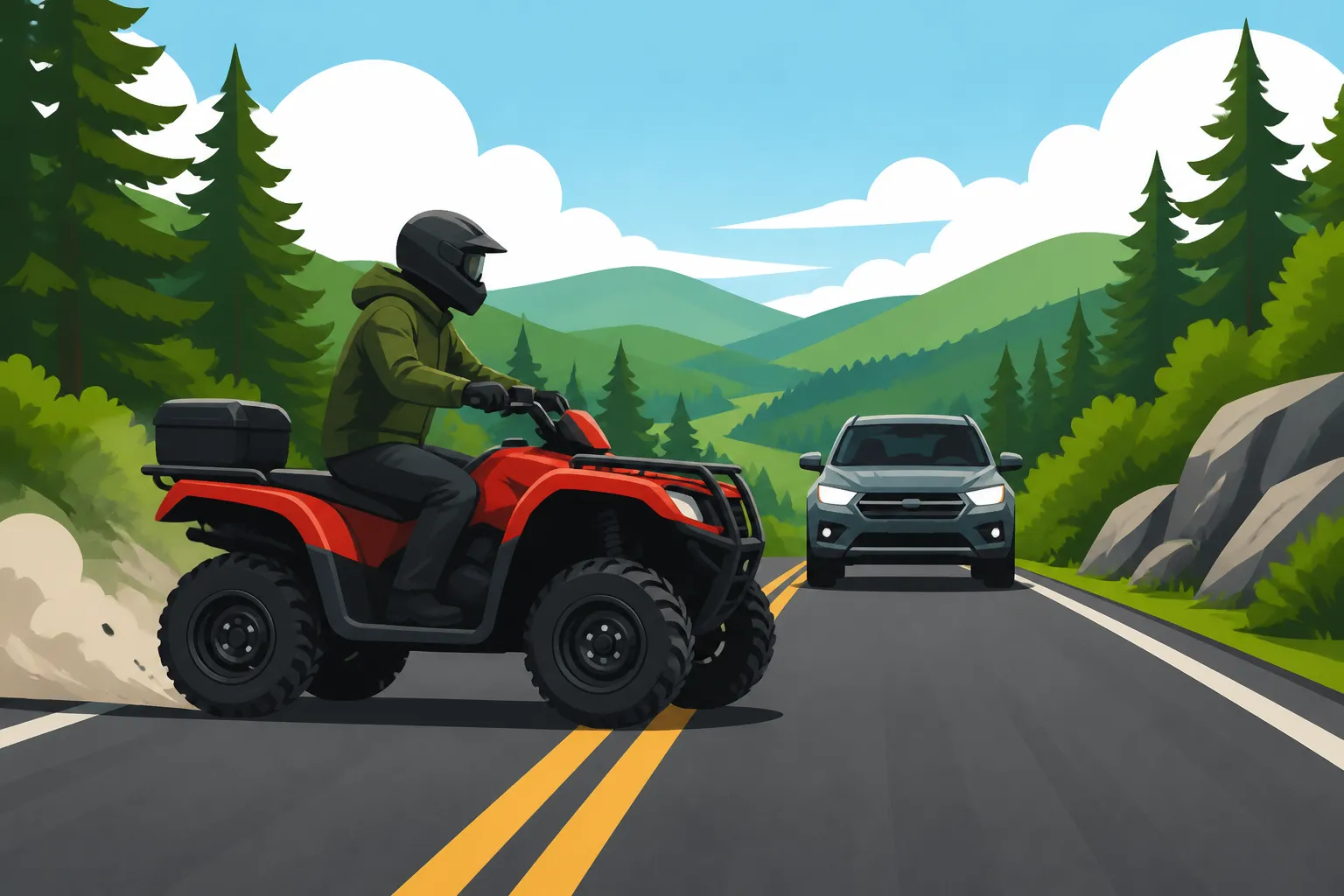
This is the golden rule, and it's not just a suggestion – it's law. When you approach any paved state highway crossing, you are required to come to a complete stop. This isn't a "California roll" stop; it means bringing your machine to a full, unequivocal halt right at the edge of the pavement.
Once stopped, you must meticulously look in both directions for oncoming traffic. Vermont's roads, especially state highways, can have curves, hills, and blind spots, so take your time. Don't rush this step. And critically, you must yield to all oncoming traffic. This means if there's any vehicle in sight that could pose a risk, you wait. Patience is key here. Only proceed when the roadway is completely clear and it is safe to do so without interfering with traffic. This same principle applies to [Vermont ATV Crossing a State Highway] in general.
Remember, you are the one crossing a major road, and the responsibility for safety largely falls on you. Motorists on the state highway will likely not be expecting an ATV to pop out, so assume they haven't seen you and act accordingly. Think about visibility: wearing bright colors, making sure your headlights are on, and perhaps even checking mirrors you might have installed (maybe even some robust aftermarket options from SuperATV) can significantly enhance your presence.
Designated Crossing Points and Town Ordinances
It’s crucial to understand that you can’t just cross a state highway anywhere you feel like it. Crossings are typically only permitted at specific, designated points that are part of an approved ATV trail system, often marked by official signage. These points are usually chosen because they offer the best visibility, lowest traffic volume, or are strategically placed to connect existing trail networks.
Many of these crossings are made possible because a local town selectboard has passed an ordinance that allows ATV access on certain town roads, and these town roads happen to intersect with a state highway. The town's ordinance might specify the exact route and location of the crossing. [Vermont Selectboards Open Roads Each Year] to ATVs, and these designations often include these vital crossing points. Without a specific ordinance allowing the crossing, it's generally not permitted. Always consult official VASA maps and local town information to confirm legal crossing points.
Riding off-trail to find your own "shortcut" across a state highway is illegal and dangerous. It often involves trespassing on private land to reach the highway and then crossing at an undesignated, unsafe location. Stick to the marked trails and designated crossing points to keep yourself and others safe and compliant with the law.
The Role of Rider Age and Supervision
Vermont has specific rules regarding rider age, particularly for those under 18, and these rules absolutely apply when crossing state highways. If you are under 16, you are required to be supervised by an adult when riding on public land or crossing public roads. This adult must be at least 18 years old and capable of providing direct supervision.
For young riders, the act of crossing a state highway can be especially daunting and requires heightened awareness. [What a 12-Year-Old May Do at a Crossing] is strictly limited by law and requires that careful adult supervision. The responsible adult must ensure the younger rider understands and executes the "stop, look, and yield" protocol perfectly. It’s not just about guiding them across; it’s about teaching them the importance of vigilance and safe decision-making in a high-risk situation. Every rider, regardless of age, must also have completed a Vermont-approved ATV safety course if they are under 18, though taking a course is a great idea for everyone.
Preparing for a Safe and Legal Crossing
Crossing a state highway isn't something to take lightly. It's a quick, high-stakes maneuver that requires preparation, awareness, and the right equipment. Thinking ahead can make all the difference in ensuring a smooth, safe, and legal transition from one trail section to the next.
Equipment Checks for Legality and Safety
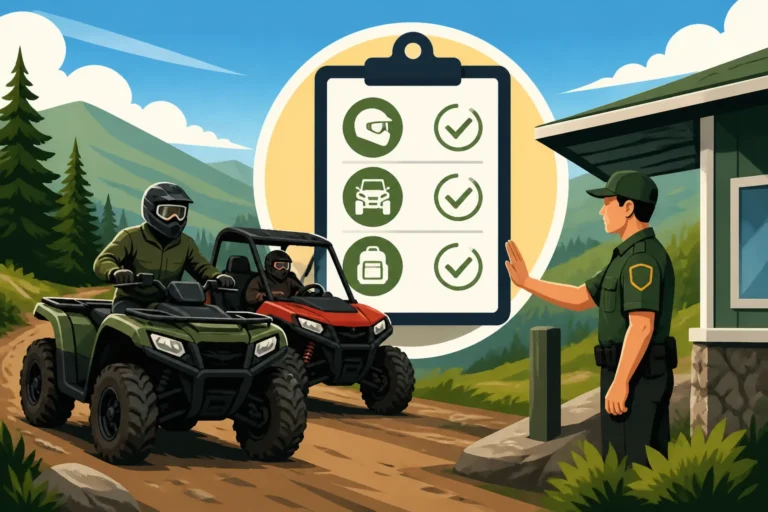
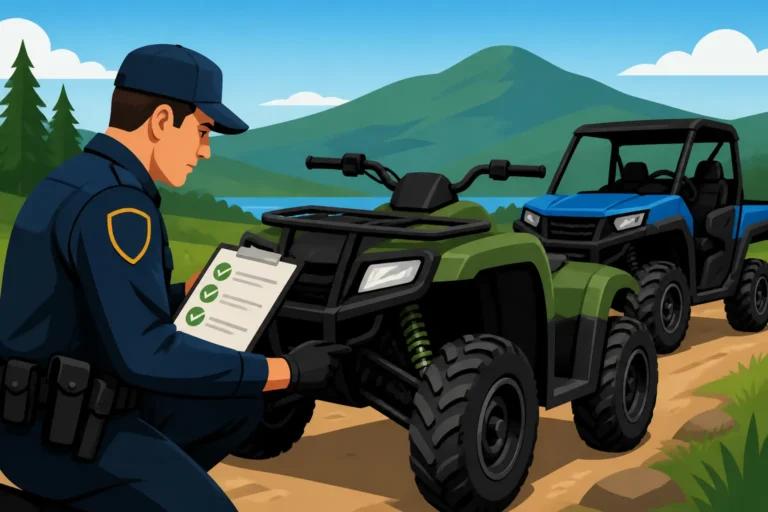
Before you even leave your staging area, you should conduct a thorough check of your machine. For state highway crossings, certain pieces of equipment aren't just good ideas; they're legal requirements or critical safety features.
- Headlights and Tail Lights: These must be fully functional. You might not think you need them for a quick daylight crossing, but they significantly increase your visibility to oncoming traffic. If you've upgraded your lighting, perhaps with an auxiliary light kit from SuperATV, ensure they're aimed correctly and working properly. [Vermont Headlight and Tail Light Rules] are important, especially if you find yourself crossing later in the day.
- Brakes: Your brakes are your most important safety feature. Test them before you ride. Ensure they are responsive and can bring your machine to a quick, controlled stop.
- Muffler: Vermont has noise regulations. Make sure your muffler is in good working order and not excessively loud. A noisy machine can distract other drivers and draw unwanted attention. [Vermont Muffler and Noise Rules] apply even for brief road use.
- License Plate: Your Vermont ATV registration plate must be securely mounted and clearly visible on the rear of your machine. [Vermont Plate Mounted on the Rear] is the standard, though some towns like Brighton might have specific requests for front plates too when riding their designated routes. Make sure it's clean and not obscured by mud or gear. A quality plate bracket, perhaps one designed for rugged trail use, will help keep it in place.
- Helmet: Every rider, regardless of age, must wear an approved helmet when operating an ATV in Vermont, even for a short crossing. This isn't just about avoiding a ticket; it's about protecting your most vital asset. [Vermont ATV Helmet Law for Every Rider] is strict for a good reason.
- Insurance: You are required to carry liability insurance for your ATV. This is crucial for riding on public trails and absolutely essential for any road crossings. Make sure your policy meets Vermont's minimum requirements and carry proof of insurance with you. [Vermont ATV Insurance Requirements] are detailed and specific.
Rider Readiness and Situational Awareness
Beyond the machine itself, your own readiness is paramount. A state highway crossing is not the time for distraction.
- Focus: Put away your phone, stop talking to your riding buddies, and give 100% of your attention to the road and surrounding environment. This quick burst of intense focus can prevent an accident.
- Visibility: Make eye contact with drivers if possible. Don't assume they see you. Brightly colored riding gear, especially high-visibility vests or jackets, can make a huge difference. Think about how a motorist approaching at 55 mph might perceive a smaller, slower-moving ATV. Anything you can do to stand out is a plus.
- Confidence, Not Recklessness: Execute the crossing with purpose and confidence, but never with recklessness. Hesitation can be dangerous, but so can a rushed, ill-judged dash across the road. Wait for a clear, safe gap.
- Predictability: Ride in a straight line, at a consistent speed, once you commit to the crossing. Don't swerve or make sudden movements that could confuse other drivers.
Understanding Local Rules and Signage
Vermont's ATV trail system is a patchwork of state-designated crossings and town-specific routes. This means that while the general rules for crossing a state highway are statewide, the permission to make that crossing often stems from a local town ordinance.
Before you head out, always check current VASA trail maps and any specific town ordinances for the areas you plan to ride. These resources will clearly indicate designated crossing points and any local nuances. Look for official ATV signs at trailheads and intersections. [Vermont Posted Routes and Their Signs] are there to guide you and ensure you stay on legal routes. If you don't see clear signage indicating a legal crossing, it's best to assume it's not permitted. When in doubt, don't go. A quick call to the local VASA club or town clerk can clarify ambiguities and keep you on the right side of the law.
Potential Pitfalls and Common Mistakes
Even experienced riders can make mistakes, especially when encountering unfamiliar territory or getting caught up in the excitement of the ride. Being aware of common pitfalls can help you avoid them and keep your ATV adventure safe and legal.
Assuming All Roads Are Open or Identical
This is perhaps the biggest mistake riders make. Just because you're riding on an open town road, or because a road looks quiet, doesn't mean it's open for ATV travel, let alone for crossing a state highway. As we discussed, [Vermont ATV Road Rules: Towns Decide], and this applies rigorously to town roads and their intersections with state routes.
Many riders, particularly visitors from out of state, might assume that Vermont's rural nature means a more relaxed attitude toward off-road vehicles on roads. This is a dangerous assumption. Vermont has specific and often stringent regulations. Always verify the legality of a route or crossing. What might be allowed on an unpaved Class 3 town road in one town could be strictly prohibited on a similar-looking road in the next town over, and almost certainly prohibited on a state highway unless it's a designated crossing.
Another common misconception is that if you're just "connecting trails" for a short distance, it's fine. While designated crossings are for this purpose, riding along a state highway, even for a short stretch, is generally illegal. The intent is to cross directly, not to travel on the pavement.
Ignoring Signage and Designated Crossing Points
When you see a "STOP" sign or a specific ATV crossing sign at a state highway, it's not a suggestion – it's an instruction. Ignoring these signs is a direct violation of traffic laws and Vermont ATV regulations. This includes the legal requirement to [Stopping at the Edge of a Vermont Highway] completely before proceeding.
Designated crossing points are clearly marked for a reason. They've been chosen for maximum visibility, lower speed limits on the cross-road, or other safety factors. Veering off-trail to attempt a crossing at an unmarked spot, even if it looks less busy, is incredibly dangerous. You risk encountering unseen traffic, creating a blind spot for other drivers, and immediately breaking the law. These designated crossings are the only safe and legal points, and often the only places where motorists might have any expectation of encountering an ATV.
Penalties for Violations
Ignoring Vermont's ATV laws, especially regarding state highway crossings, can lead to serious consequences. These aren't just minor inconveniences; they can impact your wallet, your riding privileges, and even your freedom.
- Fines: You can expect significant monetary fines for riding an unregistered ATV, operating without proper insurance, or illegally riding on or crossing state highways. [Vermont ATV Fines for Road Violations] can add up quickly.
- Impoundment: In some cases, your ATV or UTV could be impounded, leading to additional fees for towing and storage on top of any fines.
- Loss of Riding Privileges: Repeated violations could lead to a suspension of your ATV registration or riding privileges within Vermont.
- Criminal Charges: Depending on the severity of the offense, especially if it involves reckless endangerment or property damage, you could face criminal charges.
- Insurance Issues: If you're involved in an accident while illegally crossing a state highway, your insurance policy might not cover damages, leaving you personally liable for potentially massive costs, including medical bills for injuries to yourself or others, and property damage. Always check your policy, as [Vermont ATV Insurance Requirements] are a minimum, and some policies may have exclusions for illegal operation.
It's simply not worth the risk. A few extra minutes of patience and adherence to the law can save you a world of trouble and ensure that your Vermont ATV experience remains a positive one.
Here's a quick reference table to help visualize the critical differences and requirements:
| Feature/Action | State Highway Crossing (Designated) | Town Road (Designated Open) | Unopened Road / Non-Designated Area |
|---|---|---|---|
| Primary Access | Connects approved ATV trails | Travel on approved routes within a town | Illegal |
| Required Stop | Yes, mandatory complete stop at pavement edge | Typically follows standard traffic laws (stop signs, etc.) | Not applicable, as access is illegal |
| Yield to Traffic | Yes, absolute priority to highway traffic | Yes, follows standard traffic laws | Not applicable, as access is illegal |
| Signage | Usually marked with specific ATV crossing signs | Designated by town ordinance & sometimes signs | No official signs for ATV use, may have "No ATVs" signs |
| Speed Limit | Cross directly, quickly, safely; no cruising | Varies by town, typically lower than state roads | Not applicable |
| Rider Age < 16 | Direct adult supervision required | Direct adult supervision required | Illegal |
| Helmet Required | Yes | Yes | Yes (if riding anywhere) |
| Registration/TAD | Yes | Yes | Yes (if riding anywhere) |
| Insurance Proof | Yes | Yes | Yes (if riding anywhere) |
| Typical Surface | Paved (state highway) | Paved or gravel (town road) | Varies (dirt, gravel, overgrown, often private) |
This article is for general informational purposes only and does not constitute professional advice. Laws, prices and regulations vary by location and change over time. Consult a qualified professional for guidance on your specific situation.