Do You Need a License for an ATV in Vermont?
You've just invested in an ATV or UTV, or maybe you're gearing up for an unforgettable off-roading adventure through Vermont's stunning landscapes. Either way, the question quickly arises: "Do I need a driver's license to ride this machine in Vermont?" It's a common point of confusion, and frankly, the answer isn't a simple yes or no. This guide is here to untangle the nuances, clarify the specific situations where a license is required, and outline all the other crucial requirements you'll need to know to ride legally and safely in the Green Mountain State.
The Core Question: Is a Driver's License Always Required for ATVs in Vermont?
When it comes to operating an all-terrain vehicle in Vermont, many riders automatically assume a standard driver's license is a must-have, just like it is for a car. However, the truth is a bit more conditional, depending heavily on where you plan to ride and how old you are. This distinction is vital for avoiding potential fines and ensuring you comply with state regulations.
The General Rule for Off-Road Riding
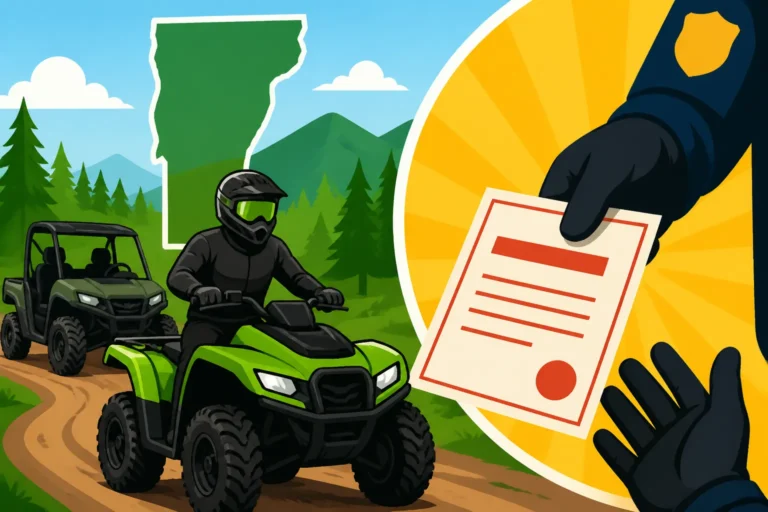
For the vast majority of ATV and UTV enthusiasts hitting the trails in Vermont, a traditional street driver's license isn't actually a blanket requirement. If your plan involves sticking to designated off-road trails, like those managed by the Vermont ATV Sportsman's Association (VASA) club system, the focus shifts away from a driver's license and onto other critical forms of authorization. This often comes as a relief to younger riders or those who primarily use their machines for recreational off-pavement adventures.
What is undeniably required for these trail systems are specific ATV registrations and a valid Trail Access Decal (TAD). Think of the TAD as your permit to ride the VASA corridors; it's how you show you've supported the trail system and are authorized to be there. For younger riders, the rules get a bit more specific. Anyone under the age of 18 needs to successfully complete an approved [Vermont ATV Safety Course Required Under 18]. This course is designed to instill essential safety knowledge and riding techniques, ensuring that even without a driver's license, young operators understand their responsibilities. Furthermore, if you're a rider under 16 years old, direct adult supervision is non-negotiable. This isn't just a suggestion; it's a legal mandate to ensure the safety of the rider and others on the trail.
When a Driver's License Does Come into Play
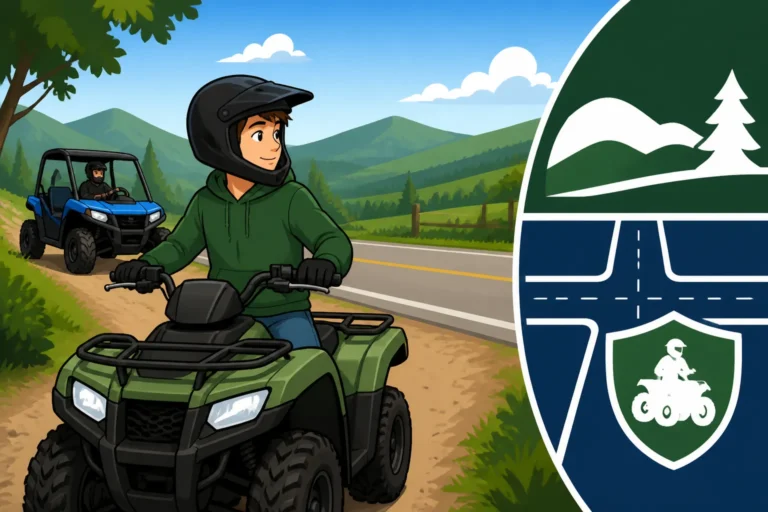
Here’s where the "it depends" really kicks in. While off-road riding on dedicated trails doesn't typically demand a driver's license from the operator, this changes dramatically if you intend to take your ATV or UTV onto any public road or highway. In Vermont, certain towns have passed specific ordinances that allow ATVs and UTVs to operate on designated public roads. This can be incredibly convenient for connecting trail segments, accessing services, or simply enjoying a different kind of ride. However, the moment your wheels touch these public thoroughfares, the legal landscape shifts.
When you're operating an ATV or UTV on a public road that has been designated for such use, you are essentially operating a motor vehicle in traffic. Because of this, Vermont law explicitly requires that you possess a valid, government-issued driver's license. This means your standard car or motorcycle license is what you'll need. This requirement is in place to ensure that anyone navigating public roads has demonstrated a basic level of driving competence, understands traffic laws, and can react appropriately to other vehicles and road conditions. It’s not enough to simply have an ATV that might look street-legal with aftermarket modifications from a company like SuperATV; you still need the proper licensing to back it up. Without it, you could face penalties similar to driving a car without a license, which can include fines, vehicle impoundment, or more severe legal consequences. For more details on which roads are open, it’s always best to consult [Vermont ATV Road Rules: Towns Decide].
Beyond the License: Other Key Requirements for ATV Operation in Vermont
Even if you're riding in a scenario where a driver's license isn't required for you personally (like off-road trails), there are several other non-negotiable requirements that every ATV and UTV owner in Vermont must meet. Overlooking these can lead to fines, inconvenience, or being turned away from trails. These rules are in place to ensure rider safety, proper trail management, and accountability.
Registration, Plates, and Trail Access Decals
One of the most fundamental requirements for riding an ATV or UTV in Vermont, regardless of where you operate it, is proper registration with the Vermont Department of Motor Vehicles (DMV). This is not optional; every ATV or UTV operated in the state, whether by a resident or a visitor, must be registered. This process involves submitting the necessary paperwork and paying the applicable fees. You can find a comprehensive guide on this by looking into [How to Register an ATV in Vermont]. The specific costs and terms of registration, which can vary slightly depending on the type of machine and the registration period you choose, are outlined in [Vermont ATV Registration Costs and Terms].
Once your machine is registered, you'll be issued a registration plate. This plate isn't just a piece of metal; it's your machine's official identifier. Vermont law specifies exactly where this plate needs to be mounted on your ATV or UTV, typically on the rear, to ensure it's visible and legible at all times. Improper plate placement or an unreadable plate can lead to a roadside stop and potential fines. For the specifics on placement, refer to [Vermont ATV Plates and Where They Go]. In addition to state registration, if you plan to ride on the extensive VASA trail system, you will also need a Vermont Trail Access Decal (TAD). This decal is separate from your registration plate but is equally critical. The TAD essentially serves as your membership pass to the VASA trails and contributes to their maintenance. Without a valid TAD, even a registered machine cannot legally access these trails. Learning more about this can be found in [Vermont TAD: The Trail Access Decal Explained].
Safety Certificates and Supervision for Younger Riders
Vermont places a strong emphasis on rider safety, especially for its younger ATV and UTV operators. If you are under the age of 18, completing an approved ATV safety course is not just a good idea; it's a legal requirement. This course covers everything from basic machine operation and maintenance to trail etiquette, environmental considerations, and emergency procedures. It's designed to equip young riders with the knowledge and skills needed to operate an ATV responsibly and minimize risks. Details on the course, including how to take it, can be found in [Vermont ATV Safety Course Required Under 18]. The minimum age to take this course is 12 years old, reflecting the state's commitment to early safety education for young riders.
Beyond the safety certificate, Vermont has strict rules regarding the supervision of younger riders. If a rider is under 16 years of age, they must be under the direct supervision of an adult who is at least 18 years old and holds a valid driver's license. This means the supervising adult must be actively monitoring the young rider's operation and be close enough to intervene if necessary. This supervisory requirement is crucial and represents another instance where a driver's license, though not for the rider, becomes indispensable for legal ATV operation. Even on private land, these rules often apply, underlining the state's commitment to preventing accidents among its youngest riders. For a deep dive into these rules, check out [Vermont Riders Under 16 Need an Adult] and [Vermont Supervision Rules Under 16]. It also specifically details rules for [Vermont ATV Rules for a 12-Year-Old].
Road Riding and the Driver's License Connection
While the allure of Vermont's extensive off-road trails is undeniable, there are specific circumstances where ATVs and UTVs might find themselves on public roads. These situations primarily arise when towns have expressly opened certain routes for ATV use, or when a trail network temporarily utilizes a short stretch of road to connect to another section. It's in these instances that the need for a driver's license becomes absolute and non-negotiable.
Navigating Town Roads and Ordinances
It's a common misconception that ATVs are universally prohibited from all public roads in Vermont. The reality is more nuanced. Vermont law allows individual towns to pass specific ordinances designating certain public roads as open to ATVs and UTVs. These town-designated routes are often critical connectors within larger trail systems, allowing riders to seamlessly move from one section of trail to another, or to access amenities like fuel and food in a village. However, the critical caveat here is that if you operate your ATV or UTV on any such designated public road, you must possess a valid, government-issued driver's license. This is because, on these roads, your ATV is considered a motor vehicle operating in traffic, and you are expected to abide by all standard traffic laws, just as you would in a car or truck.
The challenge for riders can be figuring out which roads are open and under what conditions. Town ordinances can vary widely, with some towns opening only a few short segments, while others might offer more extensive networks. It's imperative that you research and understand the specific [Vermont ATV Road Rules by Town] for any area you plan to ride. Imagine planning a multi-day trip and relying on a road connector that, unbeknownst to you, requires a driver's license you don't possess. This could quickly derail your adventure, leading to significant fines and the inability to continue your ride. It’s not just about having the right machine; it’s about having the right credentials for the environment you’re riding in.
Insurance and Other Road-Specific Requirements
Beyond the driver's license, operating an ATV or UTV on public roads in Vermont triggers other essential requirements, most notably liability insurance. Just like with any other motor vehicle, Vermont mandates that you carry proof of liability insurance when operating an ATV or UTV on public roadways. This insurance provides a financial safety net in case you're involved in an accident that causes injury or property damage to others. Neglecting this requirement can lead to severe penalties, including fines and potential suspension of your driving privileges. For a full understanding of what's needed, refer to [Vermont ATV Insurance Requirements].
Furthermore, when an ATV or UTV is used on public roads, it may need to meet certain equipment standards that aren't strictly required for off-road use. While many modern ATVs and UTVs come equipped with headlights and taillights, some town ordinances might specify the need for additional safety features like functional turn signals, brake lights, or mirrors. These aren't just suggestions; they are often legal requirements to ensure your machine is visible and can communicate its intentions to other traffic. Many riders seeking to make their machines fully road-compliant turn to aftermarket parts manufacturers like SuperATV. They offer conversion kits, mirrors, horns, and lighting solutions that can help your machine meet these stricter road-use standards. It’s vital to understand that simply adding these parts doesn't negate the need for a driver's license, but rather ensures that your machine is properly equipped for the specific environment of a public road.
What About UTVs and ASVs?
The world of off-road vehicles is diverse, extending beyond traditional ATVs to include UTVs, often referred to as side-by-sides. While these machines share many similarities with ATVs in their recreational use, Vermont's legal definitions and specific requirements for them can sometimes differ slightly, particularly in terms of classification and associated fees. Understanding these distinctions is crucial for UTV owners to ensure they comply with all state regulations.
Similar Rules, Different Classifications
In Vermont, UTVs (Utility Terrain Vehicles) and side-by-sides are generally classified under the umbrella of "All-Terrain Vehicles, Class A," or ASVs. While the general rules regarding a driver's license for operation largely parallel those for traditional ATVs – no license needed for designated off-road trails, but a valid driver's license required for public roads – there are differences in how these machines are categorized and, consequently, in their registration costs. For example, while standard ATVs might have one set of registration fees, ASVs (which include UTVs) often come with their own distinct fee structure. You can find detailed information on these specific costs, such as the [Vermont ASV Registration at $108 a Year], which highlights the separate pricing.
Despite these classification and fee differences, the core principle remains consistent: if you are riding your UTV on a public road in Vermont, even one explicitly designated for ATV/UTV use, you must possess a valid driver's license. The sheer size, seating capacity, and sometimes enclosed nature of UTVs might give them a more "car-like" feel, but in the eyes of the law, when they hit a public road, they're treated as a motor vehicle requiring a licensed operator. This distinction is critical for anyone who owns or plans to operate a UTV, ensuring they understand both the similarities and subtle differences in regulatory requirements compared to a smaller ATV. For a more comprehensive breakdown of how Vermont differentiates these machines, exploring [Vermont ATV Versus ASV Classes] is highly recommended.
The Role of Aftermarket Parts in Road Readiness
Many UTV owners recognize the versatility of their machines, often using them for both challenging off-road trails and for practical tasks that might involve short stretches on public roads. To bridge the gap between pure off-road capability and road-readiness, aftermarket parts play a significant role. Companies like SuperATV specialize in manufacturing a wide array of accessories designed to enhance a UTV's functionality and help it meet various legal requirements for road use. This includes items such as turn signal kits, rearview and side mirrors, horns, and specialized lighting solutions. These modifications are particularly popular among those who frequent towns with ATV-friendly road ordinances, as they help ensure the UTV is visible and can communicate effectively with other vehicles on the pavement.
It is important to reiterate, however, that while these aftermarket parts can make a UTV compliant with specific road-use equipment regulations, they do not circumvent the fundamental requirement of needing a valid driver's license to operate the machine on public roads. Adding a horn or turn signals doesn't magically turn an unlicensed driver into a legally authorized one. Instead, these enhancements complement the operator's legal credentials by making the machine itself safer and more visible in a shared traffic environment. Therefore, UTV owners should view aftermarket road-legal kits as tools to enhance safety and compliance for their machine, always remembering that the operator still needs the proper licensing when venturing onto Vermont's public roads.
Here’s a quick overview to help clarify the licensing situation in Vermont:
| Scenario | Rider Age | Driver's License Required? | Other Key Requirements |
|---|---|---|---|
| Off-Road/Designated Trails (VASA) | 12-15 | No (for rider) | ATV Safety Course, Adult (18+) with Valid DL Supervision, Registration, Trail Access Decal (TAD) |
| Off-Road/Designated Trails (VASA) | 16-17 | No | ATV Safety Course, Registration, TAD |
| Off-Road/Designated Trails (VASA) | 18+ | No | Registration, TAD |
| Public Roads (Town-Designated) | Any | Yes, valid driver's license | Registration, TAD, Liability Insurance, Adherence to Town Ordinance & Traffic Laws |
| Operating as a Supervisor (Under 16 Rider) | 18+ | Yes, valid driver's license | Must be physically present and actively supervising |
Disclaimer
This article is for general informational purposes only and does not constitute professional advice. Laws, prices and regulations vary by location and change over time. Consult a qualified professional for guidance on your specific situation.