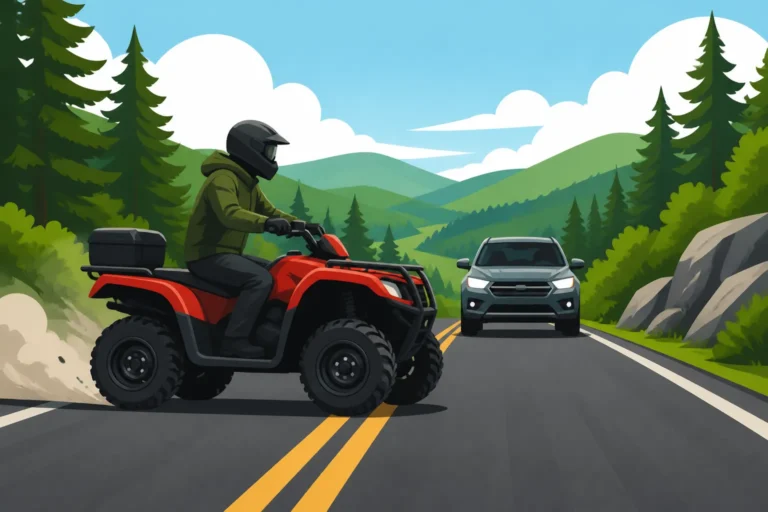
Brighton’s Fine Schedule in Vermont
There’s nothing quite like hitting the trails in Vermont, especially around a place as beautiful as Brighton. The crisp air, the stunning scenery, and the roar of your engine can make for an unforgettable experience. However, that peace of mind can quickly vanish if you find yourself on the wrong side of a local ordinance, especially when it comes to fines. It's a common frustration: you just want to ride, but navigating the specific rules and potential penalties for a town like Brighton can feel like deciphering ancient texts. This guide is here to shed light on Brighton's specific fine schedule for ATV and UTV violations, helping you understand the rules, avoid costly mistakes, and keep your riding experience joyful and penalty-free.
Understanding Brighton's ATV Ordinance: What It Is and Why It Matters
Brighton, Vermont, like many towns, has its own set of rules governing ATV and UTV use within its borders. These aren't just arbitrary regulations; they're put in place to ensure rider safety, protect the environment, minimize noise disturbances for residents, and integrate off-road recreation responsibly with town life. Ignoring these rules, even unintentionally, can lead to fines and a sour end to what should be a great day out. It's not enough to know the general state laws; specific town ordinances can add layers of complexity you absolutely need to be aware of.
The Authority Behind the Rules: How Brighton Sets Its Ordinance
You might wonder how a town like Brighton gets the authority to set its own ATV rules when there are state laws that apply to all of Vermont. Well, Vermont state law actually grants towns the power to designate certain roads and establish ordinances for ATV operation within their municipal limits. This means that while the state sets a baseline, individual selectboards or town councils can – and often do – add specific conditions that reflect their local community's needs and concerns. Think of it as a localized layer of governance that addresses unique challenges, whether it's managing traffic flow on village streets, protecting sensitive natural areas, or ensuring residents aren't unduly disturbed by noise or dust. For Brighton, this process typically involves public hearings, community input, and then a formal vote by the selectboard to enact an ordinance. This also means these ordinances can be reviewed and adjusted periodically, so staying informed is crucial.
Key Elements of Brighton's Ordinance Affecting Riders
Brighton's ATV ordinance covers a range of aspects, all designed to create a safe and harmonious riding environment. It's not just about where you can ride, but how you can ride. This includes defining the specific town roads and routes that are open to ATVs and UTVs, often linking up with the broader VASA trail system. Beyond designated routes, the ordinance will typically outline operational rules such as speed limits – you might find that [Brighton's 25 mph Cap in Vermont] applies on certain roads – and [Brighton's Night Curfew in Vermont], which specifies the hours when machines are permitted to operate. You'll also find stipulations about required safety gear, like helmets, and the necessity of having a properly registered machine with adequate insurance. Sometimes, there are rules about how your machine itself must be equipped, such as functioning lights, proper mufflers to control noise, and visible license plates. These seemingly small details are exactly what can lead to a fine if overlooked.
Common Violations and Their Initial Penalties
When you're out enjoying the trails, the last thing you want is a run-in with law enforcement that results in a ticket. Understanding the most common violations can help you steer clear of trouble. Brighton, like other towns, has particular hot spots for violations, often centering around designated routes, speed, and time of day.
Unregistered or Uninsured Riding
One of the most fundamental requirements for riding an ATV or UTV on any public land or designated trail in Vermont – and certainly on Brighton's open town roads – is proper registration and valid insurance. This isn't just a suggestion; it's a legal mandate. If you're caught operating a machine that isn't registered with the Vermont DMV or lacks the required liability insurance, you're looking at a significant initial fine. This isn't a Brighton-specific ordinance per se, but rather a state law enforced within Brighton. Without proper registration, you're essentially operating an unregistered vehicle, and without [Vermont ATV Insurance Requirements], you're risking not only legal penalties but also severe financial repercussions if an accident occurs. Always carry proof of both registration and insurance with you when you ride, just as you would with a car.
Speeding and Curfew Violations
Speed limits and curfews are put in place for a reason: safety and noise control, particularly in residential areas or village centers. Brighton's ordinance, for instance, might specify a lower speed limit on certain town roads than you might expect, such as [Brighton's 25 mph Cap in Vermont]. Exceeding this limit isn't just dangerous; it’s a direct violation that carries a fine. Similarly, [Brighton's Night Curfew in Vermont] is a critical rule to remember. Riding an ATV or UTV outside of designated hours, especially late at night, is a common reason for residents to complain, leading to enforcement action. These rules are designed to balance rider access with the peace and quiet of the local community. A first offense for speeding or violating the curfew will typically result in a standard fine, which can add up quickly, especially if you're halfway through a scenic tour.
Riding on Closed Roads or Private Property
This might be the most common and easily avoidable violation. Brighton's ATV ordinance explicitly designates which roads are open for ATV use. If a road isn't marked as open, it's closed. This includes town roads that haven't been designated by the selectboard, state highways, and often, Class 4 roads that haven't been explicitly opened. Riding on a closed road immediately puts you in violation. Even more critical, and often more costly in terms of fines and legal trouble, is riding on private property without express permission from the landowner. [Vermont Landowner Permission Rules] are very clear on this. Many of Vermont's trails exist because of the generosity of private landowners, and trespassing can jeopardize the entire trail system. A first offense for riding on a closed road or private land without permission can result in a hefty fine and, in the case of trespassing, potential civil charges from the landowner. It’s crucial to consult [Vermont ATV Trails: The VASA System] maps and local Brighton maps to ensure you’re always on an approved route.
Escalation of Fines: What Happens After Your First Ticket
It’s easy to make an honest mistake once, but repeated violations show a disregard for the rules, and towns like Brighton are typically structured to reflect this with escalating penalties. This progressive fine schedule is designed to deter repeat offenders and encourage compliance after an initial warning or minor penalty.
A Second ATV Ordinance Ticket Costs $75
If you've already received a ticket for an ATV violation under Brighton's ordinance and then commit another, you'll find the penalty structure gets a bit steeper. For many typical offenses, [A Second ATV Ordinance Ticket Costs $75]. This isn't just double the first fine; it often comes with a different implication. A first offense might be seen as a mistake, but a second suggests a pattern. The local authorities, whether it's a town constable or a game warden, will have a record of your previous infraction. This increased fine serves as a stronger deterrent and a clear message that the town takes its regulations seriously. It's a wake-up call to re-familiarize yourself with the local rules, double-check your permits, and ensure your machine meets all requirements.
A Third ATV Ordinance Violation Runs $100
Should you find yourself receiving a third ticket for an ATV ordinance violation in Brighton, the fines escalate even further. At this point, [A Third ATV Ordinance Violation Runs $100], and often, the patience of local enforcement wears thin. This level of repeated violation can sometimes lead to more than just monetary penalties; authorities might begin to consider other measures, though these are typically reserved for severe or persistent disregard for public safety. Repeated offenses can reflect poorly on the entire ATV riding community, making it harder for local clubs and VASA to maintain good relationships with towns and landowners who permit trail access. It's a stark reminder that responsible riding is a collective effort, and individual actions have broader consequences for everyone who enjoys the sport.
Waiver Fees Versus Full Fines
When you receive an ATV ticket in Brighton, you'll often be presented with two options: pay a "waiver fee" or contest the ticket in court, which typically means paying the "full fine" if found guilty. The waiver fee is usually a slightly reduced amount that you can pay directly to the town or court clerk, essentially admitting guilt and closing the matter without a court appearance. This is often the path many riders choose, especially for minor infractions, as it avoids the time and hassle of a court date. However, if you believe you were wrongly accused or have a valid defense, you have the right to challenge the ticket. If you opt to go to court and are found liable, you'll typically be on the hook for the full fine amount, which is often higher than the waiver fee. You might also incur court costs. It's an important distinction to understand, as [Paying a Waiver Instead of a Fine] can save you both money and a headache, but only if you agree with the charge. Always read your ticket carefully to understand these options.
Avoiding Fines: Best Practices for Riding in Brighton
Nobody wants to get a ticket, especially when you're trying to enjoy a recreational activity. The good news is that most fines are entirely avoidable with a little preparation and awareness. Being a responsible rider benefits everyone and helps maintain access to the beautiful Vermont trails.
Knowing the Maps and Signs
This is perhaps the single most important piece of advice for avoiding fines in Brighton. Before you even load your machine, study the local ATV trail maps and designated road maps. These are often available through the local town office, the VASA website, or a local ATV club like the Tri-County ATV Club. Don't assume that because a road looks like a trail, it's open. Look for official signs and markings. [Vermont Posted Routes and Their Signs] are there for a reason and clearly indicate where you can and cannot ride. Pay close attention to these signs as you ride, especially when transitioning from a VASA trail onto a town road, or vice versa. Roads that are open for snowmobiles in winter are often not open to ATVs in the warmer months. Knowing your route ensures you don't inadvertently wander onto a closed road or, worse, private property.
Maintaining Proper Equipment and Documentation
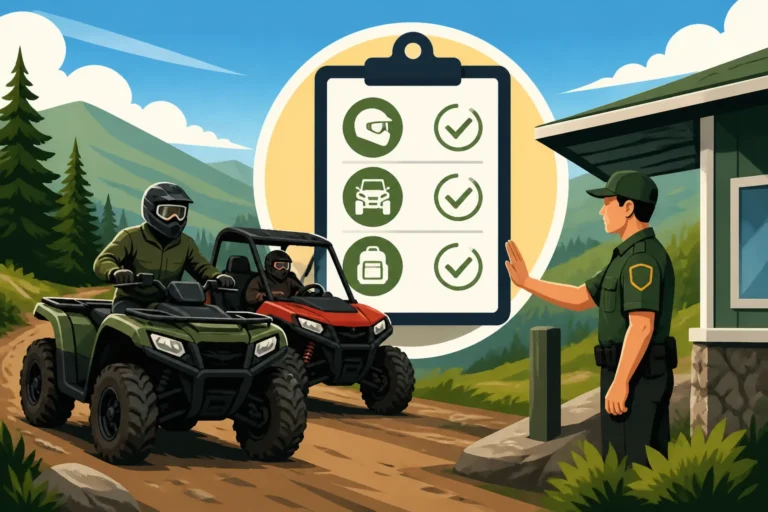
Beyond knowing where to ride, you need to ensure your machine and your paperwork are in order. This starts with proper registration and insurance, as discussed. Make sure your registration sticker is current and clearly visible, and always carry your physical registration and insurance cards. For your machine, ensure all required safety equipment is in good working order. This includes functional headlights and taillights – especially if you're riding near dawn or dusk, or even during the day for visibility – and effective brakes. Your muffler should be in good repair to comply with noise regulations; aftermarket exhausts from companies like SuperATV might offer performance benefits, but always ensure they meet local noise standards to avoid complaints and fines. A properly mounted and clearly visible license plate, as explained in [Vermont Plate Visibility on the Road], is also critical. Don't forget your helmet, as [Vermont ATV Helmet Law for Every Rider] applies to everyone, regardless of age. Regular maintenance of your ATV or UTV not only keeps you safe but also helps you avoid equipment-related violations.
Respecting Private Land and Community Concerns
The vast majority of Vermont's ATV trails, including those that connect to Brighton's open roads, are on private land. This is a privilege, not a right. Always stay on marked trails and designated routes. Never, ever ride off-trail onto private property without explicit, advance permission from the landowner. This also means being mindful of your impact. Keep noise levels down, especially near homes, and slow down when passing through populated areas or near livestock. Avoid kicking up excessive dust. [Vermont Landowner Permission Rules] are the backbone of the trail system, and respecting them is paramount. Engaging with local ATV clubs, like the Tri-County ATV Club, is also a fantastic way to learn about local nuances and contribute to the positive reputation of riders. When you purchase a [Vermont TAD: The Trail Access Decal Explained], a portion of that fee goes to support these clubs, who work tirelessly with landowners to keep trails open.
The Appeals Process: Contesting a Brighton ATV Ticket
Receiving a ticket can be frustrating, especially if you believe you weren't in violation. Understanding your rights and the process for appealing a ticket in Brighton is crucial. It gives you an avenue to explain your side of the story or challenge the validity of the citation.
Steps to Appeal a Violation
If you decide to contest an ATV ticket in Brighton rather than simply paying the waiver fee, the first step is typically indicated on the ticket itself. Usually, you'll need to notify the court or the town clerk within a specific timeframe – often around 20 or 30 days – of your intent to plead not guilty. This notification typically involves mailing back a form that came with your ticket or appearing in person to register your plea. Once you've done so, a court date will be scheduled.
When preparing for your court appearance, gather any evidence you might have: photographs of the area, witness statements, or documentation related to your machine's registration, insurance, or equipment. For example, if you were ticketed for an equipment violation, having a receipt for a recently installed SuperATV part that meets compliance standards could be helpful. Clearly articulate your defense, sticking to the facts. The goal is to present your case to the judge or hearing officer and demonstrate why the ticket should be dismissed or reduced.
Understanding the Waiver Option
As previously mentioned, the waiver option allows you to pay a predetermined fee without appearing in court. This fee is often slightly less than the full fine that would be imposed if you were found guilty after a hearing. For many, [Paying a Waiver Instead of a Fine] is the simplest and most convenient option, especially for minor infractions where the cost of taking time off work or traveling to court outweighs the fine itself.
However, it's important to understand that paying the waiver fee is an admission of guilt. While it resolves the immediate issue, it also means the violation will be on record. For repeat offenders, a series of waiver payments can still lead to the escalation of fines, as seen with [A Second ATV Ordinance Ticket Costs $75] and [A Third ATV Ordinance Violation Runs $100]. Always weigh the pros and cons: if you genuinely believe you're innocent and have a strong case, appealing might be the right choice. If it was an honest mistake and you want to move on, paying the waiver fee is often the practical solution.
The Broader Context: Why Local Ordinances Exist
It’s easy to view fines and ordinances as simply restrictive, but they serve a much larger purpose within the fabric of a community. Local rules aren't just about preventing bad behavior; they're about fostering a sustainable environment for recreational activities while respecting residents and preserving natural beauty.
Community Impact and Safety Concerns
Local ordinances, like Brighton's, are often a direct response to community concerns. Residents worry about noise, dust, increased traffic on quiet roads, and potential safety risks, especially where ATV routes pass through residential areas or near schools. Speed limits, curfews, and designated routes are all designed with public safety in mind. They aim to reduce the likelihood of accidents involving ATVs and other vehicles or pedestrians, particularly children. For example, when towns consider opening roads, they conduct public hearings where residents can voice their concerns, which directly influences the rules enacted. Maintaining safe practices, using appropriate SuperATV safety gear, and abiding by speed and noise restrictions helps to build trust between the riding community and local residents, which is essential for preserving riding access in the long run.
The Role of Local Enforcement
In Brighton, [Who Enforces ATV Rules: Warden or Town Officer?] might vary. It could be a town constable, a local police officer, or a state game warden. These individuals are responsible for upholding both state laws and local ordinances. Their primary goal isn't to issue tickets but to ensure compliance and maintain public safety and order. When they issue a fine, it’s usually because a rule has been broken that could lead to an unsafe situation or disturb the peace of the community. Understanding their role can help you interact respectfully and cooperatively. Always pull over safely, be polite, and have your documentation ready if you are stopped. Compliance with their directives and adherence to the ordinance helps foster a positive relationship with the community and ensures that riding opportunities in Brighton and across Vermont can continue for years to come.
Brighton ATV Fine Schedule Summary
To help you keep track, here's a general overview of how Brighton's fine schedule often operates for common ATV ordinance violations. Please note these are illustrative and specific fines can vary, so always check the official town ordinance.
| Violation Type | First Offense (Waiver Fee) | Second Offense (Waiver Fee) | Third Offense (Waiver Fee) | Potential Additional Consequences |
|---|---|---|---|---|
| Speeding (e.g., above 25 mph cap) | Varies (e.g., $50) | [A Second ATV Ordinance Ticket Costs $75] | [A Third ATV Ordinance Violation Runs $100] | Court costs, license points (if applicable) |
| Curfew Violation | Varies (e.g., $50) | [A Second ATV Ordinance Ticket Costs $75] | [A Third ATV Ordinance Violation Runs $100] | Community complaints, stricter enforcement |
| Riding on Closed Roads | Varies (e.g., $50-75) | [A Second ATV Ordinance Ticket Costs $75] | [A Third ATV Ordinance Violation Runs $100] | Trespassing charges (if on private land) |
| Riding on Private Property (Trespass) | Varies (e.g., $75+) | Escalates significantly | Can lead to civil action | Landowner restrictions, legal fees |
| Unregistered/Uninsured Machine | State-mandated fine (high) | State-mandated fine (higher) | State-mandated fine (highest) | Vehicle impoundment, severe legal penalties |
| Equipment Violation (e.g., no helmet) | Varies (e.g., $40-60) | [A Second ATV Ordinance Ticket Costs $75] | [A Third ATV Ordinance Violation Runs $100] | Safety risk, further inspection |
This table provides general guidance. Always refer to the specific fine amounts listed on your ticket or the official Brighton town ordinance for precise figures and details.
Disclaimer
This article is for general informational purposes only and does not constitute professional advice. Laws, prices and regulations vary by location and change over time. Consult a qualified professional for guidance on your specific situation.