Vermont Posted Routes and Their Signs
One of the biggest head-scratchers for ATV and UTV riders in Vermont is figuring out exactly where they're allowed to ride. It's not always as simple as "dirt roads are fair game," and seeing a sign can either bring a wave of relief or a pang of confusion. This guide is here to clear up the mystery behind Vermont's posted ATV routes and signs, helping you understand what they mean so you can ride confidently and legally across our beautiful Green Mountain State.
Understanding Vermont's ATV Road Designation System
Navigating Vermont's ATV landscape can feel a bit like reading a patchwork quilt of rules and regulations. Unlike some states with broad, statewide permissions, Vermont's approach is distinctly local, granting individual towns the authority to decide which of their roads, if any, are open to ATV traffic. This means that what's legal in one town might get you a hefty fine just a few miles down the road in another. It’s a system designed to give local communities control, but it certainly puts the onus on riders to stay informed.
Who Designates Roads for ATV Use
In Vermont, the power to designate local roads for ATV use rests squarely with the town's legislative body, typically the Selectboard. These are the folks who know their town's unique character, traffic patterns, and resident concerns best. They hold public meetings, hear input from community members, and weigh the pros and cons before making a decision. It's a democratic process, which means that active local ATV clubs and engaged residents can play a significant role in advocating for new routes or maintaining existing ones. This local control means you can't assume that because a Class 3 or 4 road looks like a great ATV trail, it's automatically open. Many factors go into their decision-making, from road maintenance concerns to potential conflicts with other road users or local residents.
When a town decides to open a road, they don't just put up a sign overnight. There's a formal process involving resolutions and public notices, ensuring everyone has a chance to understand the changes. Often, these decisions are made in collaboration with organizations like the Vermont Association of Snow Travelers (VASA), which helps coordinate trails and advocates for responsible riding. So, while it feels very grassroots, it's all part of a structured, legal framework that keeps our roads safe and accessible for designated uses. You'll often see these discussions happen at annual town meetings or specific Selectboard hearings.
The Annual Renewal Process for Town Routes
Here's where it gets even more specific: these road designations aren't set in stone forever. Many, if not most, towns in Vermont operate on an annual designation system. This means that every year, usually in the spring or early summer, the Selectboard has to re-evaluate and re-approve which roads are open to ATVs. If they don't take action, those designations can simply lapse, meaning roads that were open last year might be closed this year. This annual review is crucial because it allows towns to respond to new concerns, address damage from the previous season, or simply decide if the program is working for their community.
For riders, this annual renewal process means constant vigilance is key. You can't rely on last year's knowledge alone. [Why Vermont Road Designations Must Be Renewed Yearly] is a big reason why checking official town maps and updates from VASA or local clubs is so important before heading out. Imagine planning a long weekend ride only to discover a key connecting route has been closed because the town didn't renew its designation. It's frustrating, but it's part of the landscape here. Riders need to understand that the permissions they enjoy are often temporary and subject to local review.
Why Designations Lapse or Change
So, why would a town let a designation lapse, or even actively change it? There are numerous reasons, often stemming from community feedback or practical concerns. Sometimes, it's as simple as an administrative oversight – the Selectboard might get busy and not prioritize the renewal. More often, it's due to issues that arise during the previous riding season. Noise complaints from residents along a designated route are a common factor, especially if riders aren't observing quiet hours or proper muffler rules. Dust can also be a significant issue for homes bordering unpaved roads, leading to calls for closures.
Environmental concerns, such as erosion or damage to sensitive areas, can also prompt a town to pull back on designations. [What Happens If a Board Takes No Action] often means those routes automatically revert to being closed to ATVs. Beyond complaints, infrastructure issues play a role. If a bridge needs repair and can't handle the weight, or if a road itself sustains heavy damage that would be exacerbated by ATV traffic, a town might decide to close it for safety and cost reasons. It’s a constant balancing act between offering recreational opportunities and protecting the peace, safety, and infrastructure of the community.
The Anatomy of a Vermont ATV Posted Route Sign
Once a town has officially designated a road for ATV use, they typically install specific signage to inform riders and other road users. These signs aren't just decorative; they are legal directives that outline where, when, and how you can operate your machine. Learning to properly read and interpret these signs is paramount for legal and safe riding. They are your primary visual cue on the ground, telling you instantly if you're on a permitted route.
Key Elements and What They Mean
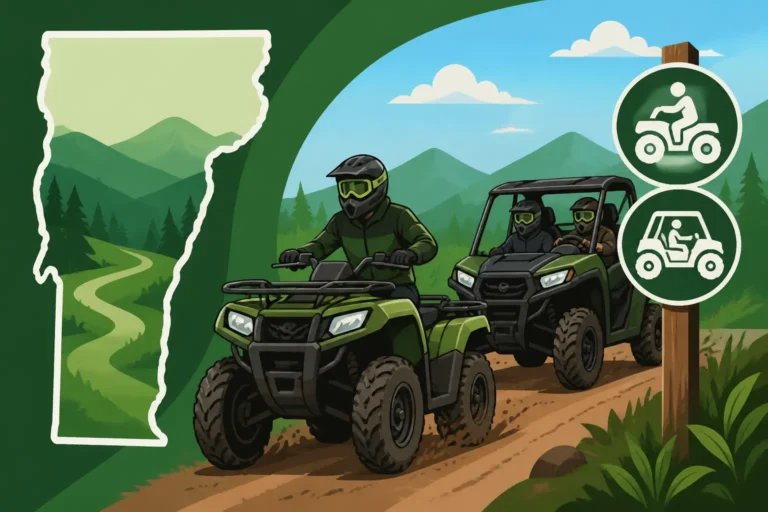
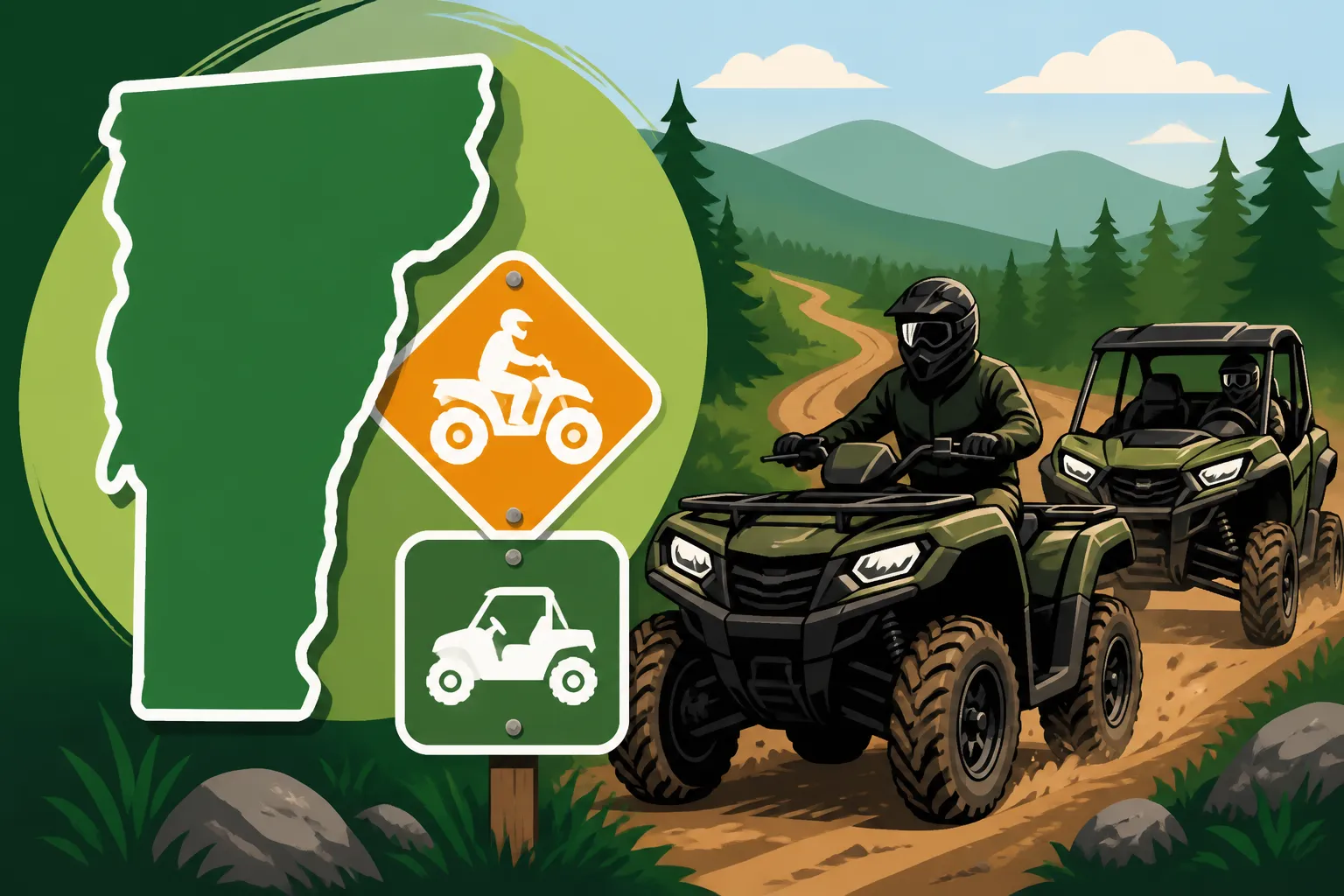
Vermont's ATV route signs are designed to be clear and concise, though they can sometimes vary slightly in specific wording or design from town to town. Generally, you'll look for signs that explicitly state "ATV Route," "UTV Route," or "OHV Route" with an arrow indicating the direction of travel or the beginning of the designated section. These signs are usually brightly colored, often white with green or black lettering, to ensure high visibility. Beyond the basic "yes, you can ride here" message, many signs include additional crucial information that riders often overlook.
You might see specific pictograms indicating allowed vehicle types, or even a depiction of an ATV. What's often overlooked is the information printed below the main route declaration. This is where you'll find conditions of use. Some signs might specify the type of machine, or even call out a local club that helps maintain the route. It’s not just about seeing the "ATV" word; it’s about reading the whole message. [Routes Posted With Official Signs] means these aren't just informal markers; they carry the weight of local law, and disregarding them can lead to tickets.
Identifying Permitted Operating Hours and Seasons
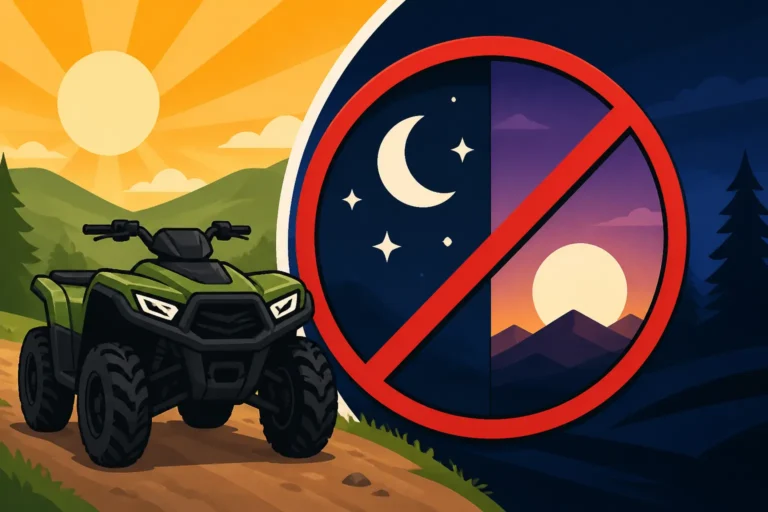
One of the most common pieces of information found on Vermont ATV route signs pertains to operating hours and seasons. Vermont towns frequently impose curfews or specific hours of operation to minimize noise disturbances for residents, especially in more populated areas. For example, a sign might clearly state "ATV Use 7 AM – 9 PM" or similar timeframes. Ignoring these can quickly lead to complaints and, consequently, fines. Many towns also restrict ATV access to specific seasons, typically aligning with VASA's official riding season, which often runs from May to October, avoiding mud season and protecting roads during winter freezes.
It's not uncommon to see signs that specify "Season: May 15 – October 15," for instance. These dates are critical, as riding outside of the designated season can result in penalties, even if the physical road is clear. Imagine seeing a beautiful fall day in November and thinking, "Perfect for a ride!" only to find out the season officially closed on October 15th for that specific route. This kind of detail is precisely why reading every part of the sign is so important. Some towns, like Brighton, even have specific start and end dates for their season, which will be posted right on the signs.
Understanding Speed Limits and Other Restrictions
Beyond hours and seasons, posted signs are also where you'll find other critical restrictions, particularly speed limits. While Vermont has general speed limits for various road types, towns often implement lower, specific speed limits for ATVs on designated routes to enhance safety for all road users, including pedestrians, cyclists, and other vehicles. You might see a sign that says "ATV Speed Limit 25 MPH" even if the general road speed limit is higher for cars. This is particularly common on shared town roads, especially those passing through residential areas or village centers. [Brighton's 25 mph Cap in Vermont] is a good example of this kind of specific town ordinance.
Other restrictions might include prohibitions on certain maneuvers, like excessive noise or "spinning tires," or even specific rules about passing other vehicles. Some signs might indicate no access to adjacent private land or state "stay on designated route." These aren't suggestions; they're rules. Overlooking these details can not only lead to legal trouble but also strain relationships with landowners and residents, potentially jeopardizing the future of ATV access in that area. Always assume that if it's on the sign, it's a rule you need to follow diligently.
Navigating Different Types of Posted Routes
Vermont's network of roads is diverse, ranging from paved state highways to barely maintained Class 4 dirt tracks. When it comes to ATV access, these different road classifications interact with town ordinances and posted signs in specific ways. Understanding these distinctions is key to a smooth and legal ride, as a sign on one type of road might mean something different than the same sign on another.
Class 3 and 4 Roads Designated for ATVs
Class 3 and Class 4 roads are typically where most of Vermont's ATV access is found. These are generally unpaved, less-trafficked roads, and they often feel like natural trails. Class 3 roads are maintained by the town but might not be paved, while Class 4 roads are legally recognized public roads but are unmaintained, often rough, and sometimes impassable by regular vehicles. For many riders, these are the ideal routes, offering the rugged experience they seek. When a Class 3 or 4 road is designated as an ATV route, you'll see the official signs indicating access.
It’s crucial to remember that even if a Class 4 road appears abandoned, it still falls under local jurisdiction. Just because it’s unmaintained doesn’t mean it’s an open free-for-all. Every designated ATV route, whether Class 3 or 4, will have specific signs at its entry and exit points, as well as at critical intersections. [Vermont ATV Rules on a Class 4 Road] are still subject to local ordinance and explicit posting. Without a sign, even the gnarliest Class 4 road is generally off-limits for recreational ATV use, unless it's part of a privately permitted trail network.
Village Streets and Their Unique Ordinances
While most ATV riding occurs on rural dirt roads, some towns have strategically opened certain village streets or sections of paved roads to connect trail networks or provide access to amenities like gas stations, restaurants, or parking areas. These are often the most sensitive areas for ATV access, as they involve shared use with cars, pedestrians, and residential neighborhoods. When ATVs are permitted on village streets, the signs will be particularly important, often detailing very strict conditions.
These signs on village streets are likely to specify lower speed limits, stricter operating hours, and sometimes even impose specific routes that must be followed. For example, a sign might say "ATV Access to Main Street via Elm Street only." Towns like Newport City have established specific [Newport City's ATV Routes in Vermont] for this very purpose, and their signs clearly guide riders. It's not a free pass to drive anywhere in town. Riders must pay extra attention to these signs and understand that violating rules in a village setting can quickly lead to negative community sentiment and potentially the closure of those routes in the future.
Connecting Trails and Crossing Highways
Many ATV routes in Vermont are part of larger trail networks, often managed by VASA and local clubs, that utilize designated town roads to connect segments of private land trails. This means you might be riding on a dirt trail, then briefly transition onto a town road, and then back onto another trail. Posted signs are absolutely vital at these transition points, clearly indicating when you are on a legal road segment and when you are re-entering a trail. These connecting segments are often what make long-distance rides possible across the state.
Another critical scenario is [Vermont ATV Crossing a State Highway]. This is a very specific type of designation, usually marked by clear signs indicating an official crossing point. You cannot simply cross a state highway anywhere you wish. These crossings are designated for safety, often at intersections with good sightlines, and require riders to stop, look, and yield to traffic. The signs will specify the crossing point, and there will often be clear signage on the highway itself alerting motorists to ATV crossings. Always look for these specific signs before attempting to cross any major paved road.
Common Misconceptions and Rider Responsibilities
Even with clear signs, there are persistent myths and misunderstandings that can trip up even experienced riders. Part of riding responsibly in Vermont means actively debunking these myths and embracing your role in keeping access open for everyone.
The Myth of "All Dirt Roads Are Open"
This is perhaps the biggest misconception in Vermont ATV riding: the belief that all unpaved or dirt roads are automatically open to ATVs. This is simply not true. As we've discussed, every single road segment requires explicit designation by the town Selectboard. If you don't see a clear sign indicating an ATV route, you should assume the road is closed to recreational ATV use. This applies to Class 4 roads, logging roads, and even roads that appear seldom used. [Vermont ATV Rules on a Dirt Road] are not universal; they are hyper-local.
Riding on an undesignated dirt road, even unknowingly, is trespassing and can lead to fines, your machine being impounded, and severe penalties. More importantly, it can quickly erode the goodwill that ATV clubs and VASA have painstakingly built with landowners and town officials. When residents see ATVs on roads that aren't posted, it confirms their fears about irresponsible riding and makes them less likely to support future access. Always prioritize official signage over assumption.
Your Obligation to Know the Rules
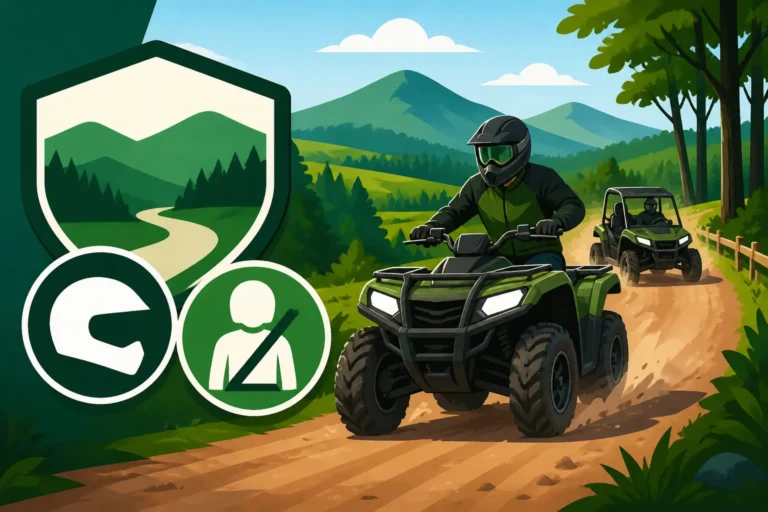
Riding an ATV or UTV in Vermont comes with a significant responsibility: it is your job, as the operator, to know and follow the rules. "I didn't see the sign" or "I didn't know" is generally not an acceptable defense if you're pulled over. This includes knowing which roads are open, what the operating hours are, and what equipment your machine needs for road use. Beyond the posted signs, it also means understanding statewide laws, such as [Vermont ATV Helmet Law for Every Rider] and [Vermont ATV Insurance Requirements].
Before you even load up your machine, you should be checking official town websites, VASA's trail maps, or contacting local ATV clubs for the most up-to-date information on routes. Ignorance of the law is never an excuse. Consider carrying physical or digital maps that clearly mark designated routes. A little preparation goes a long way in ensuring a legal and enjoyable ride. Think of it like checking the weather before you head out – it's just part of being a prepared and responsible rider.
Penalties for Ignoring Posted Signs
Ignoring posted ATV route signs in Vermont can lead to a range of penalties, from warnings to substantial fines and even legal action. If you're caught riding on a closed road, you could be cited for trespassing, operating an unregistered vehicle (if it’s not registered for road use), or violating a local ordinance. The fines can add up quickly, especially if repeated offenses occur. For instance, [Vermont ATV Fines for Road Violations] can escalate with subsequent offenses, making a fun day out turn into a very expensive lesson.
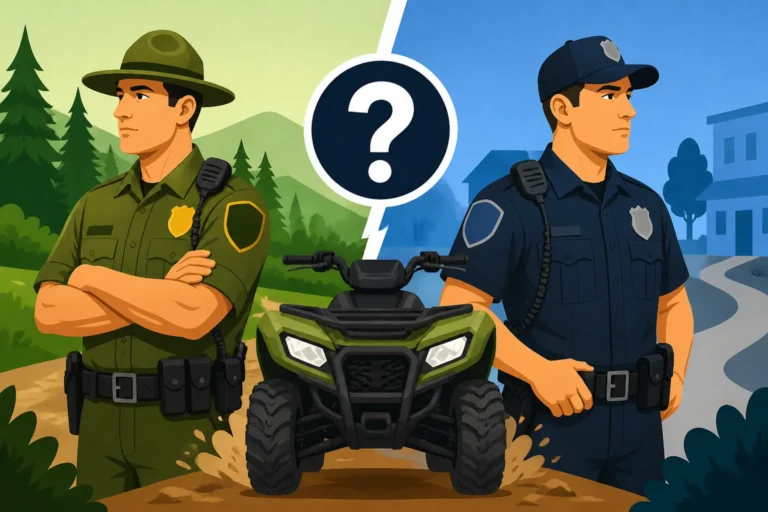
Beyond monetary penalties, your machine could potentially be impounded, and in more severe cases, you could face criminal charges, especially if property damage or injury occurs. Local wardens and town officers are authorized to enforce these rules, and they are out there, especially during peak riding seasons. Every time someone rides where they shouldn't, it creates a negative impression that impacts all riders. It's a collective responsibility to adhere to these rules and respect the signage that provides legal access.
Finding and Interpreting Vermont ATV Route Maps
While on-the-ground signs are essential, relying solely on them can be challenging, especially when planning a longer ride or exploring new areas. Official maps provide an invaluable tool for understanding the broader network of designated routes and ensuring you stay legal and on track.
Official Town Maps and VASA Resources
The most authoritative source for Vermont ATV route maps will often come directly from the towns themselves or from the Vermont Association of Snow Travelers (VASA). Many towns that permit ATV access will publish maps on their official municipal websites, often under their Selectboard or Clerk's office sections. These maps will clearly delineate which roads are open, which are closed, and any specific conditions or hours. They represent the town's official stance on ATV access.
VASA, as the statewide organization supporting ATV and snowmobile trails, is another indispensable resource. VASA works closely with towns and local clubs to compile and distribute comprehensive trail maps that integrate designated town roads with private land trail sections. These maps are often updated seasonally and can be found on the VASA website or through individual club sites. [Vermont ATV Trail Map Downloads] are often available, and it's highly recommended to download the latest versions before you head out. These resources help you stitch together a complete picture of where you can and cannot ride.
Reading Symbols and Route Markers
Just like any map, ATV route maps use various symbols and colors to convey information quickly. It’s important to familiarize yourself with the legend or key provided with the map. Typically, designated ATV routes will be clearly marked with a specific color or line type, distinguishing them from roads that are entirely closed or designated for other uses (like snowmobiles only). Look for symbols indicating trailheads, parking areas, points of interest, gas stations, and other amenities.
Some maps might also use different colors or line styles to denote different types of access, such as Class 3 roads versus Class 4 roads, or even areas with specific restrictions like curfews or noise limits. Arrows will show the direction of permitted travel on one-way sections. Pay close attention to these details, especially when planning complex loops or multi-day rides. Understanding these symbols is akin to reading the signs on the road – it's crucial for legal and enjoyable navigation.
Digital Tools Versus Physical Maps
In today's world, riders have the option of using both digital mapping tools and traditional physical maps. Digital apps, often GPS-enabled, can be incredibly convenient, showing your exact location in real-time on a downloaded trail map. Many VASA clubs offer their maps through apps, which can be invaluable in unfamiliar territory. These apps can highlight designated routes, warn you if you're approaching a closed section, and even track your mileage. For instance, companies like SuperATV often have accessories and mounting solutions that make using a tablet or smartphone for navigation easier and more secure on your machine.
However, never underestimate the value of a physical, paper map. Cell service can be spotty in Vermont's remote areas, especially in the Northeast Kingdom. A printed map, ideally laminated for durability, can be a lifesaver if your battery dies, you lose signal, or your device gets wet. It’s always a good practice to carry both – use the digital for convenience, but have a paper backup for emergencies. Think of it as having redundant safety systems; you wouldn't trust just one brake, so don't trust just one navigation tool. [Cell Dead Zones in the Kingdom] are a real concern, making physical maps a smart choice.
Ensuring Your Machine Meets Vermont Road Requirements
Riding on designated town roads in Vermont means your ATV or UTV isn't just a trail machine anymore; it's a vehicle sharing public ways. This brings with it specific requirements for both the machine itself and its operator, which are often reinforced by the very signs you encounter.
Essential Equipment for Road Use
When operating your ATV or UTV on a designated town road in Vermont, it's not enough just to have the proper registration and insurance. Your machine itself needs to be equipped to meet certain safety standards for road travel. This typically includes working headlights and tail lights, which are especially critical during dawn, dusk, or nighttime operation. Many signs will imply or explicitly state "daylight hours only" if certain lighting is not up to par. Additionally, proper braking systems are mandatory, as are mufflers that meet noise regulations to minimize disturbances. [Vermont Headlight and Tail Light Rules] are there to ensure visibility and safety for all.
Reflectors are also important, and while not always explicitly listed on signs, they contribute to overall visibility. While a horn isn't always required for off-road use, it's often a smart addition for machines venturing onto roads, as it can be a crucial warning device. Think about accessories from companies like SuperATV that can help you meet these requirements, whether it's brighter LED lights or more robust signal systems. Ensuring your machine is road-ready protects you and others.
Insurance and Registration Verification
Before you even think about putting a tire on a designated town road, your ATV or UTV must be properly registered with the Vermont Department of Motor Vehicles and carry the required liability insurance. This isn't just a good idea; it's a legal mandate that will be checked by law enforcement, and it's implicitly supported by every "ATV Route" sign you see. Operating an unregistered or uninsured machine on a public road is illegal, regardless of whether the road is designated for ATVs. [Vermont ATV Registration Cost] and [Vermont ATV Insurance Requirements] are fundamental aspects of legal riding.
You should always carry proof of your current registration and insurance with you while riding. A warden or town officer can and will ask to see these documents. If you're riding a rented machine, make sure the rental company has provided you with all necessary documentation. Remember, the signs tell you where you can ride, but your registration and insurance confirm that you are legally permitted to ride that machine on those designated routes.
Maintenance for Safe Road Travel
Finally, running an ATV or UTV on roads, even short connecting segments, puts different stresses on your machine than pure trail riding. Regular maintenance becomes even more critical. Tires need to be in good condition, properly inflated, and suitable for mixed terrain if you're transitioning between dirt and pavement. Brakes should be inspected frequently, ensuring they are fully functional and capable of stopping your machine effectively. It’s also important to keep your machine clean, especially your license plate, so it's always readable. [Keeping a Plate Readable in Mud] is often overlooked but important.
Think of it this way: if your machine isn't roadworthy, not only are you risking your own safety, but you're also creating a potential hazard for other road users. A well-maintained machine is a safer machine, and responsible riders understand that taking care of their ATV or UTV is part of respecting the privileges of road access. Consider a comprehensive pre-ride check before hitting any designated route, focusing on lights, brakes, tires, and overall mechanical integrity.
Disclaimer
This article is for general informational purposes only and does not constitute professional advice. Laws, prices and regulations vary by location and change over time. Consult a qualified professional for guidance on your specific situation.