Appointments at a DMV Office
Oh, the Vermont DMV! Just hearing those letters can send a shiver down some riders' spines, right? For years, getting anything done at the Department of Motor Vehicles often meant bracing for long waits, taking half a day off work, and sometimes even leaving without your transaction completed because you forgot one crucial piece of paper. It was a rite of passage, but not always a pleasant one. If you're looking to register your ATV or get a title for your UTV in Vermont, the process has changed, and understanding how appointments work is key to saving yourself a headache. This guide is all about demystifying the Vermont DMV appointment system, specifically for your off-road vehicle needs, so you can walk in, get what you need, and get back to planning your next ride.
Why Appointments Are Now the Norm at Vermont DMVs
Gone are the days when you could just roll out of bed, grab your papers, and show up at the DMV hoping to be seen. While some smaller, rural offices might occasionally accommodate a quick walk-in, the reality for most Vermont DMV locations, especially the busier ones, is that appointments are not just preferred; they're essentially required for most complex transactions. This shift wasn't to make your life harder, but actually to streamline the process, reduce those infamous wait times, and ensure that when you arrive, a clerk is ready to assist with your specific needs.
The Frustration of Walk-Ins Past
Let's be honest, we've all been there. You block out a morning, drive to the DMV, grab a number that feels like it belongs to an entire population, and then settle in for what feels like an eternity. You watch others come and go, some looking relieved, others completely defeated. Sometimes, after an hour or two of waiting, you'd finally get to the counter, only to be told you were missing a vital form, or that the specific type of transaction you needed couldn't be done by that particular clerk, or even that they were closing for lunch. It was a gamble, a test of patience, and frankly, a huge drain on your precious riding time. For ATV and UTV owners, this was particularly frustrating because our transactions often involve specific forms, proof of ownership, and sometimes even questions about things like [Vermont's 72-Inch, 2,500-Pound ATV Definition] or tax implications that require a bit more dedicated attention.
This past experience is precisely why the move to an appointment-based system, while initially feeling like another hurdle, is actually designed to smooth things out. It means less time spent stewing in a waiting room and more time actually completing your business. No one wants to waste a beautiful Vermont morning stuck indoors when the trails are calling.
Planning Ahead for Your ATV/UTV Registration
When it comes to registering your ATV or UTV, or getting a title, the Vermont DMV handles these vehicles under specific guidelines. These aren't like simply renewing your car registration. These transactions often require a deeper dive into your paperwork, especially if it's your first time registering the machine in Vermont, or if you're transferring ownership. That's why scheduling an appointment is absolutely crucial. It ensures that you've got a dedicated slot and that the DMV staff can prepare for your visit.
Think about it: if you're trying to figure out [How to Register an ATV in Vermont] for the very first time, there are several documents you'll need, from proof of ownership to identity verification. The appointment system lets you specify what you're coming in for, which helps the DMV allocate the right resources. It also forces us, the customers, to actually gather all our ducks in a row beforehand, reducing the chance of a wasted trip. It's a structured approach that benefits everyone involved, preventing you from arriving to register your new side-by-side only to realize you needed a specific form for [Vermont Purchase and Use Tax on an ATV] that you left at home. Planning ahead means you can gather your bill of sale, title, identification, and any other necessary documents well in advance, making your visit as efficient as possible.
How to Schedule Your Vermont DMV Appointment for ATV/UTV Needs
Okay, so you've accepted that appointments are the way to go. Now, how do you actually get one without pulling your hair out? The process is relatively straightforward, primarily relying on the Vermont DMV's online scheduling portal. It's designed to be user-friendly, but knowing what to look for and how to categorize your visit can save you a lot of time and frustration. The key is to be clear about your needs and have all your information at hand.
Navigating the Online Scheduling System
The Vermont DMV's official website is your first stop for scheduling an appointment. You'll typically find a prominent link or section dedicated to "Schedule an Appointment" or "Make a Reservation." Once you click through, you'll be presented with a few options. Most systems will ask you to:
- Select a Location: Choose the DMV office closest or most convenient for you. Keep in mind that wait times and availability can vary significantly between locations. A smaller office might have openings sooner than a busy city branch.
- Choose a Service Category: This is a crucial step for ATV/UTV owners. You'll likely see categories like "Vehicle Registration," "Title Application," "Driver's License Services," or "General Inquiries." For ATV and UTV needs, you'll almost always be looking at "Vehicle Registration" or "Title Application" options. If you're trying to get a [Vermont Title for an Off-Road Vehicle], make sure to select the title service. If you're just registering a machine with a title already, "Vehicle Registration" is your best bet. If you're unsure or have a very complex situation, "General Inquiry" might be an option, but be aware it might not allocate enough time for a full transaction.
- Pick a Date and Time: The system will show you available slots. Weekday mornings are often popular, so if you have flexibility, consider mid-week or mid-afternoon slots.
- Provide Your Information: You'll need to enter your name, contact information (phone and email), and often a brief description of what you need to do. Be specific here – "Register ATV" or "Apply for UTV Title" helps the staff prepare.
Once you've confirmed your appointment, you'll usually receive an email confirmation. Do not delete this email! It typically contains details about your appointment, what to bring, and sometimes a cancellation or rescheduling link. Double-check everything in this email.
Choosing the Right Service Category
This step might seem minor, but selecting the correct service category is vital for a smooth visit. If you choose "Driver's License Renewal" when you actually need to complete your [Vermont ATV Registration Costs and Terms], you might find yourself in the wrong line, with the wrong clerk, and potentially having to reschedule. The DMV clerks are often specialized, and selecting the right category ensures you're routed to someone who can effectively handle your off-road vehicle transactions.
For example, if you're dealing with a brand-new ATV, you'll likely need both to apply for a title and to register it for the first time. The Vermont DMV might allow these to be done in one appointment under a "Vehicle Registration and Title" category, or you might need to schedule separate appointments depending on the system's design. If you're unsure, it's often better to err on the side of providing more detail in the description field, or if available, calling the DMV's general inquiry line before scheduling to confirm the best category for your specific situation, such as understanding [Vermont ASV Class A Registration Explained] versus standard ATV registration.
Preparing Your Documentation Before You Go
I cannot stress this enough: gather all your documents well in advance of your appointment. There is nothing more frustrating than arriving at the counter, your appointment slot ticking away, only to realize you left the original bill of sale at home. The DMV staff are often very particular about original documents and complete paperwork. For ATV/UTV transactions, this checklist is often robust:
- Proof of Ownership: This could be a Manufacturer's Certificate of Origin (MCO) for a new machine, a properly executed bill of sale for a private sale (make sure it includes all necessary details like VIN, buyer/seller info, purchase price, and date – [Writing a Bill of Sale the Vermont DMV Accepts]), or a previous title that's been properly signed over. For inherited machines, you'll need different documentation, like a will or affidavit, as described in [Vermont Registration for an Inherited ATV].
- Proof of Identity: Your valid driver's license or state-issued ID.
- Proof of Residency: Utility bill, lease agreement, or other official mail showing your Vermont address, especially if you're a new resident trying to complete [Vermont ATV Registration for a New Resident].
- Payment: Know what forms of payment the DMV accepts (credit card, debit card, check, money order, cash for some offices). While I can't tell you exact fees, be prepared for registration fees (which vary, see [Vermont ATV Registration Cost]), title fees ([Vermont ATV Titles and What They Cost]), and potentially [Vermont Purchase and Use Tax Rate].
- Completed Forms: The DMV website often has forms available for download. Fill out as much as you can beforehand, such as the title application (VD-119, discussed in [Filling Out Vermont's Form VD-119]) or registration application. This saves time at the counter and ensures accuracy.
- Insurance Proof: Vermont requires ATV liability insurance. Make sure you have proof of insurance with you, as outlined in [Vermont Requires ATV Liability Insurance].
Creating a physical folder or binder for all your documents, and even making photocopies for your records, is a smart move. When you're dealing with something like [Vermont Title for an Older Machine] or a machine bought [Vermont Registration for a Machine Bought Out of State], the paperwork can get a little more involved, so being overly prepared is always best. Don't rely on digital copies unless explicitly told they are acceptable; often, originals are required.
What to Expect During Your DMV Appointment
You've got your appointment scheduled, your documents are neatly organized, and you're ready to tackle the DMV. What happens when you actually arrive? The goal of the appointment system is to make your interaction as focused and efficient as possible, but understanding the flow can help manage your expectations and ensure you make the most of your designated time. Remember, the clerks are there to help, but they also have strict rules and procedures to follow.
The Check-In Process and What to Bring
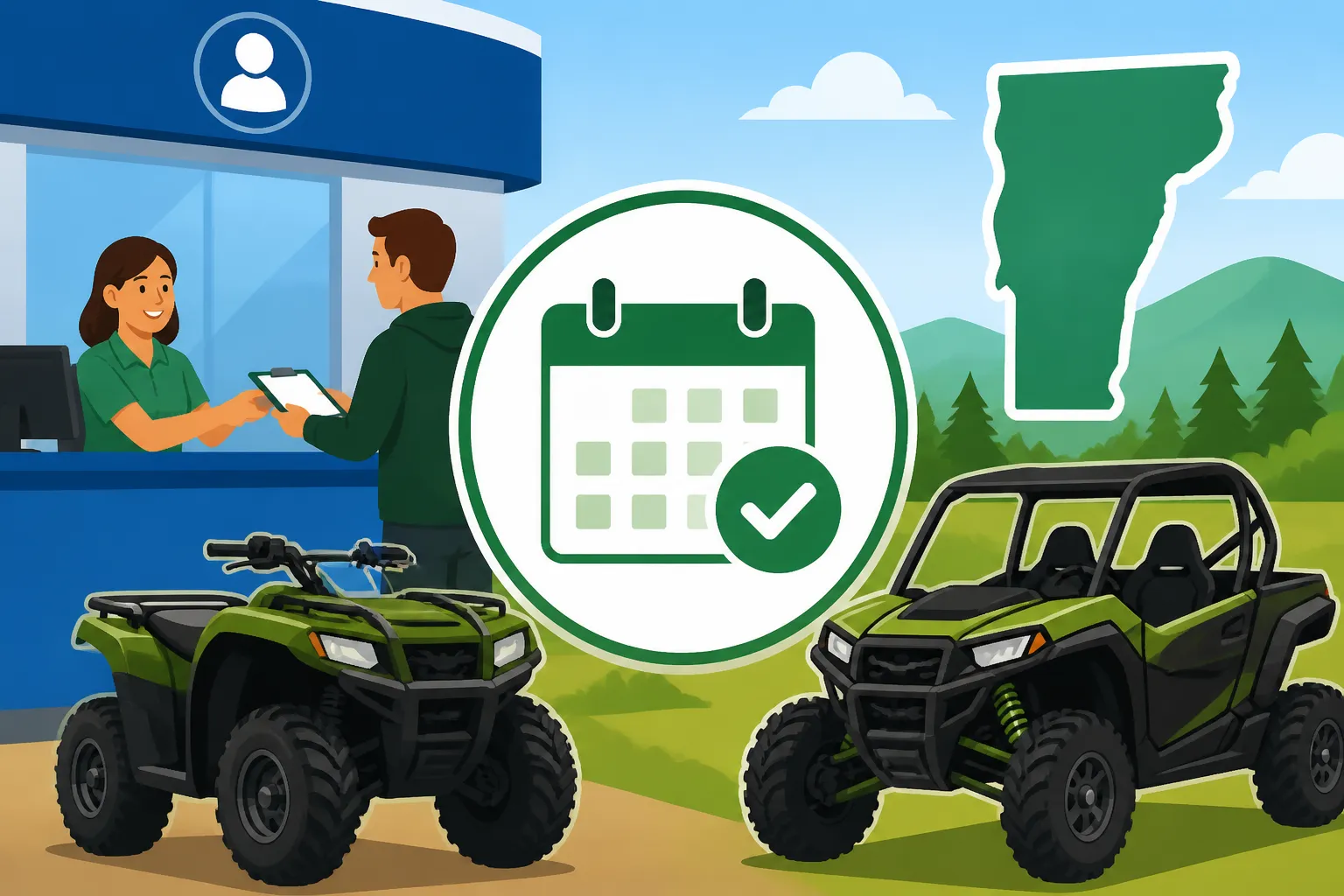
When you arrive at the Vermont DMV for your scheduled appointment, the first thing you'll notice is probably a dedicated check-in area or desk, separate from any walk-in lines that might still exist for very simple transactions. You'll typically need to:
- Announce Your Arrival: Approach the check-in desk and let them know you have an appointment. You'll provide your name and possibly your appointment confirmation number.
- Show ID: Have your identification ready. This confirms you're the person who booked the appointment.
- Wait for Your Turn: Even with an appointment, there might be a short wait while the clerk finishes with the previous customer or prepares for your specific transaction. However, this wait is generally far shorter and more predictable than the old walk-in system. You won't be taking a number and hoping for the best; you'll be waiting for your specific appointment time or just after.
Crucially, bring every single piece of documentation you prepared. Even if you think you might not need it, having it readily available is always better than having to reschedule. This includes your ID, proof of address, all ownership documents (like an MCO or [Filing an Ownership Affidavit at the Vermont DMV]), insurance information, and any pre-filled forms. A simple folder or accordion file can be your best friend here.
Common ATV/UTV Transactions Handled at the Window
Once you're called to the counter, the clerk will be expecting you for the service you selected online. This is where your careful preparation really pays off. Common ATV/UTV transactions you'll be able to complete during an appointment include:
- New Registration: Registering a machine for the first time, whether it's new from a dealer or a private sale. This often involves submitting your title application concurrently.
- Registration Renewal: If your [Vermont Registration Valid One Year] is expiring, you can process your [Vermont ATV Registration Renewal] efficiently.
- Title Application: Applying for a new title for a machine, especially if you've recently purchased one or are transferring ownership. This could involve ensuring the prior owner properly released their interest, or if there was a lien, making sure that [Releasing a Lien on a Title] has been processed.
- Transferring Ownership: Registering an ATV or UTV you just bought, ensuring the title and registration are properly moved into your name. This is particularly important for [Vermont Registration After a Private Sale].
- Replacement Documents: Getting a [Vermont Replacement Title Cost] or a duplicate registration if yours has been lost or damaged.
- Addressing Specific Issues: Sometimes you might need to resolve an issue with your current registration, such as updating an address ([Vermont Registration Address Change]) or dealing with unusual circumstances like [Vermont Registration When the VIN Is Missing].
The clerk will review your documents, verify your identity, and process the transaction. Be prepared to answer questions about the machine, its use, and your residency. If everything is in order, you'll pay the necessary fees, and often walk out with your new registration, temporary plate, or proof of title application.
Troubleshooting and Follow-Up
Even with the best preparation, sometimes things don't go perfectly. Maybe a document isn't quite right, or there's a question the clerk has that you weren't expecting. Don't panic!
- Stay Calm and Ask Questions: If the clerk points out an issue, politely ask for clarification. Understand exactly what the problem is and what steps you need to take to correct it. Sometimes it's a simple fix you can do on the spot, like signing a missing line on a form (many places, like LawDepot, offer customizable legal forms that can help ensure you have all the necessary fields for things like bills of sale or affidavits). Other times, you might need to go home, get additional paperwork, and reschedule.
- Take Notes: Jot down what you need, who you spoke with, and any specific instructions. This is invaluable if you need to call back or schedule another appointment.
- Understand the "Why": Clerks aren't trying to be difficult. There are often specific state regulations or policies, like those detailed in [VD-119i and What It Explains] for the title application, that they must adhere to. Understanding the reason for a rejection can help you avoid it next time.
- Follow Up Promptly: If you need to acquire more documents, do so quickly. Some transactions have deadlines, and you don't want to inadvertently incur penalties for riding your ATV without a valid registration, as discussed in [Vermont Penalties for Riding Unregistered].
The appointment system significantly reduces the chances of issues, but having a plan for troubleshooting ensures that even if a snag occurs, you're not completely derailed.
Here's a quick reference table for common ATV/UTV transactions and the typical documents you'll need:
| Transaction Type | Key Documents Typically Required | Key Forms (if applicable) | Important Considerations |
|---|---|---|---|
| Initial ATV/UTV Registration | MCO (new), Bill of Sale (private), ID, Proof of Residency, Insurance Proof | VD-119 (Title App), Registration App | Verify VIN, check tax requirements ([Vermont Purchase and Use Tax Rate]) |
| ATV/UTV Title Application | MCO (new), Bill of Sale (private), ID, Prior Title (if transfer) | VD-119 (Title App) | Ensure previous owner's signature, lien release if applicable ([Releasing a Lien on a Title]) |
| Registration Renewal | Current Registration, ID, Insurance Proof | Renewal Notice (if mailed) | Can often be done online or by mail, check [Vermont ATV Registration Renewal] |
| Transfer of Ownership (Private Sale) | Signed-over Title, Bill of Sale, ID, Proof of Residency, Insurance Proof | VD-119 (Title App) | Verify VIN, purchase price, date of sale |
| Replacement Title | ID, Proof of Ownership (if available), Affidavit of Lost Title | VD-119 (Title App) | May require a waiting period, cost for [Vermont Duplicate Title Cost] |
Navigating the Vermont DMV can feel like a maze, especially with specific vehicles like ATVs and UTVs. But by understanding the appointment system, preparing diligently, and knowing what to expect, you can turn a potentially frustrating experience into a quick and successful one. Happy trails!
Disclaimer
This article is for general informational purposes only and does not constitute professional advice. Laws, prices and regulations vary by location and change over time. Consult a qualified professional for guidance on your specific situation.