Moving a Period to a New Machine
There’s nothing quite like the thrill of bringing a new ATV or UTV home, is there? Whether you’ve upgraded to a bigger, more powerful machine, found a great deal on a used model, or had to replace one that was beyond repair, the excitement is palpable. But then, as the dust settles (literally, from loading it onto the trailer), the thought creeps in: "What about my registration? I just paid for it on the old machine!" It’s a common moment of confusion and mild frustration, thinking you might have to start the entire registration process from scratch and pay full price again. Thankfully, Vermont offers a practical solution: transferring your existing registration period to your new ride. This guide will walk you through exactly how to do that, saving you time and money.
Understanding Vermont's Registration Transfer Process for ATVs
Let’s be honest, nobody enjoys dealing with paperwork, especially when you’re eager to hit the trails on your new machine. The good news is that Vermont's DMV understands that life happens – machines get traded, sold, or sometimes, sadly, are no longer rideable. That’s why they have a process in place to help you seamlessly move your registration period from an old ATV or UTV to a new one, without having to pay for a brand new, full-term registration all over again.
Why You'd Want to Transfer Your Registration Period
The reasons for wanting to transfer your registration are as varied as the machines themselves, but they almost always boil down to convenience and cost savings. Imagine you’ve been eyeing that new side-by-side with extra seating for the family, and you finally pull the trigger mid-season. Your current ATV still has six months left on its registration. It would be a real shame to let that go to waste and pay for a full year on the new machine when you’ve already paid for part of the year.
Or perhaps you were involved in an unfortunate incident, and your trusty quad ended up totaled. After dealing with the insurance and finding a suitable replacement, the last thing you want is another large expense. Transferring the remaining registration period is a huge relief in these situations. It acknowledges that you're still the same rider, just with a different set of wheels, and your previous investment in registration should carry over as much as possible.
The Core Concept: Moving Time, Not Just a Plate
It's crucial to understand that when you transfer a Vermont ATV registration, you're not simply taking the physical plate off your old machine and bolting it onto the new one. While the plate itself might remain the same if you keep your existing plate number (or you might get a new one, depending on the DMV's process at the time), the core of the transfer is about moving the validity period of your registration. Think of it like this: you bought "X" amount of riding time for your ATV. When you get a new machine, you're essentially telling the DMV, "I want to apply the remaining 'X' amount of riding time I paid for to this new machine."
This means your new ATV or UTV will be registered for the balance of the original registration period. For instance, if you had eight months left on your old registration, your new machine will be registered for those same eight months. This is much more favorable than having to buy an entirely new [Vermont ATV Registration Cost] or a fresh [Vermont ASV Registration at $108 a Year] (for an ASV/UTV), which would effectively mean paying twice for overlapping periods. Instead, you'll pay a nominal [The $10 Transfer Fee], which makes a big difference compared to a full year's registration.
Step-by-Step Guide to Transferring Your ATV Registration in Vermont
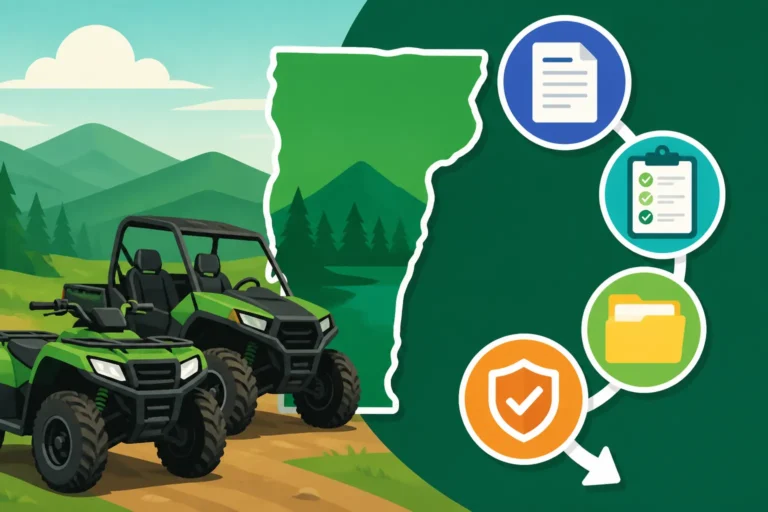
Navigating the DMV can sometimes feel like a puzzle, but transferring your ATV registration in Vermont is a fairly straightforward process once you know the pieces you need. Let’s break it down into manageable steps to make sure you’re prepared.
Gathering Your Essential Documentation
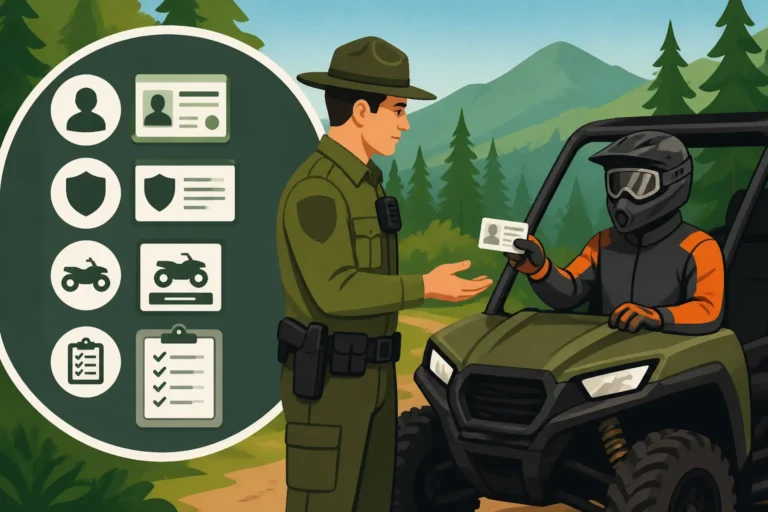
The key to a smooth transfer is having all your ducks in a row before you even head to the DMV or mail anything in. You'll need documentation for both your old and new machines, along with your own personal identification.
For the new machine, you'll need proof of ownership. This is usually the original Certificate of Origin (MCO/MSO) from a dealer if it’s brand new, or a properly filled-out Bill of Sale and the previous owner's signed-over title if you bought it used. Remember, Vermont requires a title for most ATVs unless they fall under certain age exemptions. If you're unsure about what constitutes acceptable proof, check out resources like [An MCO at the Vermont DMV Counter] for new machines or [Writing a Bill of Sale the Vermont DMV Accepts] for private sales. The DMV will want to see clear evidence that you are the rightful owner of the ATV you wish to register.
For your old machine, you'll need your current, valid Vermont ATV registration certificate. This document proves that you had an active registration period that you wish to transfer. If you’ve misplaced it, you might be able to get a duplicate from the DMV, but it's always best to have the original on hand.
And, of course, don’t forget your valid photo identification, such as a Vermont driver's license or state ID. This confirms that you are indeed the individual requesting the transfer.
Completing the Necessary Forms
Once you have your supporting documents, you'll need to fill out the specific forms the Vermont DMV requires for a registration transfer. While the exact form numbers can sometimes change, you'll typically be looking for a registration application form (often VD-119, but always confirm the current version on the DMV website). On this form, you'll indicate that you are applying for a transfer rather than a brand new registration. You'll need to carefully enter the details of your new machine, including its VIN, make, model, and year. You'll also provide information about your old machine, referencing its VIN and current registration number to link the transfer.
It's vital to fill out all sections accurately to avoid delays. If you're a bit unsure about any part, it's always better to leave it blank and ask a DMV clerk for clarification than to guess and potentially make a mistake that could hold up your application. If you’re coming from a private sale and need to ensure all your paperwork is in order, online legal document services like LawDepot can be helpful for creating professional bills of sale or other ownership affidavits if, for some reason, you don’t have a standard bill of sale from the previous owner. They offer templates that can help you [Filing an Ownership Affidavit at the Vermont DMV] if you find yourself in a tricky ownership situation.
The Transfer Fee and Where to Submit Your Application
One of the best parts about transferring your registration in Vermont is the cost. Instead of paying for a full new registration, you'll only pay a small transfer fee. Historically, this fee has been quite modest, often just [The $10 Transfer Fee], which is a significant saving compared to the full annual or biennial registration cost. Be sure to confirm the exact current fee with the DMV, as these figures can sometimes be adjusted.
You have a couple of options for submitting your application. You can visit a Vermont DMV office in person. This is often recommended for transfers, especially if you have any complex questions or unique circumstances, as a clerk can review your documents on the spot and provide immediate feedback. Making an appointment beforehand can save you a lot of waiting time. Alternatively, you may be able to submit your application by mail. If you choose this route, ensure all your documents are perfectly in order, legible, and that you've included the correct payment. Always make copies of everything you send for your records!
Regarding processing, mail-in applications will naturally take longer than in-person visits. If you're eager to get your new machine on the trails, plan accordingly. You can get a general idea of what to expect by looking at [Vermont ATV Registration Processing Time].
Important Considerations and Potential Pitfalls
While transferring your ATV registration is designed to be user-friendly, there are a few important details and potential situations to keep in mind. Understanding these can prevent headaches down the road and ensure your transfer goes as smoothly as possible.
Differences Between Transferring and New Registration
It's crucial to distinguish between transferring a registration and obtaining a completely new one. When you transfer, you're essentially carrying over the remaining time of a previously paid-for registration. This means the expiration date of your new registration will be the same as the old one, and you only pay the transfer fee.
A new registration, however, starts a fresh term (either one or two years, depending on your choice, like [Vermont's Two-Year ATV Registration Option]) and requires payment of the full registration fee, plus any applicable [Vermont Purchase and Use Tax on an ATV]. The purchase and use tax is a critical difference. If your new machine is not exempt (e.g., you already paid tax in Vermont on this machine or qualify for another exemption), you will likely owe this tax even on a transferred registration, as it's typically due at the first registration of a vehicle in your name in Vermont. So, while you save on the registration fee, be prepared for the possibility of tax on the new machine's purchase price. If your old machine's registration has already expired, you generally cannot transfer it; you'll need to apply for a brand new registration for your new ATV.
What Happens to Your Old ATV's Registration?
Once your registration period is successfully transferred to your new machine, the registration for your old ATV effectively becomes invalid. It's no longer considered registered in your name for that period. This is important for a couple of reasons. First, you must remove the physical plate from the old machine. You cannot continue to ride the old machine on its "old" registration, as that period has now been allocated to your new ATV.
Second, if you've sold the old machine, the new owner will need to go through their own registration process. Make sure that when you complete the sale, you clearly communicate that the registration has been transferred and they will need to apply for a new one. This also ties into how you handle a private sale, as outlined in [Selling a Registered ATV in Vermont], where clarifying the registration status is a key part of the transaction. You don't want the new owner mistakenly thinking they can ride on your old, now-invalidated registration.
Specific Scenarios: From Private Sales to Inherited Machines
Life brings many different situations, and the DMV tries to account for them. If you’re transferring registration after a private sale, the process generally follows the steps above – you'll need a solid Bill of Sale and the signed-over title for your new machine. For more details on this, you might find [Vermont Registration After a Private Sale] helpful.
What if you’ve inherited an ATV? This can be a sensitive time, but the DMV has a process for [Vermont Registration for an Inherited ATV]. You’ll typically need documents like a will or an affidavit of heirship, along with the machine’s title, to prove ownership before you can register it or transfer a period to it. For legal forms and guidance on managing these types of ownership transitions, legal resource platforms like LawDepot can be invaluable, helping you draft necessary affidavits or other documents.
And if you bought your new machine out of state, the process for proving ownership is similar, but you’ll also need to be aware of any specific requirements for [Vermont Registration for a Machine Bought Out of State], which might include showing proof of tax paid in another state to avoid paying it again in Vermont. Each scenario has its nuances, but the core principle of transferring the remaining time remains consistent.
After the Transfer: What to Expect and Next Steps
You've successfully submitted your transfer application, breathed a sigh of relief, and are now eagerly awaiting your paperwork. But what happens next? And what other responsibilities do you have as a responsible ATV owner in Vermont?
Receiving Your New Registration and Plate
Once the Vermont DMV processes your transfer, they will issue you a new registration certificate. This certificate will show your new ATV's details, the original registration period, and the updated expiration date. Keep this document safe, perhaps a laminated copy in your riding bag and the original stored securely at home, as you must carry proof of registration when riding.
You may also receive a new physical license plate, or you might be told to use your existing plate, depending on DMV policy. If a new plate is issued, it will typically be mailed to your address on file. [Where Vermont Mails Your New ATV Plate] covers this process. Once you receive it, make sure to properly mount it on the rear of your machine, ensuring it's clearly visible. Some towns might also ask for a front plate, but typically [Vermont ATV Plates and Where They Go] describes the standard rear-mount requirement. Proper placement and visibility are crucial for compliance when riding on designated trails or roads.
Insurance and Trail Access Decals
Getting your registration transferred is a big step, but don't forget two other critical components for legal riding in Vermont: insurance and a Trail Access Decal (TAD). Even with a transferred registration, your new machine needs to be covered by the appropriate liability insurance. Contact your insurance provider immediately after acquiring your new ATV to update your policy. Ensure the new machine's VIN is accurately listed on your policy, meeting [Vermont ATV Insurance Requirements] minimums for bodily injury and property damage. You must carry proof of this insurance with you while riding.
In addition to registration and insurance, you'll need a [Vermont TAD: The Trail Access Decal Explained] to legally ride on VASA (Vermont ATV Sportsman’s Association) trails and many designated town roads. The TAD is typically purchased annually and is usually tied to the machine. If your old machine had a valid TAD, you'll likely need to purchase a new one for your new ATV, as the TAD is specifically for the registered machine, not just the owner. Some clubs include a TAD with membership. Make sure you understand that [Vermont Requires Registration Plus a TAD] for trail access. It's a dual requirement that trips up many riders.
Keeping Records and Future Renewals
Finally, always keep meticulous records of all your ATV paperwork – the bill of sale for your new machine, its title, your registration certificate, and proof of insurance. These documents are your proof of ownership and compliance, essential for any future transactions, insurance claims, or interactions with law enforcement.
Your transferred registration will have the same expiration date as the original one, whether it was a [Vermont Registration Valid One Year] or a two-year option. When that date approaches, you’ll need to complete a [Renewing a Vermont ATV Registration]. The DMV usually sends out renewal notices, but it's ultimately your responsibility to track the expiration date and ensure your registration is current before you hit the trails. Planning ahead will prevent any lapse in registration and keep your riding adventures worry-free.
Disclaimer
This article is for general informational purposes only and does not constitute professional advice. Laws, prices and regulations vary by location and change over time. Consult a qualified professional for guidance on your specific situation.