Vermont ATV Registration Payment Methods
Figuring out the nitty-gritty details of registering your ATV or UTV in Vermont can feel like navigating a muddy trail after a heavy rain – confusing and a bit messy, especially when it comes to how you actually pay for it all. Nobody wants to fill out all the forms, gather their documents, and then get stuck at the counter or online because they didn't realize what payment methods were accepted. This guide is here to clear the path, outlining exactly how you can settle up your Vermont ATV registration fees, making sure your machine is ready for the trails without any last-minute payment snags.
Understanding Your Vermont ATV Registration Costs First
Before you even think about pulling out your wallet or logging into a payment portal, it’s crucial to know exactly what you’ll be paying for. Vermont's Department of Motor Vehicles (DMV) has several fees associated with ATV and UTV registration, and these can vary based on the type of machine, the length of registration, and whether it’s your first time registering it in the Green Mountain State. Knowing these costs upfront will help you prepare the correct payment.
The Standard Annual Registration Fee
For most standard ATVs, the primary cost you'll encounter is the annual registration fee. Vermont offers both one-year and two-year options, giving you a bit of flexibility. If you opt for a single year of registration, you'll be looking at [The $45 One-Year Fee]. This covers your machine for a full year from the date of registration. Many riders appreciate this option for its simplicity and lower upfront cost, especially if they're new to the sport or anticipate selling their machine within a year.
However, if you're like many Vermonters who plan to keep their machine for a while and want to avoid the hassle of annual renewals, the two-year option is a smart move. This typically comes in at [The $90 Two-Year Fee], offering a slight discount over buying two separate one-year registrations. It's a convenient way to keep your machine legal for longer without having to think about it again for 24 months.
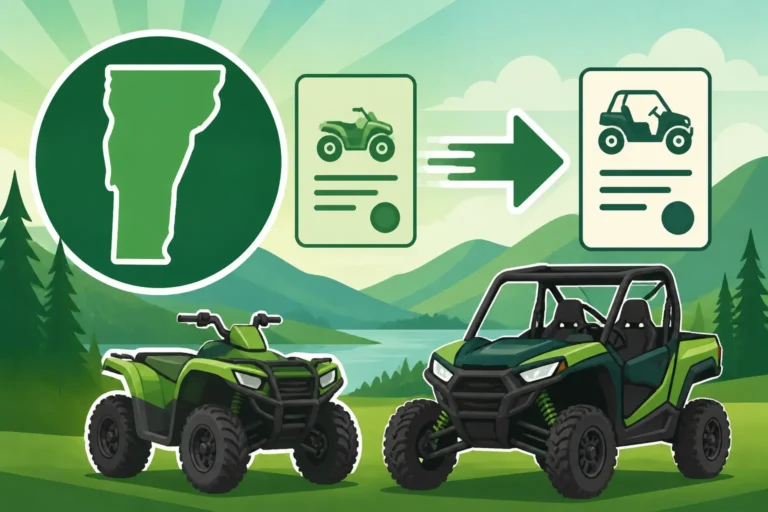
It's also important to note that if your machine qualifies as an All-Terrain Vehicle (ASV) Class A – which typically includes larger, heavier UTVs (side-by-sides) that are often wider than the traditional ATV definition – your registration fees will be different. For these machines, [Vermont ASV Registration at $108 a Year] is the standard, with a higher corresponding fee for a two-year registration. This distinction in fees often comes down to the state's classification of vehicles based on their size, weight, and sometimes intended use. Generally, the state views larger ASVs as having different impacts on infrastructure or requiring different safety considerations, hence the adjusted rates. Understanding [Why an ASV Costs More to Register] can help riders budget accordingly.
Beyond the registration itself, if you're registering an ATV or UTV that you've recently purchased, you'll almost certainly need to factor in the [Vermont Purchase and Use Tax on an ATV]. This tax is applied to the sale price of your machine and is typically collected by the DMV when you first register it. It's not an optional fee; it's a state sales tax that applies to most vehicle purchases, even if bought privately or out of state, unless you qualify for a specific exemption. Make sure you have your bill of sale handy, as the DMV will use that figure to calculate the tax due.
Additional Fees You Might Encounter
While the registration fee and purchase and use tax are the big ones, there are a few other fees that might pop up depending on your situation. One common fee is for titling. If your ATV or UTV is newer or falls under specific criteria, Vermont might require a title. The fee for this is generally [The $27 Title Fee]. This is an essential step for proving ownership, especially for machines that will eventually be sold or used as collateral. For many off-road vehicles, securing a [Vermont Title for an Off-Road Vehicle] provides an extra layer of legal security.
Another fee you might encounter is a transfer fee. If you're selling your machine and the new owner wants to transfer the remainder of your existing registration period to their name, or if you're buying a new machine and want to [Moving a Vermont Registration to a New Machine for $10], there's a small administrative charge. This $10 fee ensures the smooth transition of legal responsibility for the registration.
Lastly, there are minor fees for replacements. Accidents happen, or sometimes things just get lost. If you ever need a [Vermont Replacement Title Cost] because yours was damaged or misplaced, or if your actual ATV plate goes missing and you need a [Vermont ATV Plate Replacement], there will be a nominal fee to get those reissued. While not part of the initial registration payment, it's good to be aware of these potential costs down the line.
Navigating Payment Methods for In-Person Registrations
For many Vermonters, especially those new to ATV ownership or who prefer direct interaction, registering in person at a Vermont DMV office is the go-to method. This approach allows you to ask questions, ensure all your [Vermont Registration Paperwork Checklist] is in order, and often receive your registration and plate on the same day. The good news is that DMV offices are usually equipped to handle a variety of payment options, making it relatively convenient.
Acceptable Payment Options at the DMV
When you walk into a Vermont DMV office with your forms and documents, you'll generally find they accept several standard payment methods.
- Cash: Yes, good old cash is almost universally accepted at Vermont DMV locations. This can be a great option if you prefer to deal in physical currency, especially if you're making a smaller payment. However, it's always a good idea to bring the exact amount if possible, or close to it, as some smaller offices might not have a huge till for making change. While they'll certainly accommodate you, it just makes the process smoother for everyone.
- Personal Checks: For those who prefer to write a check, personal checks drawn on a U.S. bank account are typically accepted. When paying by check, make sure your check is properly filled out, signed, and the amount matches your total fees exactly. Double-check that your bank account has sufficient funds to cover the check to avoid any returned check fees or delays in your registration.
- Money Orders: If you don't have a checking account or prefer not to use a personal check, a money order is an excellent alternative. You can purchase money orders at post offices, many banks, and grocery stores. They offer a secure way to pay, as they are prepaid, ensuring the funds are available. This is often a preferred method for mail-in payments, but it works just as well in person.
- Debit and Credit Cards: Most Vermont DMV offices are equipped to accept major debit and credit cards, such as Visa, MasterCard, Discover, and American Express. This is often the most convenient option for larger sums, like if you're paying the purchase and use tax on a new, expensive machine. However, be aware that card payments, especially credit cards, might incur a small processing fee. This fee isn't charged by the DMV itself but by the third-party processor that handles the transaction. It's usually a percentage of your total payment, so factor that into your budget. Always confirm the exact fee structure with the DMV clerk or check their website beforehand.
Preparing for Your DMV Visit
To make your in-person registration as smooth as a freshly groomed trail, a little preparation goes a long way. First, consider making [Appointments at a DMV Office]. While walk-ins are often welcome, an appointment can significantly cut down on your wait time, ensuring you're in and out quicker. Vermont DMVs can get busy, especially during peak seasons or specific times of the month.
Beyond scheduling, ensure you have all your payment instruments ready. If you plan to pay cash, have the exact amount for your registration, title, and tax fees. If using a check, make sure it's blank and ready to be filled out, or pre-written with the correct payee and amount if you're certain of the total. For card payments, confirm your card is not expired and that your credit limit or debit card balance can cover the total. Nothing is more frustrating than having all your paperwork in order only to find your card is declined.
Crucially, remember your supporting documents. This includes proof of ownership – whether it's an [An MCO at the Vermont DMV Counter] from a dealer, a properly executed [Writing a Bill of Sale the Vermont DMV Accepts] from a private seller, or an ownership affidavit if you lack traditional paperwork. These documents are vital for the DMV to process your registration and calculate any applicable taxes. Using a service like LawDepot can be incredibly helpful for drafting a clear and legally sound bill of sale, ensuring all the necessary details are captured correctly, which can prevent hiccups at the DMV counter.
Payment Methods for Mail-In and Online Registrations
While in-person registration offers immediate gratification and direct assistance, Vermont also provides options for those who prefer to handle things remotely. Mail-in and online methods are often used for renewals, but sometimes initial registrations can also be processed this way, especially for specific circumstances or if you're far from a DMV office.
Paying by Mail: Checks and Money Orders
For mail-in registrations, typically used for [Renewing a Vermont ATV Registration] or certain types of initial registrations, personal checks and money orders are the standard acceptable payment methods.
When mailing in your registration paperwork, clarity and accuracy are paramount. You’ll need to send your completed forms, such as [Filling Out Vermont's Form VD-119], along with your payment. Ensure your check or money order is made out to the "Vermont Department of Motor Vehicles" (or as specified on the form) for the precise total amount. Any discrepancies can lead to delays as the DMV will have to contact you for correction. Always include your driver's license number or the ATV's VIN on the check's memo line for easy identification.
One key thing to remember with mail-in payments is the processing time. Unlike an in-person visit, where you walk out with your registration, mail-in applications take time to process and mail back. You should anticipate that [Vermont ATV Registration Processing Time] can take several weeks from when you mail your documents until you receive your new registration and plate in return. If you're on a tight schedule or planning a trip soon after, consider this timeframe carefully. It’s a good idea to send your application well in advance of when you need your registration to be active.
Online Payment Options and Their Nuances
For the ultimate in convenience, Vermont's DMV generally offers online payment options, primarily for renewals. This typically involves using a credit or debit card through their official website. The online portal is designed to be user-friendly, allowing you to quickly update your registration and pay the associated fees from the comfort of your home.
When making an online payment, you'll enter your credit or debit card details directly into the secure payment gateway. As with in-person card payments, it's common for online transactions to incur a small processing fee. This fee is automatically added to your total and clearly displayed before you finalize your payment. Always ensure you are on the official Vermont DMV website to prevent fraudulent activity and protect your personal financial information. A secure internet connection is also crucial when handling sensitive payment details online.
While online options are fantastic for renewals, if you have a complex initial registration, an unusual ownership situation, or need to pay purchase and use tax, the online system might direct you to mail in documents or visit a physical office. For instance, if you're navigating complex ownership transfers or need to submit specific affidavits, a resource like LawDepot can help you generate the correct legal documents to accompany your mailed application, ensuring everything is properly formatted for the DMV's review.
Special Considerations for Payments and Documentation
Beyond the mechanics of how you pay, there are a few other important aspects to consider that can smooth your registration journey and protect you in the long run. Good record-keeping and knowing how to troubleshoot potential payment issues are key.
Proof of Payment and What to Keep
After you’ve paid your registration fees, whether in person, by mail, or online, keeping solid proof of that transaction is incredibly important. This might seem like overkill at the time, but trust me, it can save you a world of headache later on.
- For in-person payments: If you pay with cash, ask for a printed receipt. If you use a card, keep the transaction slip. If you pay by check, note the check number and date, and once it clears, your bank statement serves as proof.
- For mail-in payments: Keep a copy of the check or money order stub, along with a copy of all the forms you mailed. Once the check clears, your bank statement is your proof.
- For online payments: Print or save a digital copy of your confirmation page or email. This usually includes a transaction ID and a breakdown of the fees paid.
Why is this so important? This proof of payment can be invaluable if there's ever a dispute about whether your payment was received, if your registration or plate somehow gets lost in the mail, or even years down the line when you go to sell your machine. When you're dealing with [Vermont Title Application Steps] or [Selling a Registered ATV in Vermont], having clear records of past registrations and tax payments can make the process much smoother for you and the buyer. It's essentially your personal audit trail.
Dealing with Payment Issues and Shortages
Life happens, and sometimes payment issues arise. A check might bounce due to an unexpected withdrawal, or a credit card might be declined. If this occurs, the Vermont DMV will likely contact you to resolve the issue. It’s crucial to respond promptly.
If a check bounces, you'll typically be charged a returned check fee by both your bank and the DMV. Your registration will be put on hold, or even revoked, until the payment is rectified. If a card is declined, the registration won't proceed until a successful payment is made. In these situations, the best course of action is to contact the DMV directly, explain the situation, and arrange for an alternative payment method. Ignoring the problem will only lead to further delays and potentially penalties for riding an unregistered machine.
Sometimes, payment issues aren't about insufficient funds but about incorrect amounts due to miscalculation or missing information. For instance, if the DMV determines you owe more purchase and use tax than initially calculated because a bill of sale was unclear, you’ll be asked to pay the difference. This is where having clearly drafted documents, perhaps created with assistance from LawDepot for complex private sales or ownership transfers, can save you from such headaches. The clearer your initial paperwork, the fewer questions and potential payment adjustments later on.
The Role of Third-Party Services and Dealers
Finally, it’s worth a quick mention of how third parties can influence your payment process. If you purchase your ATV or UTV from a Vermont dealer, they will often handle all the registration and titling paperwork on your behalf. This is a huge convenience! The registration fees, title fees, and purchase and use tax are usually rolled into the total purchase price of the machine, and the dealer submits everything to the DMV. This means your payment to them covers all the necessary state fees. Dealers are experts at navigating the paperwork and payment nuances, making the process seamless for you, the buyer. This is a primary benefit of [Registering a Machine You Bought at a Dealer].
For private sales, the responsibility falls squarely on you, the buyer, to handle the registration and payment directly with the DMV. However, some local ATV clubs or associations might offer assistance with renewals or provide information on payment processes, though they generally don't handle direct payments for initial registrations. Always verify any third-party services directly with the Vermont DMV to ensure they are legitimate and authorized to assist with registration.
| Payment Method | In-Person (DMV) | Mail-In | Online | Notes |
|---|---|---|---|---|
| Cash | Yes | No | No | Accepted at DMV offices; bring exact change for convenience. |
| Personal Check | Yes | Yes | No | Must be drawn on a U.S. bank; ensure sufficient funds. |
| Money Order | Yes | Yes | No | Secure, good for mail-in if you don't use checks. |
| Debit Card | Yes | No (usually) | Yes | Accepted at most DMV offices and online; may incur a processing fee. |
| Credit Card | Yes | No (usually) | Yes | Widely accepted at DMV offices and online; typically incurs a processing fee. |
Navigating the payment methods for your Vermont ATV registration doesn't have to be a bumpy ride. By understanding the costs, preparing your preferred payment method, and keeping good records, you'll be able to get your machine registered efficiently and hit the trails without a second thought about paperwork.
Disclaimer
This article is for general informational purposes only and does not constitute professional advice. Laws, prices and regulations vary by location and change over time. Consult a qualified professional for guidance on your specific situation.