Vermont Registration Before Your First Ride
You've just gotten your hands on a new (or new-to-you) ATV or UTV, and the open trails of Vermont are calling your name. That excitement is totally understandable! However, before you load up your machine and head out for that inaugural ride, there's a vital step that can save you a lot of headache, fines, and disappointment: ensuring your vehicle is properly registered with the Vermont Department of Motor Vehicles. This guide will help you navigate the process, explaining why registration is so important and what you need to do to get your quad or side-by-side legal on Vermont's roads and trails.
The Absolute Necessity of Vermont ATV Registration
It might feel like just another piece of paperwork, but registering your ATV or UTV in Vermont isn't just a suggestion – it's a legal requirement with significant implications for your ability to ride and your overall peace of mind. Many riders, especially those new to the state or new to the sport, don't realize how crucial this step is until they encounter an issue.
Why It's More Than Just a Formal Requirement
Think of registration as your machine's official ID card. It proves ownership and ensures that your vehicle is known to the state. This isn't just bureaucratic red tape; it's a system designed to protect you, other riders, and even landowners. For instance, if your machine is ever stolen, having it registered greatly assists law enforcement in recovering it. It also contributes to the maintenance and safety of the very trail systems many of us love to explore. Fees collected from registration often go back into funding these vital resources, ensuring that there are places for us to ride in the future. Without registration, you're essentially riding an anonymous machine, which can lead to complications far beyond a simple ticket. It's about being a responsible member of the riding community.
Legal Consequences of Riding Unregistered
Riding an unregistered ATV or UTV in Vermont is a direct violation of state law, and the consequences can be much more severe than a slap on the wrist. You could face significant fines, and in some cases, your machine could even be impounded. Imagine planning a weekend trip to a beautiful riding area like Island Pond, only to have your trip cut short by a warden because your plates aren't current. It's not just about the money; it's the frustration, the lost time, and the potential for a criminal record that can truly dampen your riding spirit. Law enforcement, including game wardens and local police, regularly check for proper registration and trail access decals, especially on designated trail systems and approved town roads. Don't risk having your fun derailed or facing penalties when a bit of planning can prevent it entirely. Understanding [Vermont ATV Registration Costs and Terms] can help you budget and avoid these unwelcome surprises.
Accessing Vermont's Trail System
One of the biggest reasons to get your machine properly registered is to gain legal access to Vermont's extensive network of approved ATV trails. While there are some exceptions for riding on your own private land, to enjoy the vast majority of the organized trails managed by VASA (Vermont ATV Sportsman's Association) and its member clubs, a valid Vermont registration is an absolute must. Along with registration, you'll also need to purchase a [Vermont TAD: The Trail Access Decal Explained]. This decal indicates that you've paid your club dues and helps fund trail maintenance. Without both registration and the TAD, you're not permitted on these trails, plain and simple. Many landowners who generously allow trails to cross their property do so under the condition that riders are legal and insured, and registration is the first step in meeting those requirements.
Decoding Vermont's ATV and ASV Classifications
Vermont law differentiates between various types of off-road vehicles, primarily through its "ATV" and "ASV Class A" classifications. These distinctions are crucial because they directly impact the registration process, the fees you'll pay, and even where you can legally operate your machine. It's not always intuitive, especially with the wide variety of machines available today, so let's break it down.
Understanding the "ATV" Definition
For the most part, when people talk about "ATVs," they're referring to what Vermont law defines as an All-Terrain Vehicle. This typically means a motorized vehicle that is designed for off-highway travel, has three or more low-pressure tires, is 72 inches or less in width, and weighs 2,500 pounds or less. The key here is the width and weight. Many traditional "quads" or four-wheelers fit squarely into this category. If your machine fits this description, you'll register it under the standard ATV classification. This is the most common category for single-rider or two-up quads. The registration process for these machines is fairly straightforward once you have your paperwork in order. You can learn more about [Vermont's 72-Inch, 2,500-Pound ATV Definition] to see if your machine qualifies.
What Defines an "ASV Class A" Machine
ASV stands for "All-Purpose Snow or Vehicle." In Vermont, there's a specific sub-category for ATVs called "ASV Class A." This classification applies to machines that exceed the standard ATV definition in either width or weight, but are still intended for off-road use. Specifically, an ASV Class A vehicle is wider than 72 inches but no more than 80 inches, and/or weighs more than 2,500 pounds but no more than 4,000 pounds. Most modern side-by-sides (SxS) or UTVs, especially multi-passenger models, will fall into the ASV Class A category because they are wider and heavier than traditional ATVs. This distinction is important for safety, trail impact, and sometimes even for specific trail access rules in certain towns or clubs. Knowing whether your machine is an ATV or an ASV Class A is the first step in ensuring you're applying for the correct registration. Check out [Vermont ATV Versus ASV Classes] for a deeper dive.
How Classification Affects Your Registration
The most direct impact of your machine's classification (ATV versus ASV Class A) is on the registration fees. Generally, ASV Class A machines have a higher annual registration fee compared to standard ATVs. This difference often reflects the greater wear and tear these larger and heavier machines can put on trails, and perhaps the increased administrative oversight. Beyond the fees, the classification might also influence certain operational rules, although for most riders, the primary difference will be financial. When you go to register your machine, the DMV clerk will confirm its classification based on the information you provide about its make, model, width, and dry weight. Be prepared with these details to ensure a smooth registration process. Knowing whether you need [Vermont ASV Class A Registration Explained] is crucial for getting the correct paperwork and fees sorted out.
Your Step-by-Step Guide to Vermont ATV Registration
Getting your ATV or UTV registered in Vermont doesn't have to be a daunting task. Like many official processes, it's all about gathering the right information and knowing where to go. While it might seem like a lot of steps, breaking it down makes it much more manageable.
Gathering Your Essential Paperwork
Before you even think about heading to the DMV or mailing anything, you need to ensure you have all your ducks in a row when it comes to documentation. Missing even one piece of paper can lead to frustrating delays. Here's a rundown of what you'll typically need:
- Proof of Ownership: This is paramount. If you bought your machine new from a dealer, you'll need the Manufacturer's Certificate of Origin (MCO). If you purchased it privately, a properly completed bill of sale is essential. For machines bought out of state, ensure you have the original title or MCO. If you inherited the machine, you'll need the will or an affidavit of inheritance. Sometimes, if paperwork is lost, you might need to file an ownership affidavit. LawDepot offers templates for bills of sale and other legal documents that can be helpful in ensuring your ownership proof meets common standards.
- Proof of Identity: A valid driver's license or state-issued ID is necessary to confirm who you are.
- Proof of Vermont Residency (if applicable): If you're a Vermont resident, documents like a utility bill, voter registration, or lease agreement showing your Vermont address may be requested.
- Vehicle Information: You'll need the make, model, year, and most importantly, the Vehicle Identification Number (VIN) of your ATV or UTV. Make sure this is accurate!
- Application Form: The primary form for registration is typically Form VD-119, the "Vermont Application for Registration and Title." You can usually download this from the Vermont DMV website or pick one up at a DMV office.
- Proof of Insurance: Vermont requires all ATVs and UTVs operated on public land or designated trails to have liability insurance. You'll need to show proof of this, usually in the form of an insurance card or policy declaration page. Be sure to understand [Vermont ATV Insurance Requirements] before you register.
- Purchase and Use Tax Payment or Exemption Proof: If you just bought your machine, you'll owe Vermont Purchase and Use Tax unless you qualify for an exemption (e.g., a gift between immediate family members). Be prepared to pay this, or have documentation for why you're exempt. The [Vermont Purchase and Use Tax on an ATV] can be a significant cost.
It’s always a good idea to call ahead to your local DMV office or check their website for the most current list of required documents, as regulations can sometimes change. Having copies of everything is also a smart move.
Where and How to Submit Your Application
Once you've meticulously gathered all your paperwork, it's time to submit your application. You have a couple of options:
- In Person at a DMV Office: This is often the preferred method for first-time registrations, especially if you have questions or anticipate any complexities with your paperwork. A clerk can review your documents on the spot and process everything, sometimes even handing you your temporary registration and plate right then. It's best to check if your local office requires an appointment beforehand.
- By Mail: If you're confident all your paperwork is in perfect order and you don't mind waiting, you can mail your application packet, along with a check or money order for the fees, to the Vermont DMV. Be sure to use certified mail with tracking to ensure your valuable documents arrive safely. This method can take longer for processing, so plan accordingly if you want to ride soon.
Regardless of how you submit, make sure everything is legible and correctly filled out. Mistakes or omissions will only lead to further delays, and you'll find your application sent back to you, extending the time before you can legally ride.
Understanding Fees and Payment
Registering your ATV or UTV comes with associated fees. These typically include the registration fee itself, potential title fees (if your machine requires a Vermont title), and the aforementioned Purchase and Use Tax.
- Registration Fees: As discussed earlier, these will vary depending on whether your machine is classified as a standard ATV or an ASV Class A. You also usually have the option to register for one year or two years, with a slight discount for choosing the longer term. For example, a standard ATV might have a [The $45 One-Year Fee] or [The $90 Two-Year Fee], while an ASV Class A might be [The $108 ASV One-Year Fee] or [The $211 ASV Two-Year Fee].
- Title Fees: If your ATV or UTV is newer than a certain age (currently, this is often for machines manufactured in 2000 or later), it will also require a Vermont title. There's a separate fee for this, such as [The $27 Title Fee]. This is a one-time fee upon initial titling in Vermont.
- Purchase and Use Tax: This is usually 6% of the purchase price or the machine's NADA value, whichever is greater. If you already paid sales tax on the machine in another state, you might get a credit for that. If you received the machine as a gift, you might be exempt, but you'll need to submit the proper documentation, perhaps a gift affidavit you could draft using a service like LawDepot.
Payment methods accepted usually include cash, check, money order, or credit/debit card (though card payments might incur a processing fee). Ensure you have the exact amount ready if paying in cash.
| Document Type | Required For | Notes |
|---|---|---|
| Proof of Ownership | All new registrations | MCO, Bill of Sale, Title, Affidavit (LawDepot can help with templates) |
| ID/Residency | All registrations | Driver's License, Utility Bill |
| Form VD-119 | All registrations | Vermont Application for Registration and Title |
| Proof of Insurance | All registrations | Valid liability insurance card/declaration |
| Tax Payment/Exemption | Most new registrations (initial) | 6% Purchase and Use Tax or exemption proof |
| Fees | All registrations | Registration, Title (if applicable) |
What to Expect After Your Vermont Registration
You’ve done the hard work, submitted your paperwork, and paid your fees. What happens next? The journey isn't quite over. There are a few more important steps and considerations to keep in mind to ensure your riding experience remains compliant and enjoyable.
Receiving Your Plate and Decal
After your application is processed, the Vermont DMV will typically mail you your official ATV or UTV registration plate and your registration certificate. This usually happens within a few weeks, but processing times can vary, especially during peak seasons. Your registration certificate should be carried with you whenever you're operating the machine.
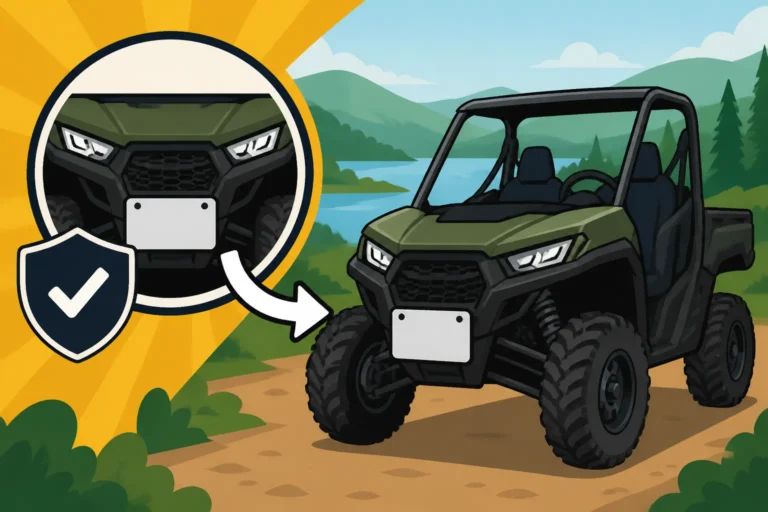
The registration plate needs to be securely mounted to the rear of your ATV or UTV, visible and free from obstruction. While most towns only require a rear plate, some specific locations, like Brighton, Vermont, have local ordinances that might ask for a front plate as well. It's always wise to check local town ordinances if you plan on riding on designated town roads. Remember, a clear, visible plate is crucial for identification by wardens and police. You can read more about [Vermont ATV Plates and Where They Go].
Keeping Your Registration Current
Vermont ATV and UTV registrations are not permanent. They typically expire either one or two years from the date of registration, depending on the period you initially selected. It's your responsibility to keep track of the expiration date and renew your registration before it lapses. The DMV usually sends out renewal notices, but don't rely solely on these as a reminder – things can get lost in the mail. Renewing your [Vermont ATV Registration Renewal] is generally simpler than the initial registration, often doable online or by mail, as long as your information hasn't changed significantly. Letting your registration expire can lead to the same penalties as riding unregistered, so it’s best to stay on top of it.
Important Next Steps Beyond Registration
Registration is a huge step, but it’s just one piece of the puzzle for legal and safe ATV/UTV riding in Vermont.
- Trail Access Decal (TAD): As mentioned, if you plan to ride on VASA's extensive trail system, you’ll need a [Vermont TAD: The Trail Access Decal Explained]. This annual decal, which typically expires on December 31st each year, also includes your membership to a VASA club, supporting the volunteers who maintain the trails. You can often purchase this online or through a local VASA club.
- Safety Course: For riders under 18 years old, Vermont law requires completion of an approved ATV safety course. Even if you're an adult, taking a safety course is highly recommended to brush up on safe riding practices and learn about trail etiquette. You can find out more about the [Vermont ATV Safety Course Required Under 18].
- Know the Rules: Beyond registration and decals, it’s critical to understand Vermont's specific laws regarding ATV operation, including helmet laws (everyone needs one!), insurance requirements, speed limits on town roads, and where you can and cannot ride. Town roads designated for ATVs often have specific curfews and dates of operation. Always check local ordinances.
- Maintain Your Machine: A well-maintained machine is a safe machine. Regular checks of brakes, tires, lights, and fluid levels are not just good practice, they can prevent breakdowns or accidents while out on the trails.
By understanding and adhering to these requirements, you're not only staying on the right side of the law but also contributing to the responsible and sustainable enjoyment of Vermont's incredible outdoor opportunities for all riders.
Disclaimer
This article is for general informational purposes only and does not constitute professional advice. Laws, prices and regulations vary by location and change over time. Consult a qualified professional for guidance on your specific situation.