Neighbors Who Petition Against Routes
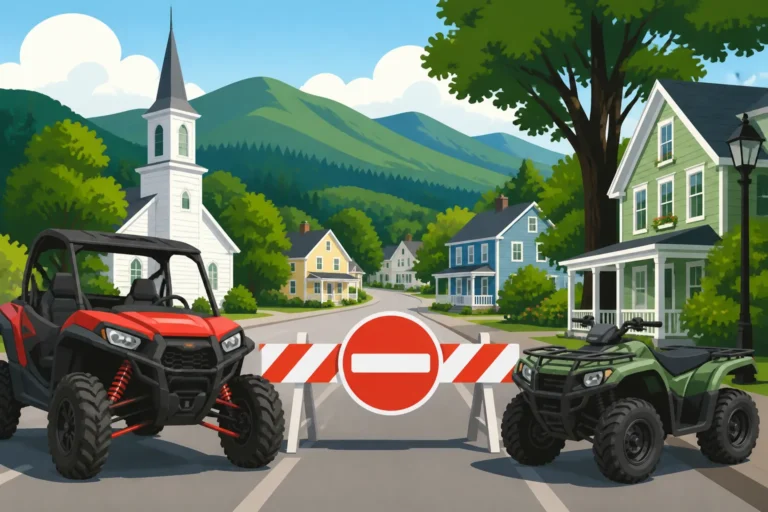
For many of us who love exploring Vermont's incredible landscapes on an ATV or UTV, the open road or trail represents freedom and adventure. But sometimes, that adventure can hit a snag right in town, especially when local residents raise concerns, leading to petitions against opening or maintaining routes. This guide aims to shed light on why neighbors might petition against ATV routes, what that process looks like in Vermont towns, and how riders, clubs, and communities can navigate these challenges together.
Understanding the 'Why' Behind the Opposition
It's easy, when you're passionate about riding, to feel frustrated or even targeted when you hear about neighbors petitioning against ATV routes. But to truly address these situations, we need to step back and try to understand the concerns that lead people to take action. Often, it's not about being "anti-ATV" in general, but about specific impacts on their quality of life, their property, and their sense of peace.
Common Concerns Raised by Residents
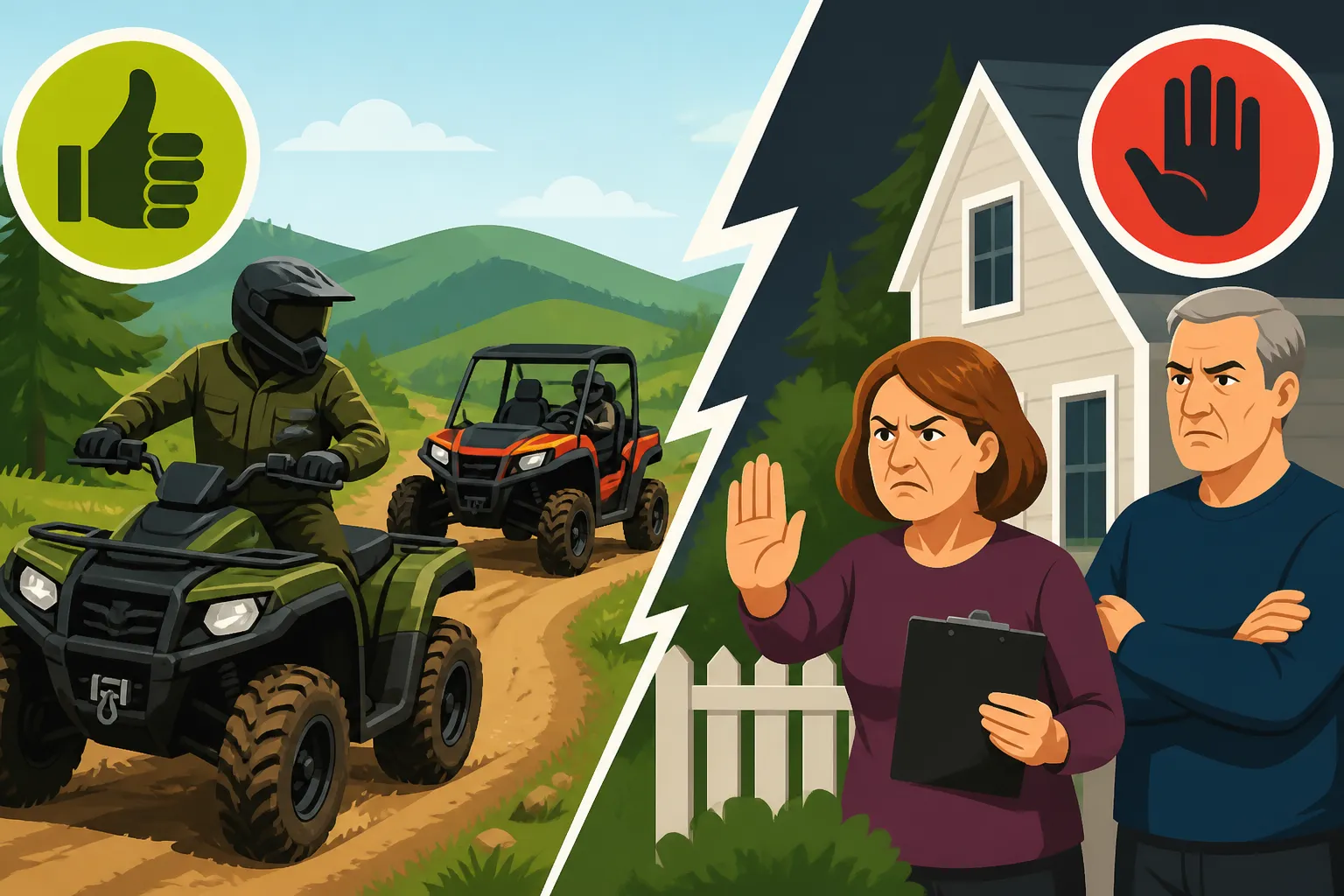
When neighbors gather signatures for a petition, their reasons often boil down to a few key areas that directly affect their daily lives. These aren't just abstract ideas; they're very real, tangible issues for someone living right next to a potential ATV route. Imagine the frustration of having your quiet morning coffee interrupted, or worrying about your kids playing near a road that suddenly sees increased traffic.
Noise is almost always at the top of the list. ATVs and UTVs, while thrilling to ride, can be quite loud, especially if they have aftermarket exhausts or are ridden aggressively. This can disrupt the peaceful enjoyment of homes, particularly in rural Vermont where residents often value tranquility. The sound can carry surprisingly far, especially in valleys or across open fields, and what might be an exhilarating roar on the trail can be a constant nuisance in someone's backyard. It's not just the volume, but the frequency and duration of the noise that can wear on people over time.
Then there's the dust. Vermont's dirt roads are part of its charm, but they can become incredibly dusty with increased traffic. For homes along these routes, that dust can settle on everything – houses, cars, gardens, laundry drying on the line. It can also exacerbate respiratory issues for some residents. This isn't just an inconvenience; it can mean more cleaning, potential health concerns, and a general reduction in the pleasantness of living in their home. The impact of dust can be particularly pronounced during dry summer months when the roads are at their driest.
Safety is another significant concern. Residents, especially those with children or pets, worry about increased traffic on local roads, particularly if riders are perceived to be speeding or riding carelessly. They might also worry about machines coming too close to their property lines, or the potential for accidents involving pedestrians, cyclists, or even slow-moving farm equipment. The presence of more vehicles, especially those that might be less familiar to traditional road users, can create a sense of unease and a perceived increase in risk.
Perceived Impacts on Property Value and Quality of Life
Beyond immediate annoyances, some residents express deeper worries about how ATV routes might affect their property values and the overall character of their community. This can be a very personal and emotional concern, as a home is often a person's largest investment and a central part of their identity. The perception that their peaceful, rural setting is being transformed into something more recreational and potentially disruptive can be a hard pill to swallow.
They might fear that an influx of ATV traffic will deter potential homebuyers looking for quiet, residential areas, thereby depressing property values. While this is often a difficult claim to prove definitively, the perception alone can fuel strong opposition. People choose to live in Vermont for its beauty and tranquility, and anything that threatens that can feel like an attack on their lifestyle.
Additionally, concerns about trespass and environmental impact sometimes arise. While most riders are respectful, even a few incidents of trespass onto private land or damage to sensitive natural areas can sour a whole community's opinion. This feeds into a general apprehension about changes to the local environment and the potential for trails to impact delicate ecosystems or local wildlife. [Vermont Trespass Law for Riders] is something every rider should be acutely aware of, as it's a major flashpoint.
The Petition Process in Vermont Towns
In Vermont, local control is a big deal. Towns have a significant say in how their roads are used, and this includes deciding whether to open town roads to ATVs. When neighbors have concerns, they have a very clear, established way to voice them: through petitions and active participation in local government processes like town meetings and selectboard hearings. It's a fundamental part of local democracy here.
How Petitions Are Formed and Submitted
The process usually starts when a group of residents feels strongly enough about an issue – in this case, the potential or current use of town roads by ATVs – to organize. They'll draft a petition outlining their concerns and what action they want the town to take, such as not designating a road for ATV use or even closing an existing route. They then circulate this petition among their neighbors, gathering signatures from other residents who share their viewpoint.
Once a sufficient number of signatures are collected (often a percentage of registered voters, as defined by local bylaws or state statute for specific actions), the petition is formally submitted to the town clerk. This submission then triggers a formal review by the selectboard, the governing body of most Vermont towns. It's a democratic mechanism that ensures local voices can directly influence policy decisions, even if those decisions are sometimes challenging for others in the community. [Vermont Town Meeting Votes on ATV Roads] often follow these petitions.
It's important to remember that these petitions aren't always about outright banning ATVs; sometimes they ask for specific restrictions, such as curfews, speed limits, or seasonal closures to mitigate issues like noise and dust. The language of the petition can vary, reflecting the specific concerns of the residents organizing it. Understanding the exact nature of the request can be crucial for riders and clubs trying to respond constructively.
Selectboard Hearings and Town Meeting Discussions
Once a petition is submitted, the selectboard is obligated to address it. This usually involves holding public meetings or hearings where residents can express their views, both for and against the petition's request. These meetings are crucial because they provide a forum for direct dialogue and allow selectboard members to hear all sides of an issue before making a decision. [Vermont Selectboard Hearings on ATVs] are a common occurrence in towns considering ATV access.
During these hearings, residents will often present their case, sometimes bringing in data, personal anecdotes, or even photos and videos to support their concerns about noise, dust, or safety. It's an opportunity for them to make a compelling argument directly to their elected officials. Riders and ATV clubs also have a vital role here, by attending these meetings, sharing their perspectives, and demonstrating how they are responsible members of the community.
In some cases, especially for larger policy decisions or significant changes to town ordinances, the matter might ultimately go before the annual or a special town meeting for a broader community vote. This allows all eligible voters in the town to weigh in, making the decision truly reflective of the community's will. These discussions can be passionate, reflecting the diverse opinions and values within a Vermont town. It's a process where civility and clear communication are absolutely paramount.
Addressing Concerns and Finding Common Ground
When faced with neighbor opposition, it's easy for the conversation to become adversarial. However, the most effective way forward almost always involves a willingness to understand, communicate, and compromise. Finding common ground isn't about giving up your passion for riding, but about ensuring that your enjoyment doesn't unduly detract from someone else's quality of life.
Mitigation Strategies for Noise and Dust
Many of the concerns raised in petitions – particularly noise and dust – have practical solutions that riders and clubs can implement. Addressing these issues proactively can go a long way in building goodwill and reducing the impetus for opposition. It shows that the riding community is willing to be a good neighbor.
For noise, checking and maintaining your machine's exhaust system is critical. A properly functioning, stock exhaust is generally much quieter than many aftermarket options. If you're considering an upgrade, look for "quiet" or "low-dB" exhaust systems. [Vermont Muffler and Noise Rules] are in place for a reason, and adhering to them is the first step. Riding responsibly also means avoiding excessive revving, especially near homes, and sticking to designated speed limits. Sometimes, the issue isn't just the noise, but the perception of aggressive riding that accompanies it.
Dust mitigation can be more challenging, as it's often a characteristic of dirt roads themselves. However, riders can help by reducing speed on dusty roads, especially when passing homes. High speeds kick up significantly more dust. Clubs can work with towns to identify particularly problematic sections of road, and sometimes a town might consider dust suppressants in targeted areas, though this comes with its own costs and environmental considerations. Encouraging riders to wash their machines away from dusty roads or residential areas also helps reduce the amount of dirt tracked onto pavement, which can later turn to dust.
| Neighbor Concern | Rider/Club Mitigation Strategy |
|---|---|
| Excessive Noise | Use stock or quiet aftermarket exhausts. Avoid excessive revving. Respect speed limits. Maintain mufflers. |
| Dust Clouds | Reduce speed on dirt roads, especially near homes. Avoid riding in extremely dry, windy conditions near residences. |
| Safety Concerns | Adhere to speed limits, especially in residential areas. Ride defensively and predictably. Be visible. Emphasize rider education. |
| Trespassing | Stay strictly on marked trails and designated roads. Educate riders on private property boundaries. |
| Speeding | Ride at or below posted speed limits. Encourage courteous riding habits. |
| Environmental Impact | Stay on trails. Avoid sensitive areas. Pack out trash. Report trail damage. |
The Role of Rider Education and Responsible Practices
Ultimately, the reputation of ATV riding in Vermont rests on the shoulders of individual riders. Education and adherence to responsible practices are perhaps the most powerful tools against neighbor opposition. When riders consistently demonstrate respect for the rules, the land, and other residents, it chips away at negative stereotypes.
VASA (Vermont ATV Sportsman's Association) and its member clubs play a huge role here by promoting safety courses, trail etiquette, and responsible riding. [Vermont ATV Safety Course Required Under 18] is a good start, but adult riders also benefit from understanding best practices. This includes knowing [Vermont ATV Road Rules by Town], respecting posted signs, and understanding landowner permissions. Many of the concerns raised by neighbors stem from a few bad apples, and a strong, unified message of responsible riding from the community can often counteract that.
Being a good neighbor also means slowing down when passing homes, waving to residents, and acknowledging their presence. It means understanding that while you might be on a designated route, you're still in someone's community. Carrying proof of [Vermont ATV Insurance Requirements] and knowing your responsibilities are also crucial. When riders show genuine care and respect, it fosters a more positive perception and makes it harder for opposition to gain traction. [Vermont Trail Etiquette on Private Land] is not just a suggestion, it's essential for the sport's future here.
What Riders Can Do When Faced with Opposition
It's disheartening to hear about petitions and opposition, especially if you're a responsible rider who loves the trails. But feeling discouraged doesn't help. Instead, there are concrete steps riders and ATV clubs can take to engage constructively and advocate for their passion. Silence isn't golden in these situations; informed and polite participation is.
Engaging with Local Government and Community
When a petition against ATV routes arises, the first and most important step for riders is to engage directly with their local government. This means attending those selectboard meetings and town hearings. Your presence alone shows that there's a community of responsible riders who care about these issues. Don't let the opposing voices be the only ones heard.
When you speak, be respectful, articulate, and focus on facts and solutions, not just emotions. Share how ATVs contribute to the local economy, provide healthy outdoor recreation, and how clubs actively maintain trails. Explain the economic benefits to small businesses like gas stations, diners, and lodging establishments. You can also highlight the volunteer efforts of ATV clubs in maintaining trails and even assisting local communities with tasks like storm cleanup. Provide examples of how clubs partner with landowners and towns, maintaining routes that might otherwise fall into disrepair. [Vermont ATV Clubs and What They Maintain] are a powerful force for good.
Beyond formal meetings, consider reaching out to selectboard members directly, or writing letters to the editor of local newspapers. Make sure your message is polite and constructive. Offer to host a "meet the riders" event or volunteer for a community project to show your commitment to being a good neighbor. Demonstrating a willingness to collaborate rather than confront is key to changing perceptions.
Supporting ATV Clubs and Advocating for Responsible Riding
Individual riders can make a huge difference, but a unified voice through ATV clubs and organizations like VASA is even more powerful. These groups are often the primary liaisons with landowners and local governments, negotiating access and working to resolve issues. Joining a local club and becoming an active member strengthens this collective voice.
Clubs can implement and enforce stricter codes of conduct for their members, addressing the very issues that concern neighbors, such as excessive speed, noise, and dust. They can organize trail workdays, not just for maintenance, but also as a way to engage with the community and show their commitment to responsible land use. For instance, some clubs might partner with landowners to install signage or improve sightlines on tricky sections of trail. [Vermont Trail Conditions Before You Tow] often reflects the hard work of these volunteers.
Furthermore, clubs can actively promote rider education, perhaps even offering local safety clinics. They can also serve as a point of contact for residents with concerns, creating a channel for communication that bypasses formal petitions. By being proactive and demonstrating a commitment to responsible riding, ATV clubs can transform potential opposition into constructive dialogue, ultimately safeguarding and expanding riding opportunities in Vermont. [VASA's Statewide Trail Network] depends on this kind of engagement.
Disclaimer
This article is for general informational purposes only and does not constitute professional advice. Laws, prices and regulations vary by location and change over time. Consult a qualified professional for guidance on your specific situation.