Checking a Helmet’s Safety Sticker Before You Ride
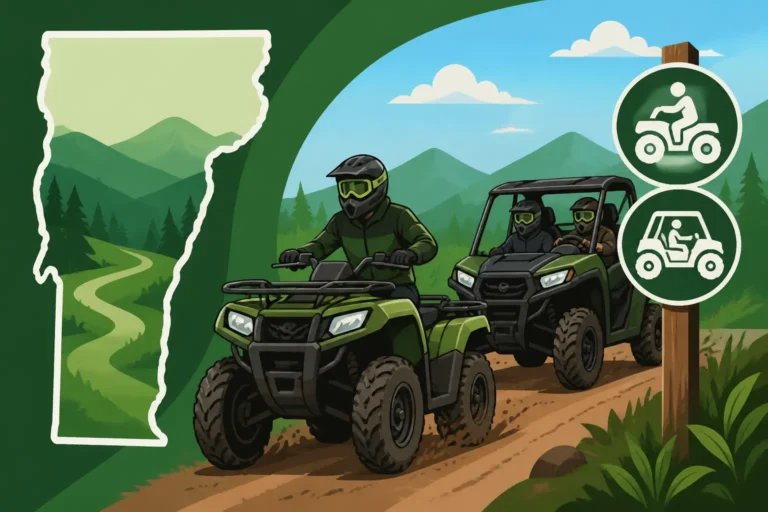
Picture this: you've geared up, your ATV is gassed and ready, and you're about to hit the beautiful trails or designated roads here in Vermont. But wait—have you taken a moment to truly inspect your helmet? It's not just about wearing a helmet; it’s about wearing one that’s certified and safe. This guide will walk you through exactly why that little safety sticker on your helmet matters so much, what it means, and how to make sure your head protection meets Vermont’s requirements and keeps you safe.
Why a Safety Sticker Matters More Than You Think in Vermont
Riding an ATV or UTV in Vermont offers an incredible sense of freedom, whether you're exploring the vast VASA trail system or navigating designated town roads. But with that freedom comes a serious responsibility: personal safety. And right at the top of that safety checklist is your helmet. It's not just a suggestion; it's a legal and practical necessity, and that little sticker is your proof that it's up to snuff.
Understanding Vermont's Helmet Law and Compliance
Vermont doesn't mess around when it comes to head protection. The law is quite clear: if you're riding an ATV or UTV, you need to wear a helmet. This isn't just for kids; it's for every rider, regardless of age. Imagine you're out for a ride in Island Pond, enjoying the crisp air and scenic views. Suddenly, a tree root catches you off guard, or another rider makes an unexpected move. Accidents happen, even to the most experienced among us. A certified helmet is your primary line of defense against serious injury.
What does "certified" mean in the eyes of Vermont law? It means your helmet has met specific safety standards, which are usually indicated by a sticker from a recognized certification body. If a warden or law enforcement officer stops you and your helmet doesn't have the proper safety rating, you could face penalties. Beyond the legal ramifications, the real consequence is putting your own well-being at risk. There's a reason these laws exist, and it’s not to inconvenience you; it's to protect you. Don't forget to check out [Vermont ATV Helmet Law for Every Rider] for more details on the specific requirements.
The Role of Certification Bodies in Helmet Safety
So, who decides if a helmet is "safe enough"? That's where certification bodies come in. These organizations rigorously test helmets to ensure they can withstand various types of impacts and offer adequate protection. When you see a DOT, Snell, or ECE sticker on your helmet, it means it has passed a series of scientific tests designed to simulate real-world accident scenarios.
Think about it this way: without these standards, any manufacturer could slap some foam and plastic together and call it a helmet. These stickers are your assurance that the helmet on your head isn't just for show, but has been engineered to absorb force and protect your brain. Many reputable retailers, including places that sell accessories like SuperATV, make sure their helmet stock carries these essential certifications because they understand the importance of rider safety. They know that investing in a certified helmet is one of the smartest decisions any ATV or UTV rider can make.
Decoding Your Helmet's Safety Sticker: What to Look For
Okay, so you know the sticker is important. But what exactly are you looking for? It's not just any sticker; there are specific markings that tell you what kind of certification your helmet holds and, by extension, how much protection it offers. Getting familiar with these will make you a more informed and safer rider.
Identifying the DOT Certification Sticker
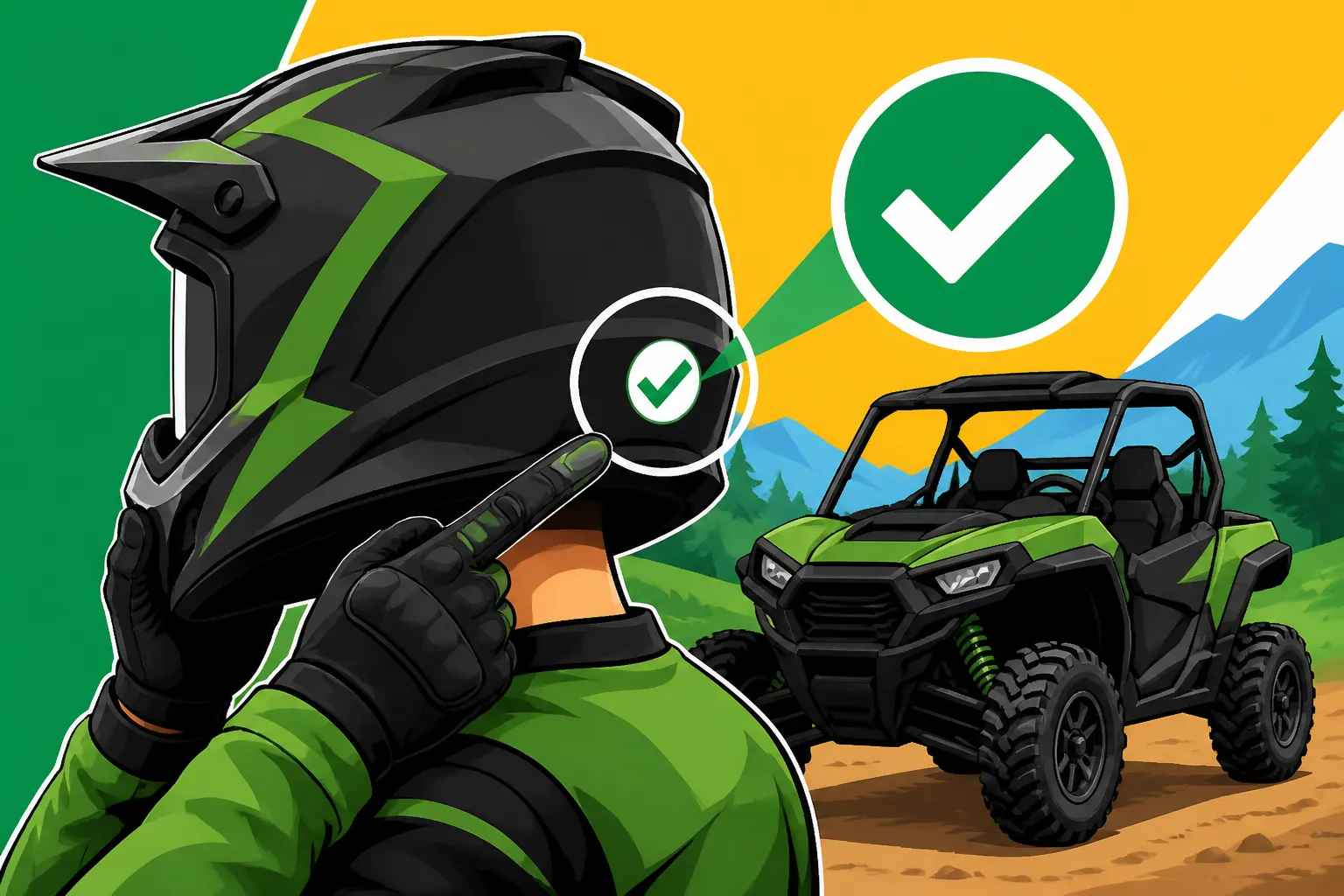
In the United States, the most common and legally recognized certification for helmets used on public roads (which includes many of Vermont's designated ATV routes and road crossings) is the Department of Transportation (DOT) standard. You'll typically find the "DOT" sticker on the back of the helmet, sometimes molded into the shell, or as a distinct label.
The critical thing to look for on a DOT sticker is "FMVSS No. 218." This stands for Federal Motor Vehicle Safety Standard No. 218, which is the specific regulation for motorcycle helmets. While ATVs and UTVs aren't motorcycles, this standard is universally applied to helmets for motorized vehicles used on public ways, making it the benchmark for ATV helmets in Vermont. If you’re pulling up to a road crossing in a town like Brighton or Newport City, that DOT sticker is what tells the local authorities your head protection is up to snuff. Without it, you could be in violation, even if you just plan on crossing the road. Understanding [Vermont Helmets Meeting FMVSS or ASTM] is key to staying compliant.
Beyond DOT: Snell and ECE Standards
While DOT is the minimum legal requirement for many situations, you might see other certifications, like Snell or ECE. These are often considered more stringent and offer an even higher level of protection.
- Snell Memorial Foundation (Snell): This is an independent, non-profit organization that conducts its own advanced helmet testing. Snell standards are typically tougher than DOT, requiring helmets to pass more rigorous impact tests, including multiple impacts in the same spot, which DOT doesn't specifically require. Riders who participate in competitive ATV racing or simply want the absolute best protection often choose Snell-certified helmets.
- Economic Commission for Europe (ECE): This is a European standard, but many helmets sold globally carry ECE 22.05 or ECE 22.06 certification. ECE testing is comprehensive, including impact absorption, rigidity, and field of vision. Many high-quality helmets meet both DOT and ECE standards, offering excellent protection. If you're riding a machine from across the border, say from Quebec, their helmets might carry an ECE sticker, which Vermont generally recognizes as equivalent to DOT for safety purposes.
Choosing a helmet with these additional certifications isn't a legal requirement in Vermont, but it's a personal choice for enhanced safety. Many riders find the peace of mind worth the investment. For more on what Vermont considers legal, check out Checking a Helmet's Safety Sticker Before You Ride again for the specifics on acceptable certifications.
Here's a quick comparison of these common helmet safety standards:
| Certification | Primary Focus | Key Differences | Legal Requirement (U.S.) |
|---|---|---|---|
| DOT | Minimum safety for public road use | Tests for impact absorption, penetration resistance, chin strap strength. Less stringent than Snell/ECE. | Yes (FMVSS No. 218) |
| Snell | High-performance safety (racing) | More severe impact tests, multiple impacts on same spot, advanced shell penetration. Updated regularly (e.g., M2020). | Recommended, not legally required |
| ECE | European safety standard | Comprehensive testing for impact, rigidity, vision, chin strap. Often includes a batch number for traceability. | Recognized, not primarily U.S. req. |
Practical Steps for Verifying Your Helmet's Safety in Vermont
Now that you know what to look for, let's talk about the practical side of inspecting your helmet. It's not just about the sticker's presence; it's about its condition and the overall integrity of the helmet. A quick check before each ride can make a world of difference.
Where to Find the Sticker and What to Check
First, locate the safety sticker. For DOT, it’s almost always on the exterior back of the helmet. For Snell and ECE, you’ll typically find it inside the helmet, often sewn onto the chin strap or printed on the liner.
Once you’ve found it, here’s your checklist:
- Readability: Is the sticker clear and legible? Can you easily see "DOT" and "FMVSS No. 218" (or the Snell/ECE designation)? Faded, peeling, or unreadable stickers might raise questions about the helmet's authenticity or age.
- Authenticity: Does it look like a genuine factory sticker, or does it seem like an aftermarket decal? Counterfeit stickers exist, so be wary if it looks suspicious or out of place. A genuine sticker will often be embedded under a clear coat or well-affixed.
- Damage: Is the sticker torn, scratched, or heavily worn? While a worn sticker might not invalidate the helmet, significant damage could indicate a rough life for the helmet itself.
Beyond the sticker, quickly inspect the helmet's shell for cracks, deep gouges, or any signs of impact. Check the chin strap for fraying or damage to the buckle. A helmet is a system, and all parts need to be in good working order. These are all part of [Vermont ATV Equipment Requirements] to keep you safe and legal.
When to Replace a Helmet: Beyond the Sticker
A valid safety sticker doesn't grant eternal protection. Helmets have a lifespan, and knowing when to replace yours is crucial.
- Impact Damage: This is the most critical factor. If your helmet has been involved in any impact – even if it was just dropped onto a hard surface – it should be replaced immediately. The internal foam, designed to absorb energy, might be compromised even if the outer shell looks fine. It's a one-and-done deal for protection. Imagine you've had a minor tip-over on a muddy trail near Rutland. Your head may not have hit hard, but that helmet still took a shock. It's time for a new one. This is also vital for any [Vermont ATV Accident Reporting] scenario.
- Age: Helmet manufacturers generally recommend replacing helmets every five years, regardless of apparent damage. Over time, the materials (like the EPS foam liner and the resin in the shell) degrade due to UV exposure, sweat, hair products, and general wear. Always check the manufacturing date, usually found inside the helmet.
- Wear and Tear: Look for signs of significant wear, such as a loose fit, frayed chin straps, or deteriorating internal padding. A helmet that doesn't fit snugly won't offer optimal protection.
Replacing a helmet might seem like an added expense, but it's an investment in your safety. Your brain is worth it.
Common Misconceptions and Vermont-Specific Considerations
There are a few myths and specific points worth clarifying when it comes to helmets and ATV riding, especially here in Vermont. Let's bust those myths and ensure you're riding with confidence and compliance.
The "Any Helmet Will Do" Myth
This is perhaps the most dangerous misconception out there. Some riders think that if it covers their head, it's good enough. This couldn't be further from the truth. A bicycle helmet, a construction hard hat, or even some novelty helmets are simply not designed to withstand the types of impacts common in ATV accidents.
ATV crashes often involve higher speeds, different impact angles, and heavier forces than, say, falling off a bicycle. Certified ATV helmets are specifically constructed with multi-density foam layers, robust outer shells, and strong retention systems to manage these forces. Wearing a non-certified helmet is like bringing a butter knife to a sword fight – it simply won't offer the protection you need. You might feel a bit silly for a moment, but a serious injury will quickly put things into perspective. Retailers like SuperATV specialize in gear designed for off-road use precisely because they understand these distinct safety requirements.
Out-of-State Helmets and Vermont Compliance
If you're a visitor to Vermont, perhaps coming from New Hampshire or even Quebec, you might wonder if your helmet is acceptable. The good news is that Vermont's helmet law generally focuses on the standard of certification, not necessarily where the helmet was purchased. As long as your helmet carries a recognized safety certification like DOT, Snell, or ECE, it should be considered compliant.
For example, if you're a rider from Quebec visiting the trails around Newport and your helmet is ECE certified, you're likely good to go. The key is that the helmet meets recognized safety benchmarks. Always ensure your certifications are clearly visible and legitimate. It’s important to remember that Vermont values rider safety universally, regardless of where your adventure begins. Just as [Vermont Rules for a Visiting Quebec Rider] exist for machine registration, the spirit of safety extends to personal protective equipment too.
Riding ATVs and UTVs in Vermont is an unparalleled experience, but safety should always be your co-pilot. By understanding what those little safety stickers mean, how to check them, and when to replace your helmet, you're not just complying with the law—you're making a conscious choice to protect yourself and ensure many more years of enjoyable riding on our beautiful Vermont trails and roads.
Disclaimer
This article is for general informational purposes only and does not constitute professional advice. Laws, prices and regulations vary by location and change over time. Consult a qualified professional for guidance on your specific situation.