Vermont Rules for a Visiting New Hampshire Rider
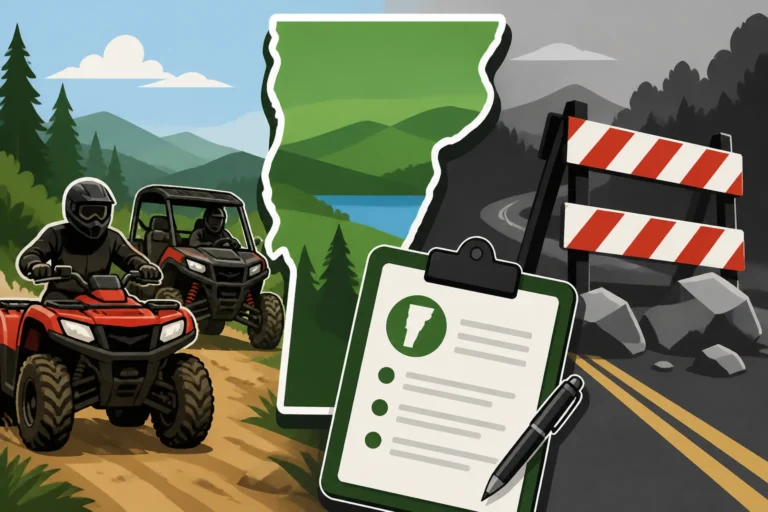
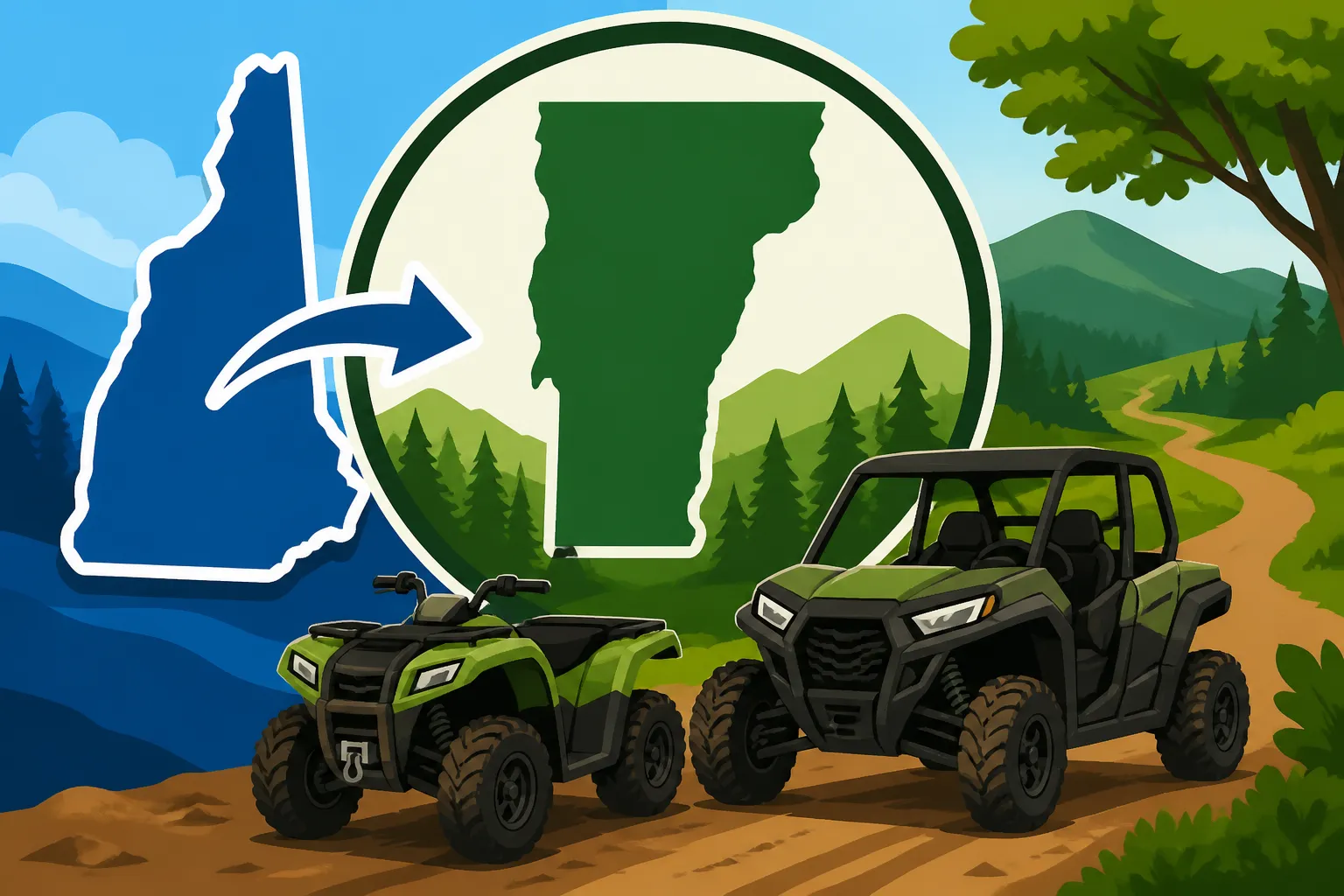
Oh, the open road – or, more accurately, the open trail! There's nothing quite like the excitement of loading up your ATV or UTV and heading out to explore new terrain. But if you're a New Hampshire rider dreaming of Vermont's scenic VASA trails or quaint town roads, it's easy to get tangled up in what seems like a spaghetti bowl of different rules. You've got your NH registration, your NH sticker, maybe even your NH safety course certificate, and you're thinking, "Surely that's enough, right?" Well, Vermont has its own unique set of regulations, and this guide is here to clear up exactly what you need to know and do before you roll a tire across the border.
Understanding Vermont's ATV Registration Requirements for Visitors
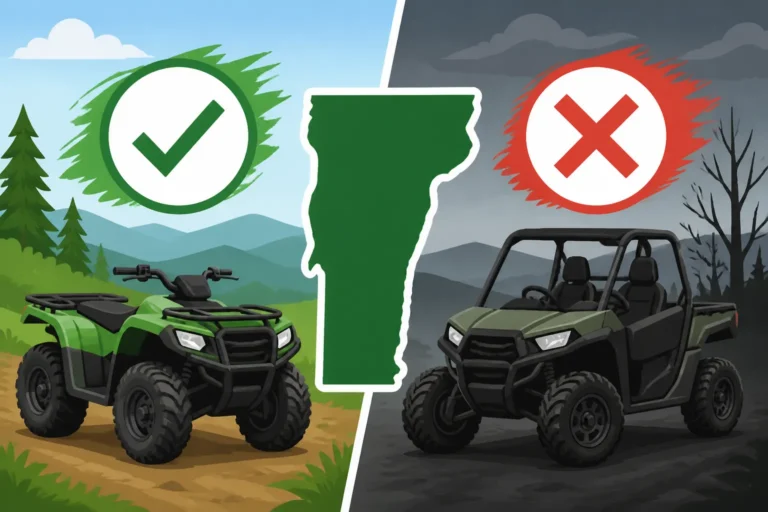
Let's start with the basics: Vermont, like many states, wants to make sure all off-highway recreational vehicles (OHRVs), including ATVs and UTVs, operating within its borders are properly accounted for. This helps with everything from funding trail maintenance to identifying vehicles in case of an incident. As a New Hampshire rider, you might be thinking your NH registration should cover you, and you'd be partially right – but it's not the whole story.
Vermont does have a system of reciprocity when it comes to vehicle registration itself. What this means is that if your ATV or UTV is legally registered in New Hampshire, Vermont generally recognizes that registration for the purpose of the machine being registered. You won't typically need to get a separate Vermont vehicle registration sticker just to operate your machine here. This is a common point of relief for many out-of-state riders, as registering in two different states can be a real headache. You can find more specific details on this in resources like [Vermont Reciprocity With New Hampshire].
However, this is where the nuance comes in, and it's a critical point many visitors miss. While your NH vehicle registration might be accepted, Vermont has additional requirements for accessing its extensive VASA (Vermont All-Terrain Sportsmen's Association) trail system. So, while the state acknowledges your machine's legitimacy from a registration standpoint, that alone doesn't grant you permission to hit the dirt. Think of it like having a driver's license from one state that's valid everywhere, but still needing a separate permit to park in a specific lot. The vehicle is registered, but the access mechanism is separate. This is a common frustration for riders who follow all the rules in their home state, only to find an extra step waiting for them across the border.
The Vermont Trail Access Decal (TAD) – A Must-Have for All Riders
Here's the really big one, the piece of the puzzle that often catches visiting riders by surprise: the Vermont Trail Access Decal, or TAD. This isn't just another sticker; it's your golden ticket to the vast majority of Vermont's designated ATV and UTV trails. Even if your machine is fully registered in New Hampshire and Vermont recognizes that registration, you must have a Vermont TAD affixed to your machine to legally ride on the VASA trail system.
The TAD is essentially how Vermont's trail system is funded and maintained. When you purchase a TAD, a portion of that fee goes directly to VASA and its network of local clubs. These clubs are the backbone of Vermont's ATV and UTV riding experience, tirelessly working to build, maintain, and sign the trails that wind through private land, old logging roads, and even some town-designated routes. Without the TAD, you're not contributing to this system, and you're not authorized to use it. Many riders appreciate this model because they know exactly where their money is going – directly back into the trails they love to ride. To learn more about this, check out [Vermont Requires Registration Plus a TAD].
The cost of a TAD can vary slightly for out-of-state riders compared to Vermont residents, and there might be different options for one-year or two-year decals. It's always a good idea to check the most current information directly from VASA or the Vermont DMV to understand the exact figures. You can even purchase multiple TADs at once if you're bringing several machines. Just remember, these decals typically expire on December 31st of the year they're valid for, regardless of when you purchase them. So, if you buy one in October, it'll still expire at the end of December. This is an important detail to keep in mind when planning your trips and purchasing your decals.
Once you have your TAD, proper placement is key. It needs to be clearly visible on the machine, usually on the front or side, where trail wardens or law enforcement can easily spot it. Failing to display it correctly is just as bad as not having one at all. Many riders ensure their machine is well-equipped with durable accessories, perhaps from a brand like SuperATV, which offers tough body armor or cargo solutions that can help protect areas where you might display your critical decals, ensuring they stay visible and intact even on rugged trails.
Safety Certificates and Age Restrictions: What NH Riders Need to Know
Beyond registration and the TAD, Vermont also has specific rules concerning rider age and safety education, especially for younger operators. It's not just about having a machine that's legal; it's about ensuring the rider is also qualified and safe.
For riders under the age of 18, Vermont law typically requires completion of an approved ATV safety course. This course covers essential topics like safe operating procedures, environmental responsibility, and basic maintenance. The good news for New Hampshire riders is that Vermont generally recognizes safety certificates issued by other states, provided those courses meet national standards. This means if you or your younger family members have already completed an approved ATV safety course in New Hampshire, that certificate should be valid in Vermont. This saves you the hassle and expense of taking a second course, which is a big relief for families looking to ride together. For more specific details on what Vermont accepts, you might look into [Vermont Reciprocity With New Hampshire] regarding safety courses.
However, even with a safety certificate, there are still age-specific supervision rules that apply. For example, riders under a certain age (often under 16) may be required to be under the direct supervision of an adult who is at least 18 years old and holds a valid driver's license. "Direct supervision" usually means the adult must be close enough to the youth rider to provide immediate assistance or instruction, not just somewhere on the same trail. This is a crucial rule designed to protect younger riders and prevent accidents, especially given the varying terrain and potential hazards on Vermont's trails.
It's also worth noting that some safety exemptions might apply if you're riding exclusively on land you own, but for accessing the VASA trail system or any town-designated routes, these certificate and supervision rules are non-negotiable. Ensuring everyone in your riding party meets these requirements is essential for a worry-free trip. Thinking about safety, SuperATV offers a range of visibility accessories, like bright LED light bars or robust mirrors, which are not only practical for enhancing rider awareness on the trail but also contribute to the overall safety aspects promoted by these courses.
Navigating Vermont's Roads and Trails: Key Rules Beyond Registration
Once your machine is properly registered (via reciprocity), you have your Vermont TAD, and all riders meet the safety certificate requirements, you're ready to hit the trails! But hold on, there are still some important rules about how and where you can ride, particularly concerning town roads and general equipment.
First and foremost, Vermont's helmet law is pretty straightforward: every rider, regardless of age, must wear a helmet when operating an ATV or UTV. This isn't just for kids; it's for everyone. The helmet must be properly fastened and meet specific safety standards (like those from the Department of Transportation or ASTM). This is a critical safety measure, and wardens will enforce it strictly. It's often one of the first things a law enforcement officer will check during a roadside or trailside stop. For more on this, consult [Vermont ATV Helmet Law for Every Rider].
Next up: insurance. Vermont mandates that all ATVs and UTVs operating on designated trails or roads must carry liability insurance. This isn't just a suggestion; it's a legal requirement. You'll need to have proof of insurance with you while riding, showing adequate coverage for bodily injury and property damage. Your New Hampshire insurance policy might extend to Vermont, but it's crucial to confirm this with your insurance provider before you cross the state line. Make sure your policy specifically covers ATV/UTV riding in Vermont and meets the state's minimum liability limits. You can learn about specific requirements in [Vermont ATV Insurance Requirements].
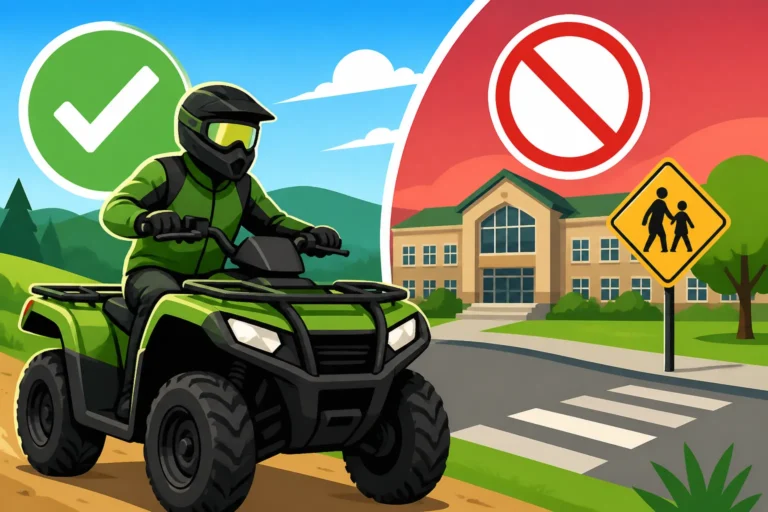
When it comes to riding on roads, this is where things get really local. Vermont does not have a statewide "street legal" law for ATVs and UTVs. Instead, individual towns have the authority to designate certain town roads as open to OHRVs. This means you absolutely cannot just ride your ATV or UTV on any public road in Vermont. You must stick to designated roads, which are typically marked with specific signage. These designations can change annually, and towns often have their own specific ordinances regarding speed limits, curfews, and even areas where ATVs are prohibited (like near schools or in village centers). Always check local town ordinances or maps provided by VASA or local clubs to know which roads are open. Riding on an undesignated road can lead to hefty fines and a ruined trip. Consider looking up [Vermont ATV Road Rules: Towns Decide] for more information.
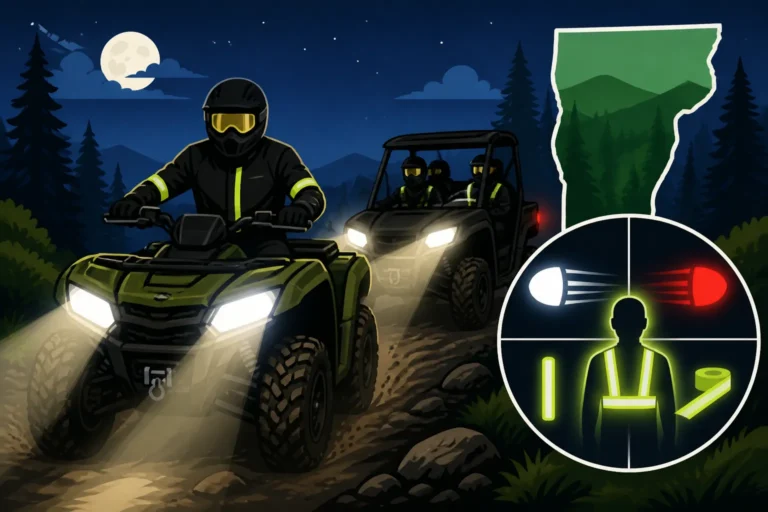
Finally, think about your machine's equipment. While Vermont doesn't have an annual inspection system for ATVs like some other states, you're expected to have certain functioning equipment. This includes working headlights and tail lights (especially if riding near dusk or in low visibility), a proper muffler to keep noise within reasonable limits, and effective brakes. Outfitting your machine with high-quality components, like durable, weather-sealed LED lights from SuperATV, not only ensures compliance but also enhances your overall riding experience and safety on unfamiliar terrain. Investing in good tires, also available from SuperATV, that can handle Vermont's varied terrain – from rocky climbs to muddy sections – can make a huge difference in control and enjoyment.
Here's a quick comparison of some key points for New Hampshire riders looking to ride in Vermont:
| Feature | New Hampshire (NH) Riders at Home | Vermont (VT) for NH Riders |
|---|---|---|
| Vehicle Registration | Required in NH | NH registration recognized in VT |
| Trail Access Decal | Not required for NH trails | Required for VT VASA trails |
| Safety Certificate | Required for specific age groups | NH certificate usually accepted in VT for same age groups |
| Helmets | Required for riders under 18, and passengers under 18 or 16 (check specifics) | Required for ALL riders, ALL ages |
| Liability Insurance | Required for OHRV registration | Required with specific minimums for VT use |
| Road Riding | Limited, specific roads/towns | Highly restricted; only on designated, signed town roads |
| Spark Arrestor | Required | Required |
By understanding and adhering to these Vermont-specific rules, New Hampshire riders can have an incredible, legal, and safe experience exploring the Green Mountain State's beautiful trails and welcoming towns.
Disclaimer
This article is for general informational purposes only and does not constitute professional advice. Laws, prices and regulations vary by location and change over time. Consult a qualified professional for guidance on your specific situation.