Vermont ATV Rules on a Logging Road
It's an age-old question that causes a lot of head-scratching for ATV and UTV enthusiasts in Vermont: can you ride on logging roads? You see them everywhere, winding through the woods, often looking like perfect, inviting routes for an off-road adventure. But that seemingly open path can lead to a world of confusion, and unfortunately, sometimes, trouble. Many riders mistakenly believe that if a road looks unmaintained or leads into a remote area, it's fair game for their machine. This guide aims to clear up that persistent misunderstanding, offering a realistic look at Vermont's rules for logging roads and how to avoid an unwelcome surprise.
Understanding Vermont's Land Access Basics for ATVs
Vermont is a beautiful state, full of forests and vast tracts of land that are actively managed for timber. These lands often have extensive networks of logging roads, essential for forestry operations. However, the presence of these roads doesn't automatically mean they're open to public recreational use, especially for ATVs and UTVs. The rules here are different from paved public roads, and understanding this distinction is the first step to a worry-free ride.
The Core Principle: Landowner Permission is Paramount
Let's get straight to the heart of the matter: in Vermont, the fundamental principle for riding an ATV or UTV on any private land, including most logging roads, is explicit landowner permission. It's not enough that a gate is open, or that you've seen others riding there. If you don't have clear, direct permission from the person or entity who owns that land, you are very likely trespassing. This can be a tough pill to swallow for riders who come from states with more "implied consent" for recreational access, or who are used to more open public land riding opportunities. Vermont's tradition leans heavily towards strong private property rights, and that extends to logging roads.
This core principle means that any logging road you encounter, no matter how wild or remote it appears, should be assumed to be private unless you have definitive information otherwise. This is a common point of frustration for riders who are just looking for a peaceful ride in nature, only to find themselves constantly questioning whether they're on legal ground. The burden of proof, unfortunately, falls on the rider to know where they are and whose land they're on. For those looking for structured riding opportunities, joining an organization like the Vermont ATV Sportsman's Association (VASA) and sticking to their designated trails is often the simplest way to ensure you're riding legally, as these trails are established through formal agreements with landowners. Without such agreements, that inviting logging road remains off-limits. [Vermont's Trails Run on Private Land] further emphasizes this critical point.
Distinguishing Between Public and Private Logging Roads
One of the biggest sources of confusion is that not all logging roads are strictly private. Some might actually be classified as "Class 4" town roads, or have public rights-of-way that allow for limited public access, which could include ATV riding if the town has explicitly opened them. However, this is exceptionally rare for ATV use specifically on Class 4 roads that primarily function as logging routes. Class 4 roads are typically the lowest classification of town road, often unmaintained, and while they are public, towns in Vermont retain significant control over what types of vehicles can use them, if at all, especially off-road machines.
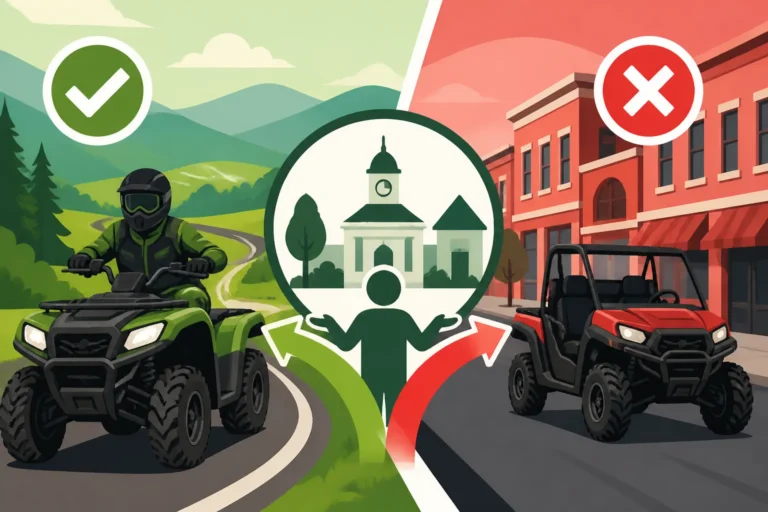
Determining if a logging road is a public Class 4 road, and then further, if it's open to ATVs, requires significant homework. You'd need to consult town maps, speak with the town clerk, or even attend selectboard meetings. Even if a logging road is technically a Class 4 road, it's crucial to remember that [Vermont ATV Road Rules: Towns Decide]. This means the town selectboard must vote annually to open specific sections of those roads to ATV traffic, typically designating them as part of the VASA trail system. Without this explicit town action, even a public Class 4 logging road is generally off-limits to ATVs. It's a complex web of local regulations, and assuming without confirmation can quickly lead to problems. Always assume private and seek permission unless you have verifiable information to the contrary, ideally from the town itself or the relevant VASA club.
Navigating VASA Trails on Logging Roads
While most private logging roads require individual permission, a significant portion of Vermont's organized ATV trail network, managed by VASA and its member clubs, is built upon agreements with landowners. Many of these designated VASA trails utilize existing logging roads, transforming them into legal riding corridors. Understanding how this system works is key to enjoying logging roads legally in Vermont.
When a Logging Road is Part of the VASA Network
Many of the miles of trails offered through the VASA system leverage existing logging roads. These are not just random paths; they are corridors where VASA, through its local clubs, has secured formal permission from the landowners to allow ATV and UTV traffic. This is a fantastic resource, as it means you can enjoy the rugged terrain and scenic beauty of these backwoods routes without the worry of trespassing. However, riding on these designated trails comes with specific responsibilities and requirements. First and foremost, your machine needs to be properly registered with the Vermont Department of Motor Vehicles. You can find more information on costs and procedures by checking out [Vermont ATV Registration Cost].
Beyond registration, you absolutely need a [Vermont TAD: The Trail Access Decal Explained]. This decal is your pass to the VASA trail system, and it includes your membership to a local club, which is crucial because these clubs are the ones doing the boots-on-the-ground work: maintaining trails, signing routes, and most importantly, cultivating those vital relationships with landowners. The fees from the TAD and club dues directly support the trail system, ensuring these logging roads remain open and maintained for riding. When you're on a VASA-designated logging road, you'll see clear signage indicating the trail. It's imperative to stay on these marked trails. Even if the land next to the trail appears open, it's still private property, and riding off the designated corridor is trespassing, jeopardizing the hard-won landowner agreements that make the entire system possible.
Essential Gear and Etiquette for Designated Logging Road Trails
Riding on designated logging road trails within the VASA network demands not just legal compliance but also a good dose of preparation and trail etiquette. These routes, while maintained, can still be rugged and challenging. Equipping your machine properly is essential. You'll want durable tires that can handle varied terrain – from loose gravel and dirt to mud and rocky sections. Skid plates are a smart investment, protecting the underside of your machine from impacts with rocks and stumps that might be hidden or unavoidable on a rough logging track. Companies like SuperATV offer a wide range of robust skid plate options designed to withstand the abuse of off-road riding, providing peace of mind when you're far from pavement. Don't forget basic tools, a first-aid kit, and enough water and snacks for your trip.
Beyond the machine itself, your behavior on the trail is paramount. Keep your speed appropriate for the conditions and visibility. Many logging roads twist and turn, often with limited sightlines, and you might encounter other riders, hikers, or even logging equipment during active operations. Ride quietly, especially when passing near homes or wildlife habitats; excessive noise can quickly sour landowner relations. Always pack out everything you pack in, leaving no trace behind. And pay close attention to trail conditions and closures. VASA clubs often close trails during mud season or after heavy rains to prevent damage, and respecting these closures is vital for long-term access. Checking [Vermont Trail Conditions Before You Tow] is a must before heading out, as conditions on logging roads can change rapidly. Remember, every rider is an ambassador for the sport, and responsible behavior helps ensure these cherished trails remain open.
Legal Considerations and Penalties for Unpermitted Riding
Riding on logging roads in Vermont without proper permission, or outside of designated VASA trails, isn't just a minor infraction; it carries significant legal risks. The penalties can range from fines to more severe consequences, highlighting the importance of understanding and respecting landowner rights. It's not just about getting caught; it's about the potential legal and financial headaches that can arise from a simple misunderstanding or disregard for the rules.
Trespass Laws and Their Consequences
Vermont has clear and strict trespass laws that apply directly to off-road vehicles. If you ride your ATV or UTV on private land, including logging roads, without the landowner's explicit permission, you are trespassing. The consequences can vary depending on the specific circumstances and whether it's your first offense. At a minimum, you could face fines, and potentially have your machine impounded. Law enforcement, including local police and Vermont State Police, as well as game wardens, have the authority to enforce these laws. For a deeper dive into this, you might want to read [Vermont Trespass Law for Riders]. Imagine being deep in the woods, enjoying a ride, only to be stopped by a warden and issued a ticket, or worse, have your machine towed out. That's a scenario no one wants, and it's a very real possibility if you're riding without permission.
Beyond direct legal penalties, landowners also have the right to pursue civil action against trespassers for any damages caused to their property. This could include damage to roads, gates, fences, or even disturbance to logging operations. While many landowners might initially just ask you to leave, repeated offenses or significant damage could lead to much costlier legal battles. It's an understandably frustrating situation when you're exploring, and suddenly you're faced with a "No Trespassing" sign or a stern conversation with a landowner. This is why the emphasis on verification and permission is so strong in Vermont – it's designed to protect both riders and landowners from these very scenarios. The best way to avoid all this is to know exactly where you're riding and to ensure you have the proper authorization, whether that's through a VASA trail pass or direct landowner permission.
Insurance Implications on Unpermitted Land
Another critical, often overlooked, aspect of riding on unpermitted logging roads is the potential impact on your ATV or UTV insurance. Many riders dutifully secure [Vermont ATV Insurance Requirements] to protect themselves and their machines in case of an accident. However, what some don't realize is that riding on private land without permission could potentially nullify or severely limit your insurance coverage in the event of an incident. Insurance policies often have clauses that exclude coverage for activities conducted illegally or on properties where the policyholder is trespassing.
Think about it: if you're involved in an accident on a private logging road where you don't have permission to be, your liability coverage might not kick in. This means if you cause damage to the property, another machine, or injure another person, you could be personally responsible for all the costs, which can quickly add up to tens of thousands of dollars. Even if you're injured yourself, your medical or comprehensive coverage might be denied if the incident occurred while you were engaged in an unauthorized activity. It's a huge financial risk to take for a spontaneous ride. Always review your policy carefully and, when in doubt, contact your insurance provider to understand exactly what is and isn't covered when riding off designated trails or without explicit landowner permission. This isn't just about avoiding a ticket; it's about protecting your financial future.
Best Practices for Riding Logging Roads in Vermont
Given the complexities and potential pitfalls of riding on logging roads in Vermont, adopting best practices is essential for a safe, enjoyable, and legal experience. It's about being proactive, respectful, and prepared, whether you're on a designated trail or attempting to secure individual access.
Obtaining Explicit Landowner Permission
If a logging road isn't part of the official VASA trail system, the only way to legally ride it is to obtain explicit permission from the landowner. This might sound daunting, but it's a straightforward process, though it requires a bit of detective work and polite persistence. First, you need to identify the landowner. The best place to start is the town clerk's office or the Listers' Office in the town where the logging road is located. They can often help you look up property records and identify the owner. Sometimes, large timber companies own extensive tracts of land, and they might have specific policies for recreational access or even dedicated permits.
Once you identify the landowner, approach them respectfully. Explain what you'd like to do (ride your ATV on their logging road) and assure them of your commitment to responsible riding, like staying on the road, respecting their property, and packing out trash. Offering to provide your contact information and even signing a liability waiver can sometimes help. Getting permission in writing, even a simple email or signed note, is always a good idea to avoid any future misunderstandings. Remember, a landowner is not obligated to grant you access, so always be courteous and prepared for a "no." Building positive relationships with landowners is crucial for the future of ATV riding in Vermont, and local VASA clubs are excellent examples of how this is done successfully. You can learn more about this by checking out [Vermont Landowner Permission Rules].
Preparation and Safety
Whether you're on a VASA trail that utilizes a logging road or riding with explicit landowner permission, preparation and safety should always be your top priorities. Logging roads, by their nature, are often rugged, remote, and can be actively used by heavy machinery. Before you even head out, perform a thorough pre-ride check of your machine: tires, brakes, fluid levels, and lights. Ensure you have essential safety gear, including a properly fitting helmet – [Vermont ATV Helmet Law for Every Rider] requires helmets for all riders – eye protection, sturdy boots, gloves, and long pants.
Always let someone know your planned route and estimated return time, especially if you're riding in a remote area where cell service might be spotty or non-existent. Carry a basic first-aid kit, a map (even if you have GPS, a paper map and compass are good backups), water, snacks, and any necessary tools for minor repairs. Be aware of the season: mud season (typically spring) often leads to trail closures to prevent damage, and logging operations can be active at any time, requiring extra caution. Look out for warning signs, flags, or active equipment, and always yield to logging trucks and other commercial vehicles. Being prepared means you can handle minor mishaps and truly enjoy the beauty of Vermont's logging roads responsibly.
| Rule Category | Logging Road (Private/Unpermitted) | Logging Road (VASA Designated) |
|---|---|---|
| Permission | Absolutely Required (explicit from landowner) | Implicit (via VASA/Club landowner agreements) |
| Registration | Required for all off-road use | Required ([Vermont ATV Registration Cost]) |
| TAD/Club Dues | Not applicable (unless seeking VASA access) | Required ([Vermont TAD: The Trail Access Decal Explained]) |
| Trespass Risk | High (if no permission) | Low (if on marked trail with TAD) |
| Legal Penalties | Fines, impoundment, civil liability | Fines for violation of VASA rules/regulations |
| Insurance Coverage | Potentially voided/limited | Typically valid (check policy specifics) |
| Signage | Unlikely to be marked for ATV use | Clearly marked with VASA/Club signs |
| Maintenance | Varies (often none for recreational use) | Maintained by VASA clubs |
| Safety Gear | Recommended | Required (e.g., helmet, [Vermont ATV Helmet Law for Every Rider]) |
Disclaimer
This article is for general informational purposes only and does not constitute professional advice. Laws, prices and regulations vary by location and change over time. Consult a qualified professional for guidance on your specific situation.