Braintree’s ATV Ordinance in Vermont
Hitting the open road on your ATV or UTV in Vermont can feel incredibly freeing, but anyone who's tried to figure out the rules knows it's rarely as simple as just firing up the engine and going. One of the biggest head-scratchers for riders, both local and visiting, is navigating the patchwork of town-specific ordinances that dictate where, when, and how you can ride. This comprehensive guide is here to untangle the complexities of Braintree's ATV ordinance, offering practical insights so you can ride confidently and legally without the constant worry of unknowingly breaking a local rule.
Understanding Vermont's Local Control over ATV Roads
It's a common misconception that ATV rules in Vermont are a "one size fits all" situation. Many riders arrive assuming that if an ATV is registered and insured, they can just hit any dirt road. Oh, how I wish it were that simple! The reality is much more nuanced, and it’s why understanding local ordinances like Braintree's is absolutely crucial. Vermont gives significant power to its individual towns when it comes to regulating ATV and UTV access on public roads, and this decentralized approach can certainly lead to some confusion if you're not prepared.
The Power of Selectboards in Opening Roads
In Vermont, it's the local town selectboard that holds the keys to opening or closing town highways for ATV use. They aren't just rubber-stamping state regulations; they're actively deciding, based on local input and conditions, whether ATVs can traverse their public roads. Imagine a group of dedicated community members gathering, discussing everything from noise concerns to road maintenance, and then making a decision that directly impacts where you can ride. That's essentially what happens.
This isn't a permanent decree, either. Many towns undertake an [Annual Designation and What Lapses], meaning that if a selectboard doesn't explicitly vote to re-open roads for ATV use each year, those routes can revert to being closed. This annual process can be a huge source of frustration for riders who might assume a road that was open last year is still fair game. You can picture the scenario: you planned a fantastic ride through a familiar route, only to find out, perhaps through a local resident or a posted sign, that the town simply didn't renew its designation this year. It feels like the rules are constantly shifting under your tires, doesn't it? This is precisely why checking current local ordinances is so vital before every ride, even in towns you think you know well.
The Role of Town Ordinances in Setting Specific Rules
Beyond just opening roads, town selectboards often adopt full-blown ordinances. These aren't just vague suggestions; they are legally binding rules that can outline a myriad of operational details for ATVs and UTVs. Think of it as a town creating its own mini-rulebook specifically for off-road vehicles on its designated roads. This can include anything from specific operating hours to designated speed limits, and even unique equipment requirements that might go beyond state law.
The variations can be truly astounding. One town might have a strict 25 mph speed limit, while its neighbor allows 35 mph. Another might only permit riding between dawn and dusk, while another has a generous 9 PM curfew. This is why a guide on [Vermont ATV Road Rules by Town] is so essential. Without these specific ordinances, riders would be left guessing, and that’s a recipe for unintended violations and community friction. It’s not just about knowing if you can ride, but how you can ride respectfully and legally within the town's specific framework. These ordinances are born out of a desire to balance recreational opportunities with the peace and safety of residents, and understanding them is key to being a responsible rider.
Key Provisions of Braintree's ATV Ordinance
Now, let's zero in on Braintree. Like many Vermont towns, Braintree has its own set of rules for ATV and UTV operators. These aren't necessarily unique to Braintree, but they represent the specific decisions made by its selectboard to manage off-road vehicle traffic within its borders. When planning a ride through this beautiful part of Vermont, knowing these specifics is your first line of defense against potential issues.
Designated Roads and Their Limitations
Braintree, through its ordinance, specifies which town roads are open to ATV and UTV traffic. This is perhaps the most critical part of any local ordinance: explicitly stating where you can and cannot ride. It's not a free-for-all on every dirt road; riders are expected to stick to these designated routes. Imagine hitting a fork in the road, and one path is clearly marked as an ATV route, while the other has a "No ATVs" sign. That's the clarity an ordinance provides. The responsibility falls squarely on the rider to know these routes.
This means you cannot just wander off onto any path or unposted road you encounter. The ordinance is precise, and veering onto undesignated roads, or worse, private property without permission, can lead to serious legal consequences and damage to the overall reputation of ATV riders in the community. You absolutely must respect [Routes Posted With Official Signs] and understand that riding outside these designated areas is a direct violation of the town's regulations. It's not just about avoiding a ticket; it's about maintaining access for all riders by respecting the rules that allow that access in the first place. SuperATV, for instance, makes rugged GPS mounts that can help keep your trail maps visible, ensuring you stay on track with the town's designated routes.
Operating Hours and Speed Restrictions
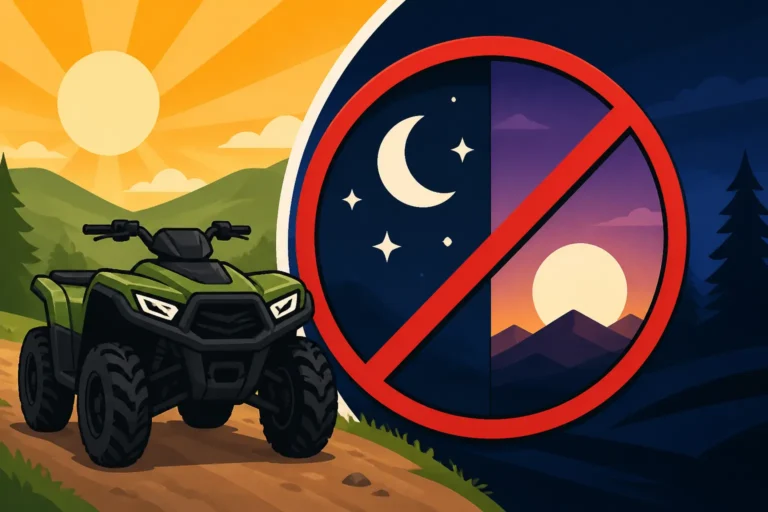
Another common and critical element of local ordinances, including Braintree's, involves the times you can ride and how fast you can go. These rules are usually put in place to address concerns about noise, especially near residential areas, and to ensure public safety. It’s not uncommon to find towns stipulating "dawn to dusk" riding, or more specific hours like 8 AM to 9 PM.
When it comes to speed, Braintree’s ordinance will typically either align with existing town speed limits for those roads or impose a specific, lower speed limit for ATVs and UTVs. For example, some towns, similar to [Brighton's 25 mph Cap in Vermont], set a universal 25 mph limit on all designated ATV routes, regardless of the posted car speed. This is done to enhance safety for riders, other road users, and pedestrians, particularly on narrower, winding dirt roads. Imagine the challenge of controlling a powerful machine on a dusty, unpaved road; a lower speed limit helps mitigate risks. Always check Braintree's specific ordinance for these figures, as they are not suggestions but enforceable rules. Ignoring them not only puts you at risk but also contributes to negative perceptions of ATV riders among residents.
Equipment Requirements Beyond State Law
While Vermont has state-level equipment requirements for ATVs and UTVs (like headlights, taillights, and mufflers), local ordinances sometimes add an extra layer of regulation. Braintree might, for instance, require specific safety equipment beyond what the state mandates for off-road use, especially if the routes involve riding on public roads where you might encounter other vehicles. This could involve requirements for mirrors, additional reflectors, or even a horn.
For example, while some riders might consider [Reflectors Worth Adding to a Vermont ATV] a good idea for visibility, Braintree's ordinance could make them mandatory on designated routes. The intent behind these additional local requirements is often to enhance rider visibility and safety on shared roadways, as ATVs might move differently or have different profiles than traditional vehicles. Before you head out, review Braintree's ordinance carefully to ensure your machine is fully compliant. It’s better to add an extra mirror or reflector than to face a stop from a local constable for an unforeseen equipment violation. Companies like SuperATV offer a range of accessories that can help ensure your machine meets these local specificities, from mirrors to turn signal kits, making compliance easier.
Navigating Braintree's Rules: Practical Advice for Riders
Understanding the letter of the law is one thing, but knowing how to practically apply it and avoid pitfalls is another. Riding in a town like Braintree requires a proactive approach, both in preparation and while on the trail. It's all about being informed, being visible, and being courteous to ensure a positive experience for everyone.
Obtaining and Understanding the Official Ordinance
The absolute best advice for anyone planning to ride in Braintree, or any Vermont town, is to get your hands on the official ordinance. Don't rely on hearsay, a quickly Googled forum post, or what "someone told you at the gas station." Rules can change, and interpretations can vary. Your primary source should always be the town clerk's office or the town's official website. Many Vermont towns now post their ordinances online, often under the "Town Clerk," "Selectboard," or "Ordinances" sections.
Once you have it, read it thoroughly. Pay attention to the specific wording, especially sections detailing permitted roads, operating hours, speed limits, and any unique equipment stipulations. If something isn't clear, don't guess. Contact the town clerk's office or even a local club that operates in the area for clarification. As we touched upon earlier, [Reading Your Town's Posted Route Map] in conjunction with the written ordinance can give you the clearest picture of where you can and cannot go. It might seem like a bit of homework before a fun ride, but trust me, it's far better than the alternative of facing fines or losing access to these fantastic riding opportunities.
What to Expect During Enforcement
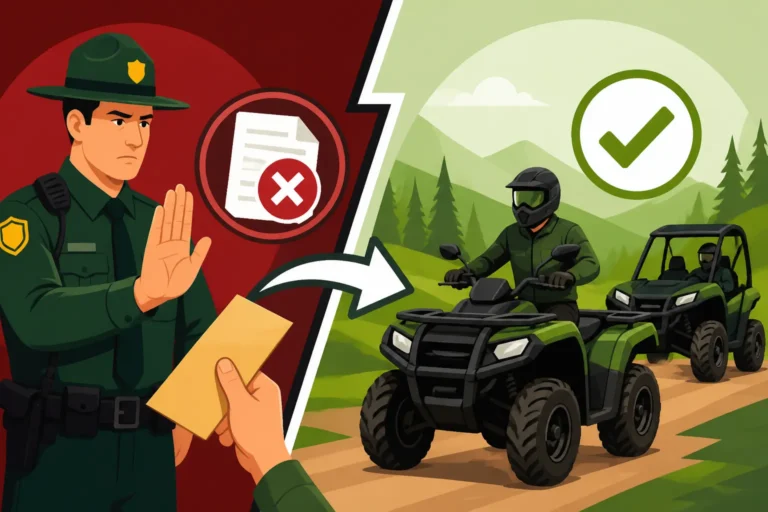
When you're out riding on Braintree's designated routes, it's important to be aware of who might be enforcing the rules. In Vermont, enforcement of ATV laws and local ordinances can come from several sources: state police, game wardens, or local town constables. These officers are authorized to stop you if they suspect a violation, whether it's related to registration, safety certificates, or adherence to the local ordinance.
If you are stopped, be polite, cooperative, and have all your required documentation ready – this includes your registration, proof of insurance, and if applicable, your [Vermont ATV Safety Course Required Under 18] certificate. They might ask to see these, as well as ensure you're sticking to the designated roads and adhering to operating hours and speed limits. Penalties for violations can vary, but generally, local ordinances carry fines. For example, similar to options for [Waiver Fee or Full Fine for a Vermont Violation] in other towns, Braintree might offer a waiver fee for a first offense, or fines that escalate for repeat violations. It’s much more pleasant to have a friendly chat with an officer who sees you riding responsibly than to be pulled over for a clear violation. Remember, consistent, respectful enforcement helps keep everyone safe and preserves riding access for the community.
Respecting Residents and Landowners in Braintree
Beyond the written rules, there’s an unwritten code of conduct that’s crucial for maintaining good relationships between ATV riders and the Braintree community. Noise and dust are two of the biggest complaints towns receive about ATVs, especially when machines are operating near homes or populated areas. Even with a legal muffler, engine noise travels, and dusty roads can kick up significant amounts of particulate matter into the air.
As a responsible rider, you can make a huge difference. When passing through residential zones, slow down, keep your engine noise to a minimum, and avoid aggressive riding that stirs up excessive dust. A simple wave to a resident can go a long way in fostering goodwill. Furthermore, always remember that Braintree's ordinance only applies to its designated public roads. Any riding on private property requires explicit [Vermont Landowner Permission Rules]. Just because a dirt path looks inviting doesn't mean it's open for public ATV use. Respecting private property boundaries and keeping noise to a minimum are fundamental tenets of responsible riding that help ensure towns like Braintree continue to offer access for future generations.
Braintree's Ordinance in the Broader Vermont Context
Understanding Braintree's specific rules is vital, but it's also helpful to see how they fit into the larger picture of ATV riding in Vermont. Local ordinances don't exist in a vacuum; they interact with state laws and the extensive statewide trail network. This interplay can be complex, but knowing the connections can help you plan more comprehensive and compliant rides.
Connecting to the VASA Trail System
For many riders, town roads, including those designated in Braintree, aren't just standalone routes. They often serve as crucial connectors to the much larger Vermont ATV Sportsman's Association (VASA) trail system. Imagine riding a segment of a designated town road that then seamlessly transitions into a marked VASA trail, allowing you to link up with dozens, if not hundreds, of miles of off-road adventure. This is how many of Vermont's riding opportunities are structured.
However, it's critical to understand that while Braintree's ordinance allows you to ride on its designated roads, accessing the VASA trail system requires an additional step. You'll need to purchase and display a [Vermont TAD: The Trail Access Decal Explained]. This decal serves as your proof of VASA membership and contributes to the maintenance of the private land trails that make up the vast majority of the VASA network. So, you might be legally on a Braintree town road, but if you transition onto a VASA trail without that decal, you're immediately in violation of VASA's rules and risk being turned around or fined by a trail warden. Always have both your machine's registration and your TAD if you plan to link town roads with VASA trails.
Interaction with State-Level ATV Laws
Local ordinances like Braintree's don't override state law; rather, they work in conjunction with them. Think of state laws as the baseline, and local ordinances as additional layers of regulation that can be more restrictive but never less. For instance, Vermont has clear requirements for [Vermont ATV Registration Cost], proof of [Vermont ATV Insurance Requirements] (with specific liability limits), and for riders under 18, a [Vermont ATV Safety Course Required Under 18]. These state requirements apply no matter where you ride in Vermont, whether it's on a VASA trail or a Braintree town road.
A town ordinance might add specific speed limits or operating hours, but it won't exempt you from needing valid registration or insurance. If a state law says you need a helmet, a local ordinance can't say you don't. Conversely, if state law doesn't explicitly require mirrors for ATVs, a town ordinance could mandate them for riding on its designated roads to enhance safety. It’s a hierarchy of rules, and as a rider, you're responsible for complying with both the state minimums and any additional requirements imposed by the specific town you're riding through. Always keep your state-mandated documents readily accessible.
Community Impact and Future of ATV Riding in Braintree
The existence and continued viability of ATV ordinances in towns like Braintree are heavily influenced by community sentiment and the behavior of riders. When riders are respectful, adhere to the rules, and minimize their impact (noise, dust, trespassing), local selectboards are more likely to maintain or even expand riding opportunities. Conversely, rampant violations, excessive noise, or disrespect for private property can quickly lead to selectboards rescinding access or implementing more stringent regulations. This is where the efforts of clubs and organizations that partner with companies like SuperATV to promote responsible riding really shine through.
Community feedback often comes through public hearings, petitions, or direct complaints. For instance, similar to discussions around [Vermont Town Meeting Votes on ATV Roads] in other areas, Braintree's selectboard will certainly consider local input. Riders who ignore the rules not only face fines but also jeopardize future access for everyone. Being a good steward of the trails and roads, being friendly to residents, and leaving no trace are crucial for building a positive image and securing the future of ATV riding in this region. Ultimately, the future of ATV access in Braintree, and many other Vermont towns, rests heavily on the responsible actions of its riders.
Here's a quick reference table outlining common elements you might find in Braintree's or similar Vermont ATV ordinances:
| Ordinance Aspect | Common Requirement (Example) | Rider Action Required |
|---|---|---|
| Designated Roads | Specific town highways listed as open for ATV/UTV use | Obtain and study town's official map/list of routes |
| Operating Hours | E.g., "Sunrise to Sunset" or "8 AM to 9 PM" | Plan rides within specified timeframes; avoid night riding if prohibited |
| Speed Limits | Often lower than car limits, e.g., 25 mph or 35 mph | Adhere strictly to posted or ordinance-specific speed limits |
| Equipment | Headlights, taillights, working brakes, possibly mirrors | Ensure machine meets all state and local equipment rules; add visibility aids |
| Insurance | State-mandated liability coverage | Carry proof of valid Vermont ATV liability insurance |
| Registration | Current Vermont ATV registration | Display current Vermont registration plate/decal |
| Safety Course | Required for riders under 18 | Carry proof of valid safety certificate if applicable |
| Trespassing | Strictly prohibited on private land without permission | Stay on designated roads/trails; respect all private property |
Disclaimer
This article is for general informational purposes only and does not constitute professional advice. Laws, prices and regulations vary by location and change over time. Consult a qualified professional for guidance on your specific situation.