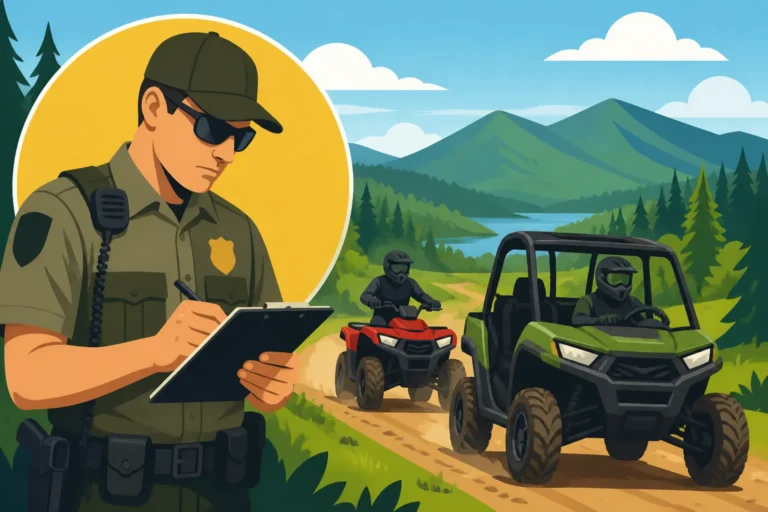
Vermont Passengers Must Wear Helmets
Riding an ATV or UTV in Vermont offers unparalleled access to some of the most stunning natural landscapes, from the rolling Green Mountains to the pristine lakes of the Northeast Kingdom. However, the thrill of the ride comes with a serious responsibility, especially when you have passengers. Many riders aren't entirely clear on the specific laws governing helmets for passengers in Vermont, often assuming rules differ for age groups or types of roads. This guide aims to clear up all that confusion, detailing Vermont's strict requirements to ensure everyone on your machine stays safe and compliant.
Understanding Vermont's ATV and UTV Passenger Helmet Laws
When you hit the trails or designated town roads in Vermont on your ATV or UTV, safety should always be your top priority. And when it comes to passengers, Vermont's stance is crystal clear: helmets are mandatory. This isn't just a suggestion or a recommendation; it's a legal requirement designed to protect everyone on board from potentially life-altering injuries. The state understands the inherent risks associated with these powerful machines, especially for those who might not be directly in control, and has put these laws in place for good reason.
The Core Mandate: Helmets for All Passengers
Vermont law unequivocally states that any passenger riding on an ATV or UTV must wear a helmet. There are no age-based exemptions, no "if you're on private land" loopholes that apply to this rule. Whether your passenger is a seasoned adult rider or a curious youngster experiencing the trails for the first time, their head must be protected by an approved helmet. This robust requirement reflects a deep understanding of the potential for impacts, rollovers, and ejections that can occur even during seemingly benign rides. The forces involved in an ATV or UTV accident can be immense, and a helmet serves as the primary line of defense against severe head trauma. Neglecting this crucial step isn't just risking a fine; it's risking the well-being of someone you care about. Many states have differing rules, but Vermont chose a comprehensive approach to prioritize safety for all.
Think about it this way: when you're driving a car, seatbelts are mandatory for everyone. On an ATV or UTV, the equivalent level of protection for the head is a helmet. The dynamic nature of off-road riding, with its uneven terrain, sudden stops, and potential for obstacles, makes head protection even more critical. Even a low-speed tip-over can result in a head injury if the rider isn't properly protected. So, before your passenger even thinks about climbing aboard, ensure their helmet is securely fastened and correctly fitted. This is also covered under the broader [Vermont ATV Helmet Law for Every Rider] which encompasses all riders, not just passengers.
What Constitutes an Approved Helmet in Vermont?
It's not enough to simply wear any helmet; it needs to be one that meets specific safety standards. Vermont law, consistent with most other states and safety organizations, requires helmets to meet recognized safety certifications. Generally, this means a helmet that is certified by the Department of Transportation (DOT) for street-legal use, or by the Snell Memorial Foundation, which often exceeds DOT standards. ASTM certifications are also widely accepted. These certifications are your assurance that the helmet has undergone rigorous testing for impact absorption, penetration resistance, and retention system strength. You'll typically find a sticker or label on the back or inside of the helmet indicating its compliance with these standards.
When you're out shopping for helmets for your passengers, don't just grab the cheapest option. Look for that crucial DOT, Snell, or ASTM sticker. A properly certified helmet is engineered to dissipate impact energy, significantly reducing the risk of concussion or skull fracture. Beyond certification, the helmet must fit correctly. A helmet that's too loose can shift during an impact, failing to provide adequate protection. One that's too tight can be uncomfortable and distracting. Make sure the helmet sits level on the head, covers the forehead, and doesn't rock excessively from side to side or front to back. The chin strap should be snug, allowing only one finger to fit comfortably between the strap and the chin. Investing in a quality, properly fitting helmet, like those found at dedicated powersports shops or reputable online retailers (perhaps even some gear from SuperATV), is a non-negotiable step in preparing for any ride in Vermont. More detailed information can be found regarding [Vermont Helmets Meeting FMVSS or ASTM].
Why Passenger Helmets Are Non-Negotiable in Vermont
The laws surrounding passenger helmets in Vermont aren't arbitrary; they are the result of extensive research into accident statistics and injury prevention. For anyone riding an ATV or UTV, whether as an operator or a passenger, the potential for serious injury is real. The mandates exist to create a safer environment for everyone enjoying Vermont's beautiful outdoor recreation. Ignoring these rules puts not only the passenger at risk but also the operator facing legal consequences and potential financial burdens.
Mitigating Risks and Preventing Injuries
ATVs and UTVs, while incredibly fun and useful, carry inherent risks. Accidents can happen quickly, often without warning, due to challenging terrain, operator error, or unexpected obstacles. Passengers, not having direct control of the machine, are particularly vulnerable. Common accident scenarios include rollovers, where the machine tips sideways or end-over-end, and ejections, where a rider is thrown from the vehicle. In both cases, the head is highly susceptible to impact with the ground, rocks, trees, or even parts of the machine itself. These impacts can lead to traumatic brain injuries (TBIs), concussions, skull fractures, and other severe head injuries that can have long-lasting effects on cognitive function, motor skills, and overall quality of life.
A helmet acts as a crucial barrier, absorbing and distributing the force of an impact across its structure, rather than allowing that force to concentrate on a single point of the skull. This protective action is why helmets are so critical, and why Vermont makes them mandatory for passengers. Even at low speeds, the sudden jolt of an impact can cause significant injury. Imagine a scenario where you're navigating a rocky trail, and the machine unexpectedly hits a large stone, causing a sudden lurch. Without a helmet, a passenger's head could strike the roll bar or even another person. With a certified helmet, that same impact is significantly mitigated, potentially turning a severe injury into a minor bump or no injury at all. This focus on prevention is central to Vermont's safety regulations. Furthermore, understanding your machine's capabilities and limits can also help, as excessive speeds or maneuvers increase risk, even with proper gear. The [Vermont Rollover Protection Exception] also points to the types of safety measures that are considered for these vehicles, highlighting the potential dangers.
Legal Ramifications for Non-Compliance
Beyond the paramount concern for safety, there are significant legal and financial consequences for failing to ensure your passengers wear helmets in Vermont. Operating an ATV or UTV with an unhelmeted passenger is a violation of state law, and law enforcement officers – including local police, sheriffs, and game wardens – have the authority to issue citations. These penalties can include fines, which can add up quickly, especially if you're cited multiple times. It's not just a slap on the wrist; these are tangible costs that could easily have been avoided by simply ensuring everyone had a helmet on. You can find more information about potential penalties under [Vermont Fines for Road Violations].
The legal ramifications extend further than just fines. If an unhelmeted passenger is injured in an accident, the operator could face civil liability lawsuits. While ATV/UTV riding always carries some inherent risk, failing to comply with a clear safety law like the helmet mandate could be seen as negligence, making the operator legally responsible for the passenger's injuries and associated medical costs, lost wages, and pain and suffering. This could lead to substantial financial burdens that far outweigh the cost of a good helmet. Moreover, your insurance policy might even have clauses that could deny or reduce coverage if you were operating illegally at the time of an accident. Always make sure to be aware of [Vermont ATV Insurance Requirements] and how non-compliance might affect your coverage. It's essential to understand that following all safety regulations, including helmet use, helps ensure your insurance remains valid and responsive in the unfortunate event of an incident.
Practical Advice for Ensuring Passenger Safety
Ensuring passenger safety on your ATV or UTV in Vermont goes beyond simply knowing the law; it involves proactive steps to select appropriate gear, conduct thorough pre-ride checks, and communicate effectively. As the operator, you are the primary guardian of your passengers' well-being, and taking these practical steps seriously can make all the difference between a memorable adventure and a regrettable incident.
Choosing the Right Helmet for Your Passenger
Selecting the correct helmet is paramount. A helmet that's too big will move around and offer little protection, while one that's too small will be uncomfortable and might not even go on properly. Head sizes vary significantly, even among adults, let alone between adults and children. It's best to measure your passenger's head circumference and consult sizing charts provided by helmet manufacturers. When trying on a helmet, it should feel snug all around, without any pressure points. It shouldn't shift when the head is shaken lightly. For youth riders, resist the urge to buy a helmet they can "grow into"; it compromises their safety now. Many powersports dealers and large sporting goods stores will have staff trained to help with helmet fitting, which is always the best approach.
When considering helmet types, full-face helmets offer the most comprehensive protection, covering the entire head and face. Open-face helmets are also common, particularly when paired with goggles or a face shield for eye protection (which we'll discuss more later). The choice often comes down to comfort, visibility, and the specific riding conditions, but full-face models offer superior protection against branches, thrown debris, and impacts to the chin or jaw. Brands like SuperATV, while primarily known for parts and accessories, also emphasize safety gear, and their community often discusses the importance of quality helmets. Remember, the helmet should be in good condition, free from cracks, deep scratches, or any signs of previous heavy impact. Even if it looks fine, a helmet that has been through a significant crash should always be replaced.
Pre-Ride Checks and Best Practices
Before you even start the engine, a thorough pre-ride check is essential, particularly when carrying passengers. First and foremost, verify that every passenger's helmet is properly secured. The chin strap should be snug, allowing minimal movement, and the helmet should sit level on their head. Take a moment to demonstrate how it should feel and ask them if it's comfortable and secure. This simple step prevents the helmet from coming off or shifting during a ride, which can be just as dangerous as not wearing one.
Next, brief your passengers on proper riding etiquette and safety protocols. Explain where and how to hold on securely to the machine (using grab handles or the operator), and emphasize the importance of keeping their feet on the footrests at all times. Instruct them to stay seated unless directed otherwise, and to lean with the machine in turns, rather than against it. Communication is key: establish hand signals or verbal cues for common situations like slowing down, stopping, or encountering rough terrain. Make sure they understand the machine's capabilities and your planned route. Also, ensure your machine is rated for the number of passengers you intend to carry; overloading can affect handling and stability. Consult your owner's manual for specific weight limits and seating arrangements. These best practices significantly enhance the safety of everyone on board and help prevent unforeseen incidents.
Special Considerations for Different Passenger Types
While the helmet rule is universal for all passengers in Vermont, the nuances of carrying different age groups or multiple people on your ATV or UTV warrant special attention. It's not just about strapping on a helmet; it's about understanding the specific vulnerabilities and requirements of youth riders and the importance of adhering to manufacturer's specifications for passenger capacity.
Youth Riders and the Importance of Proper Gear
Carrying youth passengers on an ATV or UTV comes with heightened responsibilities. While they must wear a helmet just like an adult, their smaller stature, developing motor skills, and often limited understanding of risk mean you need to be extra vigilant. Ensure their helmet is not only certified but also perfectly sized for their head. Children's heads are still developing, making them particularly vulnerable to injury. Beyond the helmet, consider additional protective gear for them, such as gloves, sturdy boots, long pants, and long-sleeved shirts.
Furthermore, consider the type of machine you're operating. Many ATVs are designed for a single rider only, and adding a passenger, especially a child, can significantly alter the balance and handling characteristics, making it unsafe. If your machine is designed for passengers, ensure they can comfortably reach and hold onto the designated handholds and keep their feet firmly on the footrests. Supervising youth riders is critical; Vermont has specific [Vermont Supervision Rules Under 16] for operators, but the spirit of vigilant oversight extends to passengers as well. For young operators, taking a [Vermont ATV Safety Course Required Under 18] is mandatory, but even young passengers benefit from understanding the dynamics and rules of the ride. Always err on the side of caution when carrying children, slowing down, avoiding aggressive maneuvers, and choosing less challenging terrain.
Carrying Adults and the "One Passenger" Rule
When carrying adult passengers, the same helmet rules apply, but there's a common misconception about how many passengers an ATV or UTV can legally and safely carry. Most traditional ATVs are designed for a single operator only, meaning they are not equipped to safely carry any passengers. Attempting to carry a passenger on a single-rider ATV can compromise stability, block the operator's view, and increase the risk of an accident. UTVs, or side-by-sides, are generally designed with multiple seats and roll cages, making them far more suitable for carrying passengers.
However, even with UTVs, you must adhere strictly to the manufacturer's specified seating capacity. Just because there's "room" doesn't mean it's safe or legal. If your UTV has two seats, you can carry one passenger. If it has four seats, you can carry three passengers. Overloading a UTV by squeezing in extra passengers beyond its design capacity can severely impact its handling, braking, and overall stability. This increases the risk of rollover and makes it much harder to control the vehicle, especially on uneven terrain. Always check your machine's owner's manual for its specific passenger capacity and ensure everyone has their own designated seat and seatbelt (if applicable). Never allow passengers to ride on cargo racks or in areas not specifically designed for seating, regardless of their age.
Beyond Helmets: Other Essential Safety Gear for Passengers
While helmets are the absolute non-negotiable cornerstone of passenger safety in Vermont, they are part of a larger ensemble of protective gear that can significantly reduce the risk of injury. Thinking comprehensively about passenger protection means considering all the elements that can shield them from the myriad hazards encountered on trails and backroads.
Eye Protection and Goggles
Imagine riding along a dusty trail on a dry summer day, or navigating a wooded path where low-hanging branches are common. Without proper eye protection, your passenger's eyes are vulnerable to dust, dirt, kicked-up debris, insects, and branches. A sudden impact to the eye can cause anything from irritation and temporary blindness (which itself is dangerous) to serious and permanent damage. This is why eye protection, typically in the form of goggles or a face shield integrated into a full-face helmet, is crucial.
Even if a passenger is wearing an open-face helmet, high-quality goggles are absolutely essential. Look for goggles designed for powersports, with impact-resistant lenses and a secure fit that seals around the eyes to keep out foreign objects. They should also be well-ventilated to prevent fogging, which can impair vision. Some riders prefer tinted lenses for bright, sunny days, while clear lenses are best for overcast conditions or night riding. Ensure the goggles fit comfortably with the helmet and don't restrict peripheral vision. Just like helmets, eye protection should be checked before every ride to ensure it's clean, functional, and properly worn.
Protective Clothing and Footwear
Beyond head and eye protection, the rest of a passenger's body also needs safeguarding. The rough and tumble environment of ATV and UTV riding means scrapes, cuts, bruises, and even fractures are a risk if the skin and limbs are exposed. Therefore, recommending appropriate clothing and footwear isn't just a suggestion; it's a critical safety measure. Long sleeves and long pants, made of durable materials like denim or specialized riding gear, provide a barrier against abrasions, thorns, branches, and the sun. Avoid shorts and t-shirts, as they offer virtually no protection in a fall or impact.
Sturdy, over-the-ankle boots are equally important. They protect the feet and ankles from impacts, provide good grip on footrests, and prevent feet from slipping off. Open-toed shoes, sandals, or flimsy sneakers are entirely inappropriate and unsafe for ATV/UTV riding. Additionally, gloves are highly recommended. They protect hands from blisters, abrasions, and impacts, and can improve grip on handholds, especially over extended periods or in wet conditions. Even relatively minor injuries to the hands or feet can significantly impact a person's ability to recover or enjoy their daily life, making proper protective clothing an integral part of passenger safety planning. Think of it as adding an extra layer of armor for your passenger, complementing the head protection provided by the helmet. Companies like SuperATV often feature riders in full gear, showcasing the importance of comprehensive protection.
Common Misconceptions and Clarifications
Despite clear laws and abundant safety information, some misconceptions about ATV and UTV passenger helmet requirements persist. Addressing these directly is crucial for promoting compliance and, more importantly, ensuring safety on Vermont's trails and roads.
"Just Riding on My Own Land" Doesn't Exempt You
A very common misconception among ATV and UTV riders in many states, including Vermont, is the belief that safety regulations, such as helmet laws, do not apply when operating on private property. This couldn't be further from the truth in Vermont. The state's ATV and UTV laws are generally comprehensive, and the helmet mandate for passengers (and operators) applies regardless of whether you're on public VASA trails, designated town roads, or your own private land. The rationale behind this is simple: the risks of head injury remain the same regardless of ownership. A rollover or an ejection can cause severe injury whether it happens on a state trail or in your own backyard.
Law enforcement, including local police and game wardens, still has jurisdiction over safety violations on private land if they receive a report or observe unsafe operation. While they might focus more heavily on public areas, the law itself doesn't distinguish. Furthermore, if an accident occurs on private land and an unhelmeted passenger is injured, the legal liability for the operator could still be significant, as mentioned earlier. Adherence to safety protocols, including helmet use, is about protecting individuals from harm, not just about avoiding a ticket on public property. Therefore, whether you're taking a quick spin around your field or embarking on a day-long adventure on [Vermont Trails That Use Class 4 Roads], ensuring your passenger has a properly fitted and certified helmet is always the rule.
Reciprocity with Other States for Helmets?
Another area of confusion often arises for out-of-state visitors. Many riders wonder if their home state's helmet laws apply in Vermont, or if there's some form of reciprocity for safety gear. The answer is straightforward: when you are operating an ATV or UTV within the borders of Vermont, you are subject to Vermont's laws, regardless of where your machine is registered or what the laws are in your home state. This means that Vermont's mandatory helmet law for all passengers (and operators) must be followed by everyone, including visitors.
While Vermont does have [Vermont Reciprocity for Out-of-State Machines] for registration with some neighboring states like New Hampshire, Maine, and Quebec, this reciprocity typically pertains to the machine's registration status, not to individual safety equipment requirements. Helmet laws are typically enforced at the state level where the riding is occurring. So, if you're visiting from a state with more lenient helmet laws, or even no helmet law at all for adults, you and your passengers are still required to wear certified helmets while riding in Vermont. It's always the responsibility of the operator to know and abide by the laws of the jurisdiction they are riding in. Ignorance of the law is generally not considered a valid defense, and law enforcement officers will expect full compliance from residents and visitors alike.
Here's a quick reference for Vermont's passenger helmet and related safety requirements:
| Requirement | Description | Applies To | Key Details |
|---|---|---|---|
| Helmet Use | All ATV/UTV passengers (and operators) must wear an approved helmet. | Everyone, all ages | No age exceptions. Applies on public trails, town roads, and private land. |
| Helmet Standards | Helmets must be certified by DOT, Snell, or ASTM. | All riders and passengers | Look for the certification sticker. Ensure proper fit (snug, level, chin strap secure). |
| Eye Protection | Highly recommended for all, especially with open-face helmets. | All riders and passengers | Goggles or face shield to protect against dust, debris, branches. |
| Protective Clothing | Long sleeves, long pants, over-the-ankle boots, and gloves. | All riders and passengers | Reduces abrasions, cuts, and impacts. Avoid shorts, t-shirts, and open-toed shoes. |
| Passenger Capacity | Adhere strictly to the manufacturer's specified passenger capacity for your machine. | Operator's responsibility | Overloading compromises stability and safety. Most ATVs are single-rider; UTVs vary by model. |
| Youth Riders | Extra vigilance required. Ensure proper gear fit. | Operator, youth passenger | [Vermont ATV Safety Course Required Under 18] for operators. Constant supervision and safe riding practices. |
| Operator Responsibility | It is the operator's legal responsibility to ensure all passengers comply with helmet and other safety requirements. | Operator | Failure to comply can result in [Vermont Fines for Road Violations] and civil liability. [Vermont Equipment Checks by Police] include safety gear. |
| Accident Reporting | In case of an accident involving injury, it must be reported. | Operator, witnesses | Promptly report incidents. This is crucial, especially for [Vermont ATV Accident Reporting]. |
| Insurance Awareness | Understand your policy's coverage and limitations, especially regarding compliance with state laws. | Operator | [Reading Your Policy Before the Season] is advised. Non-compliance may affect claims. |
Disclaimer
This article is for general informational purposes only and does not constitute professional advice. Laws, prices and regulations vary by location and change over time. Consult a qualified professional for guidance on your specific situation.