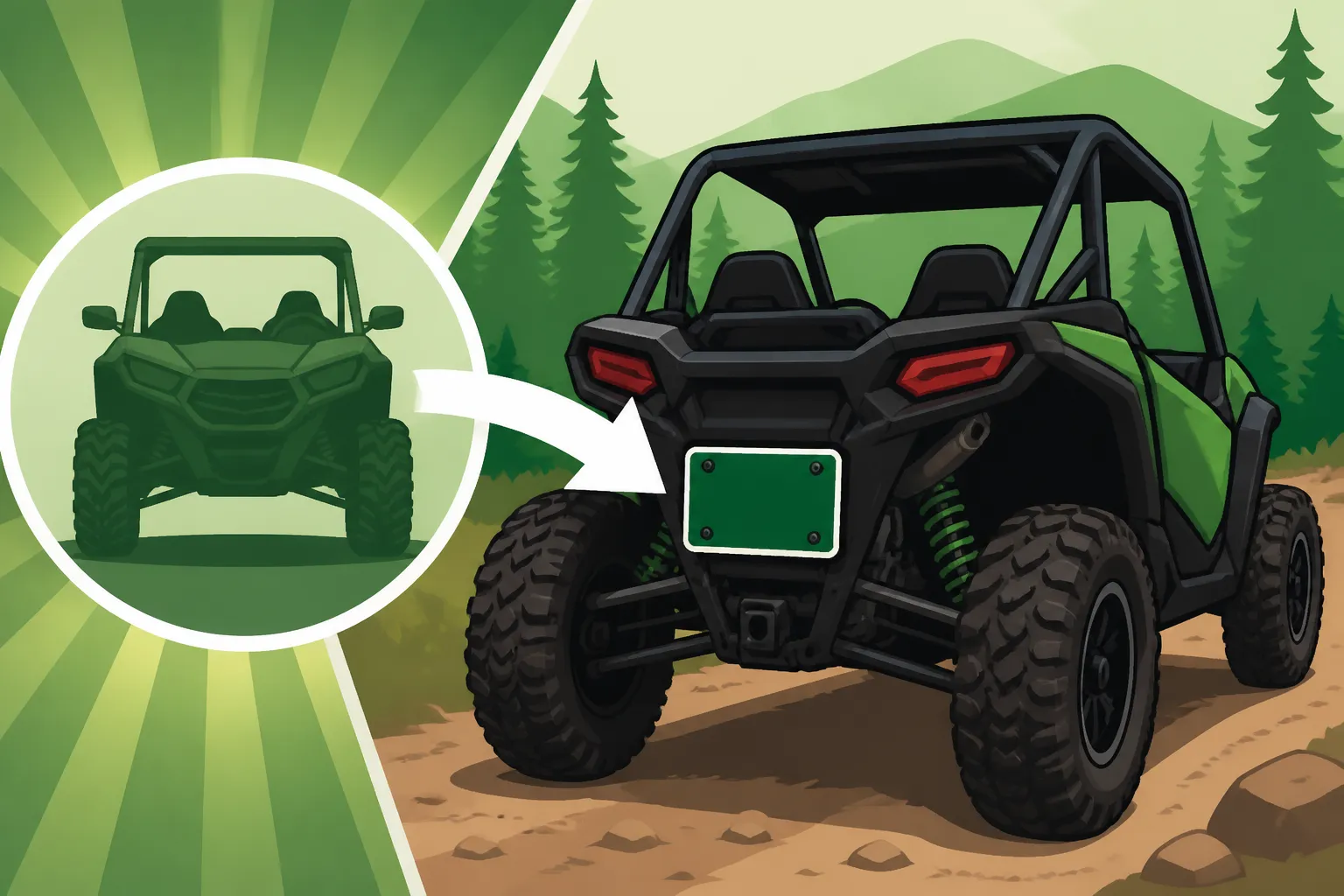
Why Vermont Plates Mount on the Rear
Navigating the specific rules for your ATV in Vermont can sometimes feel like trying to read a muddy trail map in a downpour. One common question that pops up for riders, especially those new to the Green Mountain State or just getting their first machine, is all about where that official registration plate actually goes. Unlike some other states or even certain types of vehicles, Vermont has a pretty clear directive for ATVs: your plate belongs on the rear. This guide is here to untangle the why behind that rule, what it means for you on the trails and roads, and how to make sure you're always riding compliant.
Understanding Vermont's ATV Plate Requirement
So, you’ve got your shiny new (or new-to-you) ATV, you’ve gone through the steps to get it registered, and now you’ve got this official plate in your hand. The natural question is, where exactly do you put it? For all-terrain vehicles in Vermont, the answer is consistently and unequivocally, on the rear. This isn't just a suggestion; it's a fundamental part of the state's vehicle registration laws designed for clarity and enforcement.
The Fundamental Rule for ATV Plates
Vermont's Department of Motor Vehicles (DMV) is quite explicit when it comes to ATV plate placement. The rule states that the registration plate must be securely attached to the rear of the ATV. This directive is often reiterated in official documentation, like the VD-119i form, which provides instructions for off-highway recreational vehicles. It's about creating a uniform system where law enforcement, trail wardens, and even other riders can quickly and easily identify a registered machine. Imagine a warden trying to check plates on a busy trail; if plates were haphazardly placed, it would be a nightmare. This consistency makes everyone's job a little easier and helps ensure that only legally registered machines are out enjoying Vermont’s beautiful landscapes. You'll find this guidance consistently applied, tying directly into the broader understanding of [Vermont ATV Plates and Where They Go].
This strict rear-placement rule isn't unique to ATVs, but it's particularly vital for them given the environments they operate in. When you're out on the VASA trail system, you're often riding in a line, or passing other machines. A rear-mounted plate means your registration is visible to anyone coming up behind you, or to a warden observing from a vantage point. It removes any guesswork and establishes an immediate visual cue for legality. Think of it as your ATV's official identification tag, prominently displayed for all to see, much like a license plate on a car, just positioned differently to suit the vehicle type and its use.
Why Rear Mounting is the Standard
The reasons behind the rear-mounting standard are rooted in practicality, visibility for enforcement, and rider safety. Firstly, visibility: on trails, especially when moving through wooded areas or in single file, the rear of the machine is typically the most consistently visible point. A front plate might get obscured by mud, branches, or even accessories like winches or cargo racks. A plate on the side could be missed entirely depending on the angle. By mandating rear placement, the DMV ensures that the critical identification information—your registration number—is always in plain sight for anyone who needs to see it, whether it's a state trooper, a local constable, or a VASA trail warden checking for compliance. This helps them confirm your machine is legally allowed to be on designated trails or open town roads.
Secondly, consistency in enforcement is a huge factor. When every ATV follows the same rule, it streamlines the process for wardens and law enforcement officials. They know exactly where to look to verify registration, which makes their job more efficient and helps deter unregistered machines from using public trails. This standard simplifies roadside stops or trail checks, reducing confusion and potential delays for riders. It also plays a role in safety, as clear identification can be crucial in the event of an incident or if a machine is reported stolen. Having a standardized location for the plate aids in rapid identification and response, benefiting the entire riding community. It’s all part of the larger framework of [Vermont ATV Equipment Requirements] designed to keep everyone safe and accountable.
Practical Implications of Rear Plate Mounting
Once you understand why the plate goes on the rear, the next step is figuring out how to ensure it's always visible and secure, no matter where your Vermont adventures take you. The challenges of off-road riding—mud, dust, snow, and rough terrain—can all conspire to obscure or even damage your plate if you’re not prepared.
Ensuring Plate Visibility and Legibility
Vermont’s trails are renowned for their beauty, but they can also be notoriously muddy, especially after a good rain or during spring thaw. This presents a real challenge for rear-mounted plates. Mud and trail grime can quickly cake over your plate, making it unreadable. The law is clear: your plate must be visible and legible at all times when riding on registered trails or designated town roads. This means you, as the rider, have a responsibility to keep it clean. It’s not just about avoiding a ticket; it's about being a responsible member of the riding community. A warden can issue a citation if your plate isn't readable, so packing a small brush or a rag to quickly wipe it down during a ride is a smart move. After a particularly muddy excursion, a thorough cleaning of your machine, including the plate, is essential. This ties into the advice on [Keeping a Plate Readable in Mud].
Beyond mud, consider other factors like snow or even accidental damage from branches. While snow riding might offer different visibility challenges, the principle remains the same. Your plate needs to be clear. Some riders opt for plate frames or clear covers, but be cautious with these; ensure they don't obscure any part of the plate number or state identifier. The goal is to enhance visibility and protection without hindering legibility. A proactive approach to maintaining a clean and visible plate shows respect for the rules and for the efforts of the clubs and landowners who make the trail system possible.
Mounting Considerations and Best Practices
Simply slapping the plate on with a couple of zip ties might seem like a quick fix, but it's rarely the best or most durable solution for off-road conditions. For secure and compliant mounting, you'll want to use a sturdy bracket and appropriate hardware. Many ATVs come with pre-drilled holes or designated areas for plate attachment, making the process straightforward. However, if your machine doesn’t, you may need to invest in an aftermarket bracket. These are designed to withstand vibrations and impacts common to trail riding. When selecting a bracket, look for one that positions the plate flat against a surface, or at a slight upward angle, to prevent it from getting snagged on brush or bent when backing up. Make sure all nuts and bolts are tightened securely, perhaps with a little thread-locker, to prevent them from vibrating loose on rough terrain. A loose or dangling plate can easily be lost or damaged, leading to another headache of getting a replacement and potentially riding illegally in the interim. Following guidelines on [Mounting a Bracket That Meets the Rule] can save you a lot of trouble.
It's also worth considering the material of your bracket. Metal is generally more durable than plastic, especially for the robust demands of Vermont's trails. Think about how the plate will be illuminated if you plan to ride after dark on designated routes; a clear, unobstructed view of the plate is just as important at night as it is during the day. Some riders even add supplementary lighting focused on the plate for enhanced night visibility, which can be a good safety measure and helps with compliance.
Exceptions and Local Ordinances
While the statewide rule for Vermont ATV plates is firmly set on rear mounting, the Green Mountain State is also known for its local control. This means that certain towns might have their own specific ordinances that could introduce additional requirements, creating a nuanced landscape for riders.
When a Front Plate Might Be Required
This is where things can get a little interesting and why "know before you go" is critical. While your state registration plate goes on the rear, some Vermont towns, like Brighton, have local ordinances that require an additional plate to be displayed on the front of your ATV when riding on their designated town roads. These aren't state-issued plates but rather specific to the town, often a decal or a small, locally-produced identifier. The reasoning behind these local rules often stems from unique community needs, such as easier identification of machines when approaching from the front in a village setting, or to manage local trail access and enforce town-specific curfews or speed limits. It's an extra layer of identification that allows local law enforcement or town officials to quickly verify if an ATV is authorized to be on their roads without having to wait for it to pass by. This is explicitly covered in topics like [Why Brighton Asks for a Front Plate Too] and [Vermont Towns That Ask for a Front Plate].
It's important to stress that these local front plate requirements are in addition to your state-mandated rear plate, not a replacement for it. You would still need your official Vermont DMV registration plate on the rear. Failing to display both, if required by a specific town, could lead to a local ordinance violation, separate from any state registration issues. Always remember that riding your ATV responsibly means not just adhering to state laws but also respecting the unique rules set by the local communities you ride through.
The Importance of Local Research
Given the potential for town-specific rules, simply knowing the state law isn't always enough to ensure full compliance. Before you embark on an ATV adventure that takes you through various towns, it is absolutely essential to do your homework and research the local ordinances for each municipality you plan to ride in. This includes checking their websites, contacting town clerks, or consulting the local VASA club for information on designated routes and any special requirements. Many VASA clubs, which maintain and manage the trails, are excellent resources for up-to-date information on local regulations, as they work directly with towns. For example, if you're exploring the Northeast Kingdom, don't assume the rules in Island Pond are identical to those in Newport City. Each town’s selectboard has the authority to set its own parameters for ATV access on town roads.
Riding in Vermont is a privilege largely made possible by the cooperation of private landowners and local communities. Respecting their rules, even when they differ from the statewide standard, is fundamental to maintaining these riding opportunities. Ignoring local ordinances can not only result in fines but can also lead to negative perceptions of ATV riders, potentially jeopardizing future trail access for everyone. Taking the time for this local research is an act of good faith and responsible riding.
The Bigger Picture: Vermont's Registration System
Understanding where your plate goes is just one piece of the puzzle that is Vermont's ATV registration system. The plate itself is a tangible symbol of your machine's legal status, connecting directly to a series of requirements and procedures designed to ensure safe and responsible off-road vehicle use across the state.
Connecting Plate Placement to Overall Registration
Your rear-mounted plate is the visible proof that your ATV has gone through the full registration process with the Vermont DMV. This process involves more than just paying a fee; it includes verifying ownership, ensuring the machine meets the state's definition of an ATV, and often involves navigating purchase and use tax obligations. The registration plate signifies that you've completed these steps and that your machine is legally recognized to operate on the VASA trail system and any town roads designated for ATV use. Without a valid, properly displayed registration plate, even if you’ve paid the fees, you risk being in violation of state law. Think of it this way: the plate is the badge that confirms your machine is ready for legal adventure. It's a critical outcome of completing steps like those outlined in [How to Register an ATV in Vermont] and understanding the [Vermont ATV Registration Cost].
Furthermore, the plate directly links your machine to official records, making it easier for authorities to track machines, enforce rules, and, in unfortunate circumstances, identify vehicles involved in accidents or thefts. The integrity of the plate system is a cornerstone of the state's efforts to manage ATV recreation effectively. It's not just a piece of metal; it's an essential component of the regulatory framework that makes organized ATV riding in Vermont possible. If you ever need to apply for an official document like a bill of sale or an affidavit of ownership to support your registration, services like LawDepot can provide customizable templates to ensure your paperwork is thorough and legally sound. This attention to detail in your documentation supports your registration and plate issuance.
What Happens If Your Plate Isn't Compliant
Riding with an improperly placed, obscured, or missing registration plate in Vermont can lead to consequences ranging from a warning to a substantial fine. Law enforcement officials, including state troopers, county sheriffs, local constables, and especially VASA trail wardens, are authorized to check for compliance. If your plate is caked in mud and unreadable, or if it's placed incorrectly (for instance, on the front when only a rear plate is legally required by the state), you could be pulled over and cited. The severity of the penalty can vary depending on the specific violation, whether it's a first offense, and the discretion of the enforcing officer. Repeated offenses or outright riding an unregistered machine could lead to more significant fines and even impoundment of your ATV. Remember, wardens on the trail are there to ensure everyone is riding safely and legally, and a visible plate makes their job of ensuring compliance much easier. This is part of what [What a Warden Can Ask to See] covers.
Beyond the immediate legal repercussions, non-compliance also undermines the trust between riders, landowners, and the communities that host the VASA trail system. Every violation, no matter how minor, contributes to the perception that ATVs are unregulated or difficult to manage, which can unfortunately lead to calls for stricter regulations or even trail closures. Adhering to simple rules like proper plate placement is a small but vital way to support the future of ATV riding in Vermont. If you're using resources like LawDepot for other legal documents related to your ATV, maintaining compliance with all registration aspects, including plate display, reinforces your commitment to responsible ownership.
Here's a quick reference on standard plate requirements:
| Aspect | Vermont State Rule for ATVs | Specific Local Exceptions (Example: Brighton) |
|---|---|---|
| Primary Plate Location | Rear of the machine, securely attached. | Rear plate still required. |
| Additional Plate | Not required by state law. | May require a local front plate/decal. |
| Visibility | Must be clearly visible and legible at all times. | Both front and rear plates must be legible. |
| Purpose | State registration proof. | Local access verification, ordinance enforcement. |
| Enforcement | State police, wardens, local law enforcement. | Local constables, town officials. |
Disclaimer
This article is for general informational purposes only and does not constitute professional advice. Laws, prices and regulations vary by location and change over time. Consult a qualified professional for guidance on your specific situation.