The $211 ASV Two-Year Fee
It's easy to feel a bit overwhelmed when trying to make sense of Vermont's off-road vehicle registration system, especially when you're looking at the longer-term options. Many folks just want to hit the trails without getting tangled in red tape, but understanding the nuances between ATVs and ASVs, and their respective costs, can be a real head-scratcher. This guide is going to simplify everything you need to know about the $211 Vermont ASV two-year registration fee, why it's applied, and how to navigate the process for your Class A machine so you can spend less time worrying and more time riding.
What Defines a Vermont ASV and Why the $211 Fee Applies
When you're looking at registering your off-road machine in Vermont, one of the first hurdles is understanding how the state categorizes vehicles. It's not just a matter of "quad" or "side-by-side" – the Vermont Department of Motor Vehicles (DMV) has specific definitions that directly impact your registration fees and requirements. The $211 fee isn't arbitrary; it's tied directly to how your vehicle is classified.
Decoding Vermont's ASV Class A Definition
Let's cut through the jargon. In Vermont, an "All-Terrain Vehicle" (ATV) has a specific legal definition, and then there's a sub-category known as "All-Terrain Vehicle, Class A" or ASV. This Class A designation is crucial because it's what triggers the higher registration fee. Typically, an ASV refers to what many of us commonly call a side-by-side or UTV, especially those that are larger and often designed to carry multiple passengers or heavier loads.
The key differentiators often revolve around width and weight. While standard ATVs usually fall under a certain size, ASVs are the machines that often exceed those measurements. For instance, you'll want to be familiar with [Vermont's 72-Inch, 2,500-Pound ATV Definition]. If your machine is wider than 72 inches or weighs more than 2,500 pounds (dry weight, not curb weight with fuel and accessories), it's highly likely to fall into the ASV Class A category. This distinction isn't just for paperwork; it’s about how the state views the vehicle's footprint on the trail and its potential impact, influencing everything from trail access to fees. Understanding this definition is the very first step in comprehending why you're looking at the $211 fee for a two-year registration.
The Rationale Behind the $211 Two-Year Cost
Now that we understand what an ASV (Class A) is, let's talk about the cost. Why $211 for two years? The simplest answer is that ASVs are generally larger, heavier, and often more complex machines than traditional ATVs. Vermont's fee structure reflects this difference. While a standard ATV might cost you [The $90 Two-Year Fee], the ASV incurs a higher charge. This is a direct result of [How the ATV and ASV Classes Change Your Fee]. The state's reasoning often boils down to factors like maintenance of trail systems that can accommodate wider and heavier vehicles, and potentially higher perceived impact on public infrastructure or land.
Opting for the two-year registration period offers a convenience many riders appreciate. Instead of remembering to renew every single year, you get to set it and forget it for 24 months. While the upfront cost of $211 might seem like a jump compared to a single year's registration, it consolidates your administrative tasks. The fee covers your right to operate on designated public trails and roads, and it includes the administrative overhead for the state to process and issue your registration and plate for that extended period. It's Vermont's way of categorizing and funding the recreational use of these diverse off-road vehicles.
Navigating the ASV Two-Year Registration Process
Registering an ASV in Vermont, especially for the two-year period, requires a bit of preparation, but it’s definitely manageable. Knowing what to expect and having your ducks in a row can save you a ton of time and frustration at the DMV. Let’s walk through the exact steps and what you'll need to successfully get your ASV on the Vermont trails.
Step-by-Step for a Smooth Two-Year Registration
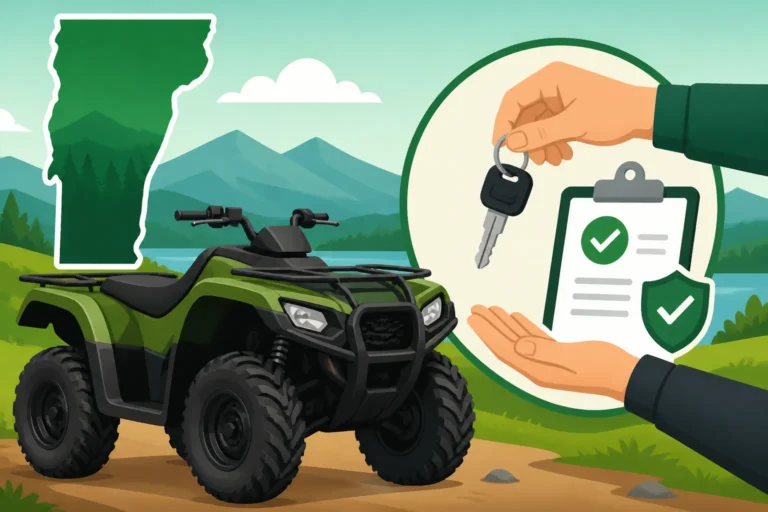
The registration process for your Vermont ASV starts with gathering the correct documentation. Think of it like putting together a puzzle; each piece is necessary for the full picture. First and foremost, you'll need solid proof of ownership. This typically means an original Manufacturer's Certificate of Origin (MCO) for a brand-new machine, or a properly executed bill of sale and previous registration for a used machine. If you're buying privately, ensure the seller provides a comprehensive bill of sale, and remember that resources like LawDepot can help you generate legally sound documents if you're drafting one yourself.
Next, you'll need the correct form. The primary document for registering an off-road vehicle in Vermont is Form VD-119, the "Vermont Application for Registration and Title for All-Terrain Vehicles (ATV) or Snowmobiles." When you fill this out, make sure to clearly indicate that you are applying for a two-year registration for an ASV. The instructions, often found in [VD-119i and What It Explains], are your best friend here, so read them carefully. Don't forget your identification and proof of Vermont residency if applicable. This [Vermont Registration Paperwork Checklist] will be invaluable in ensuring you haven't missed anything. It's far better to double-check everything at home than to be turned away at the counter because of a missing signature or piece of paper.
What to Expect: Documents, Payments, and Processing Time
Once you have all your documents ready – your ownership proof, the filled-out Form VD-119, and your identification – you’re ready to submit. You can typically do this in person at a Vermont DMV office or by mail. For many, going in person offers peace of mind, as you can resolve any immediate issues with a clerk. Make sure to have your payment method ready for the $211 fee. [Vermont ATV Registration Payment Methods] usually include cash, check, or credit/debit card, but it’s always wise to confirm with your specific DMV location beforehand.
The actual [Vermont ATV Registration Processing Time] can vary. If you register in person, you often walk out with your temporary registration and plate on the same day. For mailed applications, it might take a few weeks for the paperwork to be processed and your plate and permanent registration card to arrive via mail. Don't be surprised if your actual plate is mailed separately from your registration card. Keep a copy of your application and proof of payment handy until everything officially arrives. Your two-year registration period will start from the date of issuance, giving you peace of mind on the trails for a good long while.
Common Questions and Avoiding Pitfalls with Your $211 ASV Registration
Even with all your ducks in a row, a few common questions and potential pitfalls can pop up when dealing with ASV registration in Vermont. Two of the biggest areas of confusion for many riders revolve around taxes and what happens if you decide to sell your machine down the line. Being prepared for these scenarios will make your experience much smoother.
Understanding Purchase and Use Tax with Your ASV
One of the most frequently asked questions at the DMV counter concerns Vermont's Purchase and Use Tax. This isn't just a fee; it's a tax that applies to the purchase price of your ASV, similar to sales tax, but paid directly to the state when you register your machine. Even if you bought your ASV from a private seller, you’re still generally subject to this tax. This is often a surprise for people buying used machines, so it's essential to factor it into your budget when calculating the total cost of ownership. For a detailed breakdown, you'll want to look at [Vermont Purchase and Use Tax on an ATV].
The tax amount is typically a percentage of the purchase price, and it applies whether you bought your machine new from a dealer or used from an individual. If you purchased your ASV out-of-state and bring it to Vermont for registration, the tax still applies, though there might be credit for taxes paid in another state if that state has a similar tax. There are specific situations where you might be exempt, such as if you received the ASV as a gift from an immediate family member. [Vermont Tax on a Private ATV Sale] and [Vermont Tax on an Out-of-State Purchase] dive deeper into these specifics. Always be prepared to declare the purchase price and have documentation (like a bill of sale, which you can create using a template from a service like LawDepot) to support that value. This helps avoid delays and ensures you pay the correct amount.
What if Your ASV Ownership Details Change?
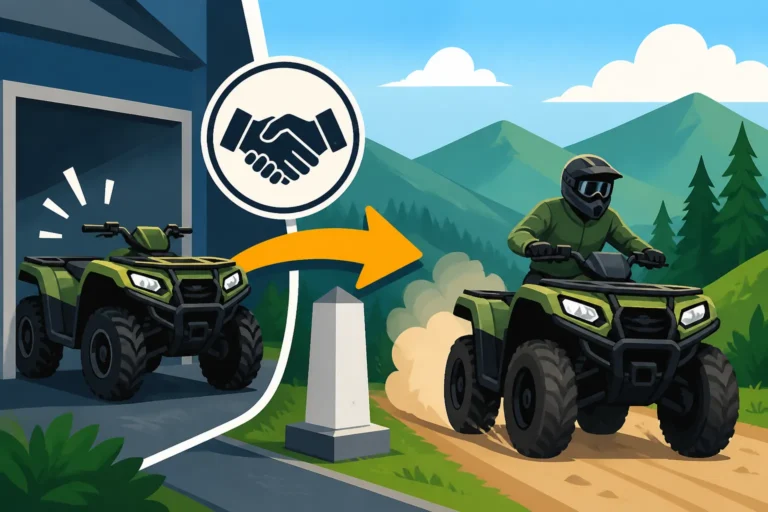
Life isn't static, and neither are your possessions. What happens if you get your ASV registered for two years, pay your $211, and then decide to sell it, or perhaps you inherit a machine? Vermont has procedures in place for these situations. If you sell your ASV, the registration does not automatically transfer to the new owner. They will need to register it in their name. However, you can transfer the remainder of the registration period to another machine you own for a small fee, typically [Vermont Registration Transfer for $10]. This means if you sell your ASV and buy a new one within the two-year period, you might not have to pay the full new registration fee for your replacement machine right away.
When it comes to proving ownership for a new owner or if you're dealing with an inherited machine, accurate paperwork is paramount. A clear [Writing a Bill of Sale the Vermont DMV Accepts] is essential for a private sale. For situations involving an inheritance, additional documentation like a will or an affidavit might be necessary. Getting a [Vermont Title for an Off-Road Vehicle] is also a separate but related process, and if that title ever gets lost, you'll be looking at a [Vermont Replacement Title Cost]. Keeping good records and understanding these procedures will ensure a smooth transition, whether you're selling your ASV or bringing a new one into your adventurous life.
| Feature / Fee Type | Standard ATV (One Year) | Standard ATV (Two Years) | ASV Class A (One Year) | ASV Class A (Two Years) |
|---|---|---|---|---|
| Registration Fee | $45 | $90 | $108 | $211 |
| Primary Benefit | Annual renewal | Long-term convenience | Accommodates larger UTVs | Extended convenience, larger machine |
| Common Machines | Quads, smaller side-by-sides | Quads, smaller side-by-sides | Wider UTVs, multi-passenger | Wider UTVs, multi-passenger |
| Key Differentiator | Size/Weight | Size/Weight | Exceeds 72" or 2,500 lbs | Exceeds 72" or 2,500 lbs |
| Renewal Cycle | Every 12 months | Every 24 months | Every 12 months | Every 24 months |
Disclaimer
This article is for general informational purposes only and does not constitute professional advice. Laws, prices and regulations vary by location and change over time. Consult a qualified professional for guidance on your specific situation.