Vermont Title Application Steps
Applying for an ATV or UTV title in Vermont can feel like navigating a dense forest without a compass, especially if you're new to the Green Mountain State or just purchased your first machine. Between understanding what forms you need and making sure you have all the right documents, it’s easy to get overwhelmed by the process. This comprehensive guide is here to demystify those Vermont title application steps, walking you through everything you need to know to secure your off-road vehicle's official paperwork.
Understanding Vermont's Titling Requirements for ATVs and UTVs
Before you even think about filling out forms, it’s important to understand why Vermont requires titles for off-road vehicles like ATVs and UTVs. Many folks assume a registration is all you need, but a title is the official proof of ownership. It's the paper trail that says, definitively, this machine belongs to you. This becomes incredibly important for a few key reasons: protecting your investment, simplifying future sales, and avoiding headaches with legal situations.
Without a clear title, proving ownership can become a nightmare. Imagine trying to sell your well-loved side-by-side only to find the buyer can't get it registered because the ownership chain is broken. Or worse, if your machine is ever stolen, having a title is crucial for law enforcement to track it down and for your insurance company to process a claim. Even for something as simple as securing a loan against your machine, a title is usually a prerequisite. Vermont's Department of Motor Vehicles (DMV) uses the title as a cornerstone for establishing legal ownership, ensuring that when you do [Registering an ATV With the Vermont DMV], everything is above board.
When a Title Is Necessary
Not every off-road machine in Vermont absolutely requires a title, but most newer ATVs and UTVs do. Generally, if your ATV or UTV is newer than a certain model year (this often fluctuates, so it's best to check with the DMV directly), it will need a title. Older machines might be exempt, but even then, many owners opt to get a title voluntarily for the peace of mind and benefits it provides.
For example, if you've purchased a brand-new ATV from a dealer, they'll typically handle much of the initial title application paperwork for you, simplifying your life considerably. They're well-versed in what the DMV needs. However, if you're buying a used machine from a private seller, the burden of applying for the title often falls directly on your shoulders. This is where many riders hit a snag, unsure of what documents to ask for from the previous owner. It's a critical step that ensures your ownership is legally recognized, laying the groundwork for things like [Vermont Registration and Lien Records] if you're financing your purchase.
The Benefits of a Clear Title
Having a clear title goes beyond just meeting a legal requirement; it offers several practical advantages for every ATV and UTV owner. Think of it as your machine's birth certificate and deed rolled into one. First, it prevents disputes over ownership. If there's ever a question about who legally owns the ATV, the title provides an undeniable answer. This is particularly relevant if you're dealing with multiple parties or if the machine has changed hands several times.
Second, a title greatly simplifies the process of selling your ATV or UTV down the road. Most buyers, especially those who plan to register the machine in Vermont, will insist on seeing a clean title. It assures them they won't face any unexpected hurdles when they try to register it in their name. A machine without a title can be much harder to sell and often commands a lower price because of the perceived risk and hassle involved. Finally, a title is often a prerequisite for obtaining full coverage insurance on your ATV, protecting your significant investment against theft, damage, or other unforeseen events. It’s a small piece of paper that carries a lot of weight.
Gathering Your Essential Paperwork for the DMV
The Vermont DMV is very particular about documentation when it comes to titling any vehicle, and your ATV or UTV is no exception. Walking in unprepared is a surefire way to have your application delayed or rejected. The key to a smooth process is gathering all your ducks in a row before you even set foot in an office or mail anything. This means having original documents, not just copies, and ensuring all names, VINs, and dates match perfectly across every piece of paper. Any discrepancy can cause a holdup, and believe me, nobody wants that!
Proof of Ownership: The Cornerstone
The most crucial piece of documentation you'll need is undeniable proof that you are the rightful owner of the ATV or UTV. What constitutes "proof of ownership" can vary depending on how you acquired the machine.
-
For a New ATV Purchased from a Dealer: If you bought your machine new from a licensed dealer, you'll typically receive a Manufacturer's Certificate of Origin (MCO), sometimes called an MSO (Manufacturer's Statement of Origin). This is the original document issued by the manufacturer, attesting to the vehicle's first ownership. The dealer will usually complete sections of this for you and may even submit it directly to the DMV on your behalf. Keep this MCO like gold; it’s the cleanest form of ownership proof. Make sure the VIN on the MCO matches your machine exactly. You can learn more about this by reading [An MCO at the Vermont DMV Counter].
-
For a Used ATV Purchased from a Private Seller: This is where it can get a little trickier. You'll need the previous owner's signed title. Make sure their name on the title matches their ID, and that the title has been properly assigned to you with all fields filled out, including the odometer reading (if applicable for ATVs/UTVs). In addition, a comprehensive bill of sale is absolutely essential. This document should include:
- The date of sale.
- The full names and addresses of both buyer and seller.
- The make, model, year, and VIN (Vehicle Identification Number) of the ATV/UTV.
- The agreed-upon purchase price.
- Signatures of both parties.
A good bill of sale protects both you and the seller. If you’re looking for a reliable template, services like LawDepot can help you generate a legally sound [Writing a Bill of Sale the Vermont DMV Accepts] that includes all the necessary details.
-
What if There's No Title for an Older Machine? For older ATVs or UTVs that predate Vermont's titling requirements, or if the title was simply lost over time, the process is different. You might need to provide a bill of sale, along with a completed [Filing an Ownership Affidavit at the Vermont DMV]. This affidavit essentially states under oath that you are the rightful owner and explains why a title isn't available. The DMV will review these on a case-by-case basis. This is a common situation for machines that have been passed down through generations or purchased from owners who bought them before titling was routine.
Proving Residency and Identity
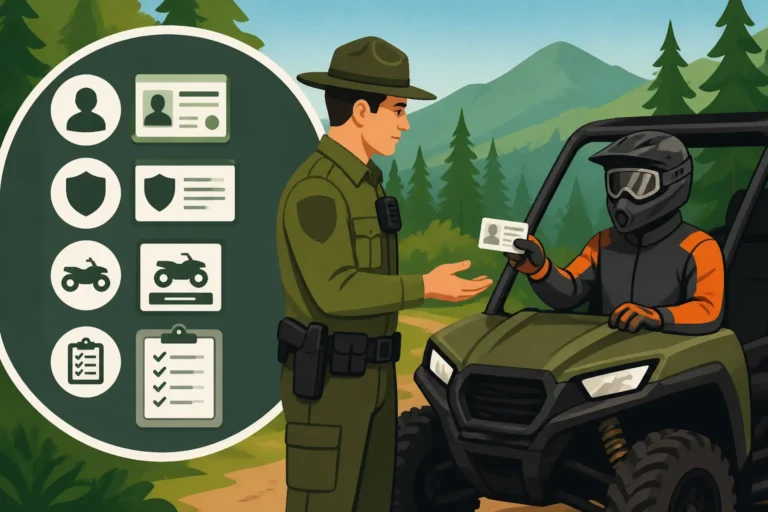
Just like with any official government transaction, you’ll need to prove who you are and that you reside in Vermont. This usually means presenting a valid photo ID, such as a Vermont driver's license or state-issued identification card. If your ID doesn't have your current Vermont address, you'll need to provide supplementary proof of residency.
Common examples include:
- Utility bills (electricity, gas, landline phone, internet)
- A current lease agreement or mortgage statement
- A bank statement showing your Vermont address
- A pay stub with your Vermont address
Make sure these documents are recent, typically within the last 60 days. The DMV wants to ensure that the person applying for the title is indeed a Vermont resident and that the address on file is accurate for mailing your new title and other correspondence. This step is important, especially if you're a [Vermont ATV Registration for a New Resident] who just moved to the state.
Sales Tax Documentation
Vermont imposes a Purchase and Use Tax on most ATV and UTV purchases. When you apply for your title, you'll either need to pay this tax or provide proof that it has already been paid or that you're exempt.
- Dealer Purchases: If you bought from a Vermont dealer, they will typically collect the sales tax at the time of purchase and remit it to the state. Your purchase invoice or bill of sale from the dealer should clearly show this transaction.
- Private Sales: If you bought from a private seller, you are generally responsible for paying the Purchase and Use Tax directly to the DMV when you apply for your title. The tax amount is calculated based on the purchase price you declared on your bill of sale.
- Out-of-State Purchases: If you purchased your ATV or UTV outside of Vermont and are now bringing it into the state, you might still be subject to Vermont's Purchase and Use Tax. The DMV often grants a credit for any sales tax you paid in another state, but you’ll need to provide proof of that payment. Otherwise, you’ll pay the Vermont tax on the declared purchase price. Don't forget to look into [Vermont Tax on an Out-of-State Purchase].
- Exemptions: There are certain exemptions to the Purchase and Use Tax, such as gifts between immediate family members. If you’re claiming an exemption, you'll need to complete an affidavit or provide documentation proving your eligibility, such as a gift affidavit. Make sure to check [Vermont Purchase and Use Tax Exemptions] for specific criteria.
Completing the Vermont Title Application Form
Once you have all your supporting documents in hand, the next critical step is accurately filling out the Vermont Title Application form itself. This form is usually designated as VD-119, the Vehicle Registration/Tax/Title Application. It's comprehensive, so take your time and ensure every field is completed legibly and correctly. Mistakes here are a primary cause of processing delays.
Section by Section Breakdown
The VD-119 form will ask for a lot of information, broken down into various sections. Here's a general overview of what you can expect:
- Applicant Information: This section is all about you, the new owner. You’ll need to provide your full legal name, current Vermont address, mailing address (if different), date of birth, and driver’s license number. If there are multiple owners, all owners will need to be listed here.
- Vehicle Information: This is where you detail your ATV or UTV. You'll need the make, model, year, body type (often "ATV" or "UTV"), fuel type, and, most importantly, the Vehicle Identification Number (VIN). Double-check the VIN against your machine's frame and your proof of ownership documents. A single digit off can invalidate your application. You'll also typically need the gross weight, which can often be found in your owner's manual or on a sticker on the machine.
- Purchase Information: Here, you'll record the date of purchase, the name and address of the seller, and the purchase price. This information is crucial for calculating the Purchase and Use Tax. If you're using a bill of sale created with tools like LawDepot, ensure these details match exactly.
- Lienholder Information (if applicable): If you financed your ATV or UTV, the lender (e.g., a bank or credit union) will have a lien on the vehicle. You'll need to provide their full name and address in this section. The title will be issued with the lienholder listed, and they will often hold the physical title until the loan is paid off.
- Signature(s): Finally, you'll sign and date the application, affirming that all the information provided is true and accurate to the best of your knowledge. If there are multiple owners, all must sign.
It's a good idea to review [Filling Out Vermont's Form VD-119] for more in-depth guidance on each specific field.
Common Mistakes to Avoid
Even with the best intentions, it’s easy to make small errors that can prolong the titling process. Here are some of the most common pitfalls to watch out for:
- Incomplete Information: Failing to fill out every required field. If a section doesn't apply to you, write "N/A" (not applicable) rather than leaving it blank.
- Illegible Handwriting: If the DMV clerk can't read your writing, they can't process your form. Print clearly using black or blue ink.
- Incorrect VIN: A VIN mismatch is a major red flag and will cause immediate rejection. Triple-check this against the physical machine and all documentation.
- Missing Signatures: Ensure all parties required to sign have done so, especially if it's a multi-owner vehicle or if the previous owner needed to sign the title assignment.
- Discrepancies Between Documents: Make sure the names, addresses, dates, and VINs on your application match your proof of ownership, ID, and tax documents. Consistency is key.
- Forgetting the Tax: Many people forget about the Purchase and Use Tax or incorrectly assume it's included. Be prepared to pay this fee or prove exemption when you submit your application.
Submitting Your Application and What Comes Next
You've gathered all your documents, carefully filled out the form, and double-checked everything. Now it’s time to submit your application to the Vermont DMV. There are typically a couple of ways to do this, each with its own advantages and considerations.
How to Submit Your Application
- In Person at a DMV Office: This is often the preferred method for many, especially if you have questions or want immediate feedback. You can bring all your documents to your nearest Vermont DMV office. A clerk can review your application on the spot, point out any errors, and ensure you have everything needed. This can save you the hassle of mail-in rejections. You'll also pay any fees, like the title fee (which is a modest amount, such as [The $27 Title Fee]) and Purchase and Use Tax, directly. Many people choose to make [Appointments at a DMV Office] to avoid long wait times.
- By Mail: If you're not in a rush or prefer the convenience, you can mail your completed application and supporting documents to the Vermont DMV headquarters. Be sure to include a check or money order for all applicable fees, including the title fee and Purchase and Use Tax. It's highly recommended to send important documents via certified mail with tracking, so you have proof of delivery. This method generally takes longer to process compared to in-person submission. Make sure you know [Registering by Mail Versus in Person].
What to Expect After Submission
Once your application is submitted, a bit of patience is required. The DMV will process your paperwork in the order it was received.
- Processing Time: Processing times can vary depending on the time of year and DMV workload. It could take a few weeks for your application to be reviewed and your new title to be issued. The DMV typically doesn't provide real-time updates on individual applications, so avoid calling frequently unless significant time has passed. For a general idea, you might want to look at [Vermont ATV Registration Processing Time].
- Receiving Your Title: If everything is in order, the Vermont DMV will mail your official title certificate to the mailing address you provided on the application. If you financed your machine, the title will likely be sent directly to your lienholder. Keep this document in a safe place, separate from your machine, as it's nearly impossible to ride in Vermont without legal ownership.
- What if There's a Problem? If there's an issue with your application (e.g., missing information, an incorrect VIN, insufficient payment), the DMV will usually contact you by mail, explaining what needs to be corrected. This will, unfortunately, add to your processing time, so it really pays to be meticulous upfront. They might ask for additional documents or clarifications, so be prepared to respond promptly.
Beyond the Title: Registration is Next
It's important to remember that receiving your title is just one part of being road and trail ready. While the title proves ownership, you'll still need to register your ATV or UTV with the Vermont DMV to legally ride it on designated trails or permitted town roads. Registration ensures your machine is recognized by the state for operational purposes, and it's a separate process, although often done concurrently with titling if you're buying a new machine.
The registration process will involve its own fees (such as [Vermont ATV Registration Cost]) and might require proof of insurance. Having a valid title makes the registration process much smoother, as the primary hurdle of proving ownership has already been cleared. So, once that title arrives in the mail, celebrate for a moment, and then start thinking about your [How to Register an ATV in Vermont] so you can hit those beautiful Vermont trails legally and safely!
Table: Vermont ATV/UTV Titling Checklist by Scenario
| Document/Requirement | New Purchase (Dealer) | Used Purchase (Private Seller) | Inherited/Older Machine (No Title) |
|---|---|---|---|
| VD-119 Title Application | Required | Required | Required |
| Manufacturer's Cert. of Origin (MCO) | Required (from dealer) | N/A | N/A |
| Previous Owner's Signed Title | N/A | Required (properly assigned) | N/A (or explain why not available) |
| Bill of Sale (Detailed) | Often provided by dealer | Required (LawDepot recommended) | Highly Recommended |
| Ownership Affidavit (VD-119i) | N/A | Optional (if title lost/missing) | Required (if no title) |
| Proof of Identity | Required | Required | Required |
| Proof of Vermont Residency | Required | Required | Required |
| Payment for Title Fee | Required | Required | Required |
| Payment for Purchase & Use Tax | Often collected by dealer | Required (pay to DMV) | Required (pay to DMV, if applicable) |
| Lienholder Information | Required (if financed) | Required (if financed) | N/A |
Disclaimer
This article is for general informational purposes only and does not constitute professional advice. Laws, prices and regulations vary by location and change over time. Consult a qualified professional for guidance on your specific situation.