Vermont Moose on the Trail
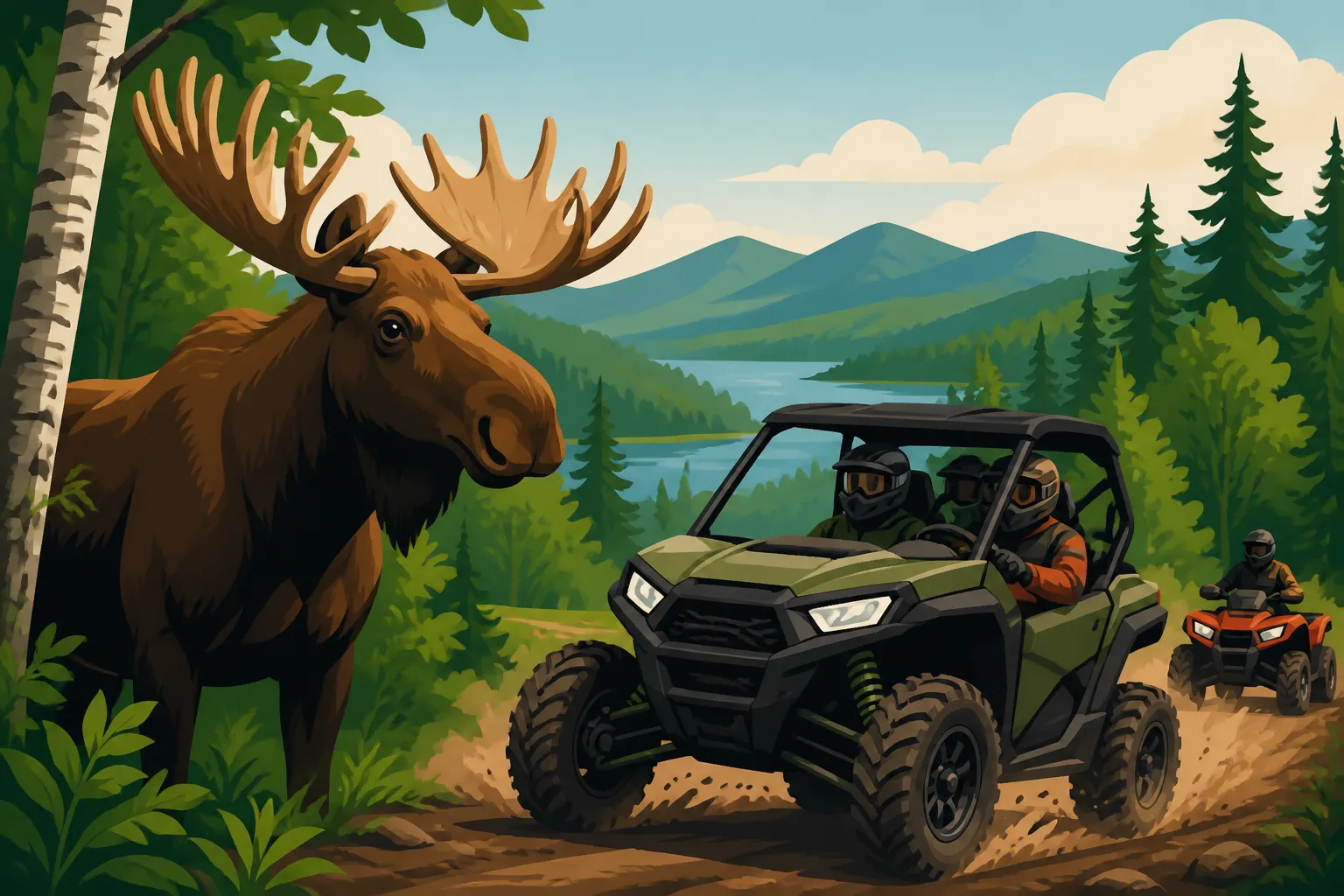
A moose stepping onto a Vermont ATV trail can turn an ordinary ride into a tense few seconds, especially when trees or a bend limit your view. The safest response is to stop early, give the animal plenty of room, and wait for it to leave on its own. This guide explains how to prepare for an encounter, what to watch for, and what to do if a moose approaches.
Why Moose Encounters Happen on Vermont Trails
Where riders may come across a moose
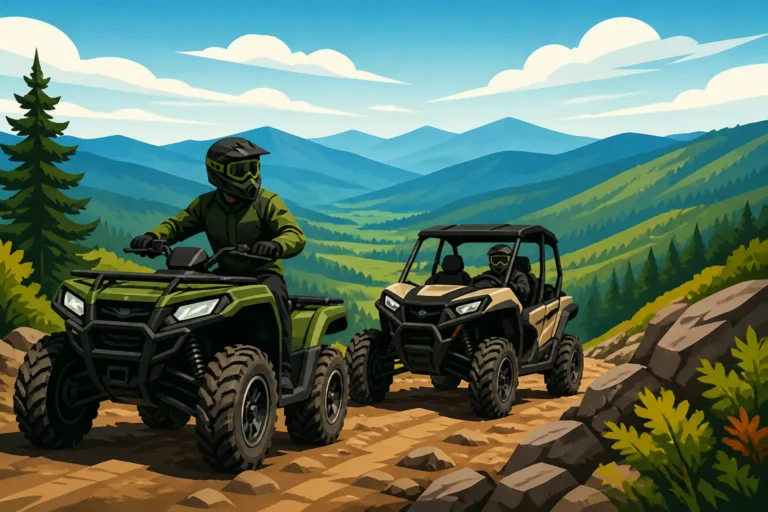
Moose live across parts of Vermont, and riders may encounter them in wooded areas, along wet ground, near openings in the forest, or on quiet roads and trails. The Northeast Kingdom, including parts of Essex and Orleans counties, is often associated with moose habitat, but an animal can appear outside areas riders expect. A trail that looks empty around one bend may bring you close to wildlife around the next.
ATVs and side-by-sides can cover ground quickly, so a rider may have less time to notice a large animal than someone walking. The trail may also be narrow, shaded, or screened by brush. In those conditions, engine noise and a moose’s natural camouflage can make the encounter feel sudden. Riding at a pace that lets you stop within the distance you can see is one of the simplest ways to reduce that risk.
Moose activity can vary with season, time of day, weather, and local conditions. Early morning and evening can be especially difficult for visibility, but there is no time when riders should assume a trail is clear. Before heading into the Northeast Kingdom or other wooded riding areas, review local trail information such as [Vermont ATV Trails in Essex County], [Vermont ATV Trails in Orleans County], and [Vermont Trail Conditions Before You Tow]. Trail information helps with route planning, but it cannot tell you whether wildlife is on the corridor right now.
Why a moose may behave defensively
A moose may be wary, curious, startled, or defensive. It is a powerful wild animal, not a predictable obstacle that will always move away from a vehicle. A close approach can be more dangerous if the moose feels trapped, has a calf nearby, or is surprised at short range. Even a rider who means no harm can unintentionally leave the animal with little room to retreat.
A cow with a calf deserves especially generous space. The calf may be hard to see in brush or behind the adult, and the cow may react strongly if she thinks a person or machine is getting too close. Never ride toward a moose to get a better look, and do not try to pass between an adult and a calf. If you spot one animal, scan the surrounding area carefully before deciding what to do.
Warning behaviors can include ears laid back, a lowered head, stomping, or other agitated movement, but don’t wait for a particular signal before backing off. A moose may react quickly, and signs can be difficult to read from a vehicle. Treat any close encounter as a reason to stop, stay quiet, and increase distance.
What to Do When You See a Moose
Stop, assess, and give it an exit
As soon as you see a moose, slow down and stop at a safe distance. Keep the machine pointed away from the animal so you can leave without having to turn around near it. If other riders are with you, signal them to stop too. Don’t crowd the trail, surround the moose, or let a group fan out for photos.
If the animal is on the trail ahead, give it time and space to move away. Keep your engine quiet if you can do so safely, and avoid revving, honking, shouting, or making sudden movements. Do not approach on foot. A moose may not move just because you are waiting, and that does not mean it is safe to edge closer. If the trail is blocked, turning back may be the right choice.
A useful rule of thumb is to stay at least 100 yards away whenever conditions allow. If the animal changes its behavior because of your presence, you are too close: back away calmly and give it more room. Terrain can make distance hard to judge, so don’t use a number as permission to get closer. The goal is to leave the moose an unobstructed way to move off.
| What you notice | Safer response |
|---|---|
| A moose far ahead on the corridor | Stop, remain quiet, and wait at a distance |
| A moose near a bend or hidden by brush | Slow down, stop where you have visibility, and avoid advancing into the blind area |
| A cow and calf | Give them extra room and never pass between them |
| The animal moves toward your group | Back away without approaching or surrounding it |
| The animal blocks the only visible route | Turn back if you can do so safely; don’t try to squeeze past |
If the moose approaches or seems agitated
If a moose comes toward you, do not move closer to get around it. Slowly retreat, keeping the animal in view without staring it down or making sudden gestures. Put more distance between the group and the animal, and give it an open path away from you. If you are riding with others, keep everyone together and make sure no one tries to approach from another direction.
If the moose charges, get behind substantial cover if you can reach it safely, such as a large tree or another solid barrier. An ATV or UTV should not be treated as reliable protection from a charging animal. Avoid trying to use the machine to scare, block, or push past the moose. Once there is a safe opportunity, move away from the area and do not return to take photos or check whether the animal has left.
A rider may feel pressure to keep the group moving, particularly on a long ride or when daylight is fading. It is still safer to turn around than to force a close pass. Tell the group clearly what you are doing, keep the machines under control, and avoid sudden acceleration. If someone is injured or there is an immediate safety concern, get to a safe location and contact emergency services when possible.
How to Reduce the Chance of a Close Encounter
Ride for visibility, not just trail speed
On a narrow trail, your safe speed depends on how far ahead you can see. Slow down before blind corners, rises, dense brush, and places where a trail crosses wet or wooded ground. Keep enough space between machines that the rider behind you can react if you stop suddenly. A following rider who is focused on your taillights may not see the moose until the group is already close.
Use lights when visibility is poor, and keep your windshield, mirrors, and other equipment from obstructing your view. Avoid riding so close to the edge of a corridor that you cannot see what is ahead. Trail signs and local route information can help you navigate, but they don’t replace careful observation. Review [Vermont Trail Signs and What They Mean] and [Vermont Trail Etiquette on Private Land] before heading out, especially if you are new to the area.
Noise is not a dependable wildlife warning system. A loud machine may not make an animal leave, and startling a moose at close range can make a situation less predictable. Rather than relying on the engine to announce your approach, moderate your speed and stay alert. If brush blocks your view, assume there could be an animal on the other side and approach cautiously.
Plan for limited service and changing trail access
Before leaving, tell someone where you plan to ride and when you expect to return. Carry a charged phone, but don’t assume you will have reliable reception throughout a rural route. In parts of the Northeast Kingdom, cell service can be limited, so offline navigation and a backup plan matter. A tool such as onX Offroad can help you review a planned route and save map information for offline use, but it cannot confirm that a trail is open or show where wildlife is at that moment.
Check trail information shortly before setting out, since access and conditions can change. A corridor may be temporarily closed, rerouted, or affected by weather. Use current local club guidance and signs on the ground, and don’t continue onto an unfamiliar route just because it appears on a map. For broader preparation, see [Vermont Trail Conditions Before You Tow] and [Cell Dead Zones in the Kingdom].
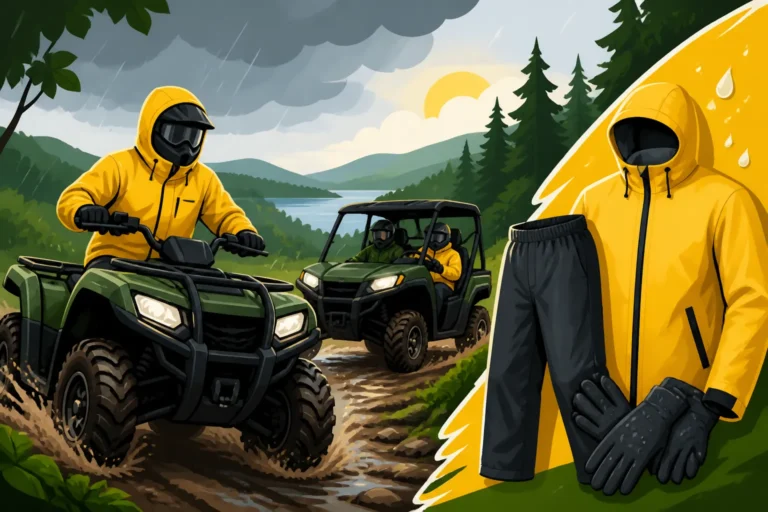
Pack basic supplies in case you need to wait, turn back, or take a longer route out. Water, warm or rain-ready layers, a first-aid kit, and a working light can make an unexpected delay easier to manage. Keep the group’s plan simple: if one rider sees a moose, everyone stops, stays together, and follows the same retreat plan. Discuss that plan before you start the machines, not while the animal is beside the trail.
Common Mistakes and After-Encounter Decisions
Don’t try to get a closer look
Taking a photo can feel harmless, but walking toward a moose or asking a rider to move closer for a better angle creates unnecessary risk. A zoomed photo from a safe distance is a better choice than approaching. Don’t feed the animal, throw anything, or attempt to make it move. The safest wildlife encounter is one in which the animal is left undisturbed.
Another mistake is assuming a moose will always run away. It may stay where it is, move toward cover, or approach if it feels threatened. Riders sometimes interpret stillness as permission to pass, but a stationary animal can still be alert and capable of moving quickly. If there is not ample room, don’t squeeze past or try to herd it off the route.
Avoid splitting up to get around the animal on different sides. That can leave the moose feeling surrounded and can put a rider between an adult and a calf. Keep the group together, retreat the way you came if safe, and choose a different route if the animal continues to occupy the corridor. A planned ride is not worth forcing a close encounter.
When to leave the area or report a concern
Once the moose has moved away, don’t immediately ride after it. Give it time and space to continue on its way, then leave in the opposite direction if that can be done safely. If the animal remains near the corridor, blocks the route, or repeatedly approaches riders, turn back and notify the local trail organization or appropriate wildlife authorities from a safe location. Don’t post precise real-time location details online if doing so could draw people toward the animal.
If a rider is hurt, focus first on getting the group to a safer place and obtaining help. Keep the person warm and still as appropriate, and use the first-aid supplies you brought while arranging assistance. A basic kit and a little preparation can matter when a ride takes you away from roads and services; [First Aid Worth Carrying] is a useful companion topic for planning.
After an encounter, talk through what happened before continuing. Decide whether the route still makes sense, whether visibility or conditions have changed, and whether everyone in the group is comfortable proceeding. If anyone feels rattled, stopping for a break or heading back is a reasonable call. When you ride Vermont’s woods, flexibility is part of being prepared: the route can wait, but the animal needs room.
Disclaimer
This article is for general informational purposes only and does not constitute professional advice. Laws, prices and regulations vary by location and change over time. Consult a qualified professional for guidance on your specific situation.