Who Enforces ATV Rules: Warden or Town Officer?
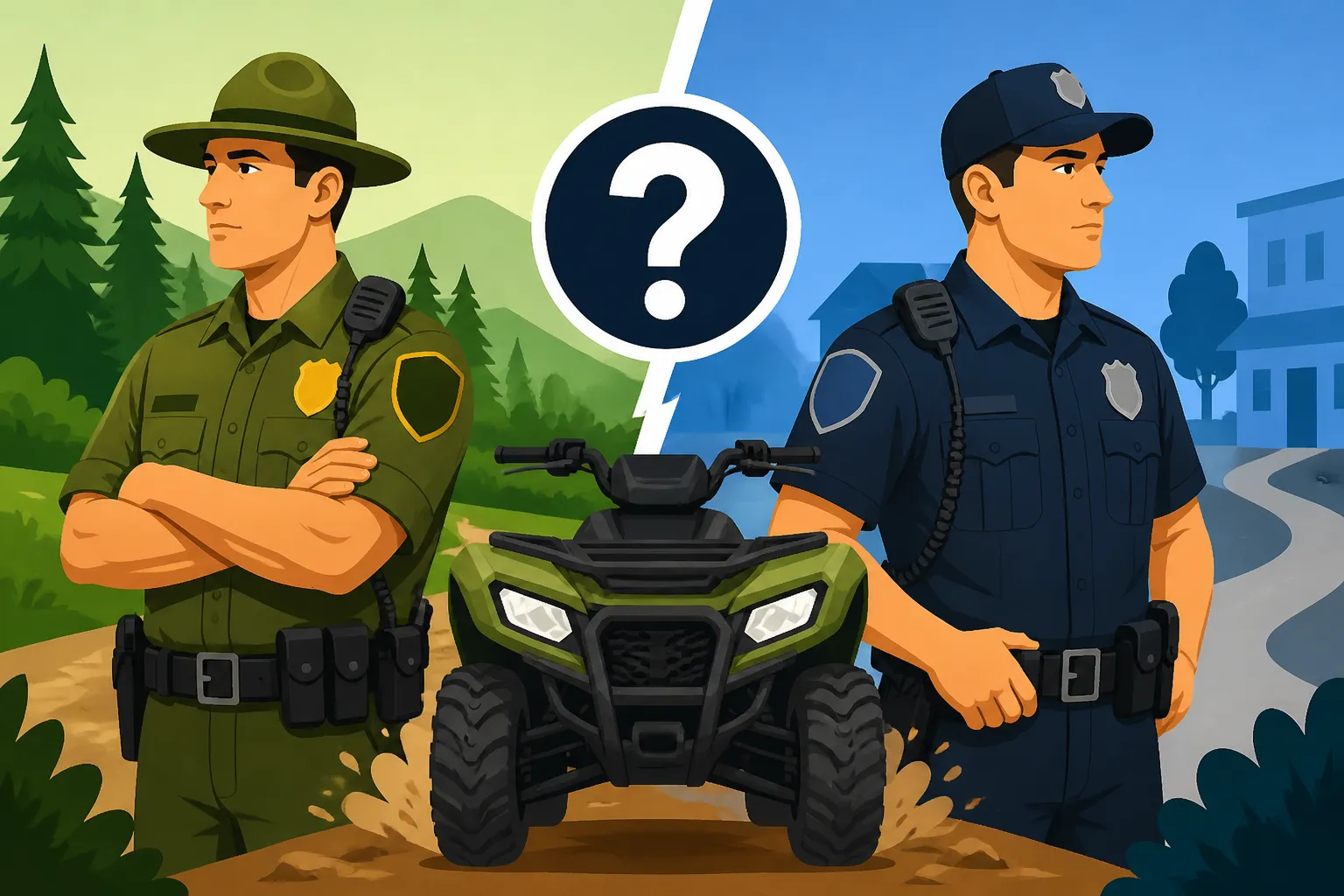
It’s a common headache for ATV riders in Vermont, especially when you’re out enjoying the beautiful trails or carefully navigating approved town roads: who exactly has the authority to stop you, check your paperwork, or issue a citation? Is it a state warden in their green uniform, or a local police officer, or even a town constable? The truth is, it can be all of them, and understanding their different roles and jurisdictions can save you a lot of confusion and potential grief. This guide will break down the layered world of ATV rule enforcement in Vermont, helping you understand who to expect and what each authority is typically looking for.
The Dual Authority: Vermont's ATV Enforcement Landscape
Navigating the Green Mountain State on your ATV is an incredible experience, but it comes with a responsibility to understand the rules. One of the biggest points of confusion for many riders is the enforcement itself. Unlike some states where one agency clearly dominates, Vermont has a cooperative, yet distinct, system where both state and local authorities play crucial roles. It’s not always a clear-cut line, but rather a series of overlapping responsibilities designed to keep everyone safe and preserve the natural beauty we all enjoy.
The State's Watchful Eye: Vermont Fish & Wildlife Wardens
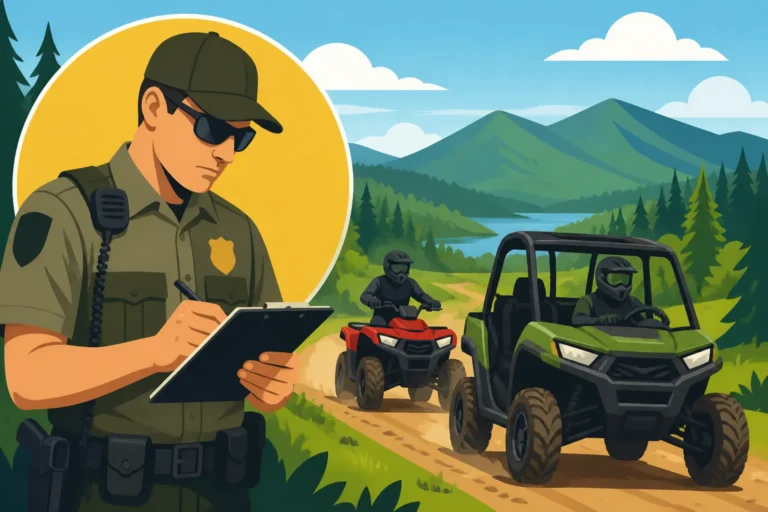
When you think of state-level outdoor enforcement, Vermont Fish & Wildlife Wardens often come to mind first, and for good reason. These dedicated professionals are often the primary enforcers of state statutes related to ATVs, especially when it comes to riding on designated trails, state lands (where allowed), and addressing more serious infractions. Their jurisdiction is statewide, and their focus often leans heavily on environmental protection, wildlife conservation, and ensuring adherence to the broader ATV and ASV regulations that apply across Vermont.
You're most likely to encounter a warden on the vast network of VASA trails, or in state forests and wildlife management areas if ATV access is permitted. They're well-versed in the specifics of [Vermont ATV Registration Costs and Terms], [Vermont TAD: The Trail Access Decal Explained], and [Vermont ATV Safety Course Required Under 18]. For example, if you're caught riding an unregistered machine on a VASA corridor or without a valid Trail Access Decal, a warden is definitely the person who will be addressing that. They also investigate serious incidents like reckless operation, significant property damage, or environmental violations such as riding in sensitive wetlands. Their presence helps ensure that the privilege of riding on shared trails and public lands is not abused, preserving access for everyone.
Local Sheriffs, Police, and Constables: Maintaining Town Order
While state wardens cover the broader landscape, local law enforcement – including town police departments, county sheriffs' deputies, and in some smaller towns, town constables – are the frontline enforcers of ATV rules within their municipal boundaries. Their primary concern is upholding town ordinances, maintaining public safety on local roads, and responding to community complaints. This is where the intricacies of [Vermont ATV Road Rules: Towns Decide] truly come into play, as each town can have its own specific rules about where and when ATVs can operate on town-designated roads.
Imagine you're cruising down a gravel town road that has been officially opened to ATVs, heading to connect with a trail. If you're speeding, making excessive noise, or riding after a local curfew, it's a town police officer or a sheriff's deputy you'll likely encounter. They'll be checking for things like valid [Vermont ATV Plates and Where They Go], proof of [Vermont ATV Insurance Requirements], and adherence to local speed limits. They're also the ones who typically respond to noise complaints from residents about ATV use within town limits. In many ways, local law enforcement acts as the community's direct line of defense against riders who might disregard the peace and safety of a neighborhood.
Understanding Jurisdictional Lines: Where Laws Intersect
The question of who enforces ATV rules in Vermont isn't just about identifying the uniform; it's fundamentally about understanding where you're riding and what rules apply to that specific location. Vermont's system is built on a patchwork of state laws and local ordinances, which means different authorities have primary responsibility depending on the context. This can sometimes feel confusing, but it’s designed to ensure that all bases are covered, from broad conservation efforts to hyper-local peace and quiet.
Riding Location Dictates the Rulebook and the Enforcer
The most critical factor in determining who might enforce ATV rules is your physical location. Are you on private land? A designated VASA trail? A town road? State forest land? Each scenario brings a different set of regulations and, consequently, a different primary enforcement agency.
For instance, if you're riding on private land without permission, that's a clear case of trespass, which local police or a sheriff's deputy would typically handle first, especially if the landowner calls them. However, if that private land is part of the VASA trail system and you're violating VASA rules (e.g., riding off the marked corridor), a state warden could also get involved, particularly if there's environmental damage or a serious safety concern. On town roads, it's almost exclusively local law enforcement who will address infractions like speeding or violating curfew. This interplay means that while a warden has statewide authority, they often defer to local police on town-specific matters unless a state-level violation, like a serious [Vermont DUI Law and ATVs] offense, is also present. This cooperative approach ensures that riders are accountable no matter where they are, from the remote corners of the Northeast Kingdom to the back roads of a small village.
What Each Authority Prioritizes on Patrol
While both state and local authorities are concerned with overall safety and compliance, their specific priorities often differ based on their agency's mission. Knowing what each is generally looking for can help you be better prepared.
Vermont Fish & Wildlife Wardens, given their focus, are often checking:
- Registration and Decals: Is your ATV properly registered with the state, and do you have your [Vermont TAD Cost in 2026] affixed correctly?
- Safety Certificates: For younger riders, they'll verify compliance with [Vermont ATV Safety Course Required Under 18].
- VASA Trail Rules: Adherence to designated routes, speed limits on trails, and general trail etiquette.
- Environmental Protection: Riding in sensitive areas, littering, or causing excessive damage to natural resources.
Local police, sheriffs, and constables, on the other hand, are more often focused on:
- Road Rules: Speed limits, reckless operation, obeying stop signs and traffic laws on town-designated roads.
- Local Ordinances: Adherence to [Vermont ATV Curfew Hours by Town], noise regulations, and specific town-approved routes.
- Helmet Laws: Ensuring all riders are complying with [Vermont ATV Helmet Law for Every Rider].
- Insurance: Verifying that you have the minimum liability coverage required by state law.
It’s not uncommon for these authorities to work together, especially in areas with popular trailheads that connect to town roads. A warden might conduct a check at a trailhead for registration and TAD compliance, while a local officer might patrol the access roads for speed or noise violations.
Here’s a quick overview of their primary focus areas:
| Enforcement Authority | Primary Jurisdiction | Key Enforcement Priorities | Common Violations Addressed |
|---|---|---|---|
| VT Fish & Wildlife Warden | Statewide (especially VASA trails, | State registration, VASA trail rules, | Unregistered ATV, no TAD, riding off-trail on VASA, |
| state lands, environmental issues) | safety certificates, environmental protection, serious incidents | environmental damage, serious safety violations, significant trespass | |
| Local Police/Sheriff/Constable | Town/County boundaries (especially | Local ordinances, road rules, public safety, | Speeding on town roads, noise violations, curfew breaches, |
| town roads, local property, community) | helmet law, insurance, general traffic laws | riding on unapproved town roads, minor trespass |
Practical Encounters: What to Expect on the Trail or Road
Understanding who might stop you is one thing, but knowing what happens during such an encounter is another. Whether you're pulled over on a town road or stopped on a VASA trail, being prepared and respectful is always the best approach. Encounters typically fall into a few categories, from routine checks to investigations of specific incidents.
Routine Stops and Compliance Checks
Both wardens and local law enforcement conduct routine stops. On a VASA trail, a warden might set up a checkpoint or simply pull alongside you to check your registration, [Vermont TAD Expiration Date], and ensure that all riders, particularly those under 18, have their [Vermont Safety Certificate Lookup]. They're checking for basic compliance with the rules that keep the trail system viable and safe.
On a town road, local police or a sheriff's deputy might pull you over for a moving violation, like excessive speed, or simply as part of a general patrol to ensure all machines using the approved routes are legal and safe. They'll typically ask for your driver's license (if applicable for the road), ATV registration, and proof of insurance. They might also check your machine's equipment, ensuring you have working headlights and taillights, and that your muffler is not modified to be excessively loud. If you've been customizing your ride, perhaps with aftermarket parts, ensuring everything meets Vermont's regulations is key. Many riders turn to trusted brands like SuperATV for durable, compliant accessories, from skid plates to winches, but it's always on you to ensure they meet legal requirements for noise or visibility.
Incident Response: Accidents, Trespass, and Complaints
When an actual incident occurs, the response mechanism becomes clearer. If there's an accident involving injury, or significant property damage, local police or the sheriff's department will usually be the primary responders, much like they would for a car accident. They'll investigate the scene, take statements, and fill out an accident report. It's crucial to know that [Vermont ATV Accident Reporting] requirements are serious, and failing to report an accident can lead to further penalties.
For instances of trespass, if a landowner contacts authorities because an ATV is on their private property without permission, local law enforcement is generally the first point of contact. They'll assess the situation and determine if a trespass citation is warranted. However, if the trespass involves damage to sensitive natural areas or a violation of hunting/fishing regulations, a state warden might also be called in or take over the investigation due to their specialized knowledge. Noise complaints from residents about ATVs within town limits will almost always be handled by the local police or town constable, especially if they involve violations of [Vermont Town Ordinances That Set Curfews] or general disturbance of the peace.
Staying Clear: Rider Responsibilities and Best Practices
The best way to avoid uncomfortable encounters with enforcement, regardless of whether it's a warden or a local officer, is to be a responsible, informed, and prepared rider. It all boils down to respect: respect for the law, respect for the land, and respect for other people. This proactive approach not only keeps you out of trouble but also helps maintain the positive image of the ATV community in Vermont.
Know Before You Go: Researching Routes and Regulations
One of the biggest pitfalls for riders is simply not knowing the specific rules for the area they plan to ride. Vermont's system, with its mix of statewide laws and town-specific ordinances, requires a little homework. Before you even load your machine onto the trailer, make it a habit to:
- Check VASA Trail Maps: If you're planning to ride the VASA system, download the latest maps and check for any specific club rules or temporary closures. Understand what [Vermont Trails Connected by Town Roads] means for your journey.
- Research Town Ordinances: If your route involves town roads, look up the ordinances for those specific towns. Many towns have specific rules for [Vermont ATV Speed Limits on Town Roads], hours of operation, and even specific routes that are open or closed to ATVs. What's legal in Brighton might not be in Newport City!
- Understand State Land Rules: While most state lands are closed to ATVs, some designated crossings exist. Know where these are and stick to them. Being caught riding off-limits on state land will definitely bring a warden's attention.
Prepare Your Machine and Your Documentation
Being ready for an inspection means having your machine in tip-top shape and all your paperwork in order. This preparation can make a roadside or trailside stop quick and painless.
- Registration and Decals: Always carry your physical registration card. Ensure your [Vermont ATV Plates and Where They Go] is securely mounted on the rear and clearly visible. If you're on VASA trails, make sure your [Vermont TAD Placement on the Machine] is correct and current.
- Proof of Insurance: Vermont requires liability insurance. Always have proof of your [Vermont ATV Insurance Requirements] with you.
- Safety Certificate: If you're under 18, you must have your [Vermont Safety Certificate Lookup] proof.
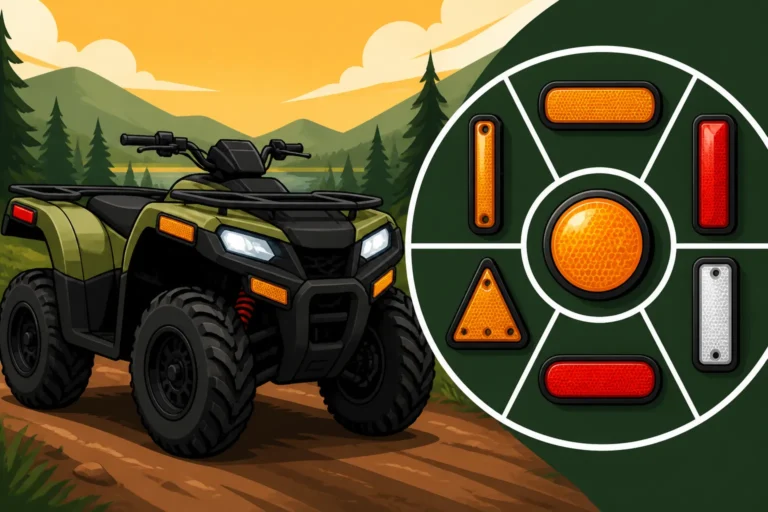
- Machine Compliance: Your ATV needs to meet Vermont's equipment requirements. This means working headlights, taillights, and brakes. Your muffler must be in good working order and not exceed noise limits. If you've modified your machine, say with a new exhaust system or added lights, double-check that these modifications comply with state laws and local ordinances. Companies like SuperATV offer a huge range of aftermarket parts, from full windshields to advanced lighting kits, but always confirm they meet local regulations. Even simple things like ensuring your tires meet the [Vermont Low-Pressure Tire Requirement] can be checked.
- Personal Safety Gear: Always wear an approved helmet, as [Vermont ATV Helmet Law for Every Rider] applies to everyone, regardless of age. Eye protection is also a smart move, even if not explicitly mandated in all scenarios.
By taking these steps, you not only comply with the law but also show that you're a responsible member of the riding community. This positive impression can go a long way, no matter who you encounter on your Vermont ATV adventures.
Disclaimer
This article is for general informational purposes only and does not constitute professional advice. Laws, prices and regulations vary by location and change over time. Consult a qualified professional for guidance on your specific situation.