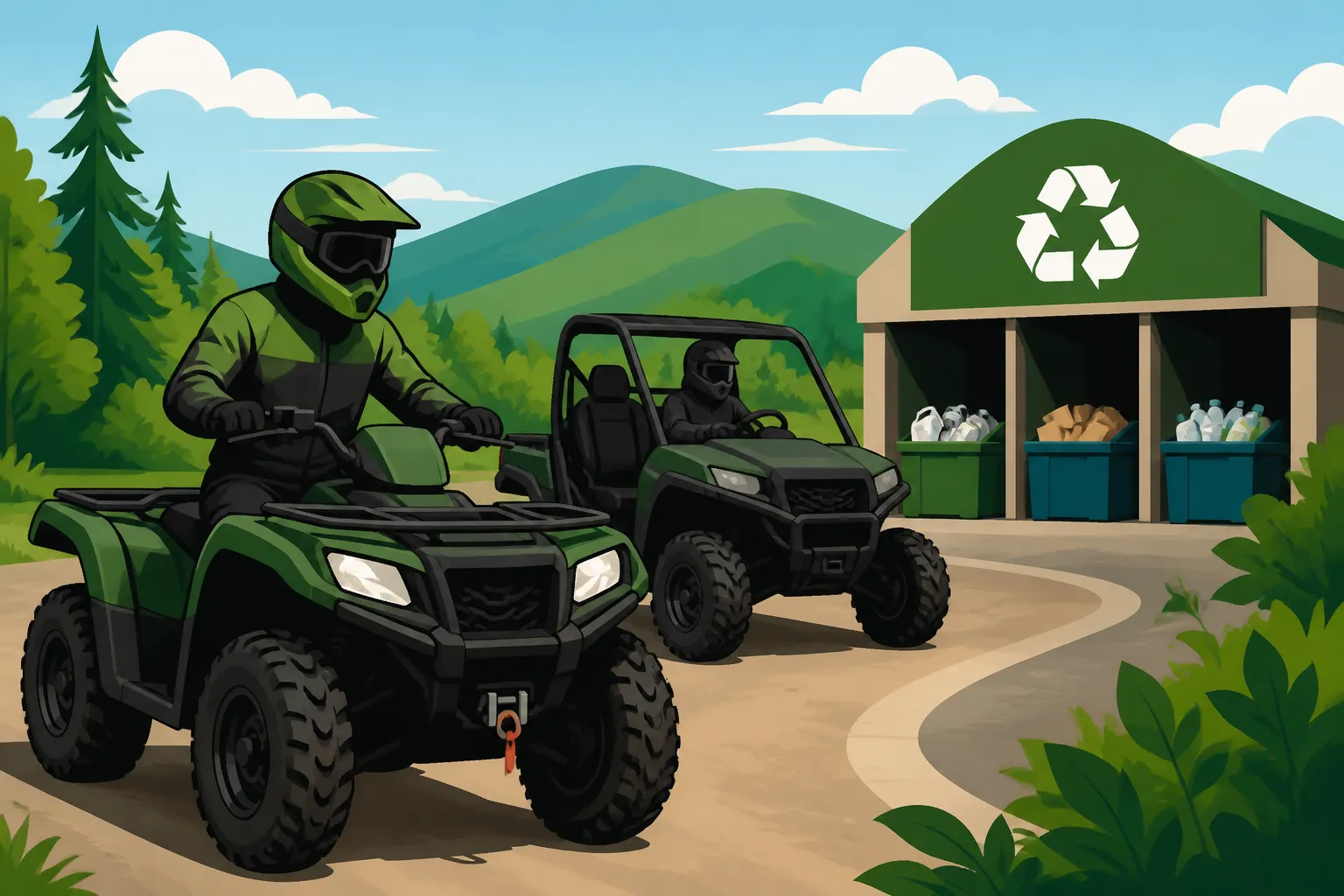
Riding to a Recycling Center Lot
We've all been there: that overflowing recycling bin in the garage, the stash of cardboard boxes threatening to take over the mudroom, or those giant bags of bottles and cans that seem to multiply overnight. For many of us living in the beautiful, sprawling landscapes of Vermont, the local recycling center isn't just a quick hop down the street. It's a destination, and sometimes, getting everything there can feel like a logistical puzzle. If you own an ATV or UTV, the thought might have crossed your mind: "Could I just use my side-by-side to haul these recyclables?" It’s a compelling idea, offering convenience and practical utility, but like most things involving ATVs on public ways in Vermont, it comes with a specific set of rules and considerations. This guide will walk you through the ins and outs of legally and safely using your off-highway vehicle to make that essential trip to the recycling center.
The Foundation: Understanding Vermont ATV Road Use Basics
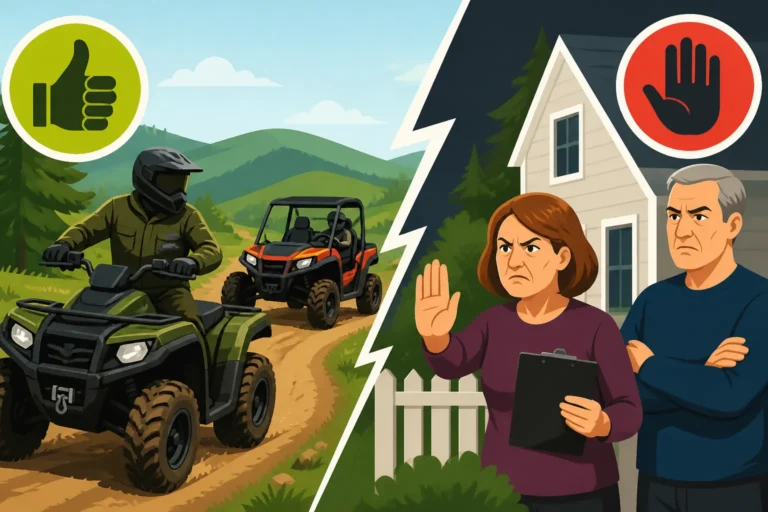
Before you even think about loading up your machine with bottles and cans, it's absolutely crucial to understand the fundamental rules governing ATV and UTV use on Vermont's roads. Vermont has a unique approach to ATV access, putting much of the decision-making power in the hands of local communities. This means what's permissible in one town might be strictly forbidden in another, even if they're neighbors!
Town Ordinances Are Key
The very first thing you need to know is that Vermont doesn't have a blanket "street legal" rule for ATVs and UTVs statewide. Instead, local town selectboards are the ones who decide whether to open specific town roads or portions of roads to off-highway vehicle traffic. This is why you'll often hear us saying, "check your local ordinances!" There's a reason for this emphasis: [Vermont ATV Road Rules: Towns Decide].
Think about it this way: your ATV is generally intended for off-road use, private land, or designated trail systems. When you want to bring it onto a public road, even just for a short distance to a recycling center, you're entering a different regulatory landscape. These town ordinances are typically reviewed and designated annually by the selectboard, meaning that what was open last year might not be this year, or vice-versa. It's a living, breathing process, and understanding [Why Vermont Road Designations Must Be Renewed Yearly] is vital for any rider. To find out if the roads leading to your recycling center are open, your best bet is to check your town clerk's office or the town's official website. Look for selectboard meeting minutes or dedicated pages on ATV access.
Essential Requirements for Road Use
Even if your town does permit ATV or UTV use on the roads leading to the recycling center, you're not exempt from general state requirements for operating these machines on public ways. These are non-negotiable and designed for safety and accountability.
First and foremost, your machine must be registered with the Vermont Department of Motor Vehicles (DMV). This isn't just a suggestion; it's a legal requirement for any ATV or UTV operating on public roads or designated trails. If you're wondering, [Do You Need to Register an ATV in Vermont?], the answer for road use is a resounding yes! And, of course, there's an associated fee. For more details on the financial side, you can look into [Vermont ATV Registration Cost].
Beyond registration, you absolutely need proper insurance. Vermont law mandates specific liability insurance minimums for ATVs and UTVs operated on public roads. This isn't just about protecting yourself; it's about protecting others in case of an accident. Familiarize yourself with [Vermont ATV Insurance Requirements] to ensure you meet the state's minimums, which cover bodily injury and property damage. Without it, you're not just risking a fine; you're risking financial ruin if something goes wrong.
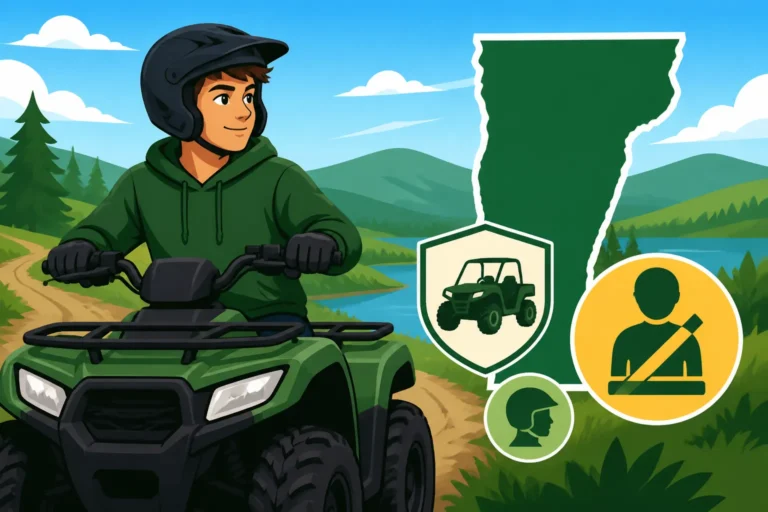
Finally, there's the safety equipment. A helmet is not optional in Vermont for any rider, regardless of age, when operating an ATV on public lands or roads. Seriously, protect your head! Check out [Vermont ATV Helmet Law for Every Rider] for the full details. Your machine also needs to be properly equipped for road travel. This includes working headlights and tail lights (especially if you're riding around dusk or dawn), as detailed in [Vermont Headlight and Tail Light Rules]. Many towns might also require mirrors, turn signals, and a horn if they've opened their roads for ATV use. While many ATVs and UTVs come with some basic lighting, additional accessories might be needed for full road compliance. Companies like SuperATV offer a range of aftermarket parts, from mirrors to full turn signal kits, that can help bring your machine up to spec for road use, ensuring you're visible and can signal your intentions clearly to other drivers. Don't assume your trail setup is enough for the road.
Navigating Local Ordinances to Reach the Recycling Center
So, you've checked your town's ordinances, and it turns out they do allow ATV/UTV use on certain roads. Fantastic! But the journey isn't over yet. You need to know which roads are open and what specific rules apply to them.
Identifying Permitted Routes
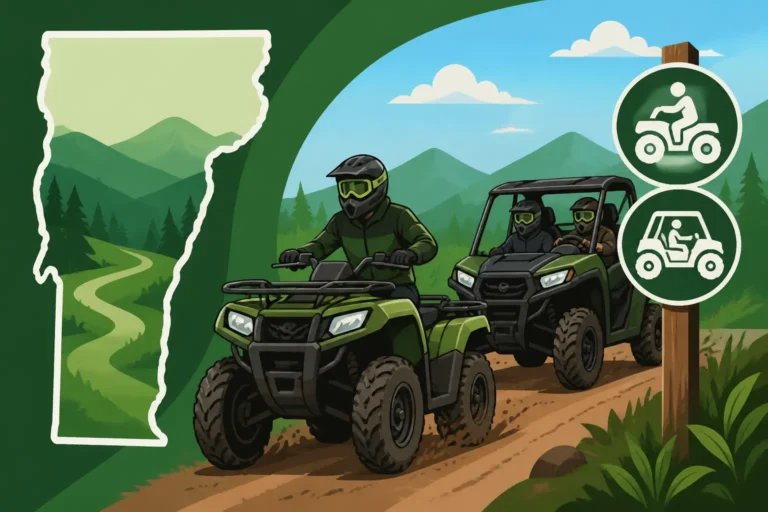
This is where the rubber meets the road, quite literally. Most towns that permit ATV use will have a designated map or a list of specific roads that are open. These are usually clearly marked with signs, but it's always best to consult the official town resources. Look for something like [Vermont Posted Routes and Their Signs] to guide you. It's not uncommon for a town to open only certain roads, perhaps those that connect to a wider trail system or those that are less traveled.
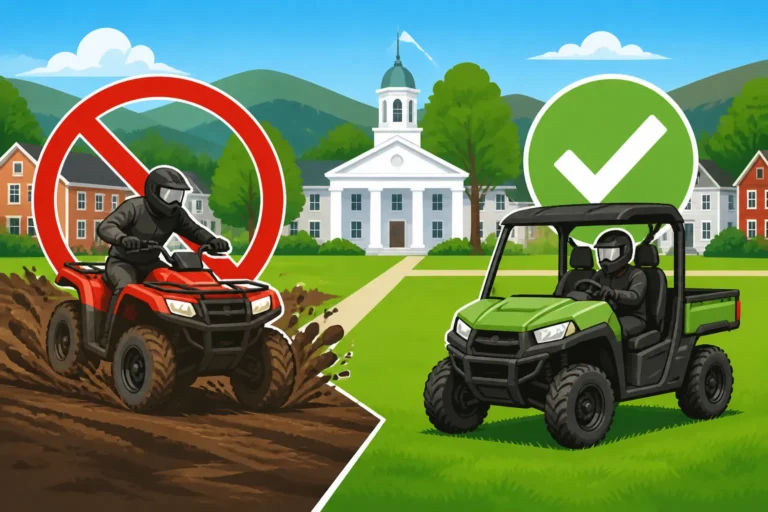
Now, imagine your recycling center is located off one of these designated routes – perfect! You can plan your trip accordingly. But what if it's not? What if the recycling center is just a few blocks off a permitted road, but those blocks are not designated for ATV use? This is a critical point. You cannot simply veer off a permitted road onto a non-permitted one, even for a short distance. This is considered illegal operation and can lead to fines.
Furthermore, many towns might specifically open what are known as Class 3 or Class 4 roads for ATV use. These are often less maintained, gravel, or dirt roads. Knowing [Vermont ATV Rules on a Class 4 Road] is crucial, as these roads might have different characteristics and hazards compared to paved village streets. It's a common misconception that all dirt roads are fair game for ATVs – they are not unless specifically designated by the town.
Understanding Restrictions and Limitations
Even on designated roads, your ride isn't completely unfettered. Town ordinances often come with a host of restrictions designed to maintain peace, safety, and minimize impact on residents. Ignoring these can lead to tickets and erode public support for ATV access.
- Curfew Hours: Many towns impose curfews, especially during nighttime hours. You might find a town ordinance stating no ATV use after 9 PM or before 7 AM. Always check [Vermont ATV Curfew Hours by Town] for your specific location. Hauling recyclables at 6 AM might seem efficient to you, but if there's a curfew, it could land you a fine.
- Speed Limits: While it might be tempting to open up your machine on an open dirt road, towns often have specific, lower speed limits for ATVs and UTVs compared to cars. Adhere strictly to [Vermont ATV Speed Limits on Town Roads] to avoid speeding tickets and ensure safety, especially if you're hauling a load.
- Weight and Width Restrictions: If you're driving a larger side-by-side, particularly a multi-seater, you need to be aware of your machine's dimensions. Some smaller village streets or bridges might have restrictions on vehicle width or weight. If your machine is among [Vermont Machines Wider Than 72 Inches], you might find certain routes impassable or off-limits. This is less common but worth verifying, especially if the recycling center is in a compact village area.
- Noise Considerations: While not always explicitly detailed in every ordinance, being a good neighbor is paramount. ATVs and UTVs can be noisy, and residents appreciate riders who are mindful of sound levels, especially near homes. Keep your machine properly muffled and avoid excessive revving.
Practical Considerations for Transporting Recyclables
Alright, you've done your homework, confirmed your route, and ensured your machine is compliant. Now for the practical task of getting those recyclables from your home to the center. This isn't just about legality; it's about safety and common sense.
Securing Your Load Safely
Recyclables, by their very nature, can be bulky, uneven, sometimes sharp, and often dirty. Throwing them haphazardly into the back of your UTV or onto an ATV rack is a recipe for disaster.
- Using a Trailer: For larger loads or heavier items, a small utility trailer is often the best solution. However, remember that [Trailers and Their Own Registration] are required in Vermont. Ensure your trailer is properly registered, has working lights (brake and turn signals), and is securely attached to your machine. Always check your ATV or UTV's towing capacity and never exceed it. An overloaded trailer can make your machine unstable, especially on uneven roads or during braking.
- Cargo Beds, Nets, and Straps: If you have a UTV with a cargo bed, utilize it to its fullest, but smartly. Arrange items to distribute weight evenly. Use cargo nets, bungee cords, or ratchet straps to secure everything tightly. Cardboard boxes can fly out, plastic containers can bounce, and even glass bottles can roll around, creating hazards. Invest in good quality tie-downs. Many riders find durable cargo boxes and tie-down solutions from companies like SuperATV incredibly useful for securing diverse loads, whether it's a cooler for a trail ride or a week's worth of recycling.
- Preventing Spills and Litter: Nobody wants to be the person who litters the town road with rogue soda cans or shards of broken glass. Bag loose items, especially anything that could blow away (like shredded paper) or spill (like remnants in bottles). Clean out containers before transport to minimize smells and leaks.
Hygiene and Maintenance After the Trip
Recycling centers, by necessity, can be dusty, dirty, and sometimes a bit smelly. Your ATV or UTV will likely bear the brunt of this after a trip.
- Cleaning Your Machine: Don't let the grime build up. A quick wash after a recycling run can prevent dirt and debris from caking onto your machine's components. Pay special attention to areas where recyclables might have contacted, like cargo beds or racks.
- Protecting Surfaces: Consider using rubber bed liners or tarping the cargo area to protect your machine's plastics or upholstery from sharp edges, dirt, or potential spills from items like old oil containers.
- Component Check: If you're frequently hauling heavy loads, especially with a trailer, keep an eye on your machine's suspension, brakes, and tires. Heavy loads put extra stress on these components, and regular checks can help prevent premature wear or failure.
Common Pitfalls and How to Avoid Them
Even with the best intentions, it's easy to fall into some common traps when using your ATV or UTV for practical tasks like recycling runs. Being aware of these can save you a lot of headache, and potentially, money.
Assuming All Roads Are Open
This is, hands down, the biggest mistake new and even some experienced riders make. The temptation to take the "most direct" route to the recycling center is strong, but if that route includes roads not designated for ATV use by the town, you're breaking the law. As we've stressed, [Vermont ATV Road Rules: Towns Decide], and not every town makes the same choices.
The consequences for riding on closed roads can range from a warning to significant fines. Law enforcement, including local police and Vermont State Police, patrol these areas. They are usually well-versed in which roads are open and which are not. For details on what you might face, look into [Vermont ATV Fines for Road Violations]. It's simply not worth the risk. Always have your designated route mapped out and stick to it, even if it means a slightly longer journey.
Overloading Your Machine or Trailer
While the desire to get all your recyclables to the center in one trip is understandable, pushing your ATV or UTV beyond its designed capacity is dangerous and can cause serious damage.
- Safety Hazards: An overloaded machine handles poorly. It can affect steering, braking distance, and stability, making it prone to rollovers or loss of control, especially on uneven terrain or when turning. If you're towing a heavy trailer, remember that stopping distances increase dramatically.
- Damage to Your Machine: Exceeding weight limits can strain your suspension, axles, and even the frame of your ATV or UTV. This can lead to costly repairs down the line. Always consult your owner's manual for your machine's maximum cargo and towing capacities.
- Visibility Issues: If you stack items too high in your cargo bed or on your racks, you might obstruct your rear view, or even worse, your side view. This is incredibly dangerous on public roads where you need full awareness of your surroundings. If you're regularly hauling substantial loads, it might be worth considering heavy-duty springs or other suspension upgrades. Many riders look to brands like SuperATV for lift kits or enhanced suspension components that can better handle heavier loads without compromising ride height or stability, though remember to stay within the manufacturer's recommended weight limits.
| Feature | Recommended for Recycling Runs | To Avoid (and Why) |
|---|---|---|
| Route Planning | Verify specific town-designated roads via town clerk/website. | Assuming all roads (especially dirt roads) are open. (Risk of fines, safety hazard) |
| Registration | Current, valid Vermont DMV registration and plate. | Expired registration or no registration. (Illegal, immediate fines) |
| Insurance | Proof of Vermont minimum liability insurance carried with you. | No insurance or inadequate coverage. (Huge financial risk in case of accident) |
| Safety Gear | DOT-approved helmet for all riders, working headlights/tail lights, mirrors. | Riding without a helmet or adequate lighting. (Serious injury risk, fines) |
| Load Securing | Utilize cargo nets, ratchet straps, or a properly registered utility trailer. | Loose items in cargo bed/racks. (Road hazard, litter, potential damage to machine/items) |
| Weight Limits | Stay within manufacturer's cargo and towing capacities. | Overloading machine/trailer. (Compromised handling, damage to machine, safety risk) |
| Speed/Curfew | Adhere to town-specific speed limits and curfew hours. | Excessive speed or riding outside permitted hours. (Fines, noise complaints, public disapproval) |
| Post-Trip Care | Clean machine after each trip to remove dirt/debris. | Letting grime build up. (Corrosion, wear, unpleasant odors) |
Using your ATV or UTV for practical purposes like recycling runs can be incredibly convenient and efficient for Vermont residents, especially those in more rural areas. The key, however, is to approach it with diligence and responsibility. Do your homework, know your local ordinances, ensure your machine is properly equipped and registered, and always prioritize safety over convenience. By following these guidelines, you can confidently and legally make your recycling trips a breeze, proving just how versatile and valuable your off-highway vehicle can be in everyday Vermont life.
Disclaimer
This article is for general informational purposes only and does not constitute professional advice. Laws, prices and regulations vary by location and change over time. Consult a qualified professional for guidance on your specific situation.