Main Street Open to Machines
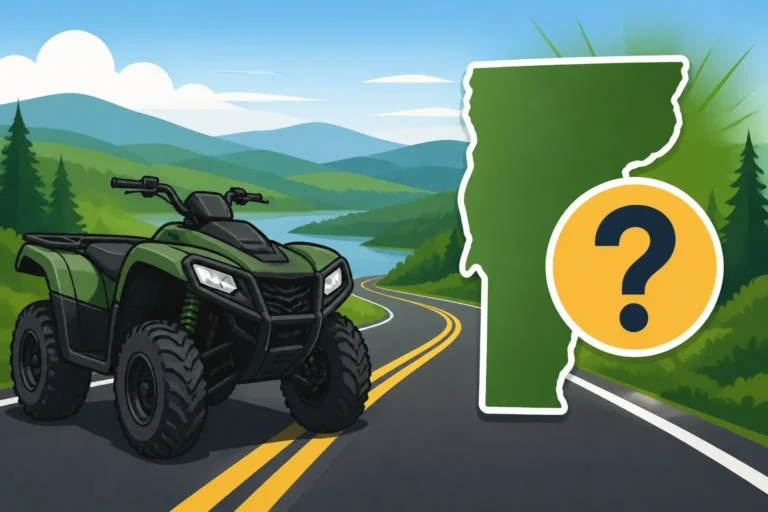
You've just wrapped up an amazing day of trail riding, perhaps exploring some of the incredible VASA corridors, and now you're faced with a common Vermont dilemma: can you actually ride your ATV or UTV right into town to grab some lunch, fuel up, or just soak in the local atmosphere? It's a question that brings a lot of confusion and frustration, as many riders mistakenly believe that once they're off the trails, all town roads are off-limits. This guide will clarify the nuances of riding your machine on Vermont's Main Streets, helping you understand how local ordinances work and what you need to know before you venture into a village center.
The Local Control over Vermont's Main Streets for ATVs
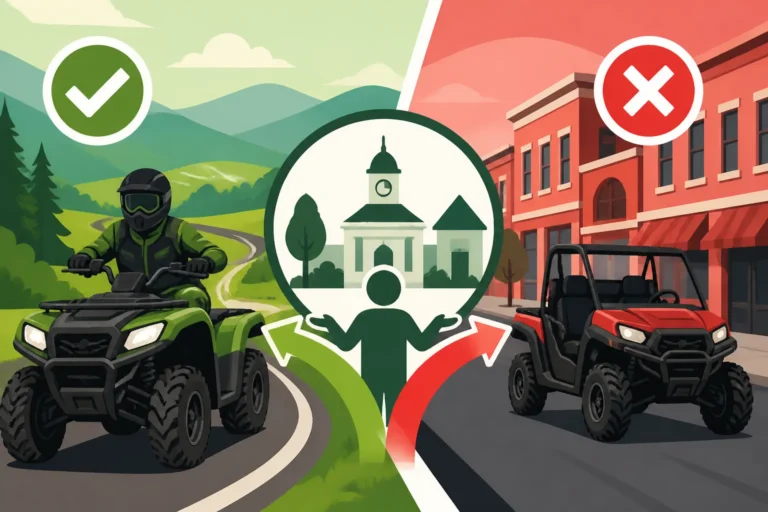
It's easy to assume that there's one single, overarching state law that dictates where and when you can ride your ATV or UTV in Vermont. But when it comes to town roads, especially those bustling Main Streets, that's simply not the case. Vermont takes a very local approach, handing the decision-making power directly to its towns and villages. This can be incredibly liberating for riders in some communities, but it also means you can't just assume every Main Street is open for business to your machine.
Understanding Vermont's Town-by-Town Approach
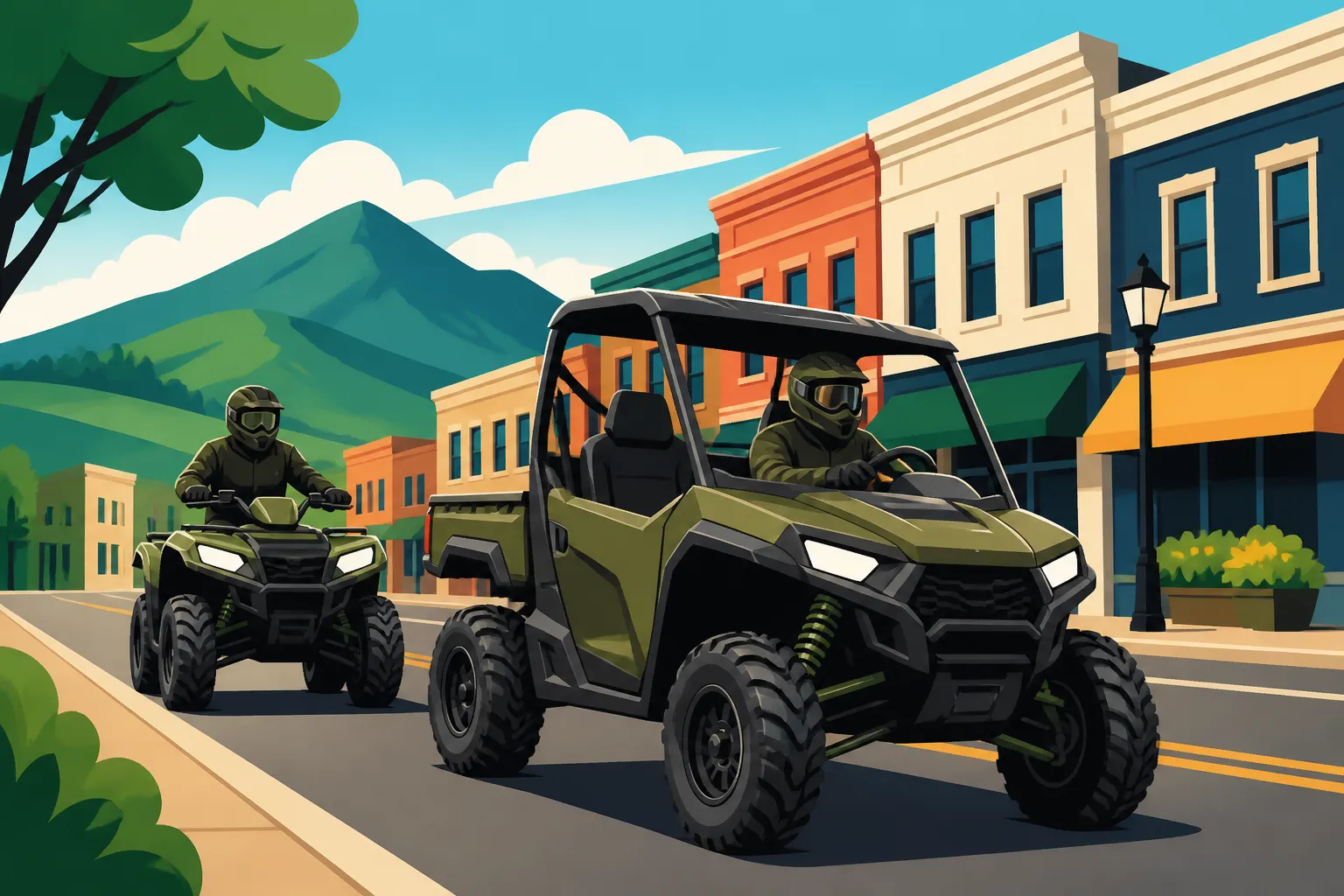
Imagine pulling into a charming Vermont town, the kind with a classic general store, a quaint diner, and maybe even a village green. If you're on an ATV or UTV, your ability to legally cruise down that Main Street depends entirely on whether that specific town's elected officials have decided to open it to such vehicles. This isn't a suggestion; it's a legal requirement. [Vermont ATV Road Rules: Towns Decide] because the state legislature empowers local selectboards to make these calls. One town might have a robust network of roads open to ATVs, including parts of its downtown, while the very next town over might have a firm "no ATVs on town roads" policy. This patchwork can be incredibly confusing for riders, especially those exploring a new area or just passing through. It means that checking local ordinances is not just a good idea, it's absolutely essential to avoid potential fines or even legal trouble.
This localized control isn't without reason. It allows communities to weigh the benefits of increased rider access – like economic boosts for local businesses from hungry, fueling, and shopping riders – against potential concerns such as noise, safety, dust, and traffic congestion. A small, quiet village might decide the peace of its residents outweighs the desire for ATV access on its main thoroughfare, while a larger town looking to boost tourism might embrace it. The key takeaway here is that there is no universal "Main Street open" rule across Vermont; it’s a town-specific privilege that needs to be verified before you ride.
How a Town Selectboard Makes the Decision
So, how does a Main Street actually get opened to ATVs and UTVs? It all comes down to the local selectboard, which is the governing body for most Vermont towns. These officials are tasked with setting local policies, and designating roads for ATV use is one of their responsibilities. [How a Vermont Selectboard Opens a Road to ATVs] usually involves a public process. Often, it starts with a local ATV club, a group of concerned citizens, or even a local business petitioning the selectboard to consider opening certain roads.
The selectboard will then typically hold public hearings, allowing residents to voice their opinions, both for and against. They'll consider factors like safety, noise impact, potential road damage, the economic benefits, and how ATV access might integrate with existing trail networks. If they decide to move forward, they'll pass an official ordinance or resolution to designate specific roads, including potentially a Main Street, for ATV and UTV use. This designation is usually for a set period, often annually, and sometimes comes with specific conditions or restrictions. Once passed, the town is responsible for properly signing these routes, which leads us to our next crucial point.
Navigating Open Main Street Routes and Their Rules
Even when a Main Street is open to ATVs, it's rarely a free-for-all. Towns that allow ATV access on their main thoroughfares typically do so with clear guidelines and restrictions. Understanding these is just as important as knowing if you can ride there in the first place. You don't want to be the rider who ruins it for everyone by ignoring the rules.
Identifying Legally Designated Main Street Routes
The absolute first step before you even think about rolling your knobby tires onto a Vermont Main Street is to confirm it's a legally designated route. You can't just eyeball it and hope for the best. How do you do this? Start by checking the town clerk's office website or, if you're feeling a bit old-school, stopping by in person. Many towns that have opened roads to ATVs will publish their ordinances and often provide maps of the designated routes. These maps are invaluable; they clearly show which streets are open, which are not, and often indicate connector trails or bypasses. [Reading Your Town's Posted Route Map] is a skill every Vermont rider needs to master.
Beyond official town resources, local ATV clubs are an incredible wealth of information. Clubs like the Tri-County ATV Club or the Border Line Ridge Riders often work directly with towns to establish and maintain these routes, so they'll know exactly which Main Streets are open and under what conditions. They might even have up-to-date maps or can point you to the correct town resources. Look for official signage as well. [Vermont Posted Routes and Their Signs] should clearly mark where ATV travel is permitted. These signs aren't just suggestions; they are the official declaration of a designated route. If you don't see a sign, or if you see a "no ATVs" sign, assume the road is closed to your machine.
Common Restrictions and Rider Responsibilities
Even on designated Main Streets, you're not riding the trails anymore; you're sharing the road with cars, pedestrians, and sometimes even bicycles. This means you need to adhere to a different set of rules, and towns will often impose additional restrictions beyond general state ATV laws.
One of the most common restrictions you'll encounter involves speed limits. While you might be able to open up your machine on a wide-open trail, [Vermont ATV Speed Limits on Town Roads] are strictly enforced, often mirroring the posted speed limit for cars, which can be as low as 25 mph in village centers. Going faster isn't just illegal; it's a safety hazard and a surefire way to annoy local residents, which can lead to routes being closed in the future.
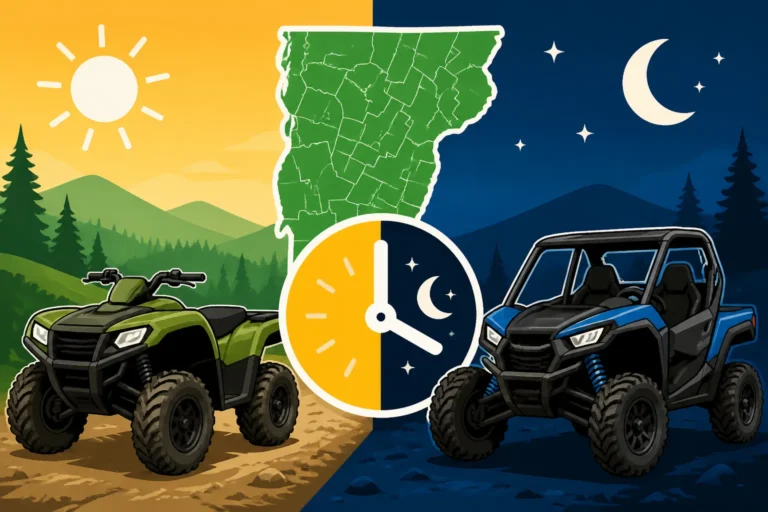
Curfews are another frequent restriction. Many towns designate specific hours during which ATVs are permitted on their roads. [Vermont Town Ordinances That Set Curfews] are common, often prohibiting riding late at night or early in the morning to minimize noise disruption to residents. You might find a town, for instance, that allows Main Street access from 7 AM to 9 PM, but outside those hours, you'll need to find an alternative route. Always check the specific ordinance for the town you're visiting.
Beyond speed and hours, remember that you're operating a vehicle on a public road. This means you need to be especially mindful of traffic laws, including stopping at stop signs, yielding to pedestrians, and using turn signals if your machine is equipped. Respecting these rules, and maintaining a considerate demeanor, goes a long way in ensuring these Main Street access privileges remain available for all riders.
Practical Considerations for Riding Your ATV on Main Street
So, you've checked the map, confirmed the Main Street is open, and you're ready to roll. But before you hit the pavement, there are a few practical considerations to keep in mind. Riding on town roads is different from trail riding, and your machine (and your mindset) needs to be ready for it.
Equipment and Road Readiness Checks
Your ATV or UTV might be a beast on the trails, but for Main Street use, it needs to be street-legal in terms of basic safety equipment, even if it's just for a short distance. This isn't about transforming it into a street-legal vehicle for highway use, but ensuring it meets the minimum requirements for designated town roads.
For starters, [Vermont ATV Equipment Requirements] include functioning headlights and taillights. You'll definitely need these, especially if you're riding near dusk or dawn, or on an overcast day. Many towns will explicitly require your machine to have working [Vermont Headlight and Tail Light Rules] even during daylight hours on their public roads. This isn't just about legality; it's about making sure other drivers and pedestrians see you clearly.
A properly functioning muffler is also critical. [Vermont Muffler and Noise Rules] are taken seriously, especially in residential or village areas. Your trail-tuned exhaust might sound great out in the woods, but on Main Street, excessive noise is a quick way to draw unwanted attention from law enforcement and upset local residents. Ensure your machine's muffler is in good repair and meets any local sound limitations. Some after-market exhaust systems, while performance-enhancing, might be too loud for town roads. Consider what an aftermarket company like SuperATV offers in terms of compliant exhaust systems or quieter performance parts if you plan on frequent road use.
Finally, your registration plate needs to be clearly visible. [Vermont Plate Visibility on the Road] is not just for trail wardens; local police officers will also be looking for it. It needs to be securely mounted, clean, and free from mud or debris that might obscure its numbers. A bent or dirty plate is an easy target for a traffic stop.
| Check Item | Importance for Main Street | Detail
This includes having clear, clean visibility for your registration plate and ensuring your machine meets the legal width and weight requirements for whatever roads you plan to use. After a particularly muddy ride on the trails, a quick wash-down might be in order before hitting Main Street, if only to make your plate more visible and keep the locals happy. For riders serious about both trail performance and occasional road stints, considering parts from SuperATV that enhance durability and compliance can be a smart move.
Respecting Local Ordinances and Community Harmony
Ultimately, the privilege of riding your ATV or UTV on Main Street in Vermont comes with a responsibility to the local community. [Can You Ride an ATV on the Road in Vermont?] is a question whose answer is often conditional. Ignoring local ordinances, riding recklessly, or creating excessive noise can quickly lead to negative public perception, which in turn can pressure selectboards to revoke ATV access.
Think about it from the perspective of a local resident or shop owner. They might appreciate the business that riders bring, but they won't appreciate constant noise, dust, or perceived safety hazards. By following the designated routes, respecting curfews, adhering to speed limits, and generally being a courteous road user, you contribute to a positive relationship between the riding community and the towns that welcome us. This helps preserve these valuable road access points for everyone. Every time you ride through a town center, you're not just representing yourself, but the entire ATV and UTV community. Let's make sure the impression we leave is a good one.
Disclaimer
This article is for general informational purposes only and does not constitute professional advice. Laws, prices and regulations vary by location and change over time. Consult a qualified professional for guidance on your specific situation.