Vermont Town Meeting Votes on ATV Roads
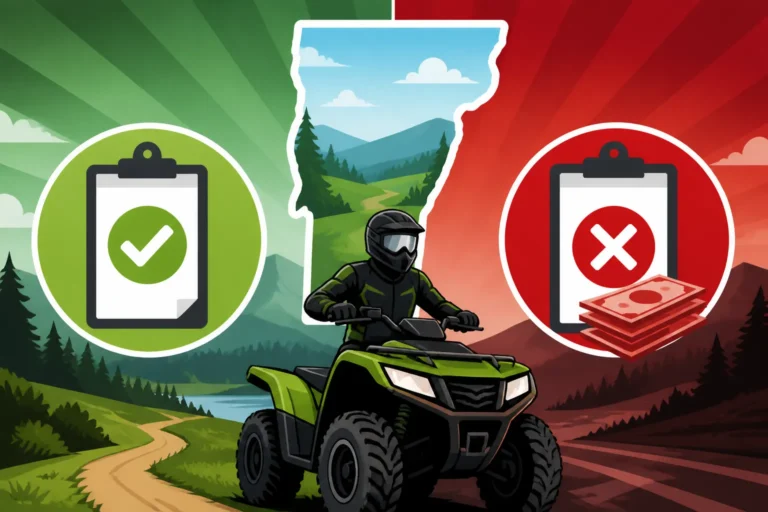
It can be incredibly frustrating to hear that ATVs and UTVs are legal on some roads in Vermont, only to discover that local rules often dictate where you can and cannot ride. It feels like a constant puzzle, doesn't it? This guide aims to clear up the confusion surrounding Vermont's town meeting process and how these crucial local gatherings directly impact where you can legally operate your ATV or UTV on town roads.
Understanding Vermont's ATV Road Rules Framework
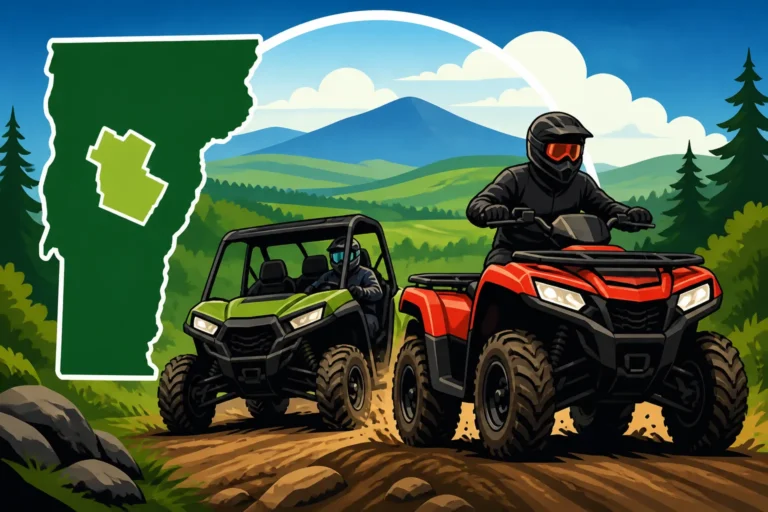
Vermont has a unique approach to ATV and UTV access on public roads, and it's a big reason why riders often feel like they're navigating a patchwork quilt of rules. While the state provides a foundational framework, the real power, for better or worse, lies with individual towns. This local control means that a road that's open to ATVs in one town might be strictly off-limits just across the municipal line.
The State's General Stance on ATVs on Roads
At a fundamental level, Vermont's state law generally restricts ATVs and UTVs from operating on state highways. These are the major arteries, numbered routes like Route 7, Route 89, or Route 100. However, the state also created a mechanism for towns to opt-in to allowing ATV use on their own town-maintained roads. This isn't a blanket permission; it's a specific, proactive choice each town must make. It's not like car traffic where all roads are generally open unless posted otherwise. For ATVs, it's the opposite: roads are closed unless specifically opened by local action. This distinction is vital for every rider to understand. [Can You Ride an ATV on the Road in Vermont?] covers more about this general framework.
Why Local Control Matters So Much
The emphasis on local control stems from a desire to allow communities to decide what works best for their unique character, infrastructure, and residents. A small, rural town with miles of dirt roads and a strong riding culture might eagerly embrace ATV access, seeing it as a boost to local tourism or a way for residents to connect to trail networks. On the other hand, a more densely populated village with narrow streets and concerns about noise or traffic might choose to keep its roads closed to ATVs. This flexibility means that riders cannot assume any town road is open and must always check local ordinances. You'll find that [Vermont ATV Road Rules: Towns Decide] is an essential read for anyone navigating these local differences.
The Power of the Town Meeting: How Citizens Directly Influence Local ATV Access
In Vermont, direct democracy is a cherished tradition, and few places embody this more than the annual Town Meeting. This is where local citizens gather, discuss, and often vote on critical issues affecting their community, including whether to open or close town roads to ATVs and UTVs. It's a powerful tool, and understanding how it works is key to advocating for or against ATV access in your area.
Annual Designation and What It Covers
For a town to allow ATVs on its roads, its Selectboard (the governing body) must formally designate specific roads each year. This isn't a one-and-done decision. The designation must be renewed annually, usually around Town Meeting time. If the Selectboard fails to take action, or if voters reject a proposed designation, those roads revert to being closed to ATV traffic. This annual renewal process is why things can change from one year to the next, often leading to confusion for riders. [Annual Designation and What Lapses] delves deeper into the yearly process.
It's important to remember that this designation isn't just a casual nod. It involves careful consideration of safety, road conditions, environmental impact, and community sentiment. The Selectboard often holds public hearings before making a proposal, allowing residents to voice their opinions. They might decide to open only certain types of roads, like Class 3 or 4 dirt roads, while keeping paved village streets closed. For example, a town might decide to open a few specific dirt roads that connect to established VASA trails, seeing it as a way to support recreational tourism, but keep all other roads closed.
How Petitions Can Drive or Halt Change
Citizens aren't just passive observers in this process; they can actively initiate change. If a group of riders wants to see certain roads opened, they can gather signatures for a petition to put the issue on the Town Meeting warning. This is how many local discussions begin. Conversely, if residents are concerned about existing ATV access or proposed new routes, they can also petition to have a warrant article introduced that seeks to close roads or restrict access further.
Let's say you're part of an ATV club in a town where access is currently limited. You and your fellow riders identify several key dirt roads that would provide vital links to the statewide trail system. You'd work together to draft a clear petition, outlining the specific roads you want opened and the reasoning behind it (e.g., boosting local business, connecting riders to existing trails). You'd then need to collect the required number of signatures from registered voters in your town. This usually requires a significant effort, going door-to-door or setting up tables at local events. Once enough signatures are gathered, the petition is submitted to the Selectboard, which is then legally obligated to include it as an article on the Town Meeting warning. This direct form of engagement empowers citizens and is covered in more detail in [Vermont Petitions to Open a Road] and [Vermont Petitions to Close a Road].
Public Hearings and Community Input
Before any vote or final decision is made, Vermont towns typically hold public hearings. These are open forums where residents can speak directly to the Selectboard and other town officials about the proposed ATV road designations. This is your chance to voice your support, share concerns, or offer alternative solutions. Whether you're a passionate rider or a concerned resident, attending these hearings is crucial. It's where the nuances of local sentiment truly come out.
During a public hearing, you might hear riders passionately argue that opening specific roads will bring much-needed tourism dollars to local businesses, citing examples from other towns in the Northeast Kingdom that have seen economic benefits. They might emphasize the importance of safe, designated routes to prevent illegal riding. On the other side, you might hear residents express concerns about increased noise, dust, potential damage to fragile dirt roads, or safety issues for pedestrians and children. They might bring up specific instances of irresponsible riding they've witnessed. The Selectboard's role is to listen to all these perspectives, weigh the pros and cons, and try to find a solution that balances the needs and desires of the entire community. [Vermont Selectboard Hearings on ATVs] offers more insights into this critical phase.
Navigating the Process: How a Road Gets Opened or Closed
The process of opening or closing an ATV road in Vermont can seem daunting, but it generally follows a structured path involving the Selectboard and the community. Understanding each step can help you effectively participate, whether you're advocating for more access or expressing concerns about it.
The Selectboard's Role in Proposing Routes
It typically begins with the Selectboard. They might receive requests from ATV clubs, residents, or even decide on their own to explore opening roads. Their process involves researching potential routes, assessing safety concerns, considering environmental impacts, and, crucially, engaging with the community. They often draft a proposed list of roads, which then becomes the subject of public hearings and discussions.
For instance, the Selectboard in the town of Brighton, known for its extensive ATV trail network, might proactively review their designated roads annually, perhaps considering new sections that connect to the [Tri-County ATV Club] trails. They might consult with the local ATV club to identify roads that would enhance the riding experience while minimizing impact on residential areas. They'd then present this proposal to the public before making a final decision or sending it to a vote.
What Happens at Town Meeting or Through Australian Ballot
Once the Selectboard has a proposal, or if citizens have successfully petitioned, the issue of ATV road access can come to a vote. This usually happens in one of two ways:
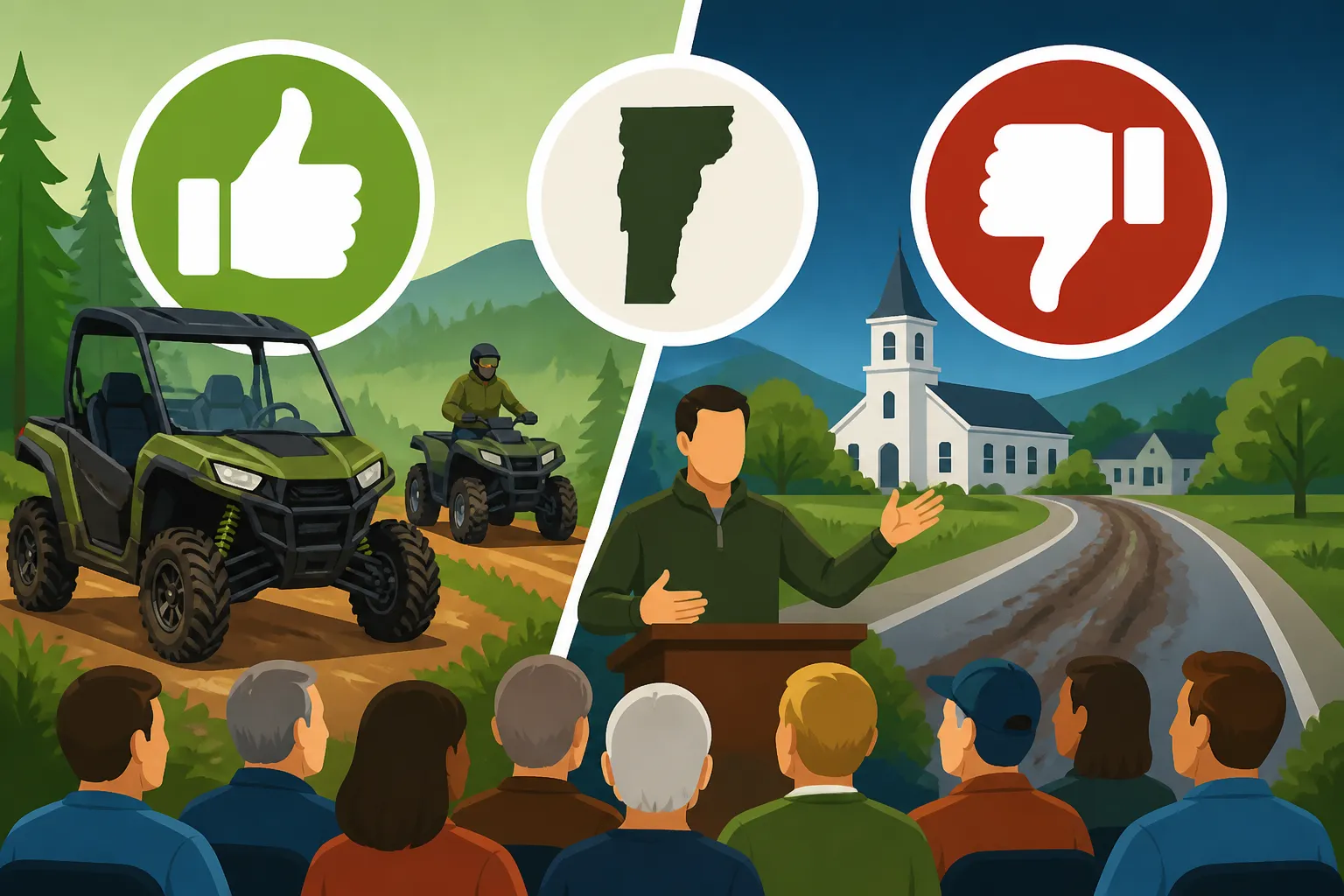
- Floor Vote at Town Meeting: In many towns, residents gather at the annual Town Meeting to discuss and vote on warrant articles directly. This is a very traditional form of direct democracy, where debates can be lively and decisions are made in real-time by those present.
- Australian Ballot: Larger towns, or those that prefer a more formal voting process, use the Australian ballot system. This means voters cast secret ballots at designated polling places, similar to state or federal elections. The issue appears on the ballot as a specific question for voters to decide.
Either way, the outcome of this vote is legally binding. If the proposal passes, the roads are officially designated for ATV use for that year. If it fails, they remain closed. This democratic process puts the power directly into the hands of the local residents.
Here's a simplified look at the voting methods:
| Voting Method | Description | Pros | Cons |
|---|---|---|---|
| Floor Vote | Residents gather, discuss, and vote on articles during the Town Meeting session. | Allows for direct debate, questions, and amendments; fosters community engagement. | Attendance can be limited; some people are uncomfortable speaking in public; can be swayed by strong personalities. |
| Australian Ballot | Voters cast secret ballots at polling places throughout the day. | Higher voter turnout often seen; private voting ensures no intimidation; modern and convenient. | Less direct discussion and debate; decisions are made in isolation. |
Regardless of the method, it's essential for anyone interested in ATV access to be aware of the Town Meeting schedule and how specific proposals will be voted on. [Vermont Town Meeting Votes on ATV Roads] is a great resource to understand the mechanics of these local decisions.
What Happens If a Board Takes No Action?
It's not uncommon for a town's Selectboard to simply take no specific action on ATV road designations in a given year. Perhaps there wasn't a strong push from riders, or perhaps there were too many other pressing town issues. In such cases, the default is that those roads remain closed to ATV traffic. Remember, roads must be proactively opened by a town's decision, not assumed to be open unless posted otherwise. This means silence from the Selectboard or the community typically translates to no ATV access on town roads. This is a crucial detail, as some riders mistakenly believe that if no one is talking about it, they can just ride. Not so in Vermont!
Riding Responsibly in Your Community
Once a town has made the decision to open certain roads to ATVs, the responsibility falls squarely on riders to uphold their end of the bargain. Irresponsible riding can quickly lead to public outcry, petitions to close roads, and even stricter ordinances. Maintaining good relationships with landowners and fellow community members is paramount to preserving and expanding access.
Understanding Posted Routes and Their Signs
When a town opens roads to ATVs, those routes will typically be clearly marked with signs. These signs aren't just suggestions; they are legal indicators of where you are permitted to ride. Always pay attention to official signage and respect the boundaries. Riding off a designated route, even by a few feet onto private property or an undesignated road, can lead to serious fines and damage trust within the community.
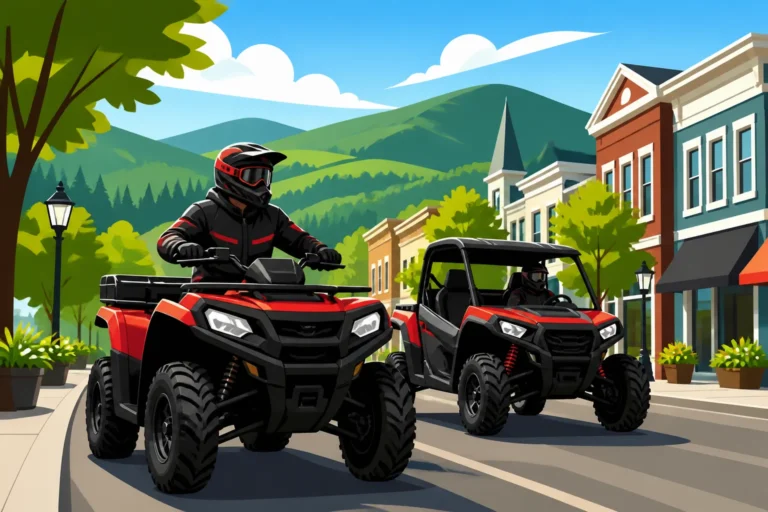
Think of it like driving a car on a one-way street; you wouldn't just decide to go the other way because it's convenient. Similarly, a signed ATV route is a designated path. Some towns, like Newport City, have specific routes through their urban areas that are crucial for connecting trail sections. It's imperative to follow these signs precisely. Any modifications or accessories to your machine, such as those from SuperATV, that improve visibility or control on these routes can be a wise investment, ensuring you can navigate safely and legally. [Routes Posted With Official Signs] details more about how these are displayed.
Being a Good Neighbor: Noise, Dust, and Speed
Riding on town roads means you're operating in shared spaces, often near homes, businesses, and other residents. Being a good neighbor is critical. This includes:
- Noise: While ATVs and UTVs are inherently louder than cars, excessive noise can quickly become a major complaint. Ensure your machine has a properly functioning muffler and isn't modified to be louder than legal limits. Riding quietly, especially near homes, goes a long way.
- Dust: On dry, unpaved roads, ATVs can kick up significant dust. Slowing down when passing homes or other vehicles can greatly reduce dust plumes, preventing irritation for residents and maintaining better visibility for everyone.
- Speed: Even if a road is open to ATVs, local speed limits still apply, and often, common sense dictates a slower pace. Excessive speed is a safety hazard and a major source of complaint. [Vermont ATV Speed Limits on Town Roads] highlights specific regulations.
Consider a residential dirt road in a town that has opened it to ATV traffic. If a rider blasts through at high speed, creating a huge dust cloud and a roar, they're not just being reckless; they're actively eroding the goodwill that led to the road being opened in the first place. This is where responsible riding truly makes a difference in maintaining access.
Impact on Trail Access and Landowner Relations
The decisions made at Town Meeting, and how riders conduct themselves on designated town roads, have a ripple effect on the broader trail system. Many VASA trails, which offer incredible riding opportunities, cross private land thanks to the generosity of landowners. If residents in towns with road access perceive ATV riders as disrespectful or problematic, it can lead to landowners withdrawing their permission for trails to cross their property. This directly impacts the entire network.
Maintaining positive landowner relations is fundamental to the continued existence of Vermont's extensive trail system. Every rider should understand that their actions on any road or trail contribute to the overall perception of the ATV community. When you're riding, remember that you're an ambassador for the sport. Equipping your machine with durable, high-quality components, perhaps from a brand like SuperATV, can help ensure reliability and prevent breakdowns that might leave you stranded in an inconvenient spot, potentially impacting a landowner's patience.
Essential Considerations for Riding on Vermont Town Roads
Beyond the process of getting roads opened, there are practical and legal considerations every rider must keep in mind when planning to use an ATV or UTV on designated town roads in Vermont. These aren't just suggestions; they are legal requirements designed for safety and compliance.
Registration, Insurance, and Safety Certificates
Operating an ATV or UTV on any public road in Vermont, even a town-designated one, requires your machine to be properly registered with the Vermont DMV. This isn't optional; it's the law. Alongside registration, you must carry proof of liability insurance. Vermont has specific minimum requirements for bodily injury and property damage coverage, so check your policy carefully. Riders under 18 also need to have successfully completed an approved ATV safety course and carry their certificate. These requirements are essential for legal and safe operation. You can find more information about this in [Vermont ATV Registration Costs and Terms] and [Vermont ATV Insurance Requirements].
| Requirement | Description | Key Action for Rider |
|---|---|---|
| Registration | All ATVs/UTVs used on public roads or designated trails must be registered with the Vermont DMV. Annual or two-year options are available. | Ensure your registration is current and carry proof (paperwork) on your machine. [Vermont ATV Registration Cost] is a good starting point. |
| Liability Insurance | Mandatory minimum liability coverage for bodily injury and property damage. This protects you and others in case of an accident. | Verify your policy meets Vermont's minimums and carry proof of insurance. [Vermont's $25,000 Bodily Injury Minimum] explains the requirements. |
| Safety Certificate | Required for all riders under 18 years old. This course teaches safe operation practices. | If under 18, complete an approved course and carry your certificate. [Vermont ATV Safety Course Required Under 18] provides details. |
| Trail Access Decal (TAD) | While not strictly for town roads, if you plan to connect to VASA trails via town roads, you'll need a TAD. Many town roads are opened specifically to connect to these trails. | Purchase and affix a valid TAD to your machine if you intend to use VASA trails. [Vermont TAD: The Trail Access Decal Explained] has more info. |
Helmet and Equipment Laws
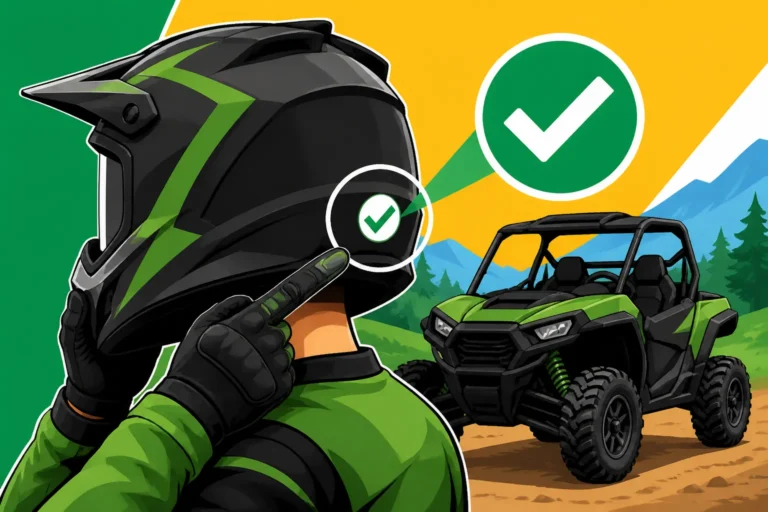
Safety is paramount, and Vermont has clear laws regarding helmets and equipment. Every single rider and passenger, regardless of age, must wear a DOT-compliant helmet when operating an ATV or UTV on public roads or trails. There are no exceptions for adults. Additionally, your machine must meet certain equipment standards for road use, including functional headlights, taillights, brake lights, and a muffler. Some towns might also require mirrors, so it's always smart to check local ordinances. Investing in robust lighting, mirrors, and even a quality windshield from SuperATV can significantly enhance safety and compliance. [Vermont ATV Helmet Law for Every Rider] and [Vermont ATV Equipment Requirements] are excellent resources for understanding these rules.
Imagine you're planning a ride through a town like Island Pond, where designated routes connect to fantastic trails. Before you even think about starting your engine, you need to verify that your machine has working headlights and taillights for visibility, especially if you might be riding near dusk. Your brake lights need to be fully functional, and your muffler must be up to snuff to avoid noise complaints. And, of course, everyone in your group must have a properly fitted, DOT-approved helmet. A quick check of your gear can save you a fine and ensure a safer, more enjoyable ride.
The Dynamic Nature of Road Access
Remember that road access for ATVs in Vermont is not static. A town that opens roads one year might decide to close them the next, due to changes in the Selectboard, new resident concerns, or issues arising from rider behavior. Conversely, a town that has historically kept its roads closed might be persuaded to open some routes if a well-organized group presents a compelling case.
This dynamic nature underscores the importance of staying informed and engaged with your local community. Joining a local ATV club can be incredibly helpful, as these clubs often work closely with towns and are usually the first to know about proposed changes. Regularly checking town websites, attending Selectboard meetings if you can, and paying attention to local news sources will help you stay on top of the current regulations.
Ultimately, riding an ATV or UTV on Vermont's town roads is a privilege, not a right. The opportunity exists because towns, through their democratic processes, have chosen to allow it. By understanding the process, participating responsibly, and adhering to all laws, riders can help ensure that this unique form of access continues for years to come.
Disclaimer
This article is for general informational purposes only and does not constitute professional advice. Laws, prices and regulations vary by location and change over time. Consult a qualified professional for guidance on your specific situation.