Vermont ATV Rules on a Town Green
It’s a beautiful summer day, you’ve just wrapped up an incredible ride on some of Vermont's stunning trails, and as you head back towards civilization, you spot it: a picturesque town green, manicured and inviting, a true centerpiece of a charming Vermont village. It might seem like a natural place to pause, take a shortcut, or even just cruise through. But hold your horses, fellow riders! This guide is here to untangle the often-confusing rules about riding your ATV or UTV on a Vermont town green, ensuring you stay legal and respectful of these treasured community spaces.
Understanding Vermont's General Stance on ATVs and Town Greens
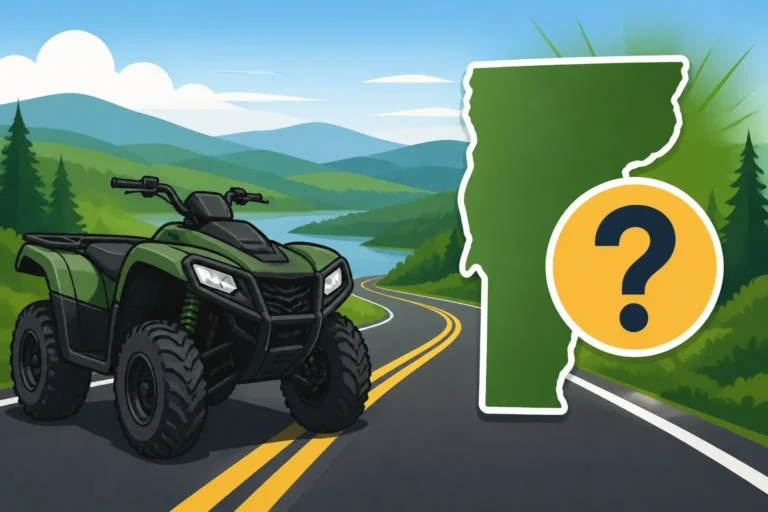
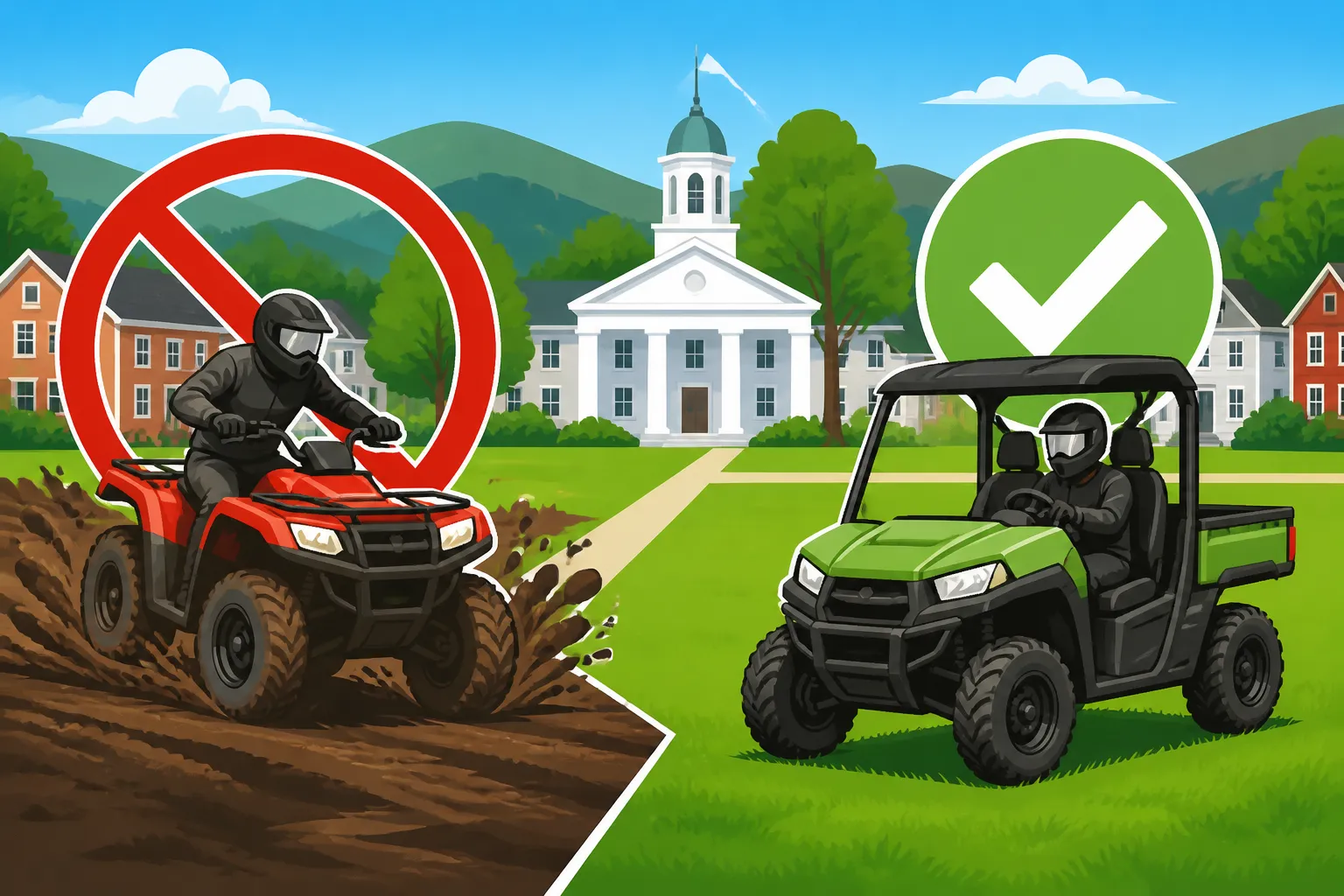
Let's cut right to the chase: generally speaking, riding your ATV or UTV on a Vermont town green is a no-go. While Vermont has made strides in opening up certain town roads to ATV traffic, particularly through local selectboard decisions and the efforts of organizations like VASA (Vermont ATV Sportsman's Association), a town green is almost universally considered a different animal entirely. It's not typically designated as a road, a trail connector, or even a parking area for recreational vehicles.
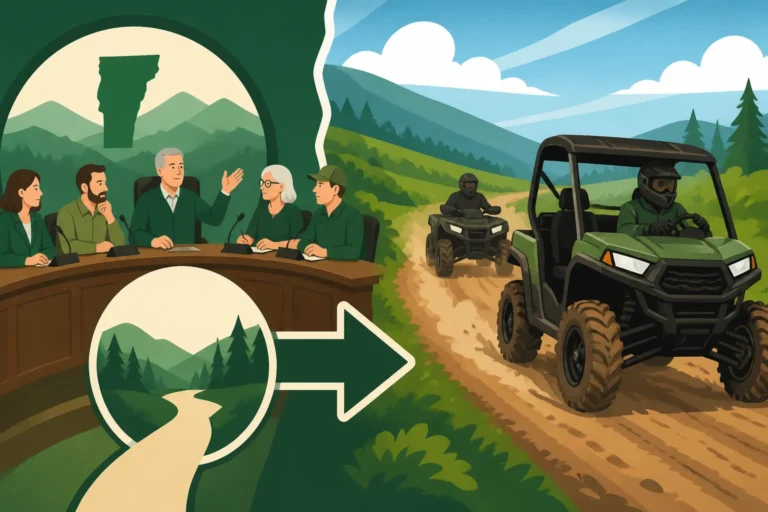
Vermont's approach to ATV access is very localized when it comes to roads. As we've discussed in [Vermont ATV Road Rules: Towns Decide], towns have the authority to decide if and where ATVs can operate on town-maintained roads. However, this authority almost never extends to common land like a town green, which serves a distinct purpose within a community. Think of it this way: the same selectboard that might open a gravel road for ATV transit is also likely responsible for maintaining the green, protecting its aesthetics, and ensuring public safety for all residents. These two objectives often clash when it comes to recreational vehicle use.
The default assumption should always be that a town green is off-limits. This is especially true in historic districts or towns where the green is a central part of community life, hosting farmers' markets, festivals, or simply serving as a peaceful place for locals and visitors to gather. Going onto a green with your machine, even for a moment, can quickly lead to misunderstandings, complaints, and potential legal trouble.
Why Town Greens Are Different From Roads and Trails
You might be wondering, "What's the big deal? It's just grass!" But a town green carries a lot more significance and has a different set of rules than a dirt road or a designated trail. It’s crucial for riders to understand these distinctions to avoid inadvertently causing issues.
Public Safety and Pedestrian Priority
First and foremost, town greens are designed for pedestrian traffic and quiet enjoyment. They are places where children play, families picnic, and people stroll. Introducing an ATV or UTV, even one equipped with safety features, immediately creates a conflict. The speed, size, and noise of an off-road vehicle are simply incompatible with an environment where people expect to walk freely without concern for vehicle traffic. Imagine a child chasing a ball across the green, or an elderly couple enjoying a quiet afternoon. The sudden appearance of an ATV, no matter how carefully operated, can be startling, disruptive, and even dangerous. This priority for pedestrian safety is a primary reason why towns are so vigilant about keeping motorized vehicles off these spaces.
Aesthetic Preservation and Property Damage
Vermont's town greens are often beautiful, historic, and carefully maintained. They are the visual heart of many villages, reflecting the pride and character of the community. Even a single pass with an ATV, especially if the ground is soft or wet, can leave ruts, compact the soil, and damage the turf. Over time, repeated use could transform a pristine green into a muddy, scarred mess, undermining its aesthetic value and requiring costly repairs. This isn't just about appearance; it's about preserving a community asset that often has historical significance. Many greens date back centuries, and their preservation is a matter of local heritage. While aftermarket parts from companies like SuperATV might enhance your machine's rugged appearance and performance on challenging trails, the very nature of those aggressive tires or powerful engines makes them unsuitable for delicate grassy areas.
Noise Concerns and Community Harmony
Another significant factor is noise. While modern ATVs are quieter than their predecessors, they still produce a distinct engine sound, especially under acceleration. On a busy trail or a remote logging road, this is expected. However, on a quiet town green, the sound can be highly disruptive to residents and visitors who are seeking peace and tranquility. Noise complaints are a common reason for ATV restrictions, and riding on a green is almost guaranteed to generate them. Maintaining community harmony means respecting the desire for quiet in these central public spaces. It's about being a good neighbor and understanding that not every space is appropriate for every activity, even if your machine is technically capable of the terrain.
Here’s a quick overview of why town greens differ:
| Feature | Town Roads/Designated Trails | Town Green |
|---|---|---|
| Primary Use | Travel, access, recreation (if designated) | Community gathering, passive recreation, aesthetics |
| Expected Traffic | Vehicular, pedestrian (on shoulders/sidewalks) | Pedestrian, non-motorized activities |
| Surface | Pavement, gravel, dirt, varied terrain | Manicured grass, possibly monuments, sensitive areas |
| Noise Tolerance | Higher, within legal limits | Low, quiet enjoyment expected |
| Damage Risk | Designed for vehicle wear and tear | High risk of turf/landscape damage from vehicles |
| Permitted ATVs | If specifically designated by local ordinance | Almost universally prohibited |
Navigating Local Ordinances and Identifying No-Go Zones
Since local control is such a strong theme in Vermont, it's natural to wonder if there's any scenario where a town green might be accessible. The answer, while almost always "no," hinges on understanding how local ordinances work and what specific signs to look for.
The Role of Selectboards and Local Rules
Every town in Vermont has a selectboard that governs local affairs. While these boards have the power to open town roads to ATVs, as discussed in [How a Vermont Selectboard Opens a Road to ATVs], this power rarely extends to town greens. The legal framework for greens typically designates them for specific non-motorized uses. If, by some extremely rare chance, a town did permit ATV access on a green, it would be explicitly stated in a highly visible and well-publicized ordinance. You wouldn't find it by accident, nor would it be a casual allowance. These kinds of decisions usually come with public hearings and significant community input.
The best way to know for sure in any given town is to consult their specific ordinances. You can usually find these on the town's official website or by contacting the town clerk's office. Don't rely on assumptions or what you think might be allowed. What's permissible on a gravel road connecting to a trail system is almost certainly not acceptable on the town's central green. It's about respecting the local democratic process and the specific rules established by the community for its public spaces.
What to Look For: Signage and Common Sense
In most cases, you won't see a sign explicitly stating "No ATVs on the Green." Why? Because it's often implicitly understood by the community that motorized vehicles don't belong there. However, you might see signs that reinforce the green's purpose, such as "Public Park," "Pedestrian Zone," or "Please Keep Off the Grass" in certain areas. These are strong indicators that your ATV should not be on the turf.
More direct "No Motorized Vehicles" or "No ATVs/UTVs" signs would typically appear at entrances to designated public lands where restrictions need to be clearly communicated, or on roads that are not open to ATVs. On a town green, the absence of signs permitting ATVs should be taken as a clear indication that they are not allowed.
Consider the practical implications too. Is there a designated entrance for vehicles? Is there a paved path leading across it? Are there parking spots within the green itself? If the answer to these questions is no, then it's highly unlikely that ATV use is permitted. Your best bet is to stay on officially designated roads and trails, always looking for [Vermont Posted Routes and Their Signs] to guide your way.
Consequences of Riding on a Vermont Town Green
Ignoring the unwritten or explicit rules regarding town greens can lead to a number of undesirable outcomes, ranging from minor inconveniences to significant legal penalties. It's always better to err on the side of caution and respect the regulations.
Legal Penalties: Fines and Trespassing
The most immediate consequence of riding an ATV on a prohibited town green is the potential for legal penalties. While towns might have specific ordinances, the general legal framework in Vermont regarding trespassing or damage to public property can apply. You could face a fine for operating an unregistered vehicle in a prohibited area (if your registration isn't current, though the primary issue here is where you're riding), or more directly, a ticket for violating a local ordinance.
Even if there isn't a specific "no ATV on the green" ordinance, an officer could issue a citation for general trespassing, especially if there are signs indicating pedestrian-only areas or if your actions are causing damage. These fines can vary depending on the town and the specific violation, but they can quickly add up. For example, some [Vermont Fines for Road Violations] can range from tens to hundreds of dollars, and repeated offenses can escalate. The hassle of dealing with a court appearance, even for a minor infraction, is certainly not how you want to end a fun day of riding.
Damage Liability and Community Relations
Beyond fines, you could be held liable for any damage your machine causes to the green. If you rut the grass, damage an irrigation system, or disturb a flower bed, the town could seek reimbursement for repair costs. This could quickly become far more expensive than any ticket.
Perhaps even more importantly, riding an ATV on a town green can severely damage the reputation of ATV riders in that community. Public perception plays a huge role in how towns decide to create or restrict ATV access. One irresponsible act on a town green can lead to widespread negative sentiment, making it harder for responsible riders and clubs to advocate for new trail opportunities or maintain existing ones. It can even lead to selectboards rescinding previously approved road access, as public outcry can quickly sway local decisions. This is why VASA and local clubs always emphasize responsible riding and respecting private and public property.
Future Access Restrictions
When incidents occur on public lands like town greens, they often lead to discussions about stricter rules or even outright bans on ATVs in certain areas. A town that previously considered opening more roads might decide against it if there are repeated issues with riders misusing public spaces. This isn't just about your individual experience; it affects the entire ATV community in Vermont. Maintaining good relationships with towns and landowners is paramount for the continued growth and enjoyment of the sport. Respecting town greens and other sensitive areas demonstrates that ATV riders are responsible and considerate users of Vermont's diverse landscape.
To ensure a smooth, enjoyable, and legal riding experience in Vermont, always stick to designated trails, properly opened town roads, and private land with explicit permission. Leave the beautiful, peaceful town greens for picnics, festivals, and quiet strolls.
Disclaimer
This article is for general informational purposes only and does not constitute professional advice. Laws, prices and regulations vary by location and change over time. Consult a qualified professional for guidance on your specific situation.