Buying From a Private Seller in Vermont
Navigating the world of private ATV and UTV sales in Vermont can feel like trying to find a hidden trail without a map. You're excited about the prospect of a new machine, eager to hit the VASA trails or simply enjoy your property, but the process of buying from a private seller brings its own unique set of anxieties. From ensuring the seller is legitimate to making sure all the paperwork is in order for the Vermont DMV, there's a lot to consider to protect yourself. This guide will meticulously walk you through every crucial step, from initial inspection to final registration, helping you confidently make a legal and hassle-free purchase.
Doing Your Homework Before You Even See the Machine
Before you even set foot on someone's property or commit to a purchase, there's a significant amount of legwork you can and should do. This isn't about being overly cautious; it's about being smart and protecting your hard-earned money from potential headaches down the line. A little research now can save you a world of trouble and expense later.
Verifying the Seller and the Machine's History
Your first line of defense is to verify the legitimacy of both the seller and the ATV or UTV itself. A good, honest seller will be transparent and happy to provide information, while a hesitant one might be a red flag. Start by asking for the full Vehicle Identification Number (VIN) upfront, even before you go to see the machine. This unique 17-digit code is your key to unlocking the machine's past.
With the VIN in hand, you can run a quick online check through various services. These services can reveal crucial information like whether the machine has been reported stolen, if it has a salvage title, or if there are any outstanding liens against it. Imagine buying a beautiful side-by-side, only to find out it was stolen last year or that a bank still holds the title. That's a mess no one wants. Additionally, ask the seller about the machine's service history, how long they've owned it, and why they're selling. These questions, combined with a VIN check, start to paint a picture of the machine's true status. While Vermont does not have a comprehensive database for all off-road vehicle liens like cars, a title search through the DMV (if the machine is titled) can reveal recorded liens. Knowing this information beforehand can save you significant legal and financial stress.
What to Inspect When You See It in Person
Once you're satisfied with the preliminary checks, it's time for the in-person inspection. This is where you put on your detective hat. Don't be afraid to be thorough; you're making a significant investment. Start with a general walk-around. Look for obvious signs of damage, like bent frames, cracked plastics, or major dents. These could indicate accidents or hard riding. Check the tires for excessive wear and tear, and make sure all lights, including headlights, tail lights, and brake lights, are functional.
Next, delve into the mechanical aspects. Check fluid levels and look for leaks under the machine. A clean machine might look great, but it could also be hiding issues. A little dirt and honest wear are expected, but fresh oil drips or coolant stains are warning signs. Pay close attention to the suspension – bounce the machine at each corner to see if the shocks rebound smoothly. Check the brakes, both front and rear, to ensure they engage firmly and evenly. Start the engine from cold; listen for unusual noises like knocking, grinding, or excessive smoke. If the seller has already warmed it up, that's another red flag. Finally, if possible and safe, take it for a test ride, even if it's just a short loop on the seller's property. How does it handle? Do the gears shift smoothly? Does it track straight? This hands-on experience is invaluable. For more about registration needs, consider reading [Vermont Registration and Insurance Proof].
The Paperwork Trail: Keys to a Smooth Transfer
After you've inspected the machine and decided it's "the one," the focus shifts to the critical paperwork. This is where many private sales can go awry if not handled correctly. Proper documentation protects both the buyer and the seller and ensures a smooth transfer of ownership and eventual registration with the Vermont Department of Motor Vehicles (DMV).
The Essential Bill of Sale
Even if a machine has a title, a comprehensive bill of sale is absolutely crucial when buying from a private seller in Vermont. Think of it as your primary proof of purchase and a contract between you and the seller. It details the transaction and confirms that ownership has been transferred. A good bill of sale should include:
- Seller's Information: Full legal name, address, and contact number.
- Buyer's Information: Your full legal name, address, and contact number.
- Machine Details: Year, make, model, color, and most importantly, the full VIN. Double-check that the VIN on the bill of sale matches the VIN on the machine itself and on the title (if applicable).
- Purchase Price: Clearly state the agreed-upon price in figures and words.
- Date of Sale: The exact date the transaction takes place.
- "As Is" Clause: Most private sales are "as is," meaning you accept the machine in its current condition with no warranties from the seller. This should be explicitly stated.
- Signatures: Both the buyer and seller should sign and date the bill of sale. It's also a good idea to have a witness sign it, especially for higher-value machines.
You can find numerous templates online for a bill of sale, or you might consider using a reputable service like LawDepot, which offers customizable legal documents, including bills of sale that can be tailored to your specific transaction. Having a clear, detailed document prevents disputes later on regarding the price, condition, or terms of sale. The Vermont DMV will expect a clear [Writing a Bill of Sale the Vermont DMV Accepts] as part of your registration process, especially if you're registering an older machine that might not have a title.
Handling the Vermont Title (or Lack Thereof)
Vermont titles off-road vehicles, including ATVs and UTVs. For any machine newer than 15 years old, a Vermont title is generally required for transfer. If the machine is older than 15 years, it may not have a title, which can complicate things but isn't necessarily a deal-breaker.
- Machine with a Title: This is the cleanest scenario. The seller should provide you with the physical title. On the back of the title, there's usually a section for transferring ownership. Ensure the seller properly signs and dates this section, providing their printed name and address exactly as it appears on the front of the title. If there's a lien listed on the title, the lienholder must also sign off on the title, or provide a separate lien release document. Without this release, the title isn't clear, and you won't be able to register it in your name. Always verify that the VIN on the title matches the machine. A good seller will walk you through this process, but you need to be diligent. For specifics, see [Vermont Title for an Off-Road Vehicle].
- Machine without a Title (older machines): For machines older than 15 years, a title may not exist. In this case, the Vermont DMV will typically accept a detailed bill of sale as proof of ownership, along with a completed Ownership Affidavit (form VD-013). This affidavit legally declares your ownership in the absence of a title. This is where a robust bill of sale (perhaps one prepared with assistance from a service like LawDepot) becomes even more critical. You'll need to demonstrate a clear chain of ownership, often through previous bills of sale if available, to show how the machine came into the seller's possession. Understanding [Vermont Title for an Older Machine] can guide you through this process. If you need to establish proof of ownership without a title, [Filing an Ownership Affidavit at the Vermont DMV] provides specific guidance.
Understanding Vermont's Purchase and Use Tax
When you purchase an ATV or UTV from a private seller in Vermont, you're generally subject to the state's Purchase and Use Tax. This tax is assessed at the same rate as the sales tax would be if you bought it from a dealer. It's usually paid at the time of your initial registration at the DMV.
The tax is calculated based on the purchase price you state on your bill of sale. The DMV does have the right to challenge a stated price if it seems unusually low compared to the machine's fair market value. So, while you might be tempted to put a lower price on the bill of sale, be aware that the DMV might ask for justification. If you traded in an existing machine as part of the deal, Vermont does offer a tax credit for the value of that trade-in, reducing the taxable amount. Make sure your bill of sale clearly delineates any trade-in value. There are also specific [Vermont Purchase and Use Tax Exemptions], such as if the machine is a gift, but these require specific documentation. For a deeper dive, check out [Vermont Purchase and Use Tax on an ATV].
Bringing Your New Ride Home: Registration Steps
Once the purchase is complete, and you have all your meticulously gathered paperwork in hand, the final step is to officially register your new ATV or UTV with the Vermont DMV. This is where your machine becomes fully legal for trail riding and any approved road crossings in the Green Mountain State.
Gathering Your Registration Documents
Before you head to the DMV, ensure you have all the necessary documents. Missing even one piece of paperwork can mean a wasted trip and frustrating delays. Here’s a checklist of what you’ll likely need:
- Signed Title: If the machine has one, ensure the seller has properly assigned it to you, and any liens are released.
- Bill of Sale: Your detailed bill of sale, signed by both you and the seller.
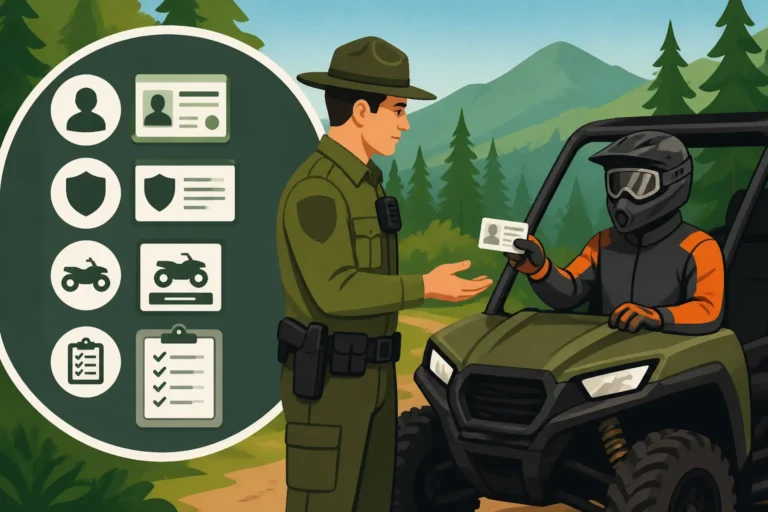
- Proof of Vermont Residency: A valid Vermont driver's license or state ID card, or other accepted documents like a utility bill or lease agreement with your Vermont address.
- Proof of Insurance: Vermont requires liability insurance for ATVs and UTVs. You'll need to show proof of a valid policy for your machine. Your insurance agent can provide you with an insurance card or declaration page that meets the state's minimum requirements (typically $25,000 for one person, $50,000 for two or more, and $10,000 for property damage).
- Application for Registration (Form VD-119): This form can often be filled out at the DMV office or downloaded in advance from the Vermont DMV website. It asks for basic information about you and the machine.
- Payment for Fees and Taxes: Be prepared to pay the registration fee and the Purchase and Use Tax. The [Vermont ATV Registration Cost] varies based on the registration period (one or two years) and whether it's an ATV or an ASV (All-Terrain Spacial Vehicle), which includes many side-by-sides. Check the current rates on the DMV's website before you go.
For a comprehensive list of what the DMV accepts as proof, refer to [Proof of Ownership Vermont's DMV Will Accept] and [Vermont Registration Paperwork Checklist]. Having these documents organized will make your visit to the DMV much smoother.
The Registration Process: In Person or By Mail
You have a couple of options for registering your newly acquired machine:
- In-Person at a DMV Office: This is often the quickest way to complete the process, as a clerk can review your documents immediately and issue your registration and plate on the spot. Vermont has several DMV offices across the state. It's often wise to check if you need an appointment, especially during peak times. Bringing all your organized documents will speed up the process significantly.
- By Mail: If visiting a DMV office isn't feasible, you can mail your completed application, original title (if applicable), bill of sale, proof of insurance, and payment to the Vermont DMV headquarters. Be sure to make copies of all documents for your records before mailing, and consider using certified mail for important original documents. The turnaround time for mail-in registrations can be longer, so plan accordingly if you want to ride soon. Details on [Registering by Mail Versus in Person] can help you decide which method suits you best.
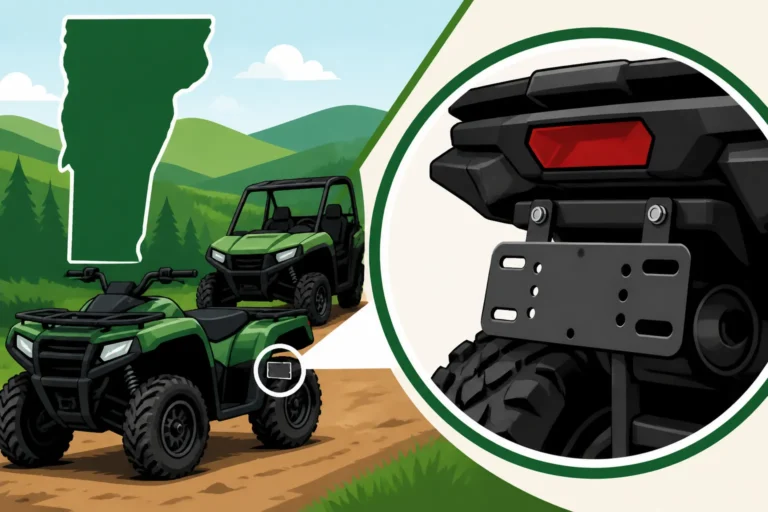
Once your registration is processed, you'll receive your Vermont ATV registration certificate and a license plate. Remember, the plate must be affixed to the rear of your machine, clearly visible, before you venture out onto any public trails or designated roads. For a general overview of the process, you might find [How to Register an ATV in Vermont] helpful.
Common Roadblocks and How to Avoid Them
Even with the best intentions, purchasing an ATV or UTV from a private seller can present unexpected challenges. Being aware of these potential roadblocks and knowing how to navigate them can save you a lot of grief and ensure your purchase goes as smoothly as possible.
The "Too Good to Be True" Deal
We've all seen those listings – an ATV that looks brand new, with incredibly low mileage, at a price that seems impossibly cheap. While everyone loves a bargain, these often come with hidden risks. Scammers frequently use low prices to lure unsuspecting buyers. They might demand a deposit before you see the machine, claim the machine is out of state and needs to be shipped, or simply disappear after taking your money.
Always be wary of deals that feel "too good to be true." Insist on seeing the machine in person, verifying the VIN, and completing all paperwork before any money changes hands. If a seller is pushing you to make a quick decision or refusing to provide detailed information, walk away. Your gut feeling is often right. Genuine sellers will be patient and willing to accommodate reasonable requests to prove the legitimacy of their sale.
Dealing with a Missing or Incorrect VIN
The VIN is the unique identifier for your ATV or UTV, much like a social security number for a person. It's essential for title transfers, registration, and insurance. If the VIN on the machine is missing, obscured, or doesn't match the one on the title or bill of sale, you have a serious problem.
First, clarify with the seller. Is it simply dirty or difficult to find? Many ATVs have the VIN stamped on the frame in a specific location (often near the front left wheel or under the seat). If it's genuinely missing or tampered with, do not proceed with the purchase. This could indicate a stolen machine or one that has been illegally modified. The Vermont DMV will be unable to register a machine without a clear and verifiable VIN. If you're dealing with an older machine that might have a worn VIN, it's a good idea to bring someone knowledgeable or even contact the DMV for guidance before committing to the purchase. The DMV has specific procedures for machines with problematic VINs, but it's often a complex process that you want to avoid if possible. In such rare and difficult cases, even templates from services like LawDepot for ownership documents might not be enough if the core identity of the vehicle is in question.
Lien Holders and Clear Titles
One of the most significant pitfalls in private sales is an undisclosed lien. A lien means a bank or other lender has a financial claim on the machine until a debt is paid off. If you buy a machine with a lien, that lien can transfer with it, potentially leaving you responsible for the seller's debt, or worse, the machine could be repossessed.
Always check the title for any listed lienholders. If there is one, ensure you get a lien release document directly from the lienholder (usually the bank) or verify that the seller has a clear title in hand before you finalize the purchase. A common scenario is when the seller pays off their loan right at the time of sale. In this case, you might meet the seller at their bank, where they receive the clear title or the lien release, and you then exchange funds. Never assume a lien will be taken care of "later." Always verify the title is clear and transferable into your name. If you encounter a machine with an active lien, it might be safer to seek out a different deal entirely, or insist on involving the lienholder directly in the transaction to ensure a proper release of their claim. For more on this, consider [Buying a Machine Whose Title Names a Lienholder].
Disclaimer
This article is for general informational purposes only and does not constitute professional advice. Laws, prices and regulations vary by location and change over time. Consult a qualified professional for guidance on your specific situation.