Vermont Snowmobile Fees Split, ATV Fees Do Not
It's a common point of confusion for riders across Vermont: trying to make sense of what you're actually paying for when you register your beloved recreational vehicle. Many assume that all off-road machines follow the same financial pathway, but the reality is a bit more nuanced, especially when you compare snowmobiles and ATVs. This guide aims to clear up the differences, helping you understand why Vermont's snowmobile fees are structured differently than those for ATVs, and what that means for your wallet and your riding opportunities.
The Nuance of Recreational Vehicle Fees in Vermont
When you decide to hit the trails or simply register your ATV or snowmobile for legal operation in Vermont, you're not just paying a single, simple fee. There's a whole ecosystem of costs designed to keep the trails open, safe, and well-maintained. It's easy to look at the numbers and feel a bit overwhelmed, wondering where all your hard-earned money actually goes. Are you just paying for a sticker, or is there more to it?
Why Fees Exist: Trail Maintenance, Safety Programs, and Administration
Every dollar collected through registration and other associated fees plays a crucial role in supporting the vibrant recreational vehicle culture in Vermont. A significant portion of these funds goes directly back into the trail systems you love to ride. This includes everything from repairing culverts and clearing fallen trees to maintaining bridges and posting clear signage, ensuring that the miles of trails remain accessible and enjoyable for everyone. Without these funds, the extensive networks managed by volunteer clubs simply couldn't exist.
Beyond trail maintenance, a slice of the pie also supports vital safety programs. This could involve funding educational courses, promoting safe riding practices, or even assisting with enforcement efforts to keep trails safe for all users. Then, of course, there are the administrative costs associated with processing thousands of registrations each year, managing databases, and issuing the necessary paperwork and plates. It's a complex ballet of funding that keeps the gears turning.
The Core Distinction: How Snowmobile and ATV Fee Structures Differ
Here's where the rubber meets the road, or perhaps, the track meets the snow. The fundamental difference between snowmobile and ATV fee structures in Vermont lies in how the state registration fee itself is handled and integrated with trail access. While both types of machines require a state registration to be legally operated, and both require an additional permit or decal to access the vast network of organized trails, the way these costs are bundled or kept separate is where the distinction arises. Understanding this core difference is key to budgeting for your riding season, whether you prefer winter's frosty trails or summer's dusty paths.
Vermont Snowmobile Registration: A Collaborative Approach
For snowmobile enthusiasts in Vermont, the fee structure often feels like a more integrated system, largely due to the long-standing partnership between the Vermont Department of Motor Vehicles (DMV) and the Vermont Association of Snow Travelers (VAST). This collaboration has shaped how fees are collected and utilized, creating a system that, to many riders, appears to "split" the registration costs in a more direct way between state and association needs.
State Registration and VAST's Role
When you register a snowmobile with the Vermont DMV, you pay a state registration fee, which covers the administrative costs and contributes to state-level programs. However, for a snowmobiler to legally ride on Vermont's extensive VAST trail network, they also need to obtain a VAST Trail Pass. Historically, and sometimes still through certain mechanisms, there's been a very close link, if not a direct integration, between the state registration process and acquiring that VAST Trail Pass. This often creates the perception that the "snowmobile fees are split," because the act of becoming legal to ride on trails is so closely tied to both the state and the association.
VAST is a powerful, volunteer-driven organization that maintains thousands of miles of snowmobile trails across the state, working with private landowners and member clubs. The funds generated through VAST Trail Passes are absolutely critical for their operations, covering everything from bridge construction and signage to grooming equipment and landowner relations. This symbiotic relationship means that while the DMV handles the official state registration, VAST is the essential partner for actual trail access, and the fees reflect this dual requirement.
The Integrated System: What "Split Fees" Really Mean for Snowmobilers
For many snowmobilers, the cost of registration and trail access is often thought of as one, albeit with different components. You simply must have both to enjoy the sport legally on designated trails. The state registration ensures your machine is recognized by the DMV, and the VAST Trail Pass ensures you're contributing to the upkeep of the trails and have permission to use them.
This "split" means that a significant portion of the overall money spent by snowmobilers on accessing trails is channeled directly to the organization responsible for maintaining those trails. It's a funding model that has proven highly effective in building and sustaining one of the most comprehensive snowmobile trail networks in the country. When you compare this to some other recreational vehicle types, this close integration becomes even more apparent, making the snowmobile system quite unique in its direct funding pipeline.
Vermont ATV Registration: A Direct State Fee
In contrast to the snowmobile system, the way Vermont handles All-Terrain Vehicle (ATV) registration fees is generally more straightforward from the DMV's perspective. For ATVs, the state registration fee is primarily a direct payment to the state for the legal operation of your machine, with trail access being handled through a completely separate mechanism. This clear separation is what often leads to the statement that "ATV fees do not split" in the same way snowmobile fees might.
The DMV's Role in ATV Registration
When you head to the Vermont DMV to register your ATV, you're paying a fee that goes directly to the state. This fee covers the administrative costs associated with issuing your registration and plate, and it also contributes to general state funds that may support various transportation and safety initiatives. You'll find specific details on these costs, such as [Vermont ATV Registration Costs and Terms], through official DMV channels. The initial registration process ensures your ATV is legally recognized, much like registering a car or a motorcycle.
The key here is that this specific registration fee, whether you opt for [The $45 One-Year Fee] or [The $90 Two-Year Fee], is primarily for the legal identification and state authorization of your machine. It doesn't inherently include a direct contribution or earmark for a specific trail association in the same way that certain snowmobile fee structures might imply. You get your registration, your decal, and your plate, allowing you to legally operate your ATV where permitted, but it doesn't automatically grant you access to the state's organized trail networks.
The Separate Trail Access Decal (TAD)
To ride on the VASA (Vermont ATV Sportsman's Association) trail system, which comprises thousands of miles of trails managed by local clubs, you need a separate purchase: the [Vermont TAD: The Trail Access Decal Explained]. This decal is an additional cost, distinct from your state registration fee, and its purchase directly supports VASA and its member clubs in maintaining and expanding the ATV trail network.
This is the major difference that leads to the "ATV fees do not split" assertion for the registration fee itself. While you absolutely need both the state registration and the TAD to ride on VASA trails, the financial transaction for each is entirely separate. You register your ATV with the DMV, and then you purchase your TAD directly from VASA or one of its authorized vendors. This clear delineation ensures that the funds for trail maintenance are explicitly channeled through VASA, rather than being part of a split or integrated state registration fee. If you're comparing machines, it's also worth noting how [Vermont ATV Versus ASV Classes] might change your registration costs.
Practical Implications for Vermont Riders
Understanding these distinct fee structures is more than just an academic exercise; it has real, tangible impacts on your budget and your riding experience. Whether you're a multi-sport enthusiast or dedicated to just one machine, knowing where your money goes helps you plan effectively.
Cost Breakdown for ATV Enthusiasts
For ATV riders, your financial commitment comes in at least two distinct phases. First, there's the state registration fee, which, as we've discussed, is a straightforward payment to the DMV. This covers your initial legal authorization to operate the machine. Many riders opt for a longer term, like the two-year option, to save on the hassle of annual renewals and potentially a small amount in fees over time. Remember, machines that fit [Vermont's 72-Inch, 2,500-Pound ATV Definition] generally follow this structure.
Secondly, and crucially, if you plan to explore the VASA trail system, you absolutely must factor in the cost of the [Vermont TAD: The Trail Access Decal Explained]. This is a separate annual purchase that directly supports the vast network of ATV trails maintained by VASA and its volunteer clubs. Without it, you cannot legally ride on designated VASA trails. This means that while your state registration fee might seem singular, your overall cost to legally ride on trails involves these two distinct payments. It's also important to consider the [Vermont Purchase and Use Tax on an ATV] when you first acquire your machine, which is another upfront cost.
Cost Breakdown for Snowmobile Enthusiasts
Snowmobilers, while also paying for state registration and trail access, often experience a more consolidated approach. While the state registration is a distinct fee, acquiring the VAST Trail Pass often feels more integrated into the overall snowmobile ecosystem. You're effectively paying into a system where the state and VAST work closely to ensure trail access.
The combined cost for snowmobilers ensures that the extensive VAST trail network, known for its grooming and connectivity, receives the necessary funding. For snowmobilers, the "split" refers less to separate financial transactions and more to the collaboration between state and association in making the entire system work seamlessly. This can sometimes make budgeting seem simpler, as the necessary components for trail riding are often presented as a unified package, even if the funds are eventually distributed between different entities.
Understanding Your Financial Commitment: Budgeting for Both Types of Machines
Regardless of whether you own an ATV, a snowmobile, or both, a clear understanding of your financial commitment is paramount. For ATV riders, mentally separating the DMV registration from the VASA TAD is key. Don't assume one covers the other. Always budget for both if you intend to ride trails. For snowmobilers, ensure you understand how your state registration and VAST pass work together, and if there are any options for bundling or combined purchases.
It's also worth noting that if you have a machine classified as an ASV (All-Terrain Vehicle Class A), your registration costs might be different. For example, an ASV might have a [Vermont ASV Registration at $108 a Year] for one year or [Vermont ASV Two-Year Registration at $211]. These differences highlight the importance of understanding your machine's specific classification. Always consult the Vermont DMV website or a tool like LawDepot for up-to-date information on forms and classifications, especially if you're dealing with specific legal documents or ownership transfers.
Navigating Registration and Trail Access
Getting your machine registered and ready for the trails can feel like a maze of paperwork and rules. Knowing the steps for both ATV state registration and acquiring your trail access decal can save you a lot of headaches and ensure you're compliant before your first ride.
Registering Your ATV: The Process and Required Forms
Registering your ATV in Vermont involves a visit to the DMV, either in person or by mail. You'll need to complete specific forms, most notably [Filling Out Vermont's Form VD-119], which is the application for motor vehicle registration and title. This form gathers all the necessary information about you and your machine, including your personal details and the ATV's make, model, VIN, and engine size. If you're registering a machine bought out of state or through a private sale, you'll also need proper proof of ownership, such as a bill of sale or previous title.
It's crucial to have all your ducks in a row when you go to register. Missing a single piece of documentation can lead to delays and multiple trips to the DMV. Make sure you understand how [Vermont's Two-Year ATV Registration Option] works if you want to save yourself an annual trip. And don't forget about [Vermont Purchase and Use Tax on an ATV], which is typically collected at the time of first registration, unless you qualify for an exemption. Websites like LawDepot can also provide templates for bills of sale if you're engaging in a private transaction, ensuring you have clear documentation accepted by the DMV.
Acquiring Your VASA Trail Access Decal: How and Why It's a Separate Step
Once your ATV is officially registered with the state and you have your shiny new plate, your next step for trail riding is to get your [Vermont TAD: The Trail Access Decal Explained]. This decal is your pass to the vast network of VASA trails, and it's a completely separate transaction from your DMV registration. You typically purchase these decals directly from VASA online, through a VASA member club, or at authorized vendors.
The "why" behind this separate step is primarily financial transparency and direct funding for trail systems. By having a distinct purchase for the TAD, VASA can directly collect and manage the funds necessary for trail maintenance, insurance, and landowner relations. This ensures that the money you pay for trail access goes straight to the organization responsible for providing and maintaining those riding opportunities. Think of it as a membership fee that directly supports the infrastructure you use.
Key Paperwork Considerations: Ensuring You Have Everything Needed
To avoid any last-minute stress, always review the [Vermont Registration Paperwork Checklist] before you head to the DMV or submit anything by mail. This checklist will typically include:
- Completed VD-119 Form: Your application for registration.
- Proof of Ownership: This could be a manufacturer's certificate of origin (MCO) for a new machine, or a title and bill of sale for a used one. If you bought from a private seller, having a detailed bill of sale, perhaps generated using a template from LawDepot, is critical.
- Proof of Vermont Residency: Such as a Vermont driver's license or utility bill.
- Payment for Fees: Be prepared for both the registration fee and any applicable sales or use tax.
For your TAD, you'll simply need to provide your registered ATV's information and payment to VASA. Keeping these documents organized and easily accessible will make your registration process as smooth as possible, ensuring you're ready to hit the trails without unnecessary delays.
Comparing ATV and Snowmobile Registration in Vermont
To truly grasp the differences, it's helpful to see a direct comparison of the key aspects of registration and trail access for ATVs and snowmobiles in Vermont. While both require state registration and trail passes for network access, the specifics of how those fees are handled and distributed vary.
| Feature | Vermont ATV Registration | Vermont Snowmobile Registration |
|---|---|---|
| State Registration Fee | Paid directly to Vermont DMV. | Paid directly to Vermont DMV. |
| Trail Access Mechanism | Requires separate purchase of VASA Trail Access Decal (TAD). | Requires separate purchase of VAST Trail Pass. |
| Funding Flow | DMV fee to state; TAD fee directly to VASA for trail maintenance. | DMV fee to state; VAST pass fee directly to VAST for trail maintenance. (Often perceived as a more integrated "split"). |
| Primary Beneficiary of Trail Fee | VASA and its member clubs. | VAST and its member clubs. |
| Registration Term Options | Typically one-year or two-year. | Typically one-year. |
| Overall Perception of "Split" | Fees for state registration and trail access are distinct. | Fees for state registration and trail access often perceived as closely linked or integrated into one overall cost for trail riding. |
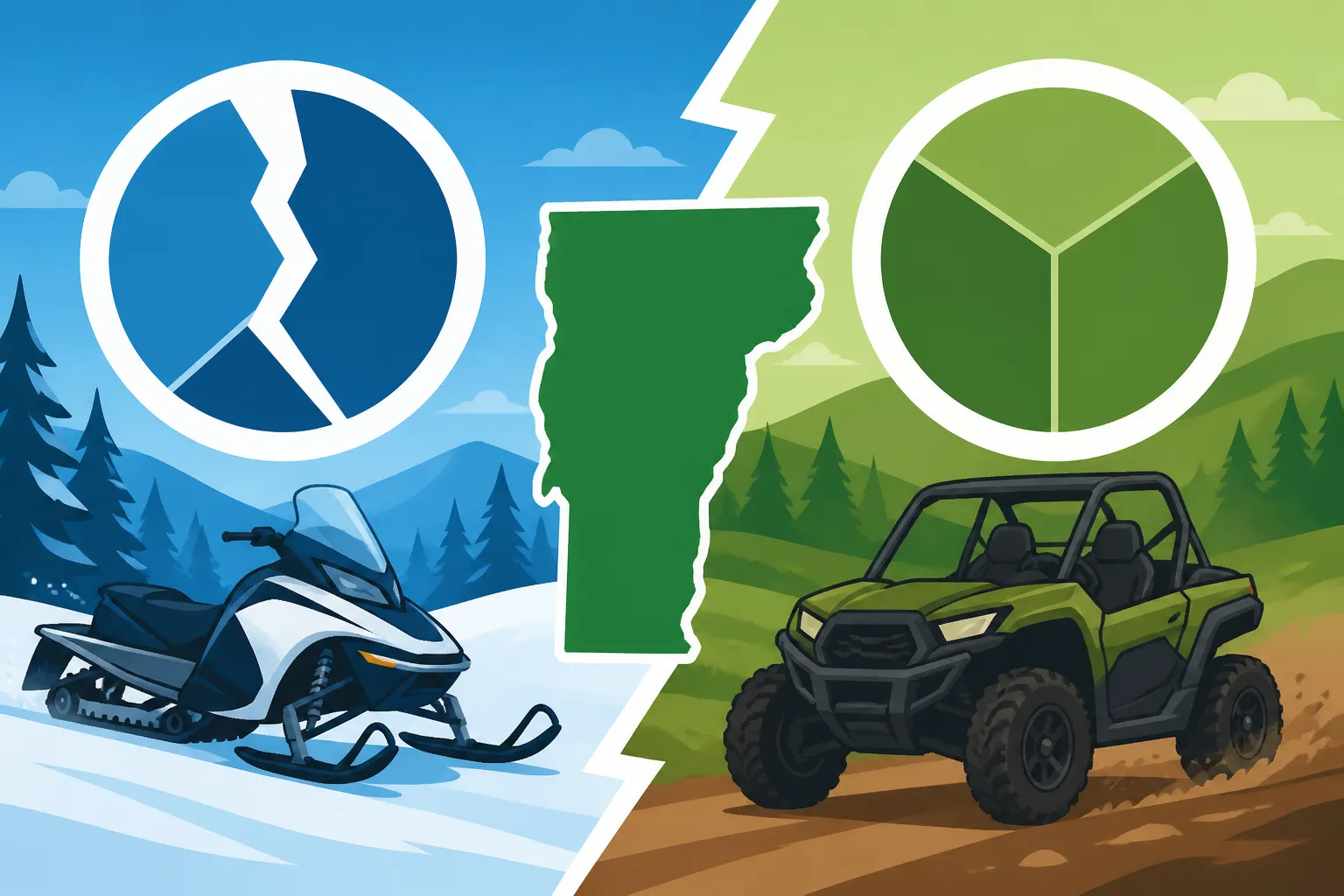
This table highlights that while the outcome is similar (state registration + trail access), the process and perception of how fees are handled for ATVs versus snowmobiles distinctively differ. For ATVs, the state fee and the trail access fee are undeniably separate purchases, emphasizing the "ATV fees do not split" perspective regarding the initial state registration itself. Snowmobile fees, while also composed of state and association components, often feel more unified in their purpose for the rider. This difference is also reflected in the fact that Vermont Snowmobile Fees Split, ATV Fees Do Not (as a topic title) points to this fundamental distinction.
The "Why" Behind the Difference: Historical Context and Impact
Understanding the historical development of recreational vehicle laws and trail systems in Vermont offers valuable insight into why these fee structures evolved the way they did. It's not just arbitrary; these systems reflect years of negotiation, volunteer efforts, and legislative decisions.
Evolution of Trail Funding: How These Systems Developed
The snowmobile network in Vermont, largely spearheaded by VAST, has a longer, more established history compared to the organized ATV trail system. VAST has been around for decades, and over that time, the relationship between the state and the association evolved to create a highly integrated system for funding trail maintenance. This often meant a more direct or bundled approach to registration and trail pass fees, where the state recognized VAST's crucial role in managing winter recreation. The infrastructure for snowmobiling, including extensive grooming and trail maintenance, required a consistent and robust funding model, leading to the efficient "split" or integrated payment system.
For ATVs, the organized trail system through VASA is newer, and its development has followed a different path. While VASA has made incredible strides in creating a comprehensive trail network, the legislative and administrative framework for ATVs developed with a more distinct separation between state registration and private trail access. This means that the state DMV handles the basic registration, and VASA directly manages and funds its trails through the sale of the TAD. This separation was perhaps a conscious decision to delineate state responsibility from private association management, giving VASA more autonomy over its trail funding.
Impact on Trail Development and Maintenance
The differing funding models have had distinct impacts on how trails are developed and maintained for each type of machine. The integrated nature of snowmobile funding through VAST has allowed for a powerful, centralized approach to trail management, leading to consistently groomed trails and a widely recognized network. It's a testament to how effective a collaborative funding model can be.
For ATVs, the direct funding model through the VASA TAD ensures that every dollar spent on a decal goes specifically towards the ATV trail system. This allows VASA to directly fund its initiatives, from securing landowner permissions to building new sections of trail and maintaining existing ones. While it might require an extra step for the rider, it provides clear accountability for how those trail access funds are being used. Ultimately, both systems are designed to foster and sustain vibrant recreational opportunities, even if their financial mechanics differ. The existence of these fees means that Vermont's recreational trails are not just available, but actively cared for and maintained.
Looking Ahead: Potential Changes or Ongoing Debates
Laws and regulations, especially concerning recreational vehicles, are rarely static. As the popularity of ATVs and UTVs continues to grow, and as environmental and land-use considerations evolve, there are always ongoing discussions and potential legislative changes. Future debates might revolve around further streamlining processes, adjusting fees to meet rising maintenance costs, or even re-evaluating the relationship between state agencies and recreational associations.
Riders are always encouraged to stay informed about potential changes by checking official DMV and VASA websites. Attending local club meetings or staying engaged with statewide organizations like VASA can also provide insights into legislative discussions that could impact how your machines are registered and how your fees are structured in the future. What's clear is that the commitment to maintaining Vermont's beautiful outdoor spaces for recreational riding remains a priority, and the funding mechanisms, however structured, are essential to that goal.
Disclaimer
This article is for general informational purposes only and does not constitute professional advice. Laws, prices and regulations vary by location and change over time. Consult a qualified professional for guidance on your specific situation.