Vermont Charges Residents and Visitors the Same
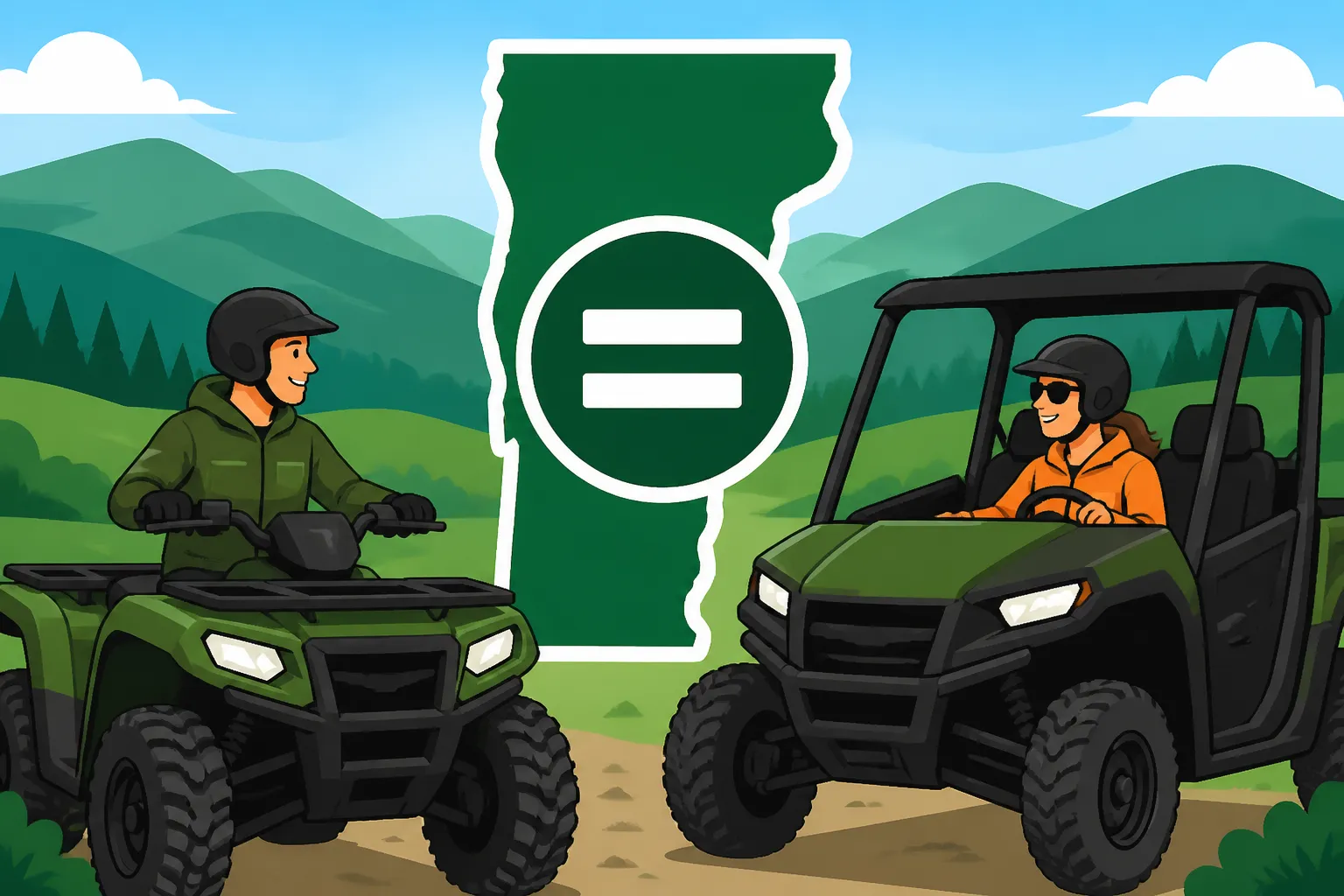
It can be incredibly frustrating when you're planning an ATV or UTV adventure, especially if you're traveling across state lines, only to find a labyrinth of different rules and costs depending on where you call home. You might expect to pay more as an "outsider," or worry about navigating a completely different system. But here in Vermont, when it comes to registering your ATV or ASV (All-Surface Vehicle), the Green Mountain State has a refreshingly straightforward approach: residents and visitors alike pay the exact same registration fees. This guide will walk you through everything you need to know about registering your off-highway vehicle in Vermont, highlighting this equitable fee structure and making sure you're prepared for the trails, no matter your home address.
Understanding Vermont's ATV and ASV Registration System
Vermont's dedication to its scenic trails and outdoor recreation means a well-defined system for off-highway vehicles. Before we dive into the costs, it's crucial to understand what kind of machine you're dealing with and how Vermont classifies it. This initial clarity will save you headaches and ensure you're on the right track from the start.
What Qualifies as an ATV (All-Terrain Vehicle) in Vermont
For many of us, an ATV brings to mind those rugged, open-seated machines designed for single riders or sometimes a passenger. In Vermont, the definition for an ATV is quite specific, and it's important to get this right because it directly impacts your registration class and fees. Generally speaking, an ATV is a motor vehicle that travels on three or more low-pressure tires, has a seat designed to be straddled by the operator, and handlebars for steering. It's built for off-road use, making it perfect for exploring Vermont's vast trail network.
The specific dimensions matter here, too. Vermont has a clear threshold for what constitutes an ATV versus a larger ASV, primarily focusing on width and weight. If your machine fits these traditional ATV parameters – not too wide, not too heavy, with that straddle-seat design – then you'll fall into the ATV registration category. This classification is the bedrock for the fees we're discussing today, setting the stage for either the [The $45 One-Year Fee] or the [The $90 Two-Year Fee], depending on your chosen registration period. Getting this initial classification correct is paramount to avoiding any hiccups at the DMV.
What Qualifies as an ASV (All-Surface Vehicle) in Vermont
Now, what about those bigger, often more comfortable machines, usually with side-by-side seating and a steering wheel? Vermont calls these All-Surface Vehicles, or ASVs. Think of your UTVs, side-by-sides, or multi-seat off-road vehicles. The ASV category typically covers machines that exceed the width or weight limits of an ATV, or those that have seats designed for occupants to sit side-by-side rather than straddling the engine. These vehicles are becoming incredibly popular for family outings, hunting, and utility work on larger properties, offering increased capacity and often a more car-like driving experience.
The key distinction for an ASV often comes down to its width, specifically machines wider than 72 inches, or those with a dry weight exceeding 2,500 pounds, but still operating on low-pressure tires. If your pride and joy falls into this larger category, it will be registered as an ASV Class A machine. This distinction is crucial because [Why an ASV Costs More to Register] than a standard ATV. The fees, while still uniform for all applicants, are higher for ASVs, reflecting their different class. So, before you head to the DMV, take a quick measurement and check your vehicle's specs to determine if you're bringing in an ATV or an ASV.
The Basic Mechanics of Vermont's Registration Period
Once you've identified your machine as either an ATV or an ASV, the next step in understanding costs is knowing the registration periods available. Vermont offers flexibility, allowing you to choose between a one-year or a two-year registration. This is a great feature, especially if you know you'll be riding consistently over multiple seasons or if you want the convenience of not having to think about renewal every single year. For many riders, the two-year option provides peace of mind and simplifies their annual planning for trail adventures.
The expiration date for your registration is always December 31st, regardless of when you initially register. So, if you register your machine in June, that one-year registration will still expire on December 31st of the same year, meaning you get less than a full calendar year of use. This is a common point of confusion for new registrants, but it's important to understand to avoid being caught off guard when your renewal notice arrives. [When a Vermont Registration Runs Only One Year] is a detail often overlooked. This system applies universally, whether you're a Vermont resident or just visiting for the season.
Deconstructing the "Same Fee for Everyone" Policy
One of the most appealing aspects of Vermont's off-highway vehicle registration system, particularly for those of us who travel to ride, is its straightforward fee structure. There's no complex tiering based on residency, no added surcharges for out-of-state plates. It's a level playing field for everyone who wants to experience Vermont's trails.
Why Vermont Chose This Uniform Approach
Vermont's decision to charge residents and non-residents the same registration fees for ATVs and ASVs wasn't arbitrary; it reflects a broader commitment to encouraging outdoor recreation and supporting the vital trail networks maintained by volunteer clubs. Many other states implement different fee schedules, sometimes significantly higher ones, for non-residents. This can understandably feel like a barrier to entry for visitors, making them think twice about bringing their machines to a new state. Vermont, however, recognizes the economic benefits that tourism, including ATV and UTV tourism, brings to its rural communities.
By maintaining a uniform fee, Vermont signals a welcoming attitude to all riders. It simplifies the administrative burden for the Department of Motor Vehicles (DMV) and eliminates confusion for riders. Imagine the frustration of trying to figure out if you qualify for a resident rate or what specific documents you need to prove residency for a discount that might not even exist here. Vermont sidesteps all that by simply saying: if you're riding an OHV on our trails, these are the costs, period. This transparency helps foster a positive relationship between the state, its residents, and the many visitors who come to enjoy the stunning Vermont landscape.
How This Policy Benefits Both Local and Visiting Riders
The "same fee for everyone" policy creates a truly equitable environment. For local Vermonters, it means they aren't subsidizing visitors, and the fees they pay directly support the same trail system and enforcement efforts that everyone benefits from. There’s a sense of fairness that can sometimes be lacking in other states where residents might feel burdened by having to pay higher taxes or fees while visitors enjoy similar access at a lower comparative cost. Here, the shared responsibility is clear.
For visiting riders, the benefit is perhaps even more tangible. You can plan your trip, knowing exactly what your [Vermont ATV Registration Cost] will be without any surprises. There's no need to research complex reciprocity agreements or worry about being charged an exorbitant "visitor premium." This predictability helps immensely with budgeting for a riding vacation, allowing you to focus on the fun parts of planning – like mapping out your routes or finding great local spots to eat. This approach also encourages repeat visits, as riders who have a positive and hassle-free experience are much more likely to return, further strengthening Vermont's reputation as an OHV-friendly destination. It's a win-win for everyone involved in the vibrant riding community.
Comparing Vermont to Neighboring States
While Vermont offers a consistent rate for everyone, it’s helpful to understand that this isn’t universally true across all states, especially those nearby. For instance, some of Vermont’s neighbors might have distinct fees for residents versus non-residents, or they might offer temporary permits for visitors that differ significantly from a full annual registration. These differences can create a patchwork of rules and costs that make multi-state riding trips more complicated.
This is precisely where Vermont's uniform policy shines. It removes one major hurdle that riders often encounter when crossing state lines. You don't have to research if your home state's registration is recognized here or if you'll pay triple the amount for a temporary permit. While other states might have their own valid reasons for varying fees, Vermont has chosen simplicity and equity. This can be a significant draw for riders from places like New Hampshire, Maine, or New York, who might be looking for a simpler registration process to access new trail systems. [Vermont Registration Compared to New Hampshire] and [Vermont Registration Compared to Maine] are good starting points for understanding the differences you might encounter. This approach helps cement Vermont's reputation as an accessible and welcoming destination for the entire OHV community.
Navigating the Registration Process, Regardless of Residency
So, you're convinced and ready to register your machine in Vermont. Great! The process itself is fairly straightforward, whether you're a long-time Vermonter or just planning your first riding vacation here. The key is to arrive prepared with all the necessary documents to ensure a smooth transaction.
Essential Documents Needed for All Applicants
Regardless of whether you live in Burlington or Boston, the Vermont DMV will require a specific set of documents to register your ATV or ASV. This isn't just bureaucracy; it's about proving ownership, ensuring the vehicle is properly identified, and making sure all state requirements are met. You'll definitely need proof of ownership, which typically means a manufacturer’s certificate of origin (MCO) for a new machine, or a previous title or [Writing a Bill of Sale the Vermont DMV Accepts] for a used machine. If you bought your machine from a private seller, having a properly filled out bill of sale is absolutely critical.
Beyond proof of ownership, you'll need the completed registration application form, which is VD-119. Make sure every field is filled out accurately to prevent delays. You'll also need proof of identity, such as a valid driver's license. If you're a non-resident, your out-of-state license works perfectly. Finally, be prepared to pay the applicable registration fees and any associated taxes. Having a checklist of these items before you head to a DMV office or mail in your application can save you a ton of time and frustration. Missing just one piece of paperwork can send you home empty-handed, so being meticulous here really pays off.
Step-by-Step Registration: In-Person vs. Mail
Vermont offers two primary ways to register your off-highway vehicle: in person at a DMV office or by mail. Both methods have their pros and cons, and your choice might depend on your schedule, location, and personal preference. Registering [Registering by Mail Versus in Person] can be convenient, especially for non-residents who might not be able to visit a Vermont DMV office easily. If you go this route, ensure all your documents are originals or certified copies as requested, and make sure you include a check or money order for the correct fees. It's always a good idea to make copies of everything you send for your own records.
If you opt for an in-person visit, you'll need to locate the nearest Vermont DMV office. While appointments are sometimes recommended, walk-ins are often accommodated, though you might face a wait, especially during peak times. Bringing all your original documents, including your proof of identity and ownership, is crucial. The benefit of registering in person is that any questions or issues can be resolved on the spot, and you'll often leave with your temporary registration in hand, allowing you to hit the trails sooner. For out-of-state riders who happen to be in Vermont, stopping by a DMV can be a quick and efficient way to get that registration handled. You'll simply hand over your forms, provide your payment, and often receive your temporary paperwork right there.
The Role of a Bill of Sale (and how LawDepot can help)
For many private sales, especially of used ATVs or ASVs, a properly executed bill of sale is the cornerstone of proving ownership. It’s not just a casual receipt; it’s a legal document that details the transaction, including the buyer, seller, vehicle identification number (VIN), purchase price, and date of sale. Without this, the Vermont DMV might have trouble verifying your ownership, leading to significant delays in your registration process. A handwritten note on a napkin simply won't cut it, and trying to register without clear proof of ownership is one of the biggest [Registration Mistakes Vermont Clerks See].
This is where services like LawDepot can be incredibly helpful. Whether you're a Vermont resident buying a machine from a neighbor, or a visitor purchasing an ATV from a private seller in Vermont, LawDepot provides customizable bill of sale templates that ensure you include all the necessary legal information. This takes the guesswork out of creating a document that the DMV will accept, giving both the buyer and seller peace of mind. Using a professional template from LawDepot means you’ll have a clear, concise, and legally sound record of your transaction, streamlining your registration experience significantly. It's a small investment in time that prevents much larger headaches down the road.
Breaking Down the Actual Costs: Registration and Beyond
When we talk about "costs," it's not just the sticker price of the machine. There are several fees and potential taxes you need to factor in to truly understand the expense of getting your ATV or ASV legally trail-ready in Vermont. Remember, these fees are identical for residents and non-residents, ensuring fairness for all.
Core Registration Fees for ATVs and ASVs
The primary cost you'll encounter is the registration fee itself. As mentioned, this varies based on whether your machine is classified as an ATV or an ASV, and whether you opt for a one-year or two-year registration period. The good news is that these fees are transparent and fixed. For a standard ATV, a one-year registration will run you [The $45 One-Year Fee], while opting for two years is [The $90 Two-Year Fee]. This two-year option provides a slight discount over buying two separate one-year registrations sequentially, and it definitely offers more convenience.
For the larger ASVs, because they fall into the Class A category, the fees are a bit higher. A one-year ASV registration costs [The $108 ASV One-Year Fee], and a two-year registration is [The $211 ASV Two-Year Fee]. Again, the two-year option provides a small saving and the benefit of extended coverage. These fees directly support the administration of the registration system and contribute to the overall funding for recreation in Vermont, benefiting all riders who access the trails. Understanding these fixed costs upfront is crucial for budgeting your off-road adventures.
Understanding the Purchase and Use Tax
Beyond the registration fee, there's another cost that often catches new owners off guard: the Vermont Purchase and Use Tax. This tax is levied on the purchase price of any ATV or ASV being registered in Vermont, unless a specific exemption applies. It's similar to a sales tax, but it's collected at the time of registration, not necessarily at the point of sale, especially if you buy from a private party or out of state. The current rate is applied to the net purchase price of your machine, after any trade-in credits if applicable.
This tax applies to everyone, whether you're a Vermont resident or you're registering an out-of-state machine for use on Vermont trails. For example, if you bought your ATV from a private seller in New Hampshire, you’ll still be liable for [Vermont Purchase and Use Tax on an Out-of-State Purchase] when you register it in Vermont. There are a few [Vermont Purchase and Use Tax Exemptions], such as gift transfers between immediate family members, but generally, you should anticipate paying this tax unless you've already paid a similar sales tax in another state that Vermont has reciprocity with. The DMV will require proof of payment if you claim a tax credit. This tax is a one-time cost upon initial registration in Vermont, not an annual recurring fee.
The Separate But Essential Trail Access Decal (TAD)
Here's where things get a little different from just "registration." While your ATV or ASV absolutely needs to be registered with the Vermont DMV, if you plan on riding on any of the vast, interconnected VASA (Vermont ATV Sportsman's Association) trail system, you also need a separate Trail Access Decal, or TAD. This is a critical distinction that sometimes confuses new riders. Think of it this way: registration makes your machine legal to operate in Vermont; the TAD makes it legal to ride on designated VASA trails, which are predominantly on private land accessed through landowner permissions and maintained by volunteer clubs.
The TAD is required for all riders, including those who have out-of-state registrations. Even if your machine is registered elsewhere, you will still need to purchase a [Vermont TAD for a Visitor's Machine] to access the VASA trails. This decal helps fund the trail maintenance, landowner relations, and insurance for the trail system. It's usually purchased annually and expires on December 31st each year. [Vermont Requires Registration Plus a TAD] for anyone who wants to fully enjoy the state's amazing trail network. So, when you're budgeting, don't forget to factor in this additional, yet absolutely necessary, cost if you plan on experiencing Vermont's beautiful trails.
Common Questions and Scenarios for All Riders
Even with the clarity of a uniform fee structure, specific situations often arise that can cause confusion. Let's tackle some of the most common questions and scenarios, ensuring that both residents and visitors have a clear path forward.
What Happens if You Buy Out-of-State?
A common scenario for both Vermonters and visitors who choose to register in Vermont is purchasing an ATV or ASV from a dealership or private seller outside the state. Perhaps you found a better deal in New Hampshire or stumbled upon a rare model in Maine. The good news is that Vermont's registration process is designed to accommodate this. You absolutely can [Vermont Registration for a Machine Bought Out of State]. The process is largely the same as if you bought it within Vermont, but there are a couple of additional considerations.
First, you'll need all the standard documentation, including the MCO if new, or a title/bill of sale if used. If you bought it from a dealer out of state, they should provide you with the necessary paperwork. If it was a private sale, a clear, comprehensive bill of sale, perhaps generated using a template from LawDepot, is essential. Second, remember that Vermont's Purchase and Use Tax will almost certainly apply, unless you can prove you paid a similar sales tax in the state of purchase and Vermont has a reciprocity agreement. Don't assume that because you bought it elsewhere, you're exempt. The DMV clerks are accustomed to this scenario and can guide you through any specific nuances for your out-of-state purchase.
Renewing Your Registration: A Uniform Process
Once you've successfully registered your ATV or ASV, whether for one or two years, the time will eventually come for renewal. Just like the initial registration, the renewal process is consistent for all registrants, regardless of residency. This means no special hoops to jump through for visitors, and no different forms for locals. The Vermont DMV will typically send you a renewal notice in the mail well before your registration is due to expire on December 31st.
You can usually [Vermont ATV Registration Renewal] online, by mail, or in person at a DMV office. Whichever method you choose, you'll need your current registration information and payment for the renewal fees. For many, renewing online is the quickest and most convenient option, allowing you to get your updated registration sticker and card without leaving home. It’s always a good idea to renew early to avoid any lapse in registration, especially if you plan on riding in the winter or early spring. A smooth renewal process means you're always ready to hit the trails legally and without interruption.
Addressing Lost Plates or Paperwork
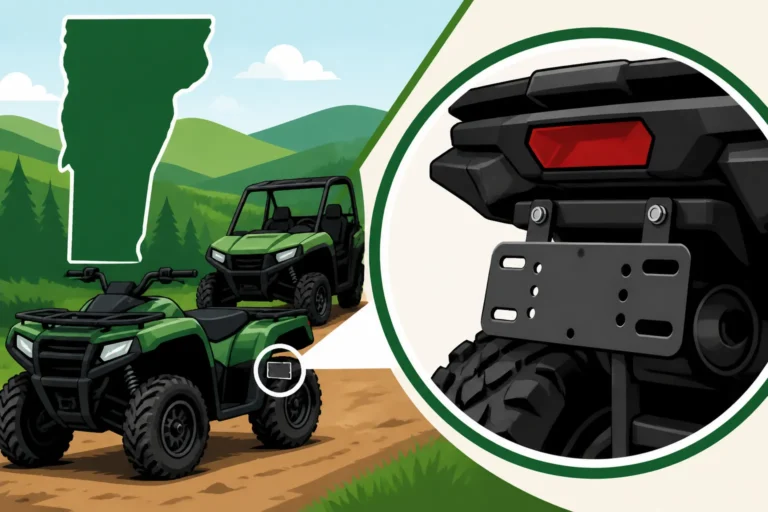
Life happens, and sometimes things get lost or damaged. It's not uncommon for a registration plate to get bent or fall off on a bumpy trail, or for your registration card to go missing. When this happens, it can be a moment of panic, wondering if you'll have to go through the entire registration process again. Thankfully, replacing [Vermont ATV Plates and Where They Go] or a lost registration card is a relatively simple and standardized process for everyone.
You'll need to contact the Vermont DMV, either by phone, mail, or in person, to request a replacement. There is typically a small fee associated with replacing a plate or a registration document, but it's a minor cost compared to the original registration fee. You won't need to re-submit all your original ownership documents, though you might need to provide proof of your identity and current registration details. Getting a replacement promptly is important, as riding without a visible, valid plate or carrying your registration card can lead to issues if you're stopped by a warden or law enforcement. Don't let a minor inconvenience turn into a bigger problem; address lost items quickly.
| Vehicle Type | Registration Period | Fee (Residents & Non-Residents) | Notes |
|---|---|---|---|
| ATV (All-Terrain Vehicle) | 1 Year | $45 | For machines on 3+ low-pressure tires, straddle-seat, handlebars, within size/weight limits. |
| ATV (All-Terrain Vehicle) | 2 Years | $90 | Cost-effective option for sustained riding. |
| ASV (All-Surface Vehicle) | 1 Year | $108 | For UTVs, side-by-sides, multi-seat machines, or those exceeding ATV size/weight limits. |
| ASV (All-Surface Vehicle) | 2 Years | $211 | Recommended for long-term use of larger machines. |
| Additional Costs | |||
| Purchase & Use Tax | One-time at registration | Varies (check current rate) | Applied to purchase price, unless exempt or prior tax paid. |
| Trail Access Decal (TAD) | Annual (expires Dec 31) | Varies (check current rates) | Required for VASA trail system access, in addition to registration. |
| Title Fee | One-time at titling | Varies (check current rate) | Required for machines 300cc+ or 300+ lbs, or if financed. [Vermont Title for an Off-Road Vehicle] |
Disclaimer
This article is for general informational purposes only and does not constitute professional advice. Laws, prices and regulations vary by location and change over time. Consult a qualified professional for guidance on your specific situation.