Vermont ASV Class A Registration Explained
It can be incredibly frustrating trying to figure out the precise legal definitions for off-road vehicles here in Vermont, especially when the state introduces new categories and rules. If you've been scratching your head over what exactly an "ASV Class A" is and what it means for registering your machine, you're not alone. This comprehensive guide will walk you through the specifics of Vermont's ASV Class A registration, clarifying the definitions, requirements, and what you need to know to stay legal on our beautiful trails.
What Exactly Is an ASV Class A in Vermont?
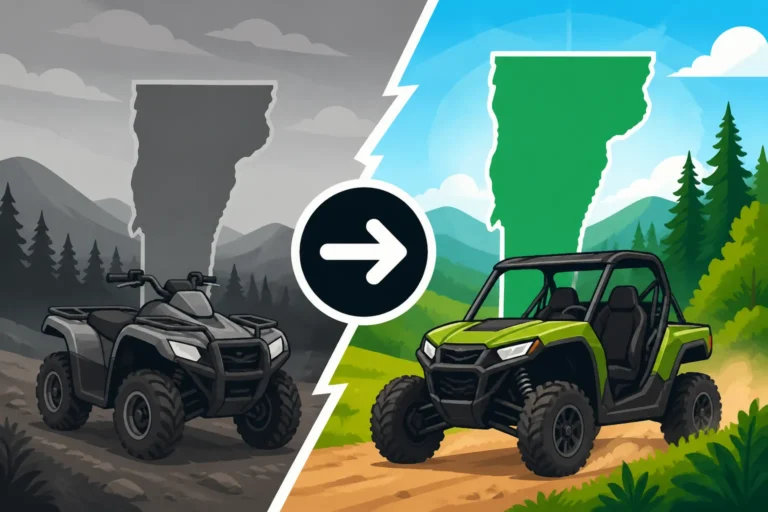
When we talk about off-road vehicles in Vermont, most folks immediately think of ATVs. But the landscape has expanded, and with it, the terminology. The state introduced specific classifications to better categorize and regulate the diverse machines riders are bringing to the trails. The ASV, or All-Terrain Vehicle (Alternative), Class A designation is one such addition, and it primarily helps differentiate larger, often multi-passenger, machines from the more traditional, smaller ATVs. It's about ensuring these bigger rigs are identified properly for safety and regulatory purposes.
Breaking Down Vermont's ASV Definition
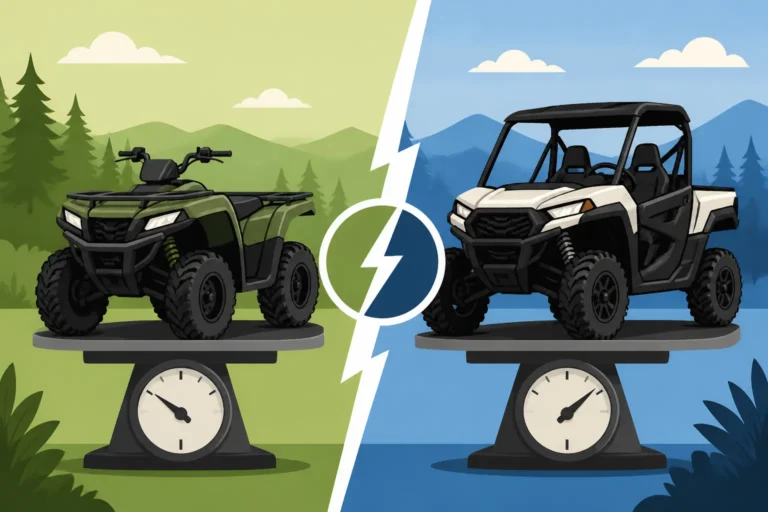
At its core, an ASV Class A in Vermont refers to a motor vehicle that is designed for off-road use, has four or more wheels, and is typically wider or heavier than what the state defines as a standard ATV. Specifically, Vermont law defines an ASV as an all-terrain vehicle that exceeds 72 inches in width or 2,500 pounds dry weight. This is a crucial distinction because it moves these machines out of the "ATV" category and into their own special classification. If your side-by-side or utility vehicle tips the scales past that weight or spans wider than 72 inches from tire to tire, you're likely dealing with an ASV Class A. It's not just a casual label; it directly impacts how you register it, what fees you pay, and even where you might be able to ride.
For many riders, the term "ATV" has become a catch-all for anything with four wheels designed for dirt. However, Vermont's Department of Motor Vehicles (DMV) has very clear lines in the sand. When you're standing in front of your machine, measuring its width or looking up its dry weight in the owner's manual, remember those numbers: 72 inches and 2,500 pounds. Exceeding either of these thresholds means you're no longer registering an ATV, but an ASV Class A. This distinction is vital for understanding your obligations and avoiding potential issues down the road. It also helps manage expectations about trail access, as not all trails that welcome standard ATVs are automatically open to larger ASVs.
The Key Differences from a Standard ATV
The most obvious difference, as we've just covered, is the physical size and weight. A traditional ATV is generally designed for a single rider, or occasionally two, and typically falls under the 72-inch width and 2,500-pound dry weight limits. Think of your classic quad – nimble, often single-seat, and built for aggressive trail riding. An ASV Class A, on the other hand, usually refers to what many call a side-by-side or UTV (Utility Task Vehicle). These machines often feature a steering wheel, foot pedals like a car, and side-by-side seating for two, four, or even six passengers. They often have larger cargo beds and are designed for a broader range of tasks beyond recreational trail riding, including utility work, hunting, or family outings.
Beyond the physical dimensions, the registration process and associated costs are also different. While both require registration with the Vermont DMV, the fees for an ASV Class A are higher. This isn't just about revenue; it reflects the state's recognition of the different impacts these larger, heavier machines might have on trails and infrastructure. You'll find specific fee structures tailored to ASVs, which we'll dive into shortly. Furthermore, while the general spirit of off-road safety applies to both, the sheer size and passenger capacity of an ASV Class A can bring additional considerations regarding [Vermont ATV Helmet Law for Every Rider] and passenger safety, especially for younger riders. Always double-check the manufacturer's recommendations for passengers and ensure everyone adheres to Vermont's safety requirements.
Why Does Vermont Have a Separate ASV Class?
It's easy to look at new classifications and wonder, "Why complicate things?" But Vermont's decision to create a distinct ASV Class A wasn't arbitrary. It stemmed from a need to address the evolving landscape of off-road recreation. As manufacturers developed bigger, more powerful side-by-sides, these machines began to outgrow the existing ATV definitions and, in some cases, the capabilities of the trails and roads they were being ridden on. The state recognized that a one-size-fits-all approach no longer made sense for regulation, safety, or infrastructure management.
The Legislative Intent Behind Class A
The primary legislative intent behind establishing ASV Class A was multi-faceted. First, it aimed to provide a clearer regulatory framework for these increasingly popular, larger machines. Without a specific category, there was ambiguity about how they fit into existing ATV laws, which were largely written with smaller, single-rider quads in mind. This new classification closed that loophole, giving law enforcement and trail managers explicit guidelines. Second, and crucially, it was about safety. Larger, heavier machines handle differently than traditional ATVs, and they often carry multiple passengers. The state wanted to ensure that regulations could be tailored to the specific risks and characteristics of these vehicles, promoting safer operation for everyone.
Furthermore, the separate classification allowed for different fee structures. This isn't just about charging more; it reflects the potential for greater wear and tear on trails, especially those maintained by volunteer clubs. Higher fees for ASVs help offset these increased maintenance costs, contributing to the sustainability of Vermont's trail system. It also acknowledged the evolving uses of these vehicles, from purely recreational to utility and family transport. By creating the ASV Class A, Vermont created a pathway for these machines to be legally recognized and integrated into the state's robust off-road network, provided they meet specific criteria and adhere to designated routes. It's a proactive step to manage the growth and diversification of our riding community.
Impact on Trail Access and Safety Regulations
The most immediate impact of the ASV Class A designation for riders is often felt on trail access. While many trails welcome both ATVs and ASVs, not all do. Some narrower trails, or those with sensitive environmental considerations, might be explicitly closed to machines exceeding the 72-inch width limit. This is why understanding your machine's classification is so critical before you hit the trails. Clubs and landowners, who graciously allow us to ride on their property, often have rules based on machine size to protect their land and ensure rider safety. You'll need to check local ordinances and trail maps carefully. [Vermont Trails That Cross Farmland] often have very specific rules due to the impact larger machines can have.
From a safety perspective, the ASV Class A rules bring certain considerations into sharper focus. While helmets are mandatory for all ATV and ASV riders in Vermont, the presence of multiple passengers in an ASV highlights the importance of proper seating, seatbelt use, and ensuring all occupants meet manufacturer age and size requirements. [Vermont Passengers Must Wear Helmets] applies equally to ASV Class A machines. Because ASVs are often heavier and have a higher center of gravity than traditional ATVs, awareness of rollover risks is also paramount. The separate classification allows for the development of targeted safety campaigns and ensures that riders are aware of the specific challenges and responsibilities that come with operating these powerful, multi-passenger vehicles. It's about protecting both the riders and the integrity of Vermont's cherished natural spaces.
Navigating the Vermont ASV Class A Registration Process
Registering your ASV Class A in Vermont is a straightforward process once you know what to expect, but it does require careful attention to detail. Just like with any vehicle, the Vermont Department of Motor Vehicles (DMV) needs specific information and documentation to ensure ownership and compliance. Don't be intimidated; by gathering your paperwork in advance and understanding the steps, you can get your plate and hit the trails without unnecessary delays. The key is to be prepared and accurate with your submission.
Required Documents for Your ASV Class A
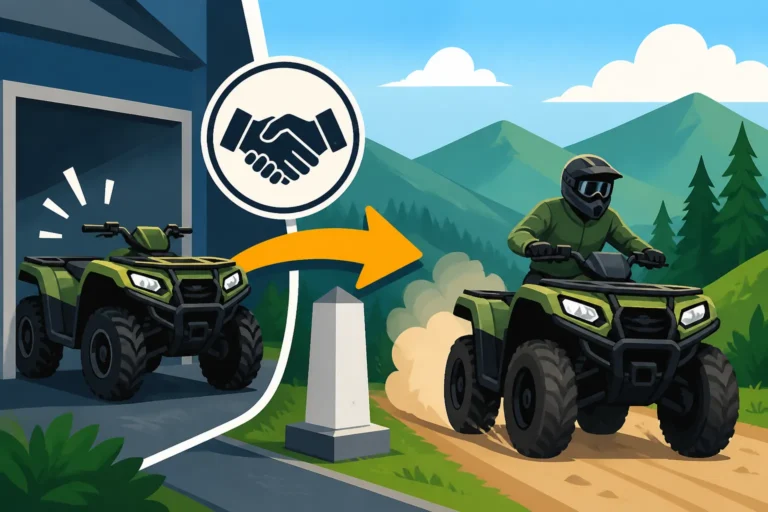
To register your ASV Class A, you'll need to present a few essential documents to the DMV. The most critical is proof of ownership. This typically comes in the form of a manufacturer's certificate of origin (MCO) for new machines, or a title (if applicable in its previous state of registration) and a bill of sale for used machines. The bill of sale is incredibly important for private sales, and it should include the date of sale, the purchase price, the full names and addresses of both buyer and seller, and a detailed description of the ASV, including its Vehicle Identification Number (VIN). [Writing a Bill of Sale the Vermont DMV Accepts] is a resource you'll definitely want to review if you're buying or selling privately. You'll also need a completed Vermont registration application form (Form VD-119, or the specific form for ASVs if a different one is provided).
In addition to ownership documents, you'll need proof of residency if you're a Vermont resident, and sometimes proof of insurance. Vermont mandates liability insurance for all registered ATVs and ASVs, so be ready to show a valid insurance card or policy declaration page. This is usually your typical liability coverage, but always confirm it meets the state's minimum requirements, which are designed to protect you and others in case of an incident. While the DMV counter staff are generally very helpful, having everything organized beforehand, perhaps even using a checklist, can save you a lot of time and frustration. If you're unsure about specific forms or need to create a legal bill of sale, resources like LawDepot can be invaluable for generating the correct documentation.
In-Person vs. Mail-In Registration for Class A
Vermont offers a couple of ways to register your ASV Class A, giving you flexibility based on your preference and schedule. The most common method, especially for first-time registrations or if you have complex paperwork, is to visit a Vermont DMV office in person. This allows you to have a clerk review your documents, answer any questions you might have on the spot, and often walk out with your temporary registration and plate. It's particularly useful if you're dealing with a [Vermont Registration After a Private Sale] or an out-of-state purchase, where unique situations might arise. While it can involve a wait, the peace of mind knowing everything is correct can be worth it.
Alternatively, if your situation is straightforward – perhaps a renewal or a new registration with very clear-cut paperwork – you might be able to register your ASV Class A by mail. This option saves you a trip to the DMV, which is a huge plus for many busy riders. You'll need to send in all your completed forms, copies of supporting documents, and payment for the registration fees and any applicable purchase and use tax. However, be aware that mail-in registrations typically have a longer processing time. It's crucial to make copies of everything you send and keep them for your records until you receive your official registration and plate. Whichever method you choose, remember that proper insurance is a prerequisite, and getting your [Vermont ATV Insurance Requirements] sorted out before you even begin the registration process is a smart move.
Understanding the Costs Associated with ASV Class A
Let's talk money, because it's an unavoidable part of owning and operating any vehicle, including your ASV Class A. Beyond the initial purchase price of your machine, there are specific fees and taxes associated with registering it in Vermont. These costs contribute to the state's infrastructure, trail maintenance, and administrative services, so understanding them helps you budget accordingly and avoid any surprises.
Annual Registration Fees for ASV Class A
One of the primary costs you'll encounter is the annual registration fee for your ASV Class A. Vermont sets a specific fee structure for these larger machines, which, as mentioned earlier, is distinct from standard ATVs. For a one-year registration period, you're looking at a particular amount, and there's also an option for a two-year registration that offers a slight discount compared to paying annually twice. For example, you might see the [Vermont ASV Registration at $108 a Year] for a single-year term. These fees are subject to change, so always check the most current figures on the Vermont DMV website or contact them directly.
These fees cover the administrative cost of issuing your registration and plate, but they also contribute to the overall management of off-road vehicle programs in the state. The additional cost for ASVs compared to standard ATVs reflects their different impact and the resources required to manage their use. When you're budgeting for your riding season, remember to factor in this registration fee. It's a non-negotiable part of legally operating your ASV Class A on Vermont's trails and designated routes. Keep in mind that these fees do not cover the VASA Trail Access Decal, which is a separate requirement for riding on most organized trail systems, though it often includes club dues.
The Purchase and Use Tax on Your ASV
Another significant cost, especially for a new purchase, is the Vermont Purchase and Use Tax. This tax applies to most vehicles purchased in or brought into the state, and ASVs are no exception. The tax is calculated as a percentage of the purchase price or the fair market value of the vehicle, whichever is higher. So, if you bought your ASV Class A from a dealer or a private seller, be prepared to pay this tax at the time of your initial registration. For a deeper dive into how this works, you can consult [Vermont Purchase and Use Tax on an ATV], keeping in mind the same principles apply to ASVs.
There are, however, some exemptions to the Purchase and Use Tax. For instance, if you're gifting an ASV to a direct family member, or if the tax was already paid in another state (and you can provide proof), you might be exempt or eligible for a credit. It's crucial to have clear documentation, such as a formal bill of sale or an affidavit, to claim any exemptions. This is another area where tools like LawDepot can be helpful for generating legally sound documents that clearly state the terms of a gift or sale, protecting you during the registration process. Always bring all relevant receipts and transfer documents to the DMV to avoid any unexpected tax assessments. Remember, paying this tax at registration is critical, as failure to do so can lead to penalties down the line.
What Happens After You Register Your ASV Class A?
Once you've navigated the paperwork, paid the fees, and successfully registered your ASV Class A, you're almost ready to hit the trails. But "almost ready" isn't fully ready. There are a few final steps and ongoing responsibilities you need to be aware of to ensure your machine is legally compliant and ready for adventure in the Green Mountain State. It's not just about getting the paper; it's about displaying the necessary identifiers and keeping them current.
Receiving and Displaying Your ASV Plate and Decals
After your registration is processed, the Vermont DMV will typically issue you a registration certificate, a sticker to place on your machine, and a physical license plate. The plate is especially important for ASVs, just as it is for ATVs. [Vermont ATV Plates and Where They Go] details the general requirements. For your ASV Class A, the license plate must be securely mounted on the rear of the machine, clearly visible, and free from any obstructions like mud or cargo. This ensures that law enforcement and trail wardens can easily identify your vehicle. Some towns, like Brighton, might have specific ordinances that also request a front plate, so it's wise to check local rules for areas you plan to frequent.
Beyond the registration plate and sticker, remember that for riding on organized VASA (Vermont All-Terrain Vehicle Sportsman's Association) trails, you'll also need a separate Trail Access Decal (TAD). This decal is crucial as it signifies your contribution to the trail system and often includes club membership dues. The TAD must also be prominently displayed on your ASV. Think of these as your machine's passport for Vermont's trails: the registration and plate are your state identification, and the TAD is your permit to travel within the VASA network. Make sure both are correctly applied and kept in good condition throughout the riding season.
Keeping Your ASV Registration Current
Registration isn't a one-time event; it's an ongoing responsibility. Your ASV Class A registration, whether for one or two years, has an expiration date. It's your job to renew it before that date passes to avoid any penalties or interruptions to your riding season. The DMV usually sends out renewal notices, but it's always best practice to keep track of your expiration date yourself. You can typically renew your registration online, by mail, or in person at a DMV office. [Renewing a Vermont ATV Registration] provides a great overview that is largely applicable to ASVs as well.
Lapsing on your registration can lead to fines if you're caught riding an unregistered machine, and it could complicate insurance claims if you're involved in an accident. Beyond the monetary penalties, riding an unregistered ASV Class A could result in your machine being towed, putting a serious damper on your day out. So, set a reminder, mark your calendar, and ensure you complete the renewal process promptly. It's a small task that prevents big headaches and keeps you legally cruising the scenic trails of Vermont.
Common Questions and Troubleshooting for ASV Class A Registration
Even with all the information in hand, unique situations inevitably arise during the registration process. Perhaps you bought your machine out of state, or maybe some crucial paperwork has gone missing. Don't worry, these are common scenarios, and there are established procedures to help you navigate them. The Vermont DMV is set up to handle a variety of situations, and knowing the solutions beforehand can save you a lot of stress.
"My ASV Was Bought Out of State – What Now?"
Buying an ASV Class A from another state, whether from a dealer or a private seller, is a common scenario for many Vermont riders. The good news is that it's absolutely possible to register such a machine here, but there are a few extra steps. First, you'll still need proof of ownership, which could be an out-of-state title, a bill of sale, and/or a manufacturer's certificate of origin (MCO). If the machine was titled in another state, you'll transfer that title to a Vermont title during the registration process. This usually involves an additional fee for the title application. [Vermont Registration for a Machine Bought Out of State] offers detailed guidance on this.
Secondly, you'll almost certainly need to pay Vermont's Purchase and Use Tax, unless you can prove the tax was already paid in the previous state at an equivalent or higher rate. Always bring all your sales receipts and previous registration documents to the DMV. They will review these to determine the amount of tax owed or if you qualify for a credit. Remember, even if the machine came from a state without a title requirement for off-road vehicles, Vermont will likely require a title application for your ASV upon its first registration in the state. This is where having comprehensive documentation, perhaps generated through a platform like LawDepot, can smooth the process for all parties involved.
Dealing with Lost Paperwork for Your ASV
It happens to the best of us: you've got a great ASV, but the original bill of sale has vanished, or the title is nowhere to be found. This can feel like a major roadblock, but it's not insurmountable. If you've lost the title for your ASV, you can apply for a duplicate title through the Vermont DMV. You'll need to fill out a specific form, pay a fee, and often provide your driver's license and the ASV's VIN. [Vermont Replacement Title Cost] gives you an idea of the associated expense.
If you've lost the original bill of sale and purchased your ASV privately, the situation can be a bit trickier but still manageable. The DMV may accept an Affidavit of Ownership in certain circumstances, particularly for older machines where original paperwork is hard to come by. This affidavit essentially serves as a sworn statement of ownership. It's best to contact the DMV directly to discuss your specific situation and find out exactly what they will accept as proof of ownership. They might also suggest having the previous owner sign a new bill of sale if possible. While dealing with lost paperwork is a hassle, a little persistence and clear communication with the DMV will get you where you need to be.
The Bigger Picture: Riding Your ASV Class A in Vermont
Getting your ASV Class A registered is a huge step, but it's just the beginning of your journey on Vermont's trails and designated routes. To truly enjoy your machine responsibly and legally, you need to understand the broader context of riding in the state. This includes knowing where you can and cannot ride, what safety gear is required, and your responsibilities as a rider. Vermont's natural beauty is a privilege to explore, and adhering to the rules helps preserve that privilege for everyone.
Understanding Trail Access and Ordinances for ASVs
Vermont's off-road trail system is largely built on the generosity of private landowners and the hard work of volunteer clubs. This means trail access isn't universal, and it can vary significantly by town and specific trail segment. For ASV Class A riders, it's doubly important to check trail maps and local ordinances, as some trails may have width or weight restrictions that exclude larger side-by-sides. While the VASA (Vermont All-Terrain Vehicle Sportsman's Association) trail system aims to accommodate a wide range of machines, specific sections might still be off-limits. You'll often find detailed maps and current conditions on VASA's website or through local clubs like the Tri-County ATV Club. [Vermont ATV Trails: The VASA System] provides an excellent overview.
Beyond the dedicated trail system, some Vermont towns have specific ordinances allowing ATVs and ASVs on certain public roads or segments. However, these are town-by-town decisions, and they often come with their own set of rules regarding speed limits, curfews, and specific routes. Never assume a road is open to ASVs; always verify with the town's selectboard or police department. [Vermont ATV Road Rules: Towns Decide] is a critical read for understanding this patchwork of local regulations. Respecting these rules, and especially private land postings, is paramount. Violating them not only risks fines but can also jeopardize the future of trail access for all riders.
Insurance and Safety Requirements for Class A Machines
Operating an ASV Class A in Vermont comes with mandatory insurance requirements, just like any other motor vehicle. You must carry liability insurance that meets the state's minimum coverage limits. This insurance is crucial for protecting you and others in the event of an accident. It's not just a formality; it's a critical safety net. Always carry proof of your insurance with you when you ride, as law enforcement or wardens may ask to see it. [Vermont ATV Insurance Requirements] outlines the specifics of what Vermont demands. It's also a good idea to review your policy carefully to understand what is covered, especially for off-road use, as some general auto policies might have limitations.
In terms of safety gear, helmets are non-negotiable for every rider and passenger on an ASV Class A in Vermont, regardless of age. The helmet must be properly fitted and meet federal safety standards (like DOT approval). Beyond helmets, consider other protective gear such as eye protection, gloves, long pants, and sturdy footwear. Given that ASV Class A machines often carry multiple passengers, ensuring everyone understands and adheres to safe riding practices is vital. This includes not exceeding the manufacturer's passenger capacity, ensuring all seatbelts are fastened, and never allowing anyone to ride in the cargo bed. These practices, combined with proper registration and insurance, ensure you can enjoy Vermont's stunning landscapes safely and responsibly.
| Requirement/Cost | Standard ATV (Less than 72" / 2,500 lbs) | ASV Class A (Exceeds 72" or 2,500 lbs) | Notes |
|---|---|---|---|
| Definition | Designed for off-road, typically one rider | Designed for off-road, often multi-passenger | Based on width or dry weight thresholds. |
| Registration Fee (1-Yr) | Check current DMV rates | Check current DMV rates (typically higher) | ASV fees are generally elevated due to size/impact. |
| Registration Fee (2-Yr) | Check current DMV rates | Check current DMV rates (offers slight discount) | |
| Purchase & Use Tax | Yes, applicable | Yes, applicable | Applied at first registration, with some exemptions. |
| Proof of Ownership | MCO, Bill of Sale, Title | MCO, Bill of Sale, Title | Essential for new and used machines. |
| Liability Insurance | Mandatory | Mandatory | Must meet Vermont's minimum coverage limits. |
| License Plate | Required (rear-mounted) | Required (rear-mounted) | Must be visible and securely affixed. |
| Trail Access Decal (TAD) | Required for VASA trails | Required for VASA trails | Separate from registration, includes club dues. |
| Helmet Requirement | All riders and passengers | All riders and passengers | Must be DOT-approved and properly worn. |
| Trail Access | Generally wider access | May have width/weight restrictions on some trails | Always check local ordinances and trail maps. |
Disclaimer
This article is for general informational purposes only and does not constitute professional advice. Laws, prices and regulations vary by location and change over time. Consult a qualified professional for guidance on your specific situation.