Riding Under an Instructor’s Eye
Instructor supervision helps new ATV riders practice skills, but Vermont law requires checking specific trail and highway rules.

Instructor supervision helps new ATV riders practice skills, but Vermont law requires checking specific trail and highway rules.

Riding an ATV on your parents’ Vermont land can be simpler, but ownership does not automatically waive safety, access, or machine rules.
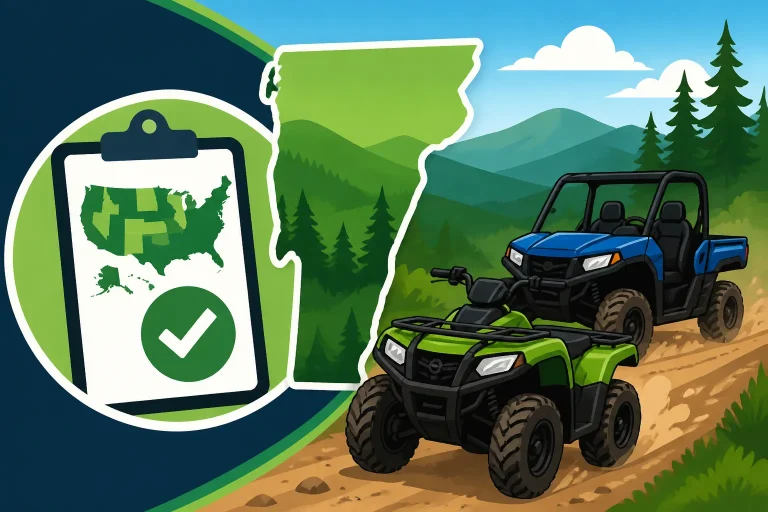
Out-of-state ATV safety courses may count in Vermont, but riders under 18 should verify acceptance and carry proof before relying on a certificate.
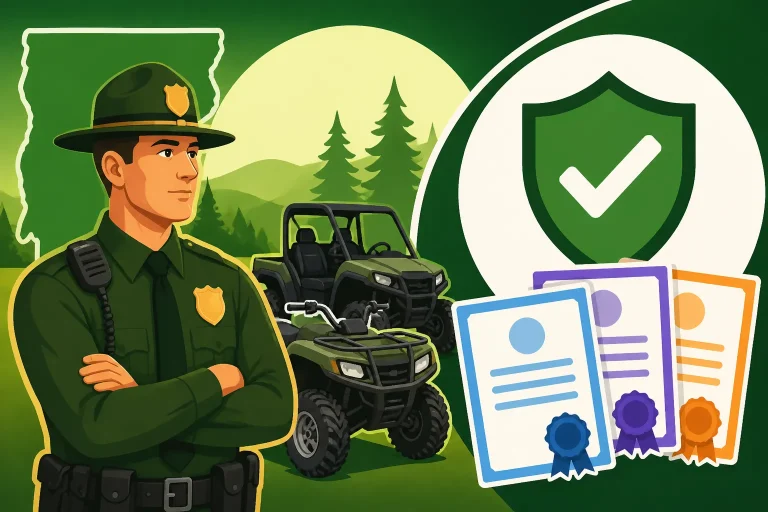
Which Vermont State Police accept ATV safety certificates, how out-of-state courses are treated, and what riders should carry to prove completion.
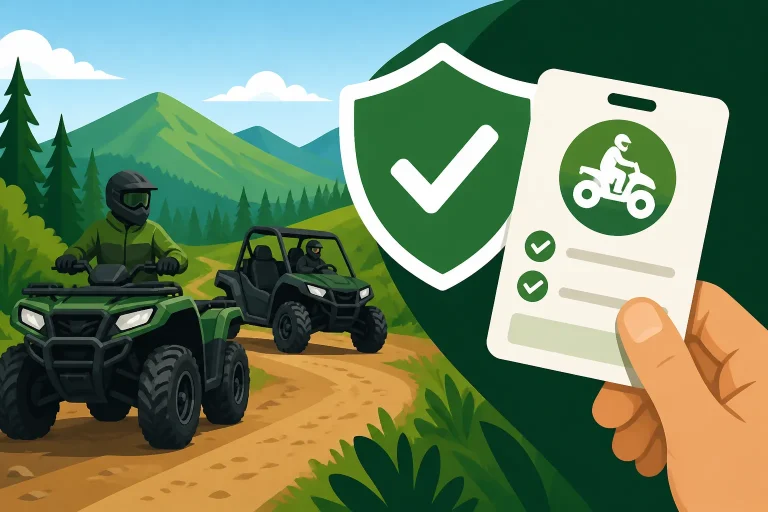
Vermont safety certificate rules require riders under 18 to carry proof of training, separate from machine registration and trail decals.
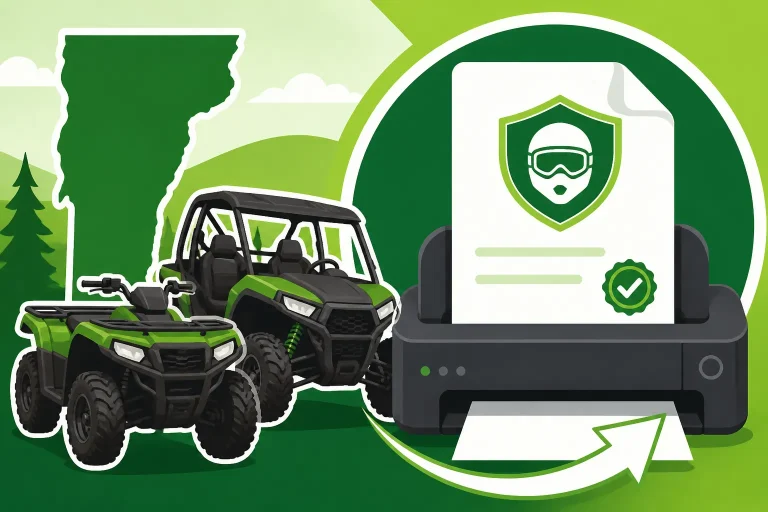
Printing your Vermont safety certificate: save a durable digital copy, print a readable paper copy, and carry proof when riding in Vermont.

Fifteen Vermont ATV safety practice questions explain the decisions young riders should understand, plus why a course certificate does not grant trail access.
Vermont’s online ATV safety course is reached through DMV’s approved-course information; confirm provider steps and keep proof of completion.

A peeling Vermont Trail Access Decal requires riders to stop, document the damage, and contact the seller for replacement rules.

Applying a Vermont Trail Access Decal cleanly and in the right spot helps it stay visible through mud, washing and regular trail use.