Why Brighton Asks for a Front Plate Too
Riding your ATV or UTV in Vermont is an incredible experience, but it can also come with a unique set of questions, especially when you encounter local rules that seem to differ from what you know. One common head-scratcher for riders planning to explore the beautiful town of Brighton is why they might hear whispers about needing a front plate, when state law typically only requires one on the rear. This guide is here to clear up that confusion, diving deep into Vermont's state regulations, Brighton's specific ordinance, and what you need to do to ensure your machine is always street-legal and ready for the trails.
The Vermont State Law on ATV Plate Placement
It’s easy to get a little lost in the weeds when it comes to vehicle regulations, and ATVs are no exception. Most folks think of a single license plate on the back of any vehicle, and for the most part, Vermont’s state laws for off-road machines align with this common expectation.
The General Rule: Rear-Mounted Plates
When you first register your ATV or UTV with the Vermont Department of Motor Vehicles (DMV), you’ll receive a single plate. The standard, statewide instruction is clear: this plate is intended to be mounted on the rear of your machine. This isn't just a suggestion; it's the official word, ensuring that your machine can be identified from behind, which is crucial for law enforcement, trail wardens, and other riders. You can read more about this standard placement in our guide, [Vermont Plate Mounted on the Rear].
Think about it: when you're out on the trails or crossing a designated town road, the most common vantage point for anyone trying to identify your machine will be from behind. Whether it's a fellow rider, a game warden, or a town constable, having that plate prominently displayed on the rear makes sense. It needs to be securely fastened, visible, and free from obstructions like mud, bags, or other accessories. Many riders use a specific [Vermont Plate Bracket Requirement] to ensure their plate is not only visible but also robust enough to withstand the bumps and vibrations of trail riding. After all, the last thing you want is to lose your plate on a particularly gnarly section of trail, or for it to become so covered in muck that it's unreadable. That's why folks pay attention to [Keeping a Plate Readable in Mud].
The Legal Basis for Local Ordinances
Now, here’s where things get a bit more nuanced and can catch riders off guard. While the state sets the overarching rules, it also grants individual towns and cities a certain degree of autonomy to establish their own specific ordinances regarding ATV and UTV use within their municipal boundaries. This power is usually exercised through local selectboards, who can designate specific roads for ATV use, set curfews, or, as in Brighton's case, add extra requirements for visible identification. This is a fundamental aspect of [Vermont ATV Road Rules: Towns Decide].
It means that while the state gives you the general framework, you always need to do your homework on the specific town you plan to ride through. These local rules aren't just arbitrary; they usually come about after public hearings, community input, and discussions about safety, noise, and local enforcement needs. So, when you hear about a town having a different rule, it's not the town trying to contradict the state, but rather exercising its legal right to tailor rules for its unique local environment. Understanding this distinction is key to being a responsible and compliant rider in Vermont.
Understanding Brighton's Specific Requirement
So, you've got your state-issued plate on the back, and you're feeling good. Then you hear about Brighton, Vermont, and their front plate rule. "Wait, what?" you might think. It's a valid reaction, but there's a good reason behind it, and it's essential for anyone planning to ride in that area.
Why Brighton Has a Front Plate Mandate
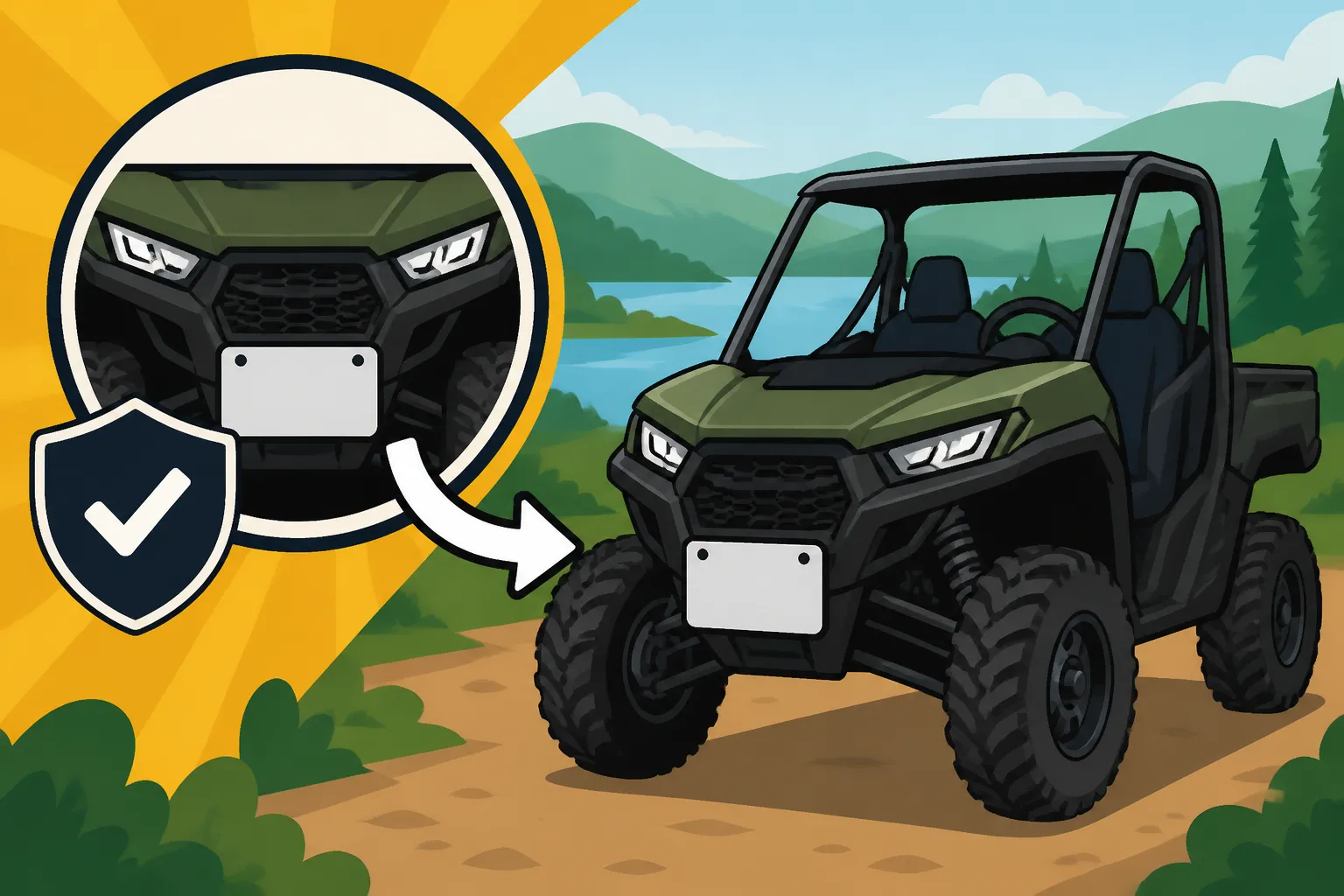
Brighton is one of those towns that has exercised its right to establish specific rules for ATV use within its borders, and one of those rules indeed includes the requirement for a front-mounted plate in addition to the state-mandated rear one. This isn't about being contrary; it's typically about enhancing local identification and safety. For a deeper dive into their specific local laws, you might want to look into [Brighton's ATV Ordinance Explained in Vermont].
There are several practical reasons why a town might ask for a front plate. Imagine you're riding through a village street designated for ATVs, or crossing a small town bridge. Law enforcement, or even just local residents, might encounter your machine head-on more frequently than from the rear. A visible front plate allows for quicker and easier identification in these scenarios. It could be for monitoring traffic, ensuring compliance with local speed limits, or simply for logging who is using the roads. In areas with narrow roads or specific traffic patterns, having identification from both directions can be a real asset for local authorities. Our post, [Why Brighton Asks for a Front Plate Too], really emphasizes this point. It’s all about local control and making sure the rules serve the specific needs of that community.
Practicalities of Mounting a Front Plate in Brighton
Adding a front plate might sound simple enough, but for many ATV and UTV owners, it can present a unique set of challenges. Unlike the rear, which often has dedicated mounting points or ample space, the front of your machine is typically packed with headlights, winches, radiators, and often, a protective brush guard. Finding a spot where the plate is both securely mounted and clearly visible without obstructing vital components or airflow to the radiator requires a bit of thought.
Many riders will need to invest in an aftermarket bracket specifically designed for front plate mounting, or even get creative with fabricating their own. The key is to ensure the plate is firmly attached so it doesn't rattle off on rough terrain and that it remains legible. It should be positioned where it's not easily covered by mud splatter (a constant battle in Vermont!), snow, or branches. Remember, the goal of the ordinance is clear identification, so if your plate is bent, obscured, or falling off, it defeats the purpose and could still lead to issues with local law enforcement. For general information on where to place plates, check out [Vermont ATV Plates and Where They Go].
Compliance and Avoiding Penalties
Nobody wants their fun day of riding to end with a ticket or a confrontation with law enforcement. Understanding and complying with local rules, especially in towns like Brighton, is crucial for a smooth and enjoyable experience.
What Happens If You Don't Have a Front Plate in Brighton
Ignoring a local ordinance, even if you weren't aware of it, isn't usually a viable defense. If you're riding your ATV or UTV within Brighton's town limits and you don't have that required front plate, you could face penalties. These generally start with a monetary fine. For example, [Brighton's Fine Schedule in Vermont] lays out what those costs might be. It’s rarely a pleasant surprise, and it certainly puts a damper on an otherwise fantastic ride.
Local law enforcement, whether it's the town constable, a sheriff's deputy, or even a state game warden, has the authority to enforce these local rules. They're often familiar with the specific ordinances of the towns they patrol. The best way to avoid this kind of headache is simple: be prepared. If you know you're heading into Brighton, make sure your machine has both the rear and front plates securely attached and clearly visible. It’s far better to spend a little time and effort on mounting that extra plate than to deal with the hassle and expense of a ticket.
Ensuring Your Plate Meets All Requirements (Front and Rear)
To ensure full compliance, you'll need to double-check a few things. First, make sure your state-issued registration plate is properly affixed to the rear of your machine, as per statewide regulations. Then, for Brighton, you'll need that additional plate on the front. Both should be mounted in a way that keeps them clean and readable. Regularly cleaning your plates, especially after a muddy ride, goes a long way.
It's also a good idea to keep all your registration paperwork handy, along with proof of insurance, as wardens and officers can ask for these at any time. A quick mental checklist before you head out, ensuring your registration is current and your plates are visible, can save you a lot of trouble. If you ever need to document your ATV's ownership or other legal aspects, perhaps for a private sale or insurance claim, a service like LawDepot can be helpful for generating official-looking documents that might supplement your DMV paperwork. For a general list of important items, refer to [Vermont ATV Registration Paperwork Checklist] or [Documents to Bring to a Vermont DMV Office]. Being thorough about your paperwork and plate setup is just part of being a responsible rider.
Broader Implications for Vermont Riders
Brighton's front plate rule isn't an isolated incident; it's a good example of how diverse ATV regulations can be across Vermont. This reality means that riders need to be constantly aware and do their homework before exploring new areas.
Other Vermont Towns with Unique ATV Rules
Brighton’s front plate requirement serves as a powerful reminder that while Vermont offers incredible riding opportunities, it's not a "one-size-fits-all" rulebook. Many other towns across the state have their own unique ordinances regarding ATV use within their municipal limits. These can range from specific designated routes, restrictions on hours of operation, noise limits, or even unique equipment requirements. Our article, [Vermont ATV Road Rules by Town], delves into this topic more broadly. For instance, towns like Newport City, Braintree, Whiting, or Franklin might have specific curfews or routes. [Vermont Town Ordinances That Set Curfews] provides a general overview of one type of common local rule.
The important takeaway here is that you cannot assume the rules in one town are the same as in the next. Each town's selectboard has the authority to make decisions that best suit their community, and these decisions can directly impact your riding experience. Before you trailer your machine to a new riding area, always take a few minutes to research the local ordinances. Sometimes, these rules are available on the town's official website, or you can call the town clerk's office. This vigilance is part of what makes you a respectful and responsible member of the ATV riding community in Vermont. If you're compiling information on various town rules, you might find templates from a platform like LawDepot useful for creating organized records for your personal reference.
The Importance of Due Diligence Before You Ride
This brings us to perhaps the most critical piece of advice for any ATV rider in Vermont: due diligence is your best friend. Before you ever hit a trail that involves crossing or riding on designated town roads, you absolutely must check the specific rules for that town. It's not enough to simply have your state registration and insurance in order.
A quick search online for the town's official website, a phone call to the town clerk, or even checking with the local VASA club in that area can provide invaluable information. These steps can prevent an unexpected fine, a stern lecture from a local officer, or even worse, an accident due to being unaware of a specific local safety rule. Always remember that these local ordinances are put in place for safety, for community harmony, and to ensure the continued access that we all enjoy. By respecting them, you contribute to the positive image of ATV riders and help preserve these riding opportunities for everyone. Whether it’s confirming a town’s curfew or understanding specific road designations, the more you know, the smoother your ride will be. And if you're ever creating a bill of sale for a private ATV transaction, for example, remember that services like LawDepot offer templates to ensure you cover all the necessary legal bases, making sure your ownership documents are as solid as your understanding of local riding rules.
Here's a quick comparison to help visualize the difference:
| Aspect | Vermont State Requirement (General) | Brighton, Vermont Requirement |
|---|---|---|
| Plate Quantity | One | Two |
| Standard Placement | Rear of the machine | Rear and Front of the machine |
| Visibility | Must be clearly visible | Must be clearly visible (both) |
| Legal Basis | State statute | Local ordinance (town authority) |
| Purpose | Identification from behind | Identification from both directions |
Disclaimer
This article is for general informational purposes only and does not constitute professional advice. Laws, prices and regulations vary by location and change over time. Consult a qualified professional for guidance on your specific situation.