Vermont ASV Class A Eligibility
A lot of folks in Vermont get tangled up trying to figure out if their beloved off-road machine is considered a regular ATV or something different entirely, especially when it comes to "ASV Class A" eligibility. This distinction isn't just bureaucratic jargon; it directly impacts how you register your rig, what fees you pay, and even where you can legally ride. This guide is here to untangle that confusion, explaining exactly what qualifies as a Vermont ASV Class A and why it matters for your riding adventures.
What Exactly Defines a Vermont ASV Class A Machine?
This is crucial. The core of your registration and legal riding hinges on how Vermont's Department of Motor Vehicles (DMV) classifies your off-road vehicle. Many riders mistakenly assume all side-by-sides are the same, but the Green Mountain State has specific criteria that slot certain machines into the "ASV Class A" category, setting them apart from your typical ATV. Understanding these definitions is the first, most important step in ensuring you're compliant and ready to hit the trails or designated town roads.
The Official Definition of an ASV All-Terrain Side-by-Side Vehicle
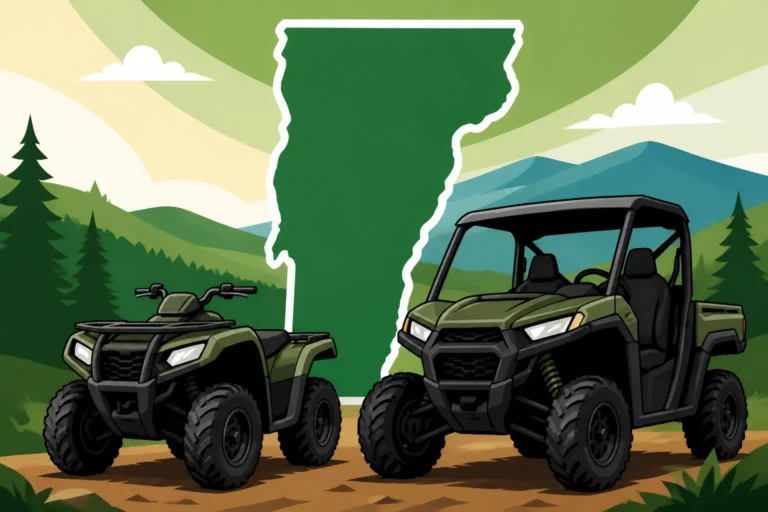
When we talk about an All-Terrain Side-by-Side Vehicle (ASV) in Vermont, we're not just throwing around casual terms for any multi-person off-road vehicle. The Vermont statutes provide a clear definition. An ASV is generally characterized by being designed for off-road use, traveling on four or more low-pressure tires, and having a steering wheel and non-straddle seating. This means you sit in it, not on it, often with a passenger or more beside you, much like a small car.
This distinction from a traditional ATV, where you straddle the seat and steer with handlebars, is fundamental. The design intent of an ASV is typically geared towards utility, recreation, or even some light work, often featuring a small cargo bed. The comfort and control experience is also quite different, feeling more akin to a car, which informs how the state regulates them, particularly concerning safety and road use.
Vermont's classification system also sometimes differentiates between an "ASV" and what might be called a "UTV" (Utility Task Vehicle) in other regions, though the terms are often used interchangeably by manufacturers and riders. For official purposes in Vermont, it's about meeting the specific dimensional and design characteristics to be recognized as an ASV. If you're coming from another state or buying a machine with marketing materials using different terms, always refer back to Vermont's specific definitions to avoid any surprises at the DMV. This is all part of getting your [Vermont ASV Class A Registration Explained].
Key Distinguishing Features from Standard ATVs
Beyond the seating and steering, several other features help distinguish an ASV Class A from a standard ATV in Vermont. For one, ASVs typically come equipped with seatbelts and often a rollover protection structure (ROPS) or cab, which are safety features more commonly found in cars or trucks. While some ATVs have aftermarket roll cages, it's standard for an ASV. The presence of these features reflects the machine's design for multiple occupants and the type of terrain and situations it's expected to handle.
Another key difference often lies in the vehicle's overall footprint and power. While an ATV is designed for agile, often single-rider use, an ASV often provides more stability and carrying capacity, whether for passengers or gear. This increased capability comes with its own set of rules, especially regarding where these machines can legally operate and what safety equipment is mandated for occupants.
Understanding these features isn't just for curiosity; it's vital for knowing which set of regulations applies to your ride. Whether it's about required headlights, mirrors, or even specific exhaust systems, the classification influences what modifications or equipment might be necessary to stay compliant. This directly ties into broader discussions like [Vermont ATV Versus ASV Classes] and how each class is treated.
Understanding Vermont's Width and Weight Limits for ASVs
Now, here's where things can get really specific, and sometimes, a little confusing for riders trying to navigate Vermont's regulations. For a machine to qualify specifically as an ASV Class A, it must meet certain dimensional criteria, particularly concerning its width and dry weight. While the exact numbers can be subject to legislative updates, generally, an ASV Class A is defined as being not more than 72 inches wide and having a dry weight not exceeding 2,500 pounds.
These numbers are critical. A machine that exceeds the 72-inch width or the 2,500-pound dry weight threshold typically falls into a different category, or may even be considered a motor vehicle requiring standard car registration, rather than an off-road vehicle. This is particularly relevant given discussions around [Vermont's 72-Inch, 2,500-Pound ATV Definition] and how machines exceeding these dimensions are handled. It's not uncommon for newer, larger side-by-sides to push these limits, so knowing your machine's exact specifications is paramount.
When you're looking at a new purchase or trying to classify an existing machine, always check the manufacturer's specifications. Don't just eyeball it! The dry weight, in particular, can be tricky as it doesn't include fuel, fluids, or any accessories you've added. If you have a larger side-by-side, you might find yourself delving into topics like [Vermont Machines Wider Than 72 Inches] or [Vermont Machines Over 2,500 Pounds], which have entirely different implications for registration and where you can ride. These are the details that truly define [Class A and What It Covers].
Comparing ATV and ASV Class A Specifications
To help clarify the differences, here's a quick comparison of the typical characteristics that set a Vermont ATV apart from an ASV Class A. Remember, these are general guidelines, and legislative definitions can be very precise.
| Feature | Typical ATV (Class B) | Typical ASV Class A (Side-by-Side) |
|---|---|---|
| Seating Type | Straddle seat, generally single rider | Non-straddle, bench or bucket seating |
| Steering | Handlebars | Steering wheel |
| Occupancy | Primarily one, some designed for two | Two or more passengers, side-by-side |
| Width Limit | Varies, but generally narrower than 72 inches | Not more than 72 inches |
| Weight Limit | Generally under 2,500 lbs dry weight | Not more than 2,500 lbs dry weight |
| Roll Protection | Not standard, may be aftermarket accessory | Often standard (ROPS or full cab) |
| Seatbelts | Not standard | Generally standard |
| Primary Use | Sport, recreation, light utility | Recreation, utility, touring, family riding |
Why Does Class A Matter for Registration Fees and Rules?
The "Class A" designation isn't just an arbitrary label; it carries significant weight when it comes to the financial and legal aspects of owning and operating your side-by-side in Vermont. From the moment you decide to register your machine, you'll see a clear divergence in how ASVs are treated compared to standard ATVs. This isn't meant to be punitive, but rather reflects the different capabilities, safety considerations, and impact these larger machines can have.
Higher Registration Costs for ASVs
One of the most immediate and noticeable differences for ASV Class A owners is the registration fee. Simply put, registering an ASV Class A machine in Vermont typically costs more than registering a standard ATV. This higher fee structure is enshrined in Vermont law and reflects, in part, the generally larger size, increased complexity, and potential impact of these vehicles on trails and shared infrastructure. It's a common point of discussion among riders, and it's something you absolutely need to budget for when considering an ASV purchase.
For example, you'll find that the annual fee for an ASV is set at a different rate compared to a conventional ATV. This is a point where resources like [Vermont ASV Registration at $108 a Year] or [Vermont ASV Two-Year Registration at $211] become highly relevant, providing specific figures to help you understand the financial commitment. This separate fee structure also highlights the state's clear distinction between the two vehicle types, emphasizing that an ASV is not just a "big ATV" in the eyes of the law.
When you're planning your budget, don't just look at the purchase price of the machine. Factor in these higher registration costs, whether you opt for a one-year or two-year registration period. Understanding [Why an ASV Costs More to Register] can help you appreciate the legislative intent behind these separate fee schedules, often related to maintenance of the trail system and administrative overhead for these specific vehicle classes.
Operational Differences and Road Access
Beyond the registration fees, the ASV Class A designation can influence where and how you can legally operate your machine, particularly on public roads or designated trails. While Vermont has a progressive approach to integrating ATVs and ASVs into its recreational landscape, local ordinances and state regulations often have specific clauses for each class. An ASV, with its car-like seating and steering, might feel more at home on a gravel road, but that doesn't automatically grant it the same road access as a car.
Some towns might have specific rules for ASVs versus ATVs on their designated routes, or certain trail sections might be restricted based on vehicle width, which could impact a wider ASV. It's always crucial to check local ordinances and trail signs. The intention behind these rules is often to manage traffic flow, ensure safety, and minimize environmental impact. Your ASV might fall under specific rules mentioned in articles like [Class A and What It Covers], which outline the broader operational parameters.
Remember, even if a road is open to ATVs, it's not a given that all ASVs are permitted, especially if your machine pushes those width and weight limits. Always err on the side of caution, consult official town maps and ordinances, and when in doubt, contact the local authorities or the Vermont ATV Sportsman's Association (VASA) for clarification. Safe and legal riding means staying informed about these specific operational nuances.
Insurance Implications for Class A Machines
Another critical aspect where the ASV Class A classification plays a role is insurance. Just like a car or motorcycle, your ASV needs proper insurance coverage, especially if you plan to ride on public lands or designated trails where liability is a major concern. Due to their higher value, multi-passenger capacity, and often greater power, ASV Class A machines may have different insurance requirements or premium structures compared to standard ATVs.
Most insurance providers will ask for your machine's specific classification, dimensions, and use (recreational, utility, etc.) when you seek a quote. It's not uncommon for an ASV to fall into a different risk category than a single-rider ATV, potentially affecting your premiums or the types of coverage available. This is vital to understand for your own protection and to comply with Vermont's mandatory insurance laws for off-road vehicles. Vermont generally requires ATV liability insurance, and you'll want to ensure your policy explicitly covers your ASV Class A.
Before you ever turn the key, make sure your insurance policy is squared away. Don't assume your existing ATV policy will automatically cover a new ASV purchase, or that your car insurance extends to your off-road machine. Talk to your insurance agent, be upfront about your machine's ASV Class A status, and confirm you have adequate liability and collision coverage. This due diligence can save you a world of trouble and expense down the road.
How to Ensure Your Machine Qualifies as ASV Class A in Vermont
Navigating the eligibility process for ASV Class A registration in Vermont can seem a bit daunting, but with the right approach and documentation, it's quite straightforward. The key is to be prepared and knowledgeable about your machine's specific characteristics and how they align with Vermont's legal definitions. This proactive stance ensures a smoother experience when you head to the DMV.
Checking Manufacturer Specifications and VIN
The first and most reliable step in determining if your machine qualifies as an ASV Class A is to consult its manufacturer specifications. Every legitimate off-road vehicle comes with a Vehicle Identification Number (VIN) and detailed specs that outline its make, model, year, engine size, width, and crucially, its dry weight. These details are your authoritative source. You can usually find this information in your owner's manual, on a sticker or plate affixed to the machine itself, or by looking up the VIN online through the manufacturer's website.
Pay close attention to the width and dry weight figures. As discussed, the 72-inch width and 2,500-pound dry weight limits are key thresholds for ASV Class A. If your machine's specs clearly fall within these parameters and it features side-by-side seating with a steering wheel, you're likely on the right track. If your machine is significantly modified from its factory state, then the original specs might not tell the whole story, which leads to the next point.
It's helpful to have a copy of these specifications on hand when you go to register. Some DMV clerks might not be intimately familiar with every single off-road vehicle model, so providing clear, official documentation can expedite the process and prevent any unnecessary delays or questions about your machine's classification. For a full list of required items, consult [Vermont Registration Paperwork Checklist].
Documenting Modifications for DMV Review
Life happens, and sometimes our machines get customized. If your ASV Class A has undergone significant modifications that could affect its dimensions or weight – for example, adding heavy accessories, wider tires, or suspension kits that increase its width – you might need to document these changes. While minor add-ons are usually not an issue, modifications that push your machine past the 72-inch width or 2,500-pound dry weight limit could potentially reclassify it, or even make it ineligible for ASV registration.
In such cases, it might be beneficial to provide an affidavit or a detailed list of modifications with accompanying measurements and revised weight estimates, if available. For situations where you need to officially declare information about your vehicle, especially if original paperwork is unclear or unavailable, services like LawDepot can be incredibly useful. You can use their platform to draft an official affidavit of ownership or a bill of sale that includes precise details about your machine's current state, helping to formalize your documentation for the DMV. Having these professionally prepared documents lends credibility to your claims and demonstrates your due diligence.
If you're ever in a bind with missing or insufficient documentation for your ASV, particularly concerning its ownership or specific characteristics, remember that LawDepot offers templates for a variety of legal documents. Using a template for an ownership affidavit or a notarized statement detailing your machine's modifications can be a lifesaver. This extra step helps the DMV understand that you've done your homework and are presenting accurate, verifiable information about your machine's current configuration and its fit for ASV Class A. Using a service like LawDepot can streamline the creation of such forms, whether it's for [Filing an Ownership Affidavit at the Vermont DMV] or simply detailing modifications.
Steps to Take at the DMV During Registration
Once you've confirmed your ASV Class A eligibility through manufacturer specs and documented any relevant modifications, it's time to head to the Vermont DMV. The registration process itself is fairly standard, but there are a few things to keep in mind to ensure your ASV is correctly classified from the get-go. First, make sure you have all your necessary paperwork: proof of ownership (bill of sale or manufacturer's certificate of origin), proof of Vermont residency, and documentation for any applicable sales tax.
When you're at the counter, be clear with the clerk that you are registering an ASV Class A. Provide them with your documentation, including your manufacturer specs and any affidavits you've prepared (perhaps using LawDepot's templates, if needed). If there's any ambiguity, politely point to the specific sections in your documentation that confirm your machine's width, weight, and seating configuration. This direct communication can prevent misclassification and ensure you pay the correct ASV registration fee right away.
Don't be afraid to ask questions if something isn't clear. The DMV clerks are there to help, and sometimes a simple question can resolve a potential misunderstanding. It's better to clarify everything during your initial visit than to deal with issues later. Being prepared and articulate about your ASV's classification will undoubtedly lead to a smoother and faster registration experience, getting you out of the office and onto the trails quicker.
Common Confusions and Troubleshooting Eligibility
Even with all the guidelines and careful preparation, it's easy to run into common sticking points when trying to classify your ASV in Vermont. The world of off-road vehicles is constantly evolving with new models and features, and sometimes, a machine might seem to straddle the line between categories. Being aware of these potential confusions can help you troubleshoot issues before they become major headaches.
The "Too Wide or Too Heavy" Conundrum
Perhaps the most frequent area of confusion for ASV owners revolves around the dimensional limits: the 72-inch width and 2,500-pound dry weight. Many popular side-by-side models, especially some of the newer, more powerful ones designed for extreme recreation, exceed these thresholds right from the factory. If your machine is wider than 72 inches or has a dry weight over 2,500 pounds, it simply won't qualify as an ASV Class A in Vermont. This can be a harsh reality for some riders who bought a machine without fully understanding the local regulations.
If your machine falls into this category, it’s not necessarily the end of its legal operation, but it means you need to explore other registration options. Such machines might be considered "off-road motor vehicles" that require different registration entirely, or in some cases, might not be eligible for the same trail access as a true ASV Class A. This is where articles like [Vermont Machines Wider Than 72 Inches] and [Vermont Machines Over 2,500 Pounds] become essential reading, as they detail the implications of owning these larger vehicles.
It's critical not to try and "fudge" the numbers or omit information when registering. Vermont's DMV has procedures to verify vehicle specifications, and misrepresenting your machine's characteristics can lead to legal issues down the line. If your machine is legitimately oversized for ASV Class A, accept it and explore the correct registration pathway for its actual classification.
What If Your Machine Could Be Both?
Occasionally, you might encounter a machine that, on paper, seems to blur the lines between an ATV and an ASV. For instance, some very large, utility-focused ATVs might approach the lower end of ASV dimensions, or a compact side-by-side might have features that mimic a beefed-up ATV. However, Vermont's definitions typically prioritize the fundamental design characteristics: straddle vs. non-straddle seating, handlebars vs. steering wheel. The intent of the manufacturer in designing the vehicle usually dictates its primary classification.
If you have a machine that seems ambiguous, always default to the most conservative interpretation based on Vermont's explicit legal definitions for ASVs and ATVs. Focus on the core design elements. Does it have a steering wheel and side-by-side seating? If so, it's likely intended as an ASV. Does it have handlebars and a straddle seat? Then it's an ATV. The nuances of [Vermont ATV Versus ASV Classes] often hinge on these distinctions, which dictate everything from safety gear to permissible riding areas.
When in doubt, it's always best to treat it as an ASV if it leans that way, especially given the distinct registration requirements. This cautious approach ensures you're less likely to be surprised by an issue later, whether at the DMV counter or during a routine check by a warden on the trail.
Seeking Clarification from the Vermont DMV
If after all your research and documentation, you're still genuinely unsure about your machine's ASV Class A eligibility, don't guess. The best course of action is to directly contact the Vermont Department of Motor Vehicles. They are the ultimate authority on vehicle classification and registration in the state. You can reach out to them via phone, email, or by visiting a local office with your documentation.
When you contact them, be prepared to provide your machine's VIN, make, model, year, and any specific measurements (width, dry weight) you have. Explain your confusion clearly and ask for their official guidance on how your particular machine would be classified for registration purposes. They can clarify any legislative nuances or specific interpretations that might not be immediately obvious from reading the statutes alone. This direct line to the source of information is invaluable.
Remember, the goal is to register your machine correctly and avoid any penalties for misclassification. Asking for clarification upfront is a responsible and proactive step that ensures you're riding legally and confidently on Vermont's diverse and beautiful off-road landscape. Topics like [Vermont Registration Questions Clerks Hear] often include these types of classification queries, so don't feel like you're asking something unusual – they're used to it!
Disclaimer
This article is for general informational purposes only and does not constitute professional advice. Laws, prices and regulations vary by location and change over time. Consult a qualified professional for guidance on your specific situation.